The Non-Obvious Show
Shift Your Perspective.
Be More Interesting.
Interviews with groundbreaking thinkers, hosted by Rohit Bhargava. Every episode is a conversation with a non-obvious mind, built around one big idea, with many guests drawn straight from the Book Awards longlist.

The Complete Archive
Every episode of the show.
All 82 episodes, newest first. Listen to any of them right now.
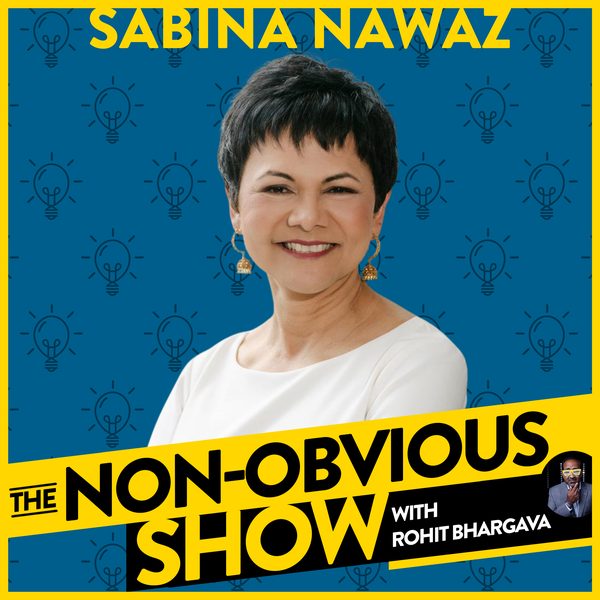
Sabina Nawaz on how pressure rather than power corrupts managers, and the microhabits that make bosses more effective.
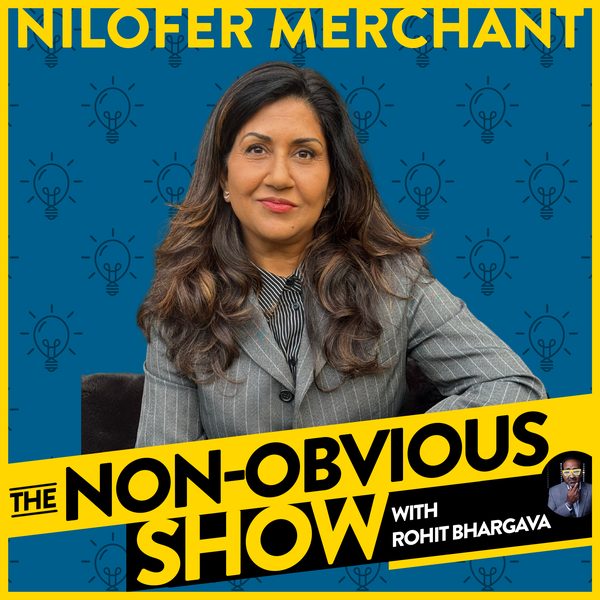
Nilofer Merchant on the invisible workplace norms that limit innovation, and how questioning them leads to more fulfilling work.
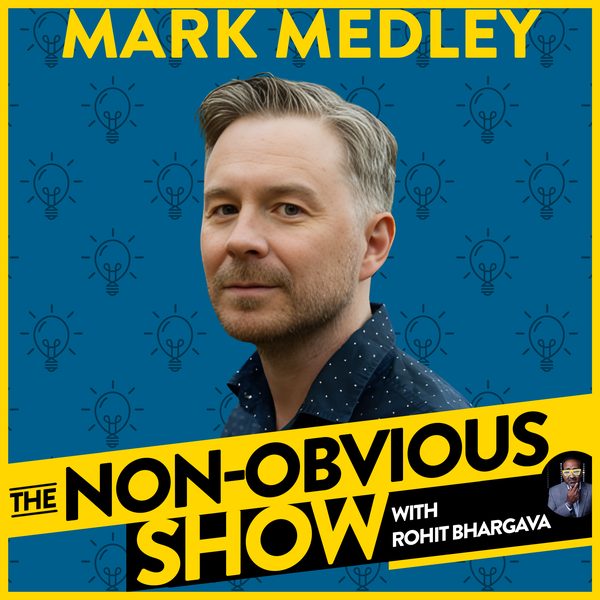
Mark Medley on people who pursue seemingly impossible goals, and the long-term mindset and hope behind their quests.
Jenny Wood on the traits people are usually told to suppress, and how using them moves a career forward.
Justin Gregg on why people treat animals, products, and AI as human, and what anthropomorphism does to us.
Nir Eyal on how the brain predicts reality, and why beliefs shape behavior, persistence, and success.
Melody Wilding on managing up, reading workplace psychology, and handling a difficult boss without stalling your career.
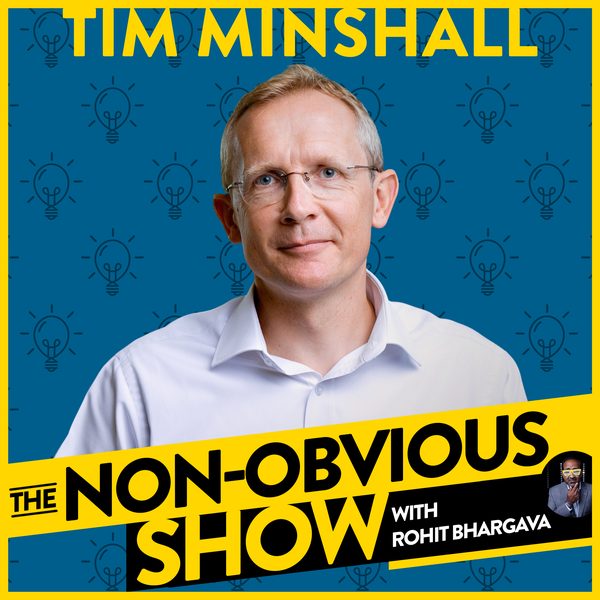
Tim Minshall on how manufacturing shapes daily life, why supply chains are fragile, and what factory visits reveal.
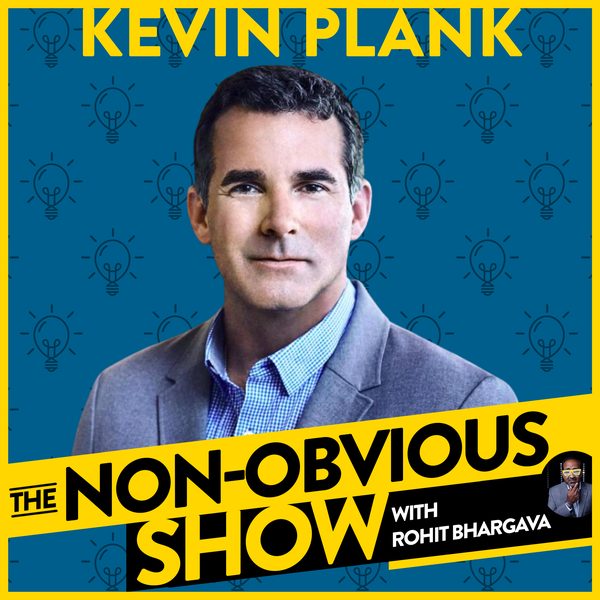
Kevin Plank on founding Under Armour, lessons in leadership and innovation, and rebuilding the brand's identity.
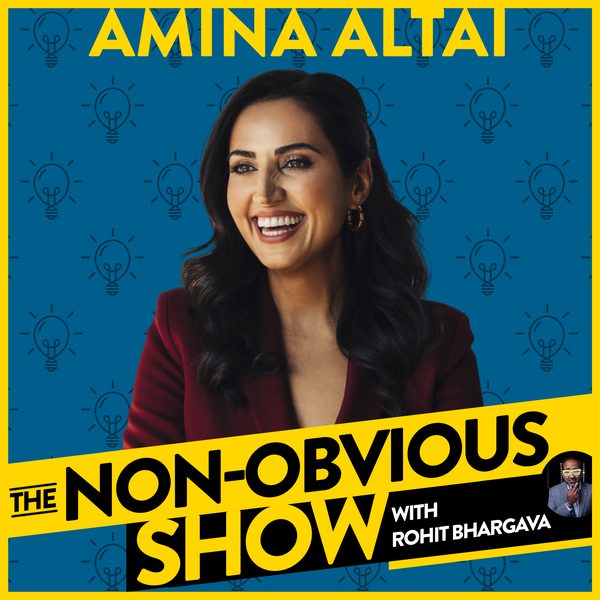
Amina AlTai on the difference between purposeful and painful ambition, and how ambition becomes a trap.
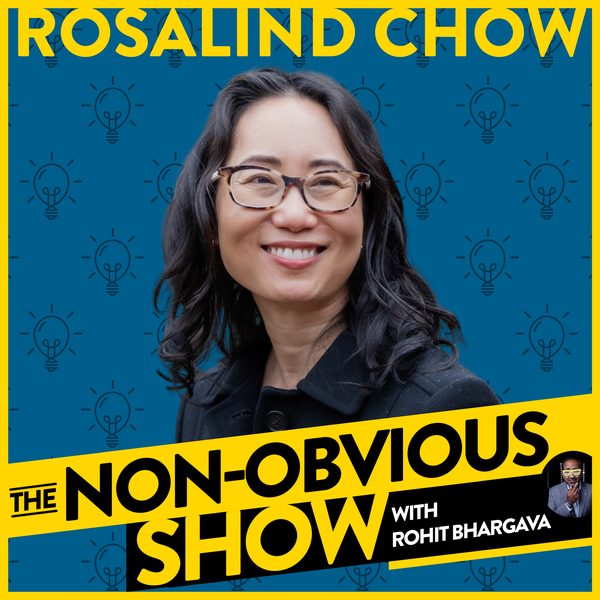
Rosalind Chow on how sponsorship differs from mentorship, and the power dynamics that decide who advances.
Tomas Chamorro-Premuzic on why the advice to be authentic is misleading, and what actually makes leaders effective.
Kevin Ertell on why execution matters more than strategy, and how to build follow-through into company culture.
Monica Nassif on building Mrs. Meyer's Clean Day around her family's values, and why authentic storytelling earns trust.
Eliot Stein on the individuals around the world who keep ancient cultural traditions from disappearing.
Marina Lopes on parenting practices from around the world, and why American families need more community support.
Mita Mallick on handling bad bosses, setting boundaries, and avoiding the behaviors that create them.
Minda Harts on building trust at work, being heard, and the role of vulnerability in communication.
AJ Wolfe on the subculture of Disney adults, what motivates them, and how the community works.
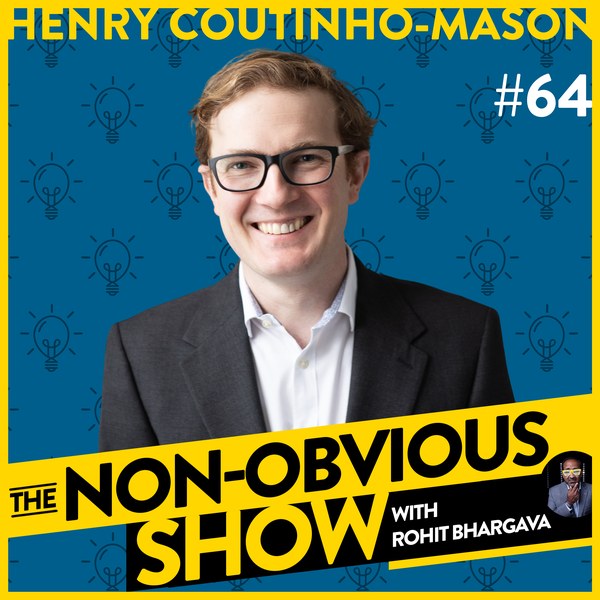
Henry Coutinho-Mason on how futurists think, the role of trends, and technology's effect on future thinking.
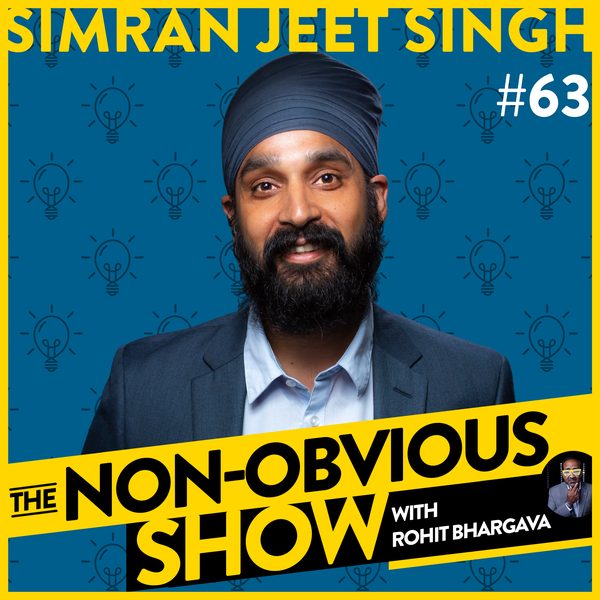
Simran Jeet Singh on diverse storytelling, navigating faith in public spaces, and building empathy across communities.
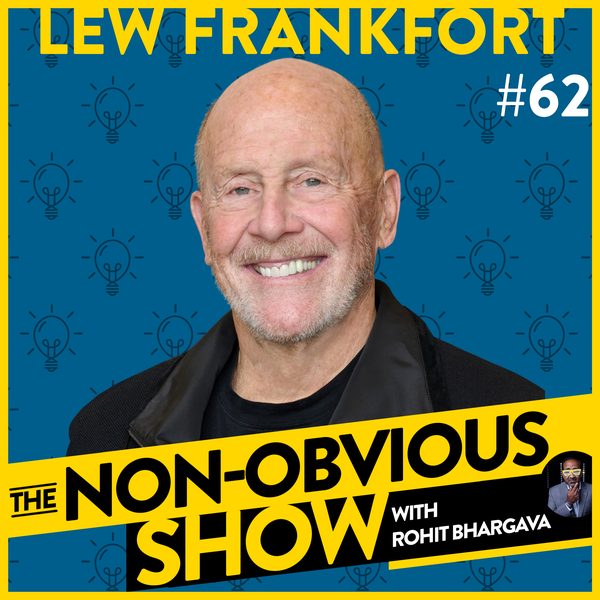
Lew Frankfort on turning Coach into a five billion dollar brand and the idea of accessible luxury.
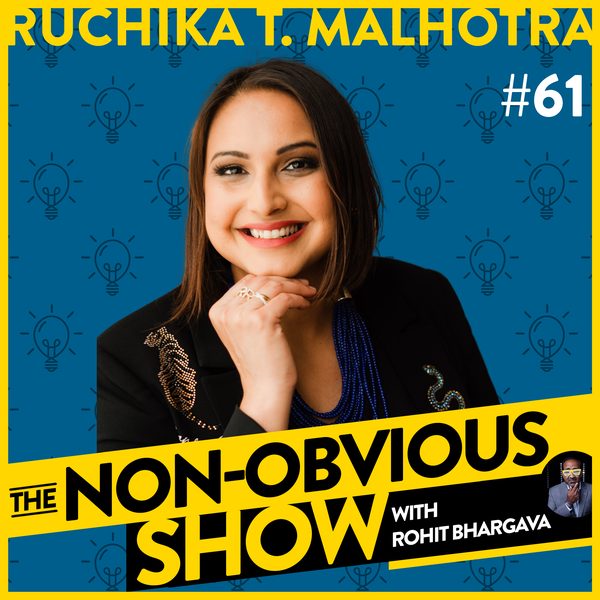
Ruchika T. Malhotra on rejecting competition, and why collaboration and community produce more durable success.
Nick Bostrom on AI risk, existential threats, and why a balanced approach to technological progress matters.
Ranjay Gulati on courage as something shaped by context and support systems rather than personality alone.
Charlie Melcher on the shift from passive media consumption to immersive, interactive storytelling. Part one of two.
![The Future of Exploration [LIVE] - What Will Human Discovery Look Like In the Next Decade? (#57) episode art](assets/podcast-eps/ep57.jpg)
A live panel with surfer Layne Beachley and space systems engineer Dawn McIntosh on more responsible ocean and space exploration.
Dorie Clark on why human expertise still matters in an AI era, and the case for long-term thinking.
Anne Libera of The Second City on how humor works and why anyone can learn to be funnier.
Brad Feld on the give first philosophy, non-transactional relationships, and staying accessible and responsive.
Christopher Wong Michealson and Jennifer Tosti-Kharas on what makes work meaningful and how technology is changing it.
Parag Khanna on mobility as a skill, global talent migration, and where people will live as cities change.
Laura Ries on differentiation in marketing, picking a strategic enemy, and the dangers of line extensions.
Damali Peterman on negotiating while underestimated, and why authenticity beats cookie-cutter negotiation tactics.
![How To Laugh at Tragedy Without Becoming A Victim with Tom Nash [LIVE] (#49) episode art](assets/podcast-eps/ep49.jpg)
Tom Nash on using humor to cope with trauma, the nocebo effect, and refusing the victim label. Recorded live in Sydney.
![The Future of Boredom [LIVE] - What Happens When It Is Harder To Do Nothing? with Dr. Joanne Orlando and Dan Ilic (#48) episode art](assets/podcast-eps/ep48.jpg)
A live panel with Joanne Orlando and Dan Ilic on how boredom feeds creativity and why technology keeps eliminating it.
Michael Tennant on emotional awareness, vulnerability, and how men build community and deeper connections.
Paco Underhill on decades of research into how people shop, how retail spaces changed, and what drives buying decisions.
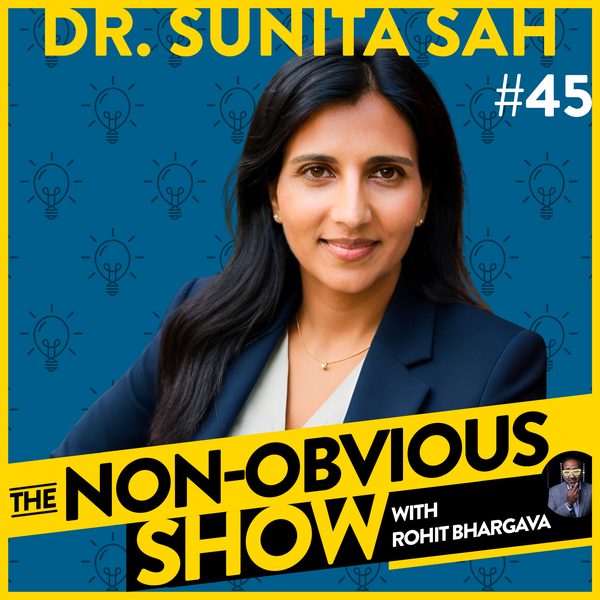
Sunita Sah on defiance as a positive act, and how knowing your own values makes it possible.
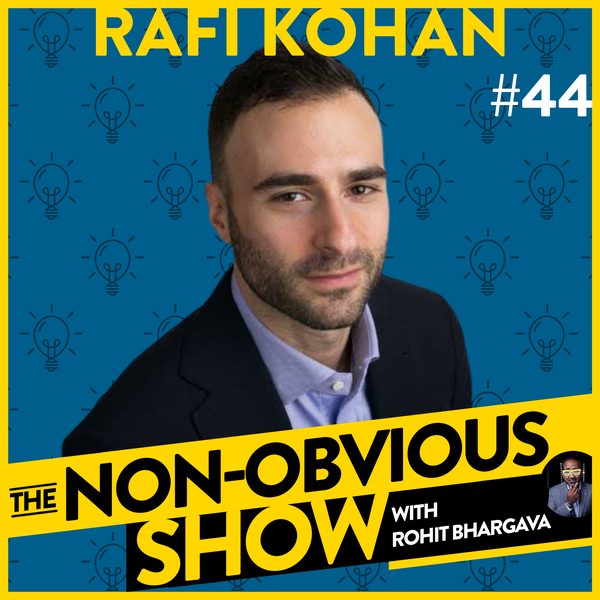
Rafi Kohan on trash talk in sports and beyond, its psychological effects, and why it is widely misunderstood.
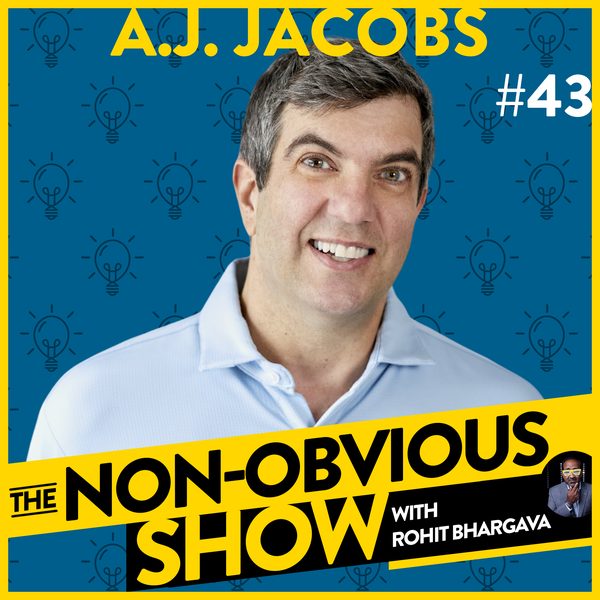
A.J. Jacobs on spending a year living by the Constitution, and treating disagreements as puzzles to solve.
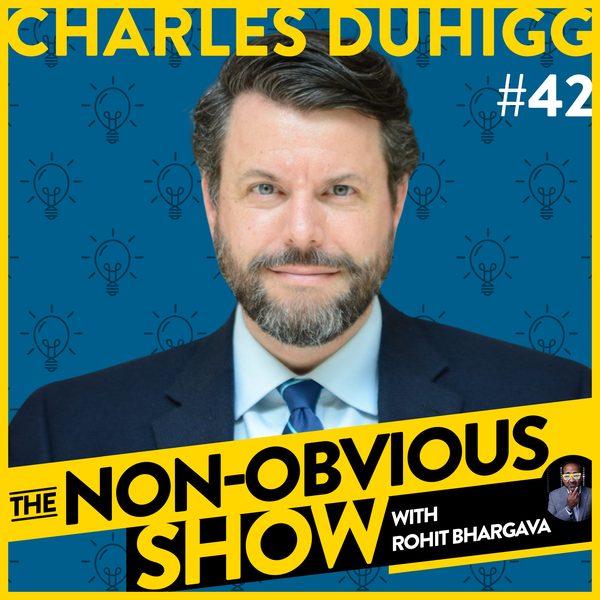
Charles Duhigg on the skills of supercommunicators, including matching conversation types and asking deeper questions.
Michelle P. King on making a job more fulfilling and the informal rules of organizational culture that hold people back.
Chuck Thompson on what status means today and how lowbrow tastes became markers of prestige.
Ashley Shew on technoableism, rethinking who needs improvement, and writing for people who will become disabled.
Brian Klaas on chance and chaos, and why small flukes shape history more than we like to admit.
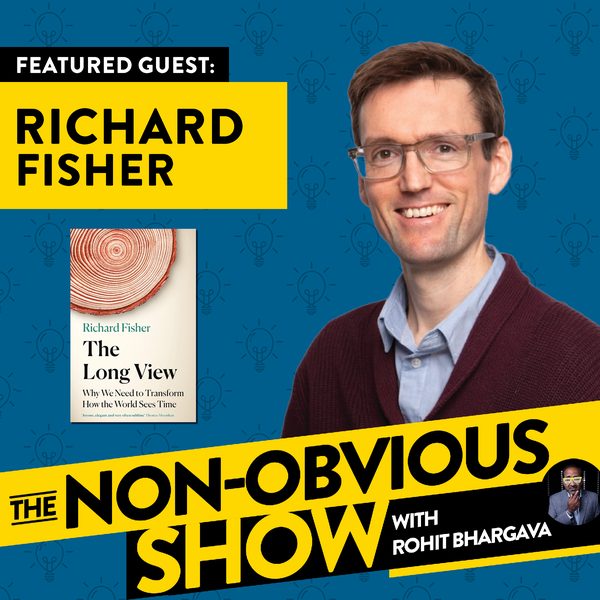
Richard Fisher on long-term thinking and how to stretch our sense of time beyond the immediate present.
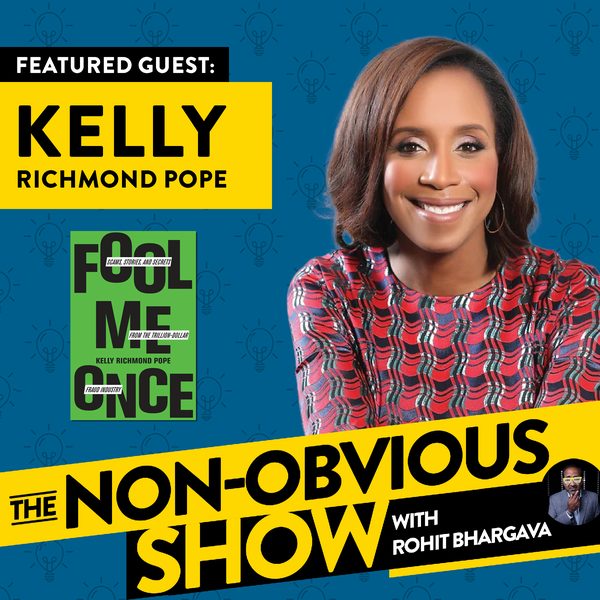
Kelly Richmond Pope on what she learned interviewing fraud perpetrators and victims, and how to recognize a scam.
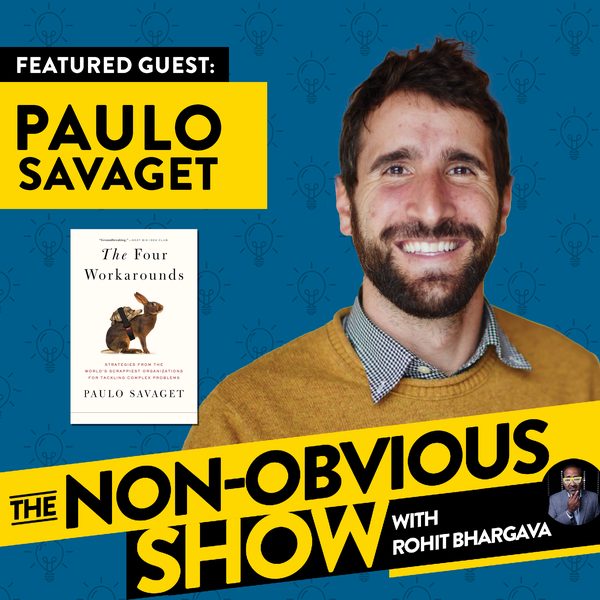
Paulo Savaget on how scrappy organizations invent workarounds to tackle complex problems.
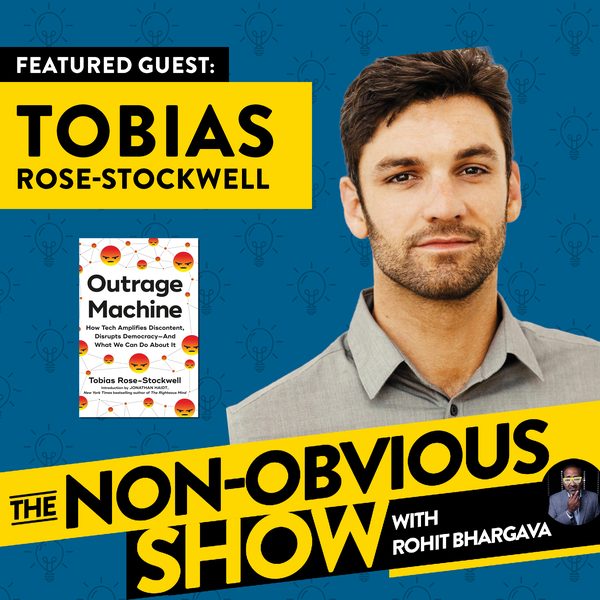
Tobias Rose-Stockwell on how social platforms amplify outrage, and the changes that reduce toxicity and polarization.
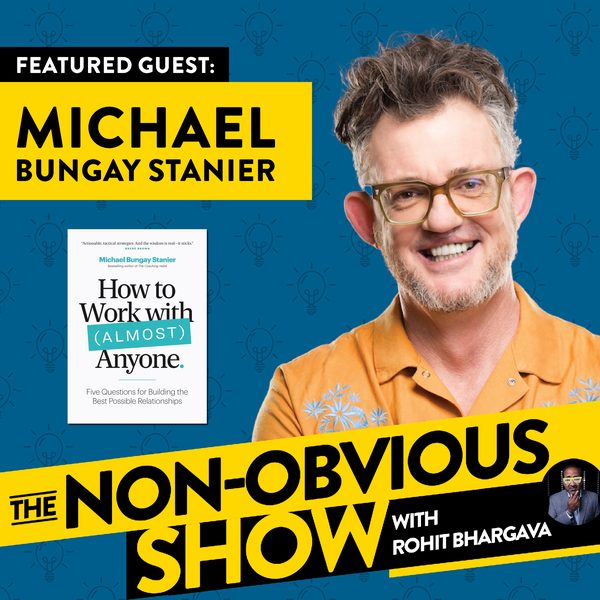
Michael Bungay Stanier on building the best possible working relationships with the people around you.
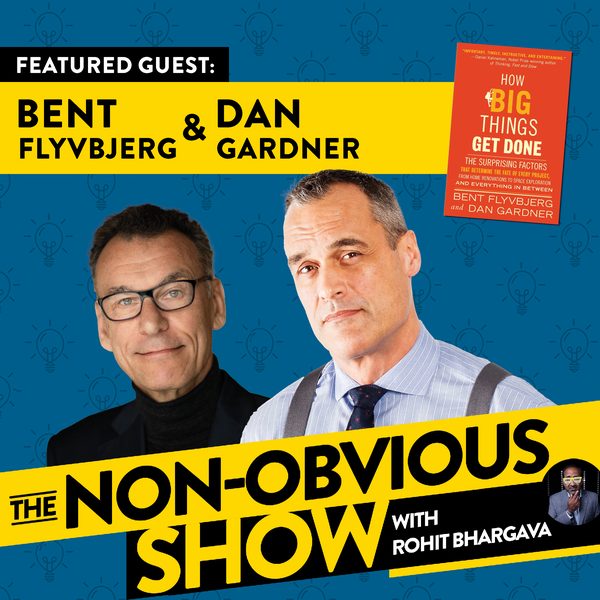
Bent Flyvbjerg and Dan Gardner on the pattern behind failed megaprojects and what determines whether big things get done.
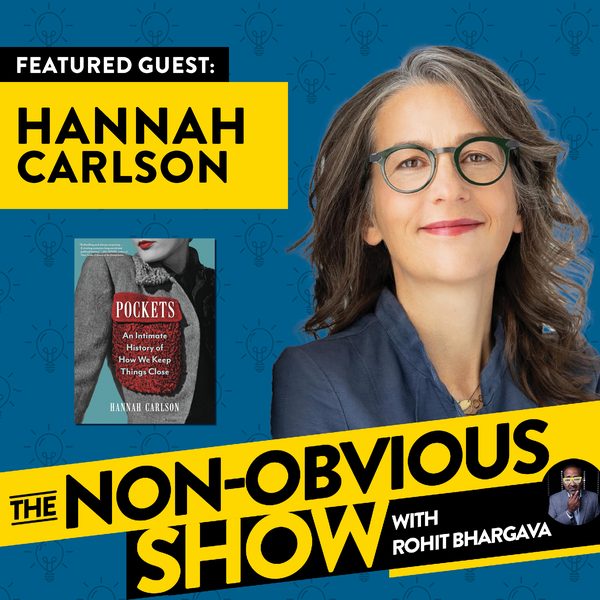
Hannah Carlson on the history of pockets and what they reveal about how we keep things close.
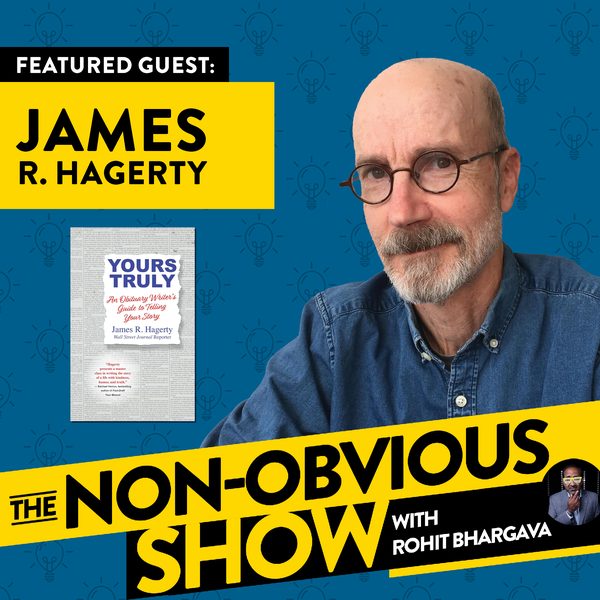
James R. Hagerty, a longtime obituary writer, on how to tell your life story and write your own.
Kevin Strait of the National Museum of African American History and Culture on Afrofuturism and imagining the future.
Marcus Collins on culture as the most powerful influence on behavior, and how to bring it into your work.
Jacquelyn Lane and Scott Osman on becoming coachable and getting real value from executive coaching.
Amy Gallo on working with difficult colleagues, and handling conflict and feedback conversations better.
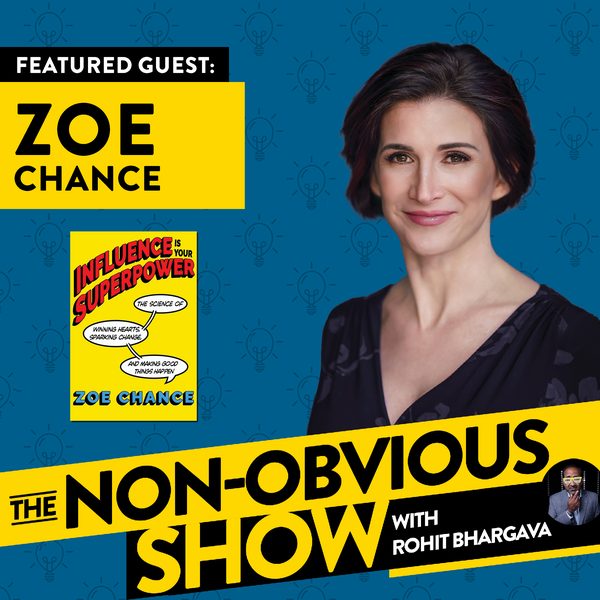
Zoe Chance, who teaches influence and persuasion at Yale, on how a shy person learns to be persuasive.
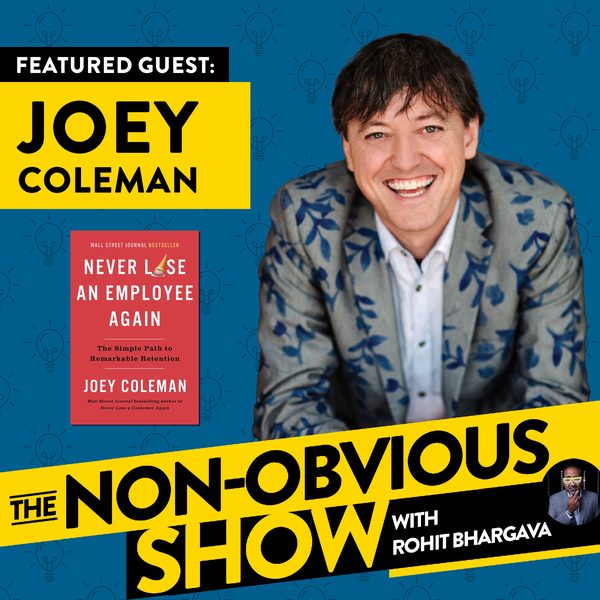
Joey Coleman on employee and customer experience, and how companies keep the people they hire.
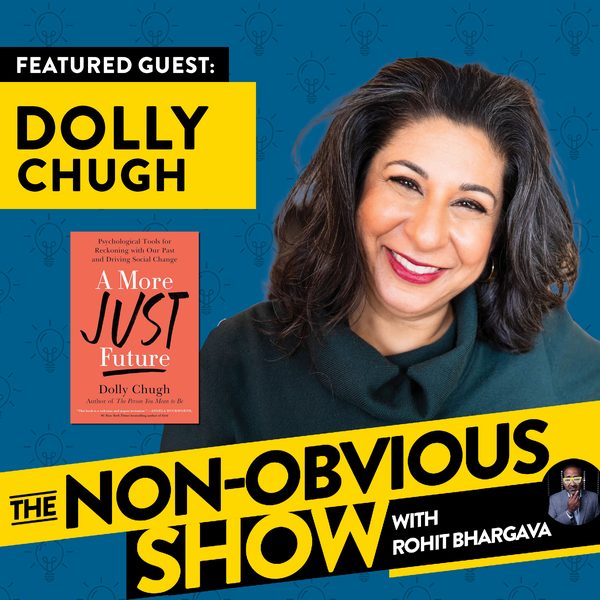
Dolly Chugh on bounded ethicality, the psychology of good people, and unlearning history to build a fairer future.
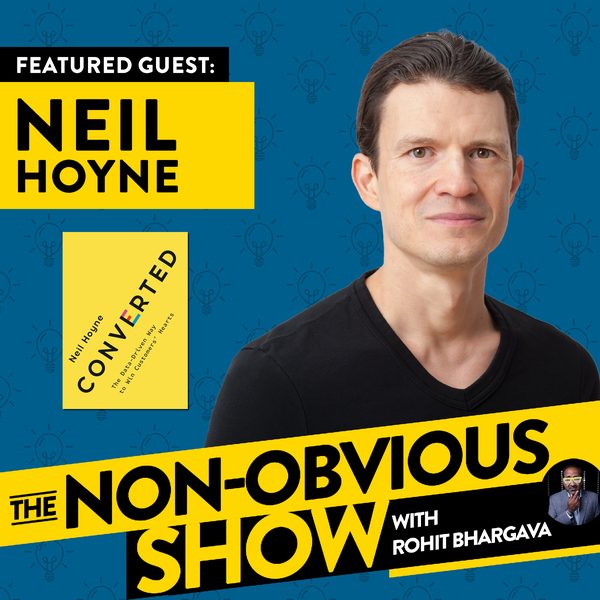
Neil Hoyne, Google's chief measurement strategist, on making data and measurement useful for people who dislike numbers.
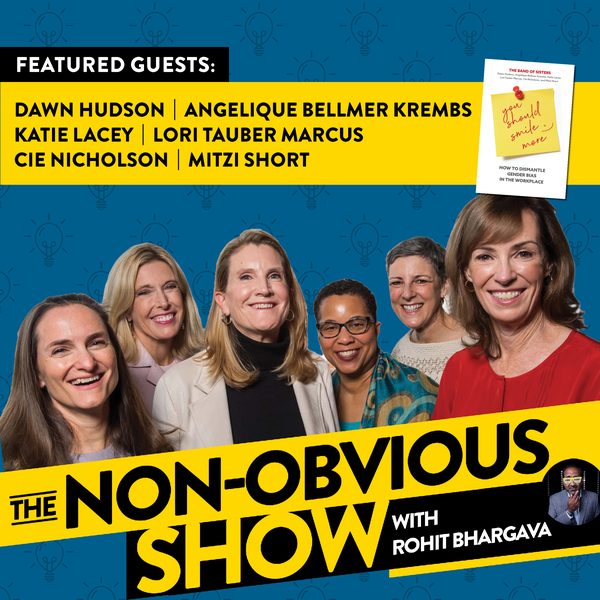
The Band of Sisters, a group of former senior executives, on countering gender bias in the boardroom.
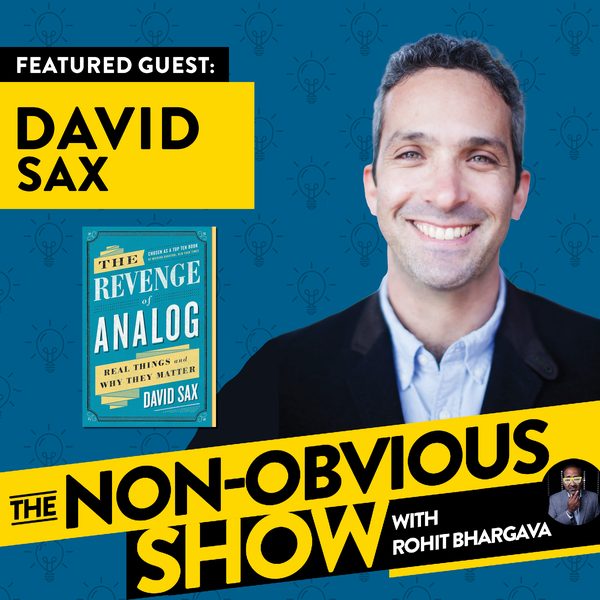
David Sax on why an analog future is a more human one, and the limits of digital life.
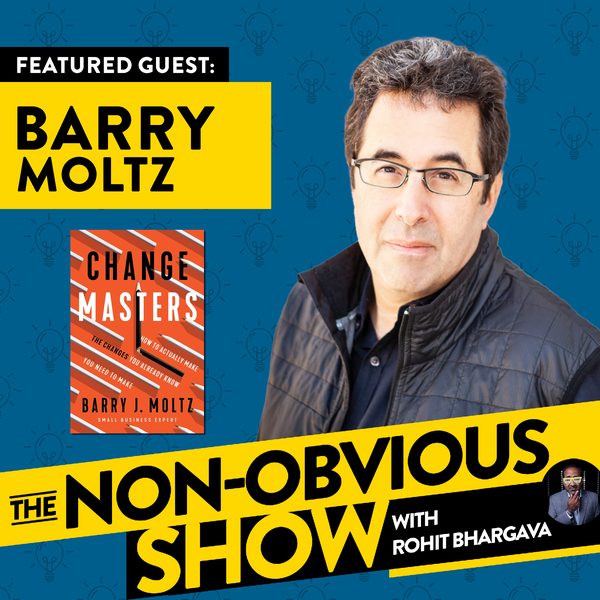
Barry J. Moltz on getting a stuck small business moving again through marketing, sales, cash flow, and productivity.
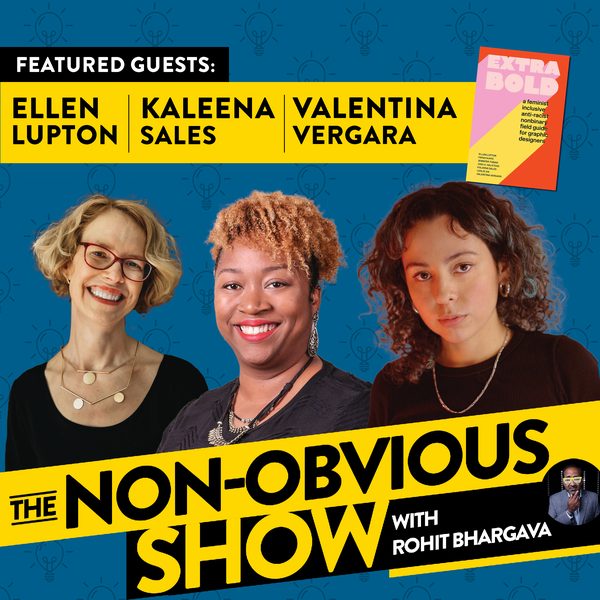
Ellen Lupton, Kaleena Sales, and Valentine Vergara on inclusive, anti-racist design and rethinking assumptions in graphic design.
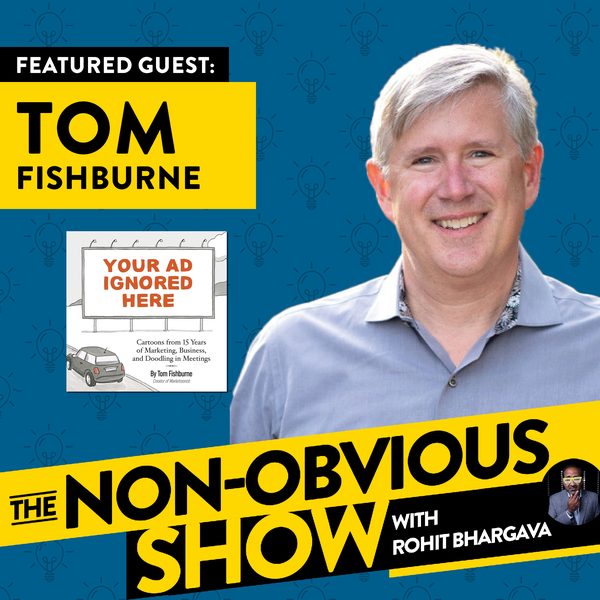
Tom Fishburne, the Marketoonist, on using cartoons and humor to find better marketing ideas.
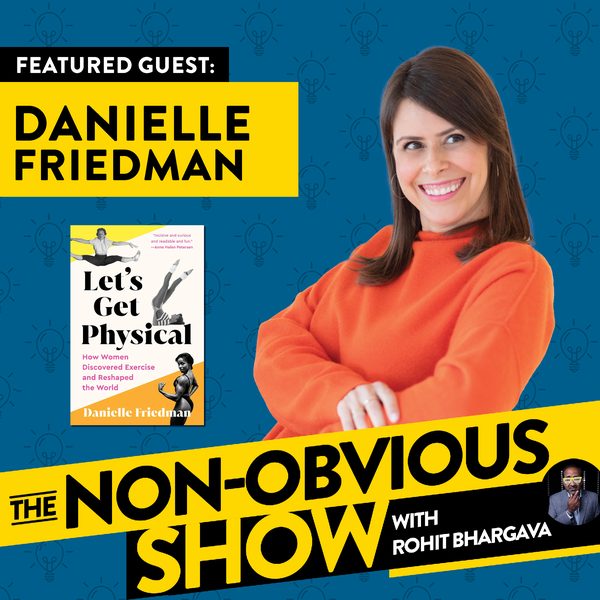
Danielle Friedman on the untold history of women's exercise culture and how physical strength became other forms of power.
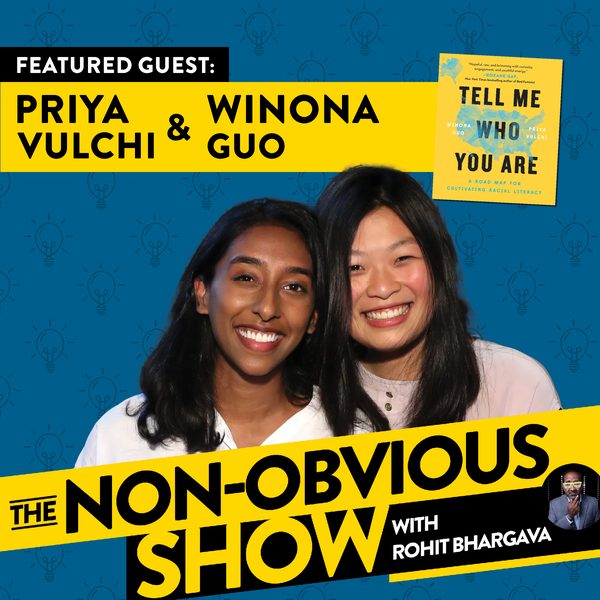
Priya Vulchi and Winona Guo on traveling to every state to get strangers talking honestly about race.
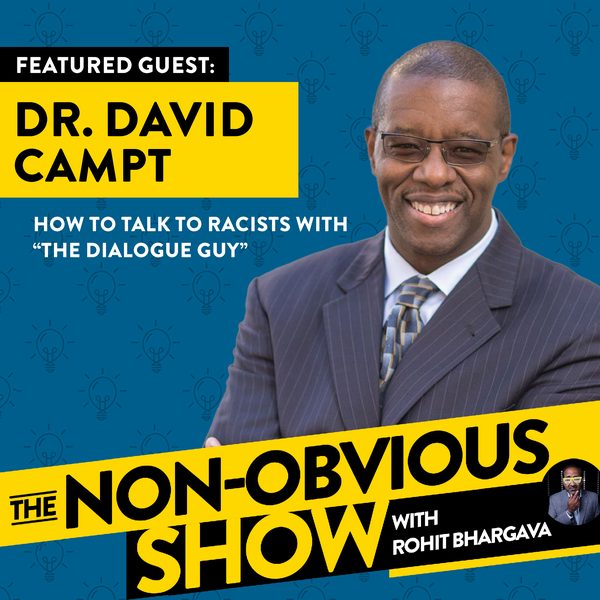
David W. Campt on how anti-racism allies can hold transformative conversations with people who hold racist views.
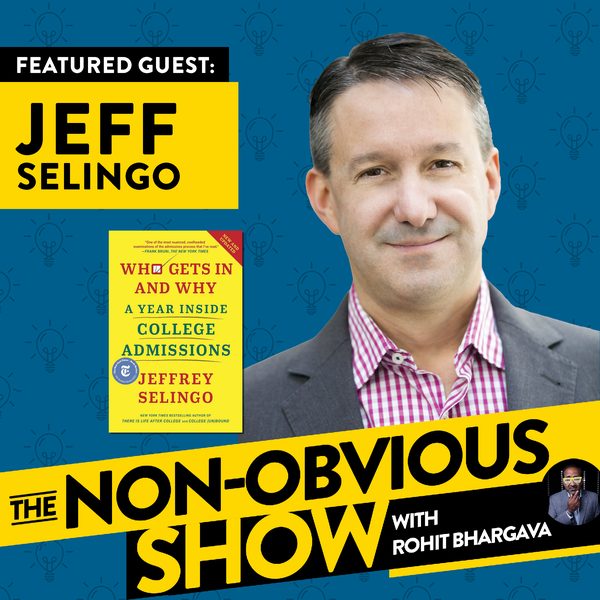
Jeff Selingo on what really happens inside college admissions offices.
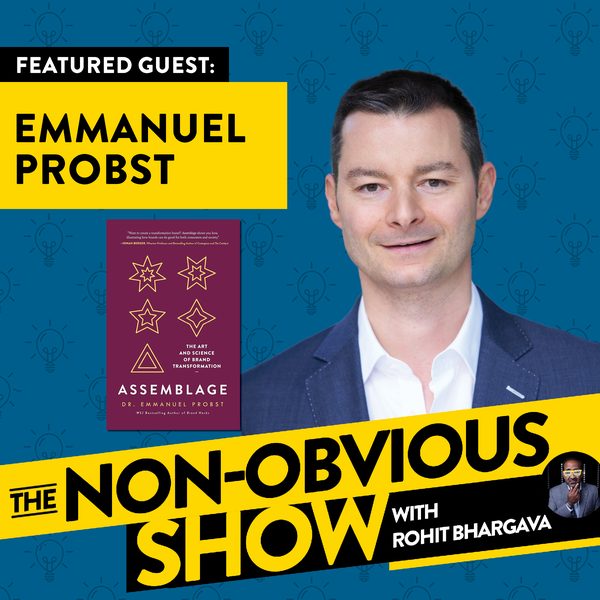
Emmanuel Probst on building an enduring brand and the mistakes marketers make along the way.
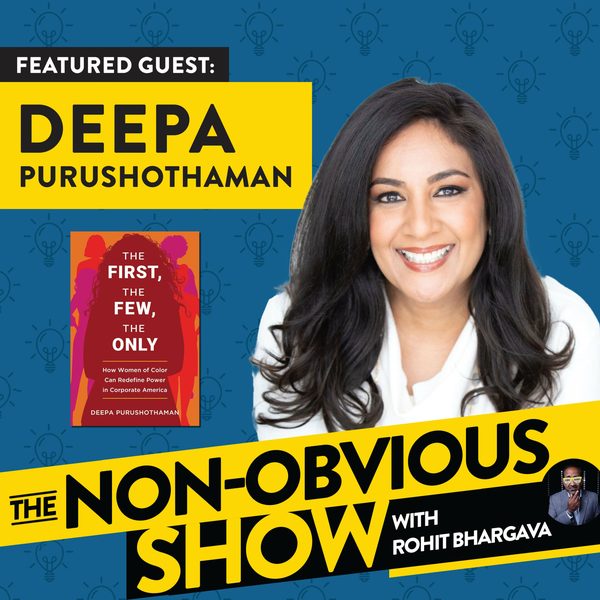
Deepa Purushothaman on supporting women in leadership and challenging the status quo of ambition, success, and power.
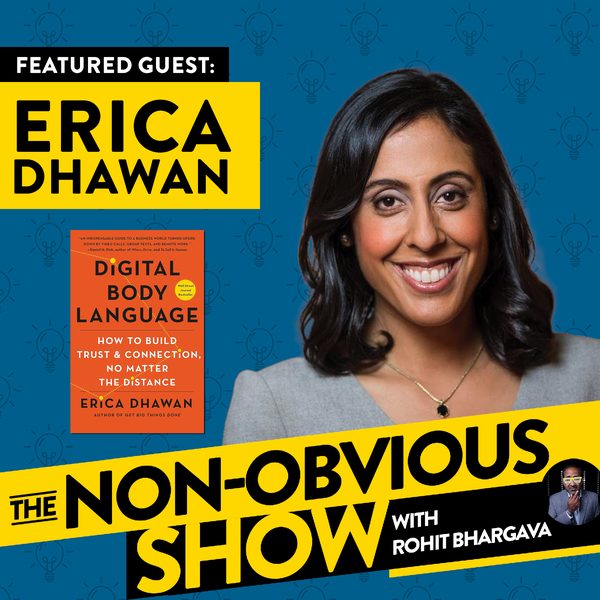
Erica Dhawan on digital body language and communicating clearly when most work happens on screens.
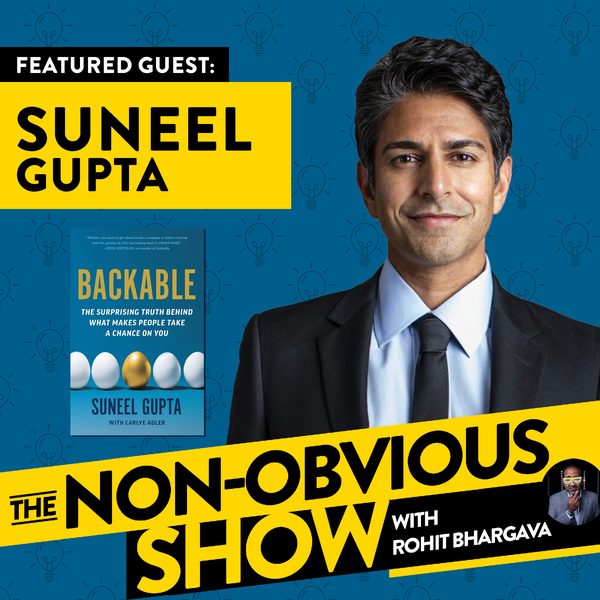
Suneel Gupta on how to get other people to back you and your ideas.
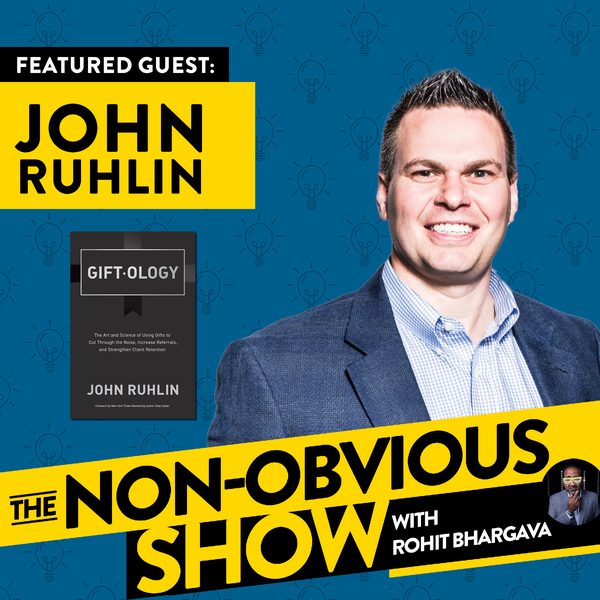
John Ruhlin on giftology, and how thoughtful gifts build lasting business relationships.
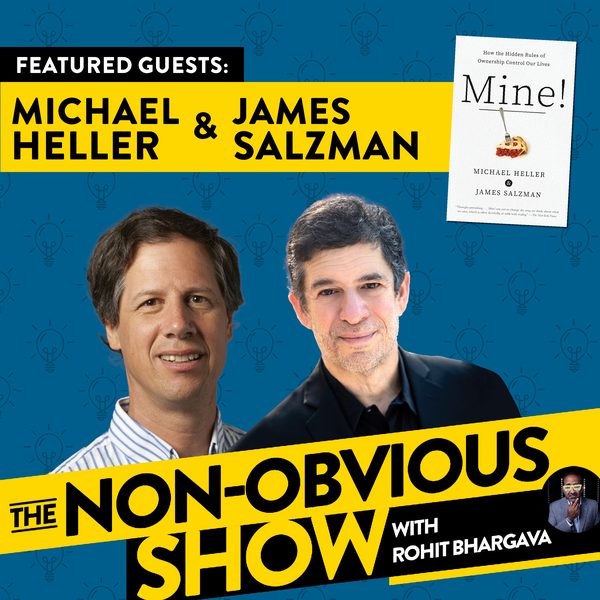
Michael Heller and James Salzman on the six simple rules people use to claim ownership of almost everything.
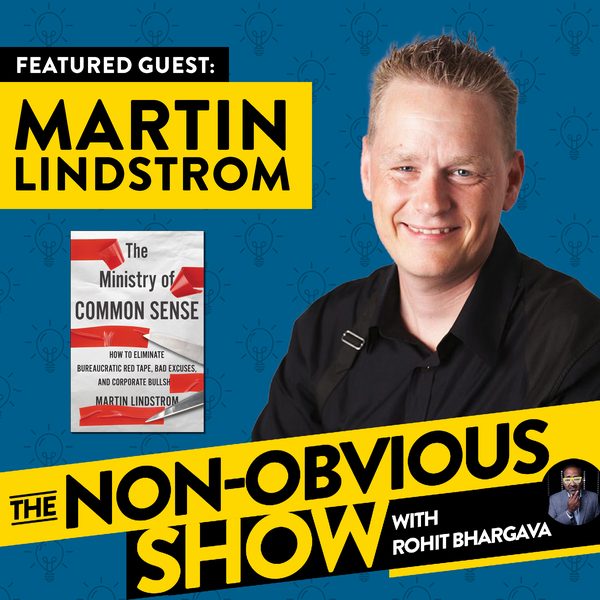
Martin Lindstrom on what has caused the death of common sense in business.
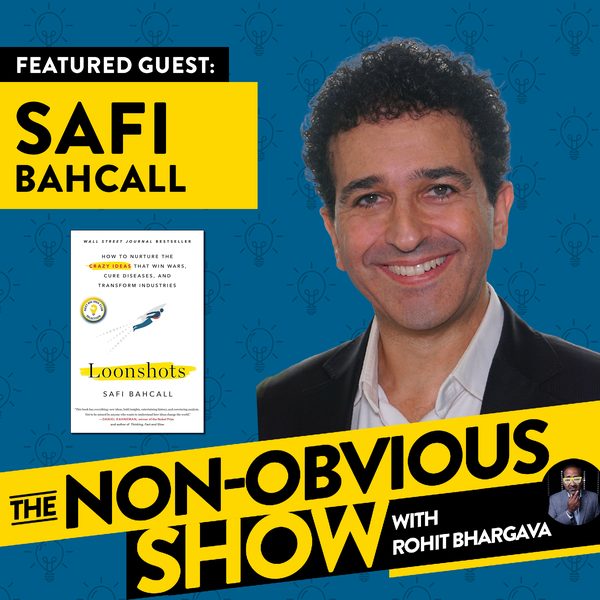
Safi Bahcall, author of Loonshots, on why collaboration is overrated. Originally aired December 2021.
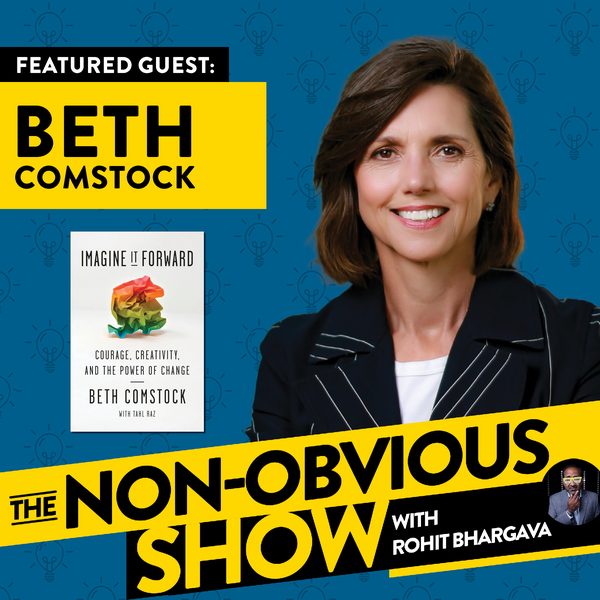
Beth Comstock on the power of outsider thinking and driving change inside big organizations. Originally aired November 2021.
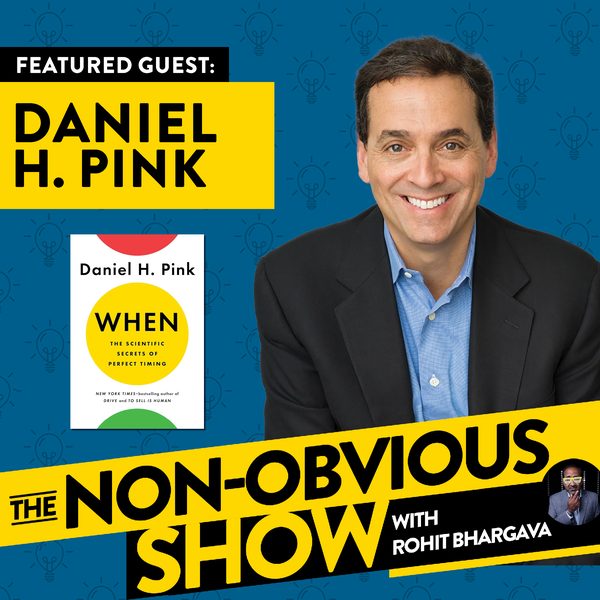
Daniel H. Pink on where big ideas come from and how to develop them. Originally aired September 2021.
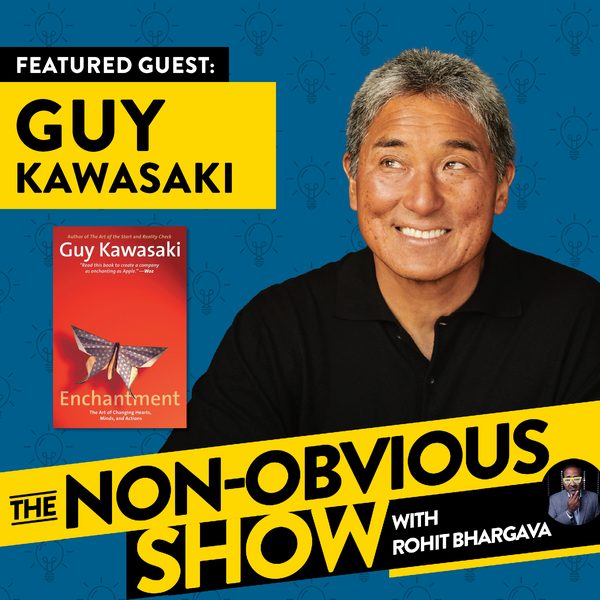
Guy Kawasaki, chief evangelist at Canva, on what makes someone remarkable. Originally aired October 2021.
New Episodes Weekly
