The Man Who Could Live Forever, the Year's Best Data Visualizations and Why I Am #nothumbled
What’s In This Issue?
This Week’s Main Stories
 Story 01The Man Who Thinks He Can Live Forever
 Story 02The Binge Blanket and More Of The Year's Best Data Visualizations
 Story 03Made A Relationship Tattoo Mistake? Tinder Has You Covered.
 Story 04Is AI Creating More Monoculturalism?
Even More Stories
- The New WGA Contract Will Change How Hollywood Works
- Think Twitter/X Can't Get Worse? Elon Musk Disables Option to Report Misinformation
- How Humans of Bombay Lost at Its Own Game
- SAP Announces Ambitious New Generative AI Assistant Joule
- The New American Classroom Has Bulletproof Windows and Safe Rooms
- Airbnb Is Offering a 'Real Life' Stay at Shrek’s Swamp in Scotland
- ChatGPT Might Ironically Save the College Essay Ghostwriting Industry
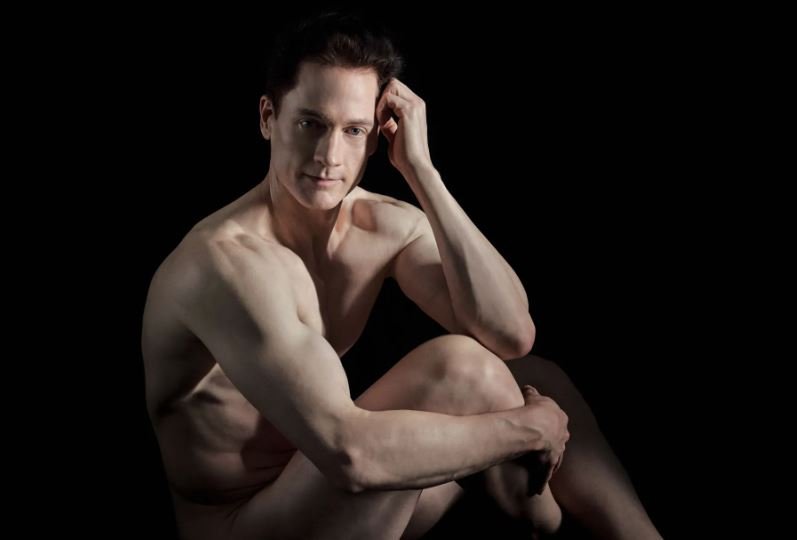
The Man Who Thinks He Can Live Forever
Bryan Johnson is technically 46 years old, but his biological age is eighteen. The life he leads to maintain this statistic has all the joy of an incarcerated monkey. For the past three years, he has built a life-extension system he calls Blueprint and combines extreme data collection with a mindset that considers eating a cookie or getting less than 8 hours of sleep as an "act of violence" against his body. The "system" for attempting to halt the aging process involves "downing 111 pills every day [and] sleeping with a tiny jet pack attached to his penis to monitor his nighttime erections."
If it seems extreme, the story of Blueprint and Johnson's life itself is meant to be. Most of us wouldn't accept this trade off. What's the point of living longer without indulgences, you might wonder? But human progress has always been fueled by the sacrifices of extreme thinkers like Johnson.
Unlike other ambitious scientists of the past, at least his experiments are mostly limited to his own body (and one true-believing female assistant). And it is conceivable that his efforts could unlock some tactics to help the rest of us add more healthy years onto our lifespans. So despite the strangeness of his life's work, I hope he keeps going and maybe finds a piece of the immortality he seeks. His success may one day be good news for the rest of us who would like to add a few more years without giving up those cookies.
The Binge Blanket and More Of The Year's Best Data Visualizations
Every year the Data Visualization Society considers hundreds of entries to select it's Information Is Beautiful Awards Shortlist winners. This years honorees include some fascinating entries such as an illustrated explanation of Russia's deportation of Ukrainians, a digital double infopoem "reflecting on the insanely specific and biased inferences algorithms make about us," and a graphic of plastic bag usage at UK supermarkets over a five year period.
Several projects took personal screen time or streaming entertainment data and chose to visualize that in some unusual ways. The Binge Blanket, for example, is a hand woven piece where "each thread of the yarn depicts an hour of the binge from a day in 2021 and the colour depicts the genre of the media viewed." Altogether the projects showcase not only how graphics can help us spotlight data that matters most, but also how visualized information can help us better understand ourselves.
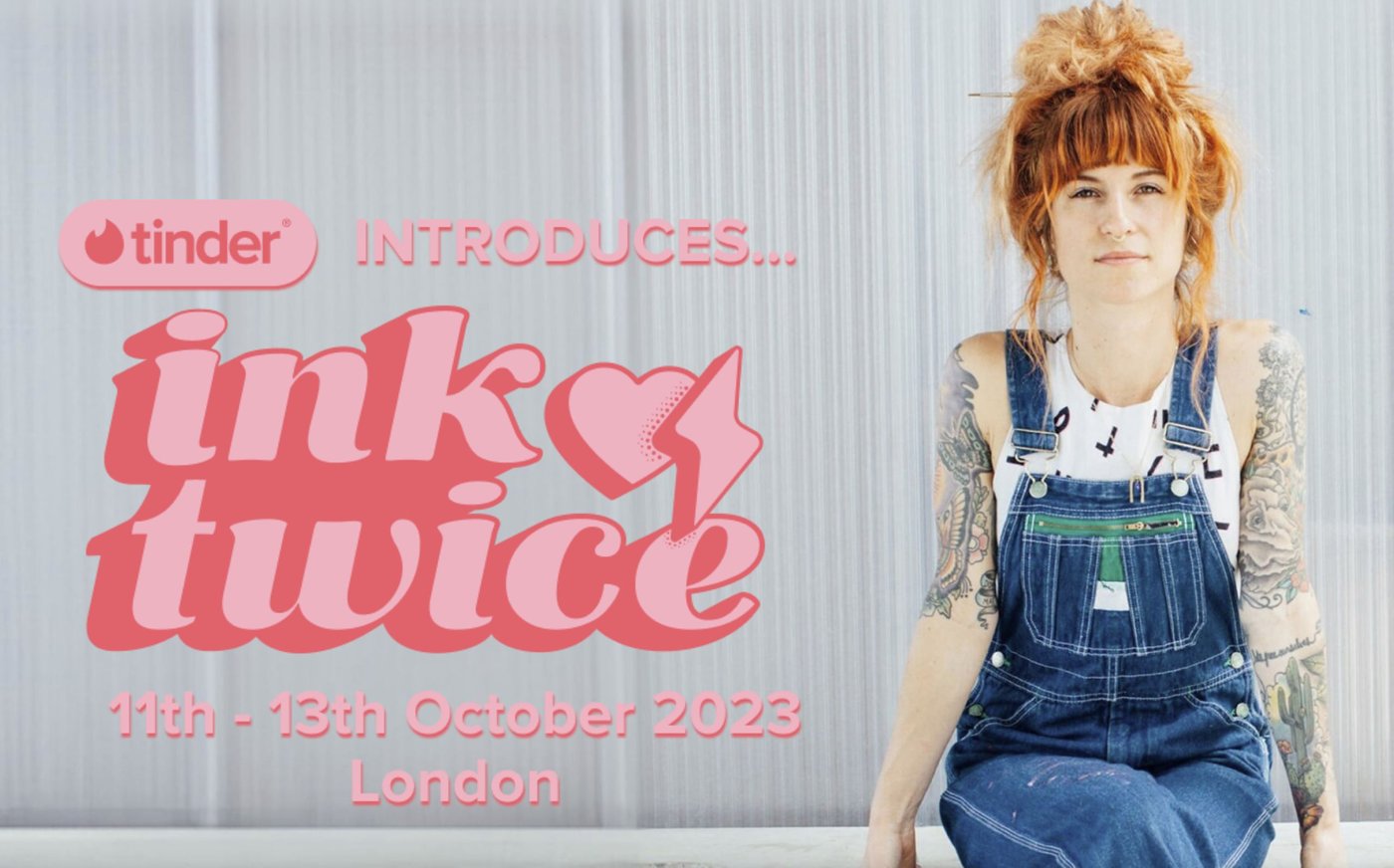
Made A Relationship Tattoo Mistake? Tinder Has You Covered.
Got a tattoo from a past relationship that didn't stand the test of time? For a few days in London, Tinder UK is hosting a tattoo studio takeover to help singles "start a new inked-up chapter in your dating journey" by turning those older tattoos into new art with new meaning. The beautiful underlying message of this campaign is that it's ok to put yourself out there to find love again.
Clearly, the whole thing is a promotion to get more people on Tinder, but it also happens to be based on a wonderfully empathetic strategy that might just help real people escape the lasting emotional scars from a past love lost. Before we get too complimentary about Tinder, though, it is also possible this is an extremely clever way to distract from the more controversial launch this same week of a $6000 per year Tinder Select membership tier that allows "VIP members" to send unsolicited messages to people they haven't "matched" with)--or as one article put it, a way for "people with no game to message randos."
Is AI Creating More Monoculturalism?
The opposite of multiculturalism is monoculturalism - a society in which there is only one acceptable religion, mindset or system of behavior. Academic researchers around the world have warned against the dangers of monoculturalism for years, from the "thick" national identity of Bulgarians to political shifts in Malaysia. In the world of agriculture, monoculture (also known as monocropping) has led to disastrous results.
Recently, tech commentator Shelly Palmer shared his own reflections on whether AI has the potential to dramatically accelerate humanity's shift towards monoculturalism by threatening "the rich tapestry of human expression." The more decision-making we cede to smart algorithms, the closer to this potential future we might get. Interestingly, it's an article he first wrote several years ago - but his core argument is certainly worth re-reading today:
"I can imagine a world filled with digital monocultures, isolated from one another by feedback loops ... as a few artificial intelligences strive to algorithmically optimize our lives, it will be at the cost of our incredibly bad human decision-making. Which I’m sure we’re going to miss."
