Fat Bear Week, 7 Tips for A.I. Marketing and the Dangers of Plastic Cutting Boards
What’s In This Issue?
This Week’s Main Stories
 Story 01Welcome to Fat Bear Week, Which Is Exactly What It Sounds Like
 Story 02Why You Should Stop Using Plastic Cutting Boards Right Now
 Story 03How Blamevertising Explains The Modern American Healthcare Crisis
 Story 04Sam Altman is the Oppenheimer of Our Age. This Is His Story.
 Story 05Scientists Have Mapped "Zealandia": Earth's Sunken 8th Continent
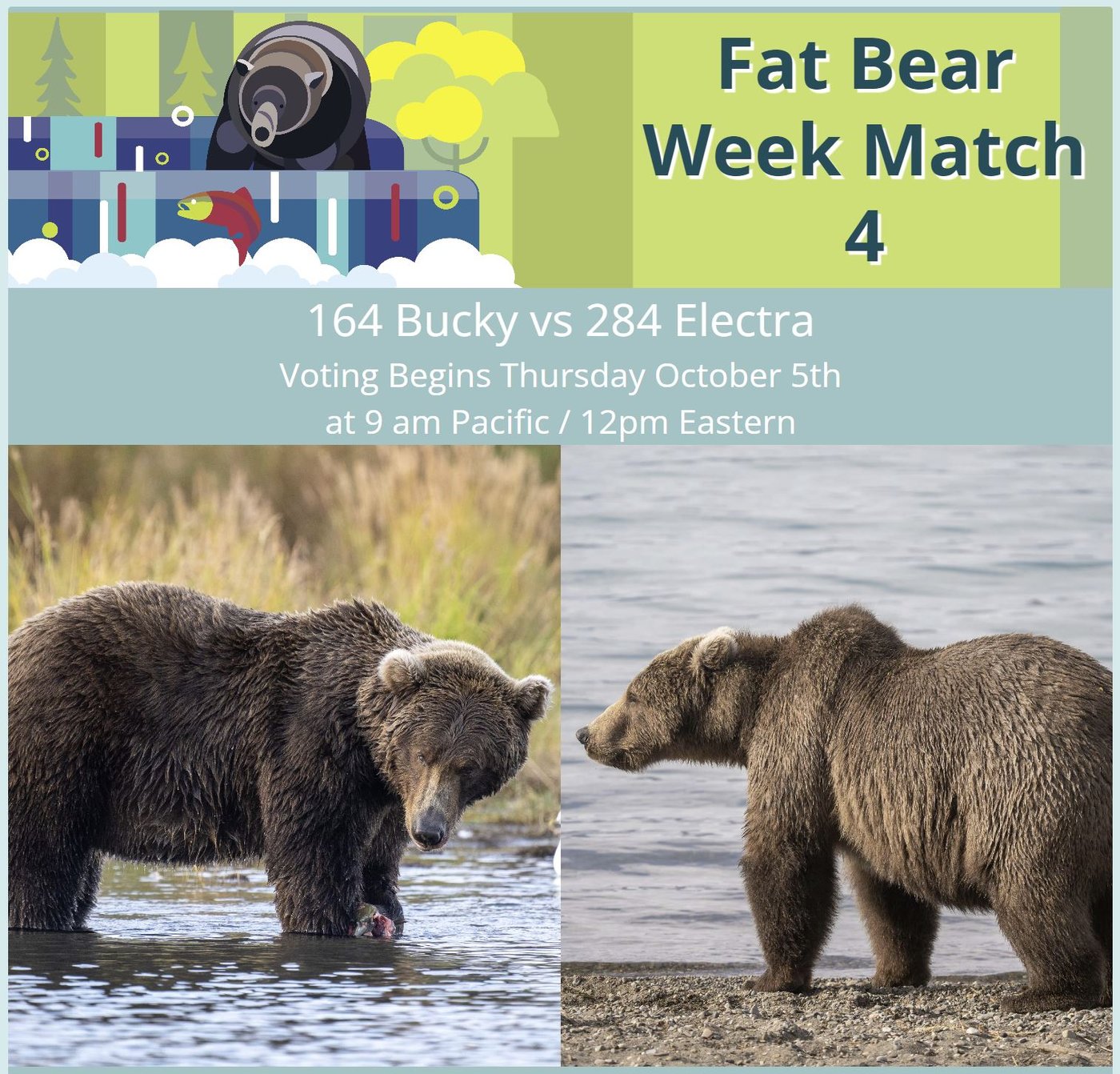
Welcome to Fat Bear Week, Which Is Exactly What It Sounds Like
"Think of Fat Bear Week as a March Madness meets Nathan’s Famous Hot Dog Eating Contest." That's the way one article describes the annual habits of 12 brown bears in southwest Alaska’s remote Katmai National Park and Preserve who will spend the next week gorging on about 40 salmon a day as they prepare for their winter hibernation. You can watch their feasting in a live cam from Explore.org and there is even an entire competition bracket with matches between bears to see who can eat the most fish and become the "fattest bear."
It's a fun way to bring nature to life, spread more empathy for the future of these animals and provides a great learning aide for teachers. Based on the name alone, my money's on Electra.
Why You Should Stop Using Plastic Cutting Boards Right Now
Here's a disturbing home experiment for you. Find a plastic cutting board in your kitchen and run your finger over the surface of it. As an article about a new study from researchers at North Dakota State University explains, "each ding represents a degradation of the material. And that material has to go somewhere." So each time you chop food, it's possible you're releasing thousands of little specks of microplastic ... which all end up in your food.
After reading this study, you'll probably want to get rid of all those plastic cutting boards and switch to wood immediately. Especially given the disturbing new findings about the worldwide abundance of microplastics and concerns over how they might negatively impact our health.
How Blamevertising Explains The Modern American Healthcare Crisis
The industry trade group that represents the Pharma industry (PhRMA) is running a series of attack ads on "middlemen" - blaming Pharmacy Benefit Managers (PBMs) for high drug prices, suggesting they are making record profits by pocketing the discounts they are supposed to negotiate on behalf of patients.
In response, the Pharmaceutical Care Management Association who represents the PBMs has launched attack ads of their own. The trade group for insurance plans, AHIP, is involved too and long running advocacy ads from large groups like the AARP complete the picture.
This multi-player "blamevertising" fight perfectly sums up the battle over high prescription drug costs in America: everyone blames someone else making it hard to know who to believe. For a more balanced look at this fight, you can try reading this NPR article. After you do, at the very least you'll understand why no one seems to have a solution for this impasse yet. When everyone blames everyone else, perhaps the real truth is that the current reality is all of their faults.
Sam Altman is the Oppenheimer of Our Age. This Is His Story.
For all the talk of A.I. the man behind the biggest open platform has received relatively less attention. This profile was really the first detailed look I had seen of a man who the article suggests may become the " Oppenheimer of our age ." The reference, of course, is to the man who invented the atom bomb and famously quoted the Bhagavad Gita to suggest perhaps he himself had " become death, destroyer of worlds ."
In Oppenheimer's case, his invention was the source of a lifelong moral dilemma. Comparing Altman to his legacy may seem premature, or it may seem completely on target. Either way, this longer profile is a worthwhile read of someone who may indeed one day be judged by history as Oppenheimer continues to be.
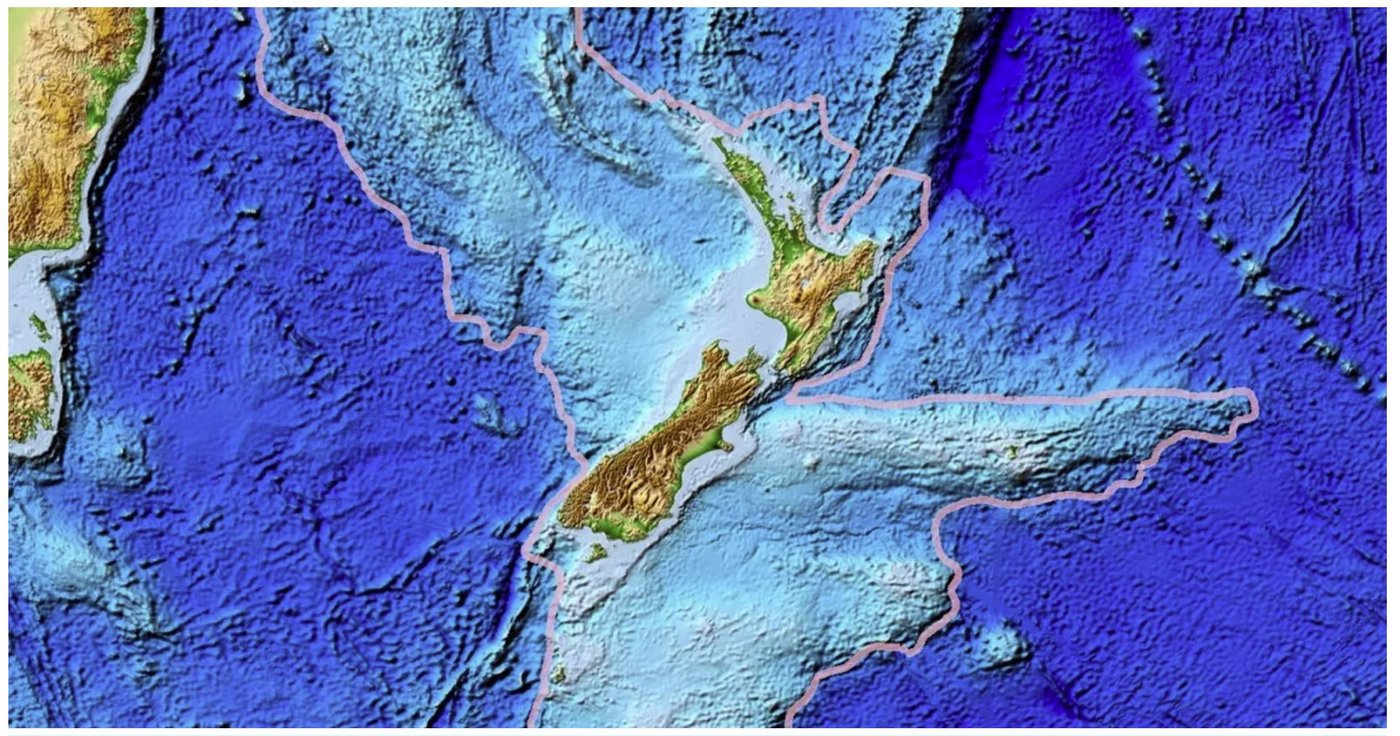
Scientists Have Mapped "Zealandia": Earth's Sunken 8th Continent
It seems New Zealand may be just the tip of a lost two million square mile continent that a new study in the journal Tectonics proposes is Earth's mostly-submerged eighth continent. Not to be lumped together with Australia as New Zealand currently is, "Zealandia is distinct from the continent of Australia in spite of their relative proximity."
The scientists behind the study also offer a reminder that New Zealand and its neighboring island cluster, New Caledonia, "have never been regarded as part of the Australian continent, although the geographic term Australasia often is used for the collective land and islands of the southwest Pacific region."
While this area has been studied since 2017 and yielded a "treasure trove of fossils," the new research proposing it as an 8th continent is relatively new. If the debate about planets in our solar system (Pluto vs. Planet X) is any indication, this discovery may too spark a century-long argument.
