Licking Rocks, Shaming Marketing Agencies, Cocaine Hippos and Glow-in-the-Dark Houseplants
What’s In This Issue?
This Week’s Main Stories
 Story 01Necrobotics, Electrified Chopsticks and Other Winners of the 2023 Annual Ig Nobel Awards
 Story 02How Bottled Water Took Over the World
 Story 03Coming Soon: Glow-in-the-Dark Houseplants
 Story 04Can Shaming Agencies Create a Talent Rebellion Against "Unworthy" Brands?
 Story 05The Curious Quandry of Columbia's "Cocaine Hippo" Epidemic
Even More Stories
- Anti-Consumerism Subscription "Nothing" Literally Offers Nothing For $8 Per Month
- Research Proves that Chasing Hobbies Over Achievement Boosts Happiness
- Inside Deion Sanders' Sunglasses Deal and How Sales Exploded This Week After Criticism
- How India Invented the Nose Job
- Jamais Vu Is the Often Forgotten "Eerie" Opposite of Deja Vu
- Google's Former CEO Is Leveraging His $27 Billion Fortune to Shape AI Policy
- Scientists Have Coined a Devastating New Term for Not Being Able to See the Stars at Night: Sky Grief
Necrobotics, Electrified Chopsticks and Other Winners of the 2023 Annual Ig Nobel Awards
You might be tempted to lump the Ig Nobel Awards in with the Darwin Awards as simply a celebration of human stupidity - but it's much more. Back in 1991 they were created to honor "achievements that first make people laugh and then make them think." The award ceremony has the memorably brilliant requirement that experts "explain their work twice: once in 24 seconds and the second in just seven words." The entire program feels like both a parody of the Nobel Prize, and a celebration of human curiousity. This year's award recipients are a quirky bunch.
In mechanical engineering, scientists experimenting with "necrobotics" found a way to reanimate dead spiders to turn them into claw-like gripping devices. Try not having nightmares after seeing the animated GIF of this one. Other award recipients included a team trying to augment the flavor of food by electrifying chopsticks, paleontologists who actively lick rocks, analyzing urine streams by sound (known as "sonouroflowmetry"), measuring the effect of the sexual activity of anchovies on ocean-water, and learning about brain processing by studying a town in Spain where residents are proficient at speaking backwards (word inversion).
Reading all these winners is like taking a tour behind the scenes of the quirky things some people choose to pay attention to. These are non-obvious ideas and the world needs more of them. So congrats to all the Ig Nobel Prize winners. We all celebrate your unique contributions to the world of science. Except that spider necrobotics team. I'm having a hard time unseeing that one.
How Bottled Water Took Over the World
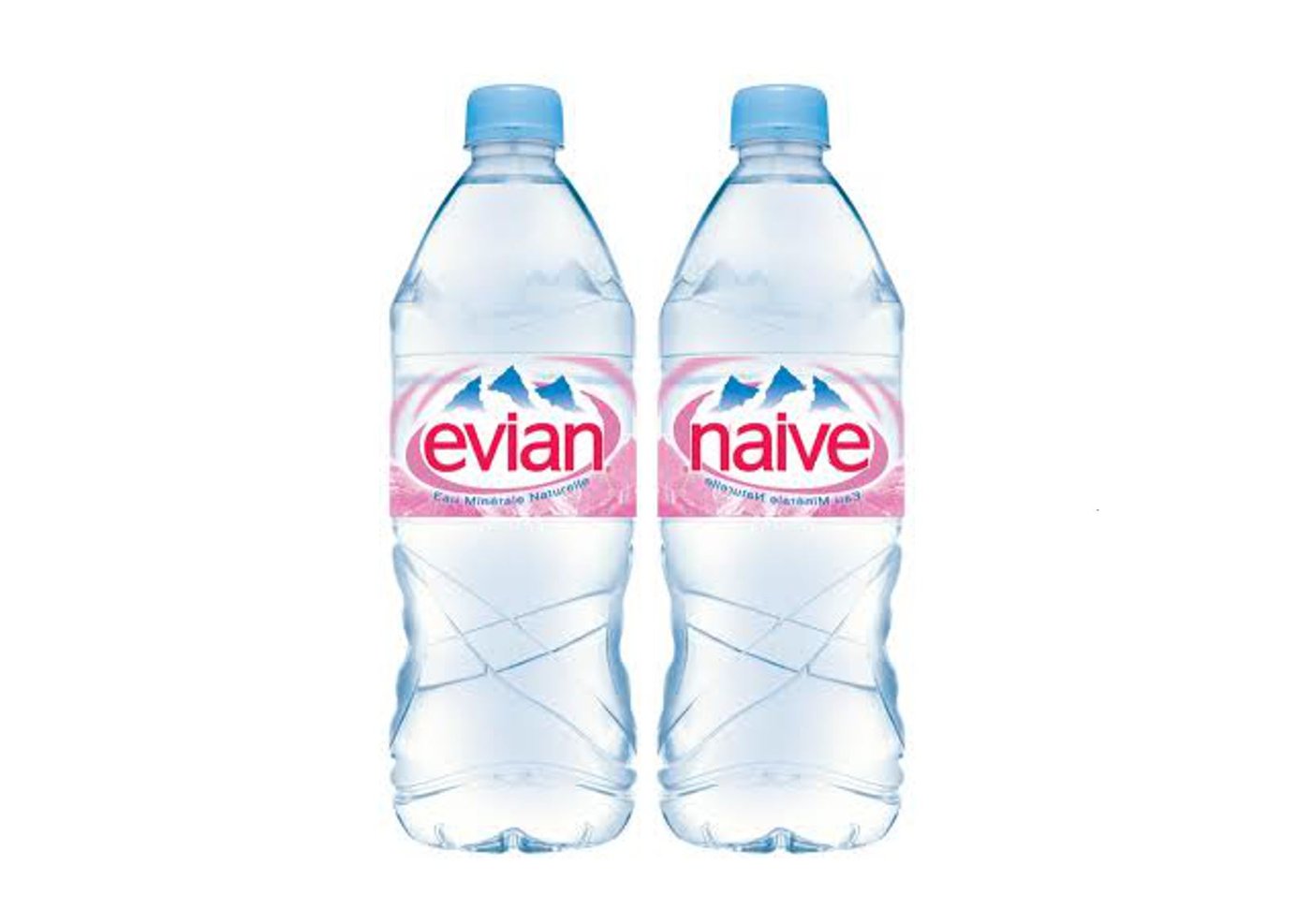
In case you're wondering who to blame for the popularity of disposable water bottles and the environmental catastrophe they have fueled - you could start with Perrier, the brand that first launched the craze in 1978 with a huge advertising campaign in the US. But reducing it down to a single villain brand wouldn't tell the whole story. The history of the rise of water bottles is much more complex and that story is explored in a new book called Unbottled which details how water bottles have "exacerbated inequality and intensified pollution." The core focus of the book centers on one fact and one perception.
The Fact: "The share of U.S. bottled water that comes from public tap water systems soared from one-third in 2000 to almost two-thirds in 2017."
The Perception: "The proportion of Americans reporting they were extremely concerned about drinking water pollution rose from 32% in 1973 to 66% in 1988, and it has since risen as high as 80%."
So most bottled water companies are selling tap water while simultaneously fueling and benefitting from the perception that tap water is contaminated or less suitable for drinking. It's no wonder selling bottled water is considered the "marketing trick of the century."
Coming Soon: Glow-in-the-Dark Houseplants
Last month on a visit to Orlando I took a journey outside the Disneyfied areas to do a bioluminescent kayaking tour and it was magical. Bioluminescence is a phenomenon that looks otherworldly, unpredictable and symbolizes the wonder of nature itself. It also feels scarce; something that can only be experienced if you're willing to travel to far flung destinations ... but imagine if it wasn't.
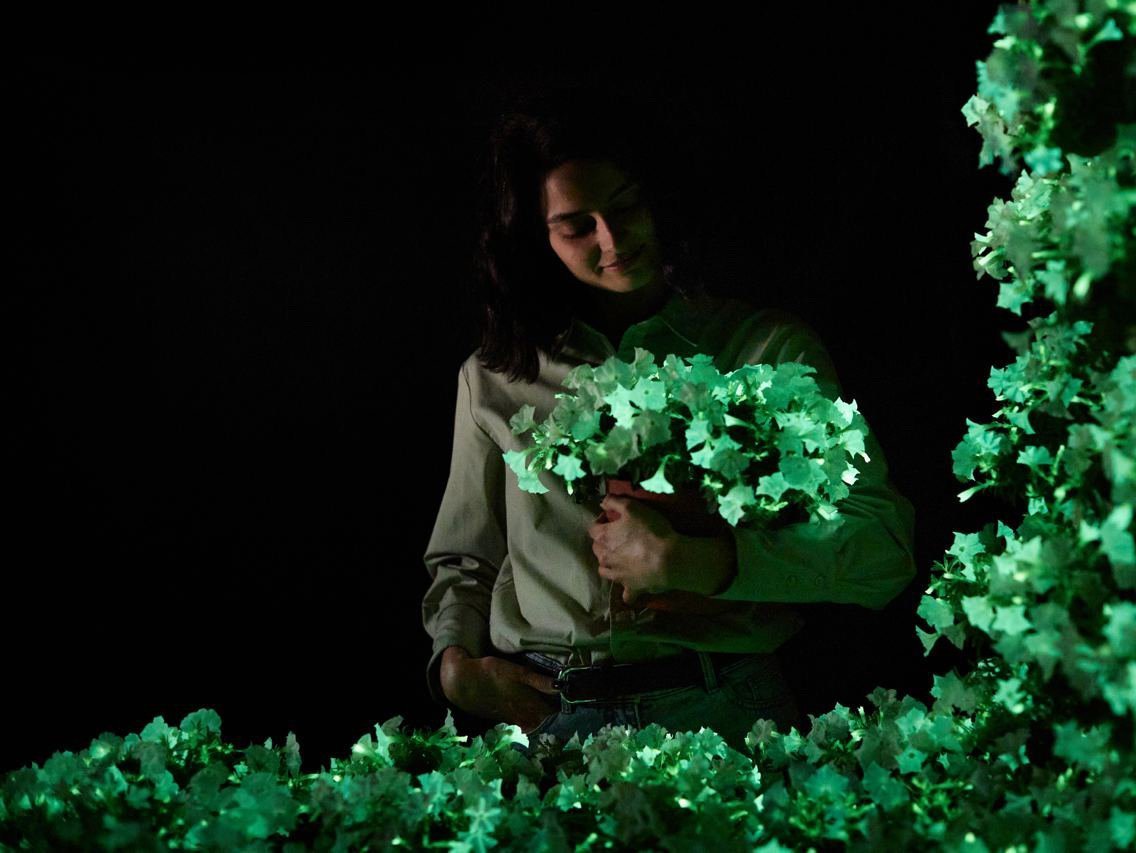
A startup called Light Bio just got permission from the USDA to sell a glowing bioluminescent petunia in the United States (they call it the "Firefly Petunia") and expect to start shipping early next year. Their breakthrough involves infusing plants with the genes that make enzymes which produce the glow-in-the-dark effect, an innovation that many have tried and failed to do over the years. The company already has a waiting list reported to be more than 10,000 names long, but that didn't stop me from signing up. If and when I finally get a shipment, I'll be sure to share a video of it.
Can Shaming Agencies Create a Talent Rebellion Against "Unworthy" Brands?
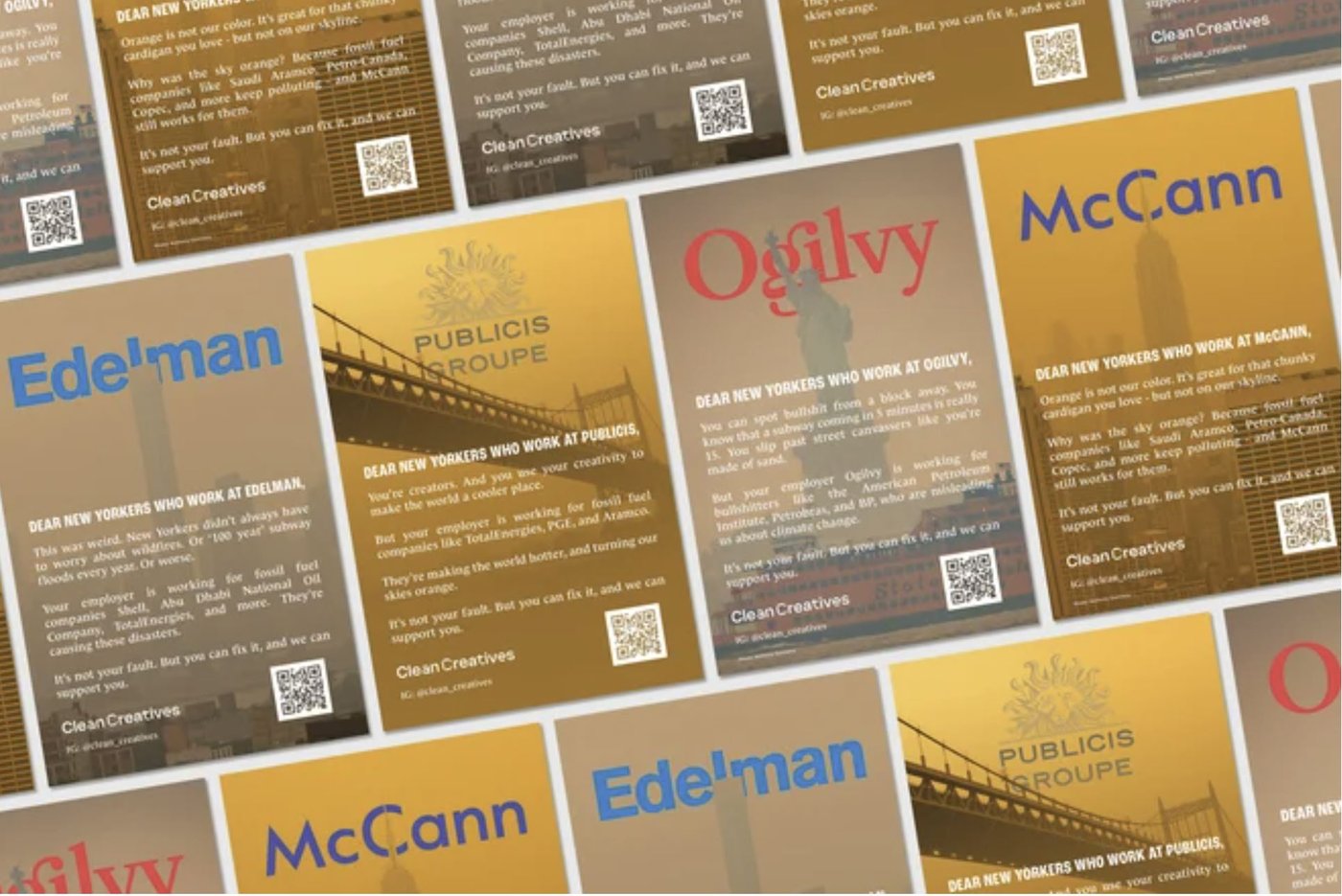
A environmental activist group that call themselves Clean Creatives is "once again calling out ad agencies that have contracts with fossil fuel companies in a series of billboards across New York." The strategy behind this makes sense: shame creative professionals to pressure them into not taking work with certain companies and create a talent drain. The problem is, it is a tough sell.
The main reason is because when you work on these sorts of campaigns, your brain manages to find the nuance that allows you to believe that you're not actually doing evil. From my days working in major global agencies, I remember that this usually comes down to one of four justifications:
- There are others doing more evil than us.
- The only way to make a change is from the inside.
- The truth is more nuanced and people don't know the whole story.
- The evil is coming from a different group than the one we work with.
The insulating effect of these mental arguments cannot be underestimated. The human brain will refuse to allow us to see ourselves as an immoral villain. The end result is that good people willingly continue working on communications for less ethical brands to tell the story they already believe.
The good news is, the team at Clean Creatives seem to understand this. After talking about how fossil fuel companies are making the world worse, their billboard ends with this call to action: "It's not your fault. But you can fix it, and we can support you." It's a message that doesn't force someone to confront their own sense of self. Instead it aims to inspire big and small acts of rebellion -- which does have a chance of working.
The Curious Quandry of Columbia's "Cocaine Hippo" Epidemic
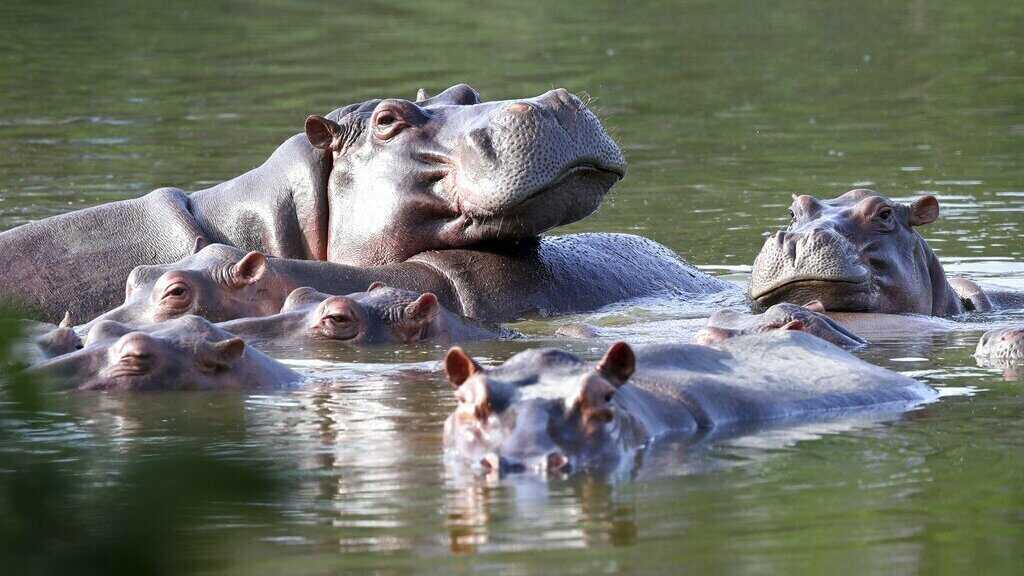
What happens when a drug lord decides to indulge his love of an exotic African animal? In the case of famous Colombian drug lord and cocaine kingpin Pablo Escobar thirty years ago, this led to four hippos getting imported from a wildlife park in Texas as part of his own private "Noah's Ark" filled with animals from around the world. Then he got arrested.
The hippos, left on their own, began to thrive. With no natural predators, ideal weather conditions and plentiful food, today the hippos have become a major problem in Colombia. Currently, they number between 90 to 180 animals (no one knows the actual figure) and by most accounts the numbers of Escobar's "cocaine hippos" are continuing to rise. In Africa, they are known to be one of the more deadly animals and in Colombia they can dramatically alter an ecosystem based on how much they eat and how much they poop.
Altogether the story of these hippos is such a random combination of things that it would probably make a good movie. I mean, someone gave the green light to make a film about a bear who actually did cocaine so maybe this isn't so far fetched ...
