Retailers Remove Self Checkouts, YouTube's Big News and Replacing Dating Apps
What’s In This Issue?
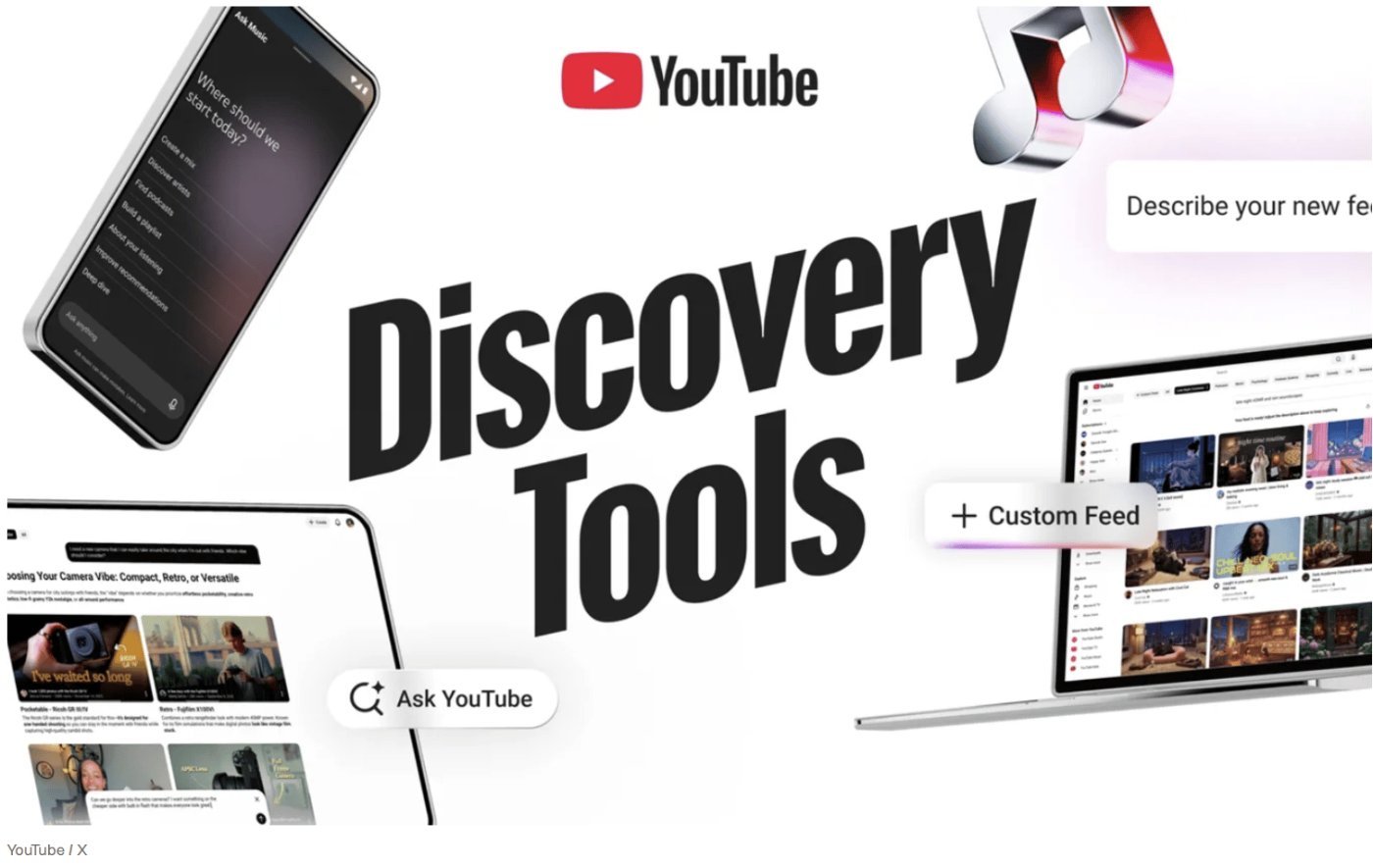 Story 01YouTube's Big Announcement Might Change How Everyone Shops
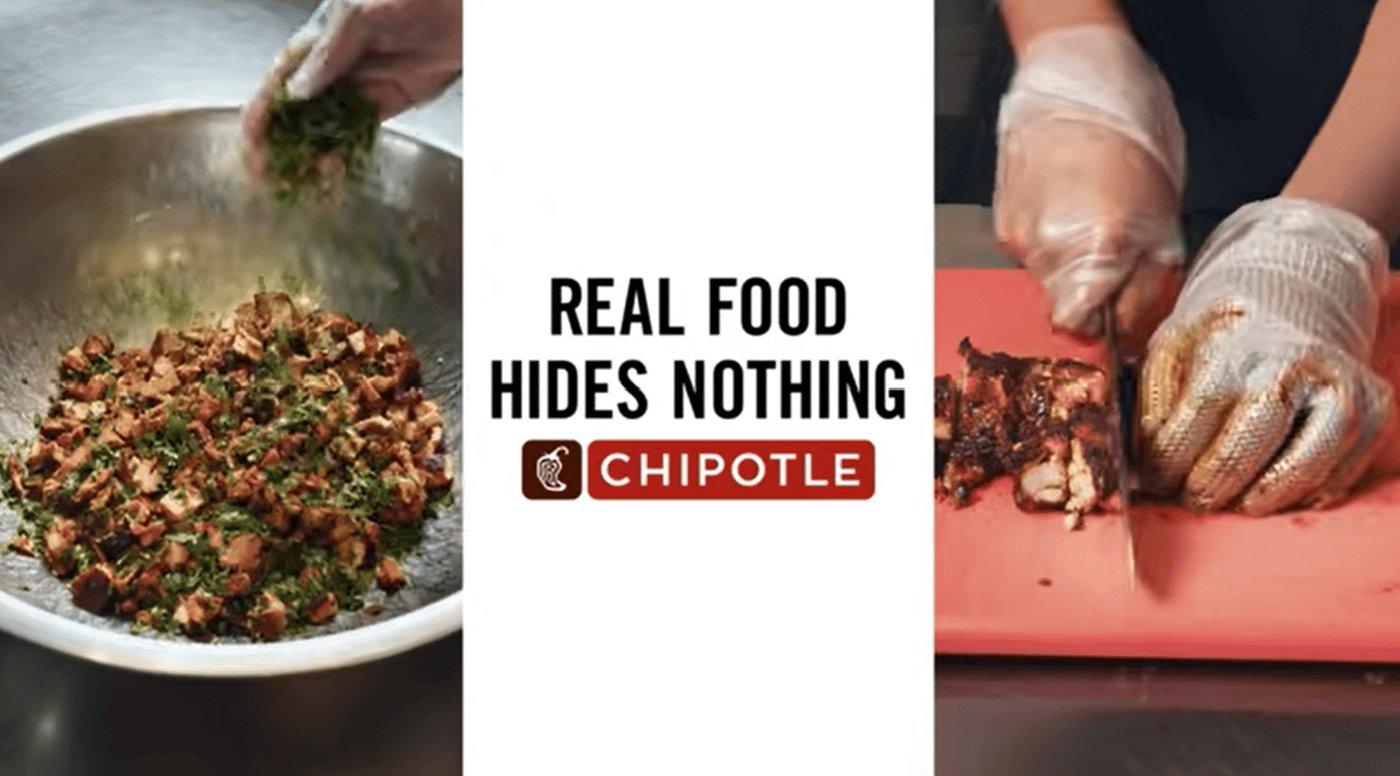 Story 02Chipotle Has Figured Out the Marketing Strategy of the Future
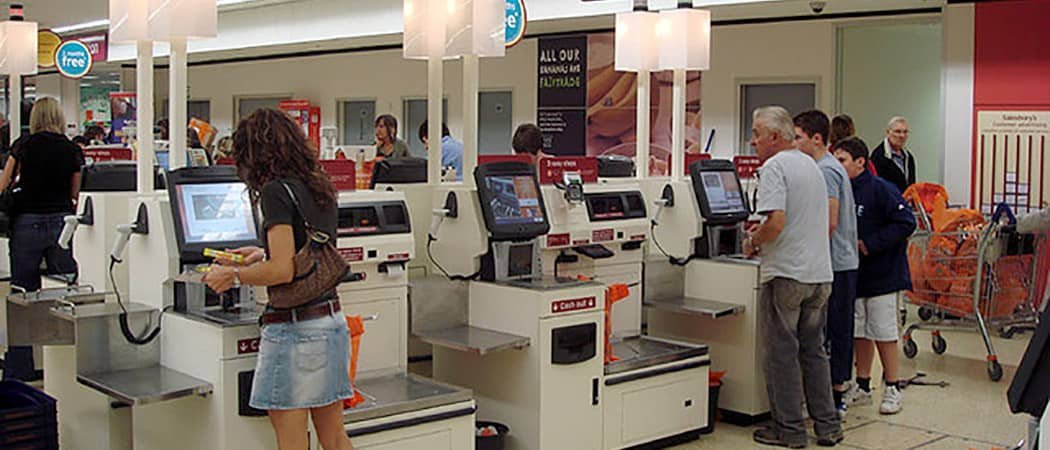 Story 03The Rethinking of Self-Checkout and the Tech Optimism Cycle
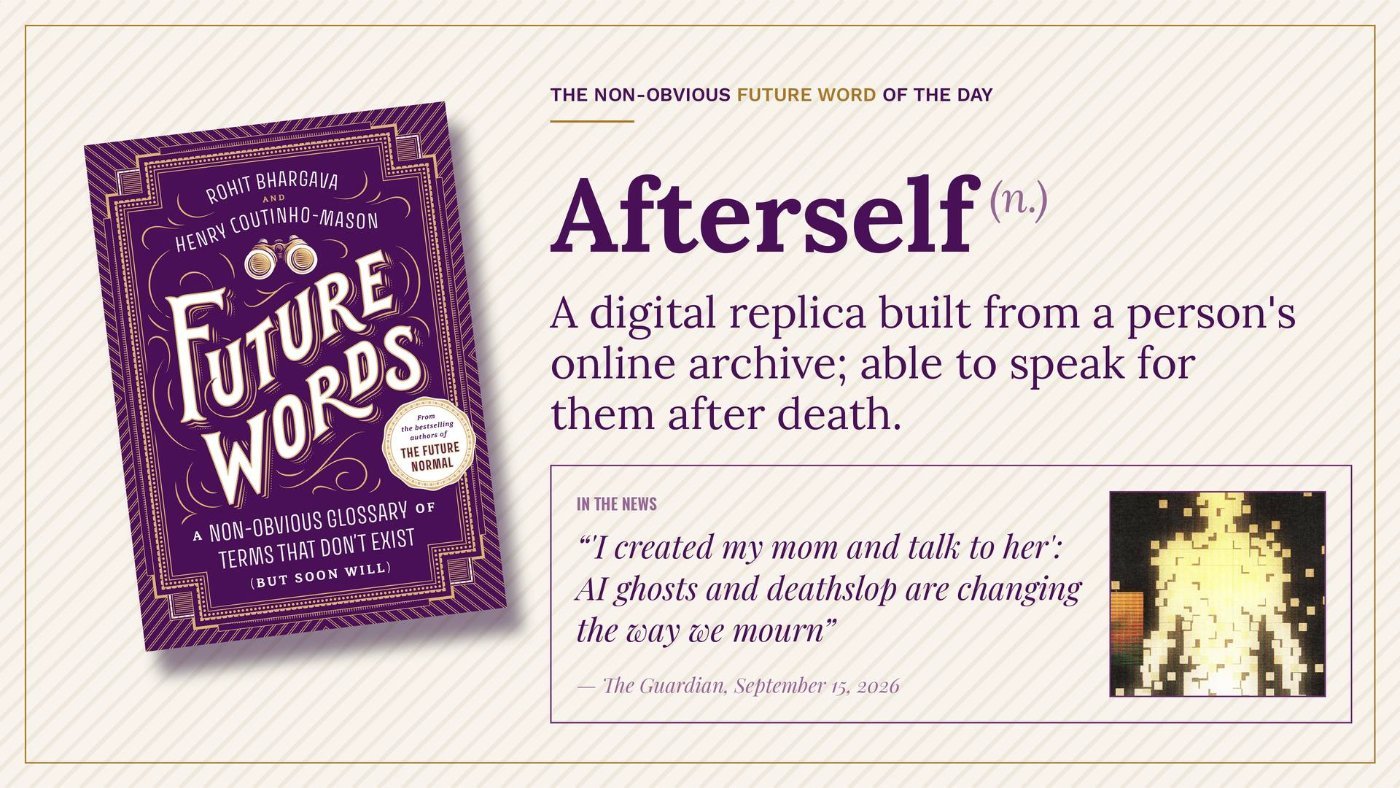 Story 04Afterself
 Story 05Disrupters at the Gate
Even More Stories
- 'Buy Canadian': Meet the Consumers Boycotting American Products as Trade Rift Widens
- Google Mapped a Fruit Fly’s Brain. Now It’s Playing Doom and Super Mario 64
- Ernst & Young to award $100 million in bonuses for employees who show people skills
- Patients are bringing AI to therapy - Highlights from the 2026 Chatbots and Mental Health Survey
- Media Briefing: Publishers are rebuilding their newsrooms for the post-Google era [Subscription Required]
- AI agents aren’t ready to replace humans in behavioral research
- Dating Apps Are Dead. Here’s Where Singles Are Meeting in 2026.
Media Recommendation
 Vulture
YouTube's Big Announcement Might Change How Everyone Shops
If you're a fan of the YouTube rabbit hole, managing your screen time might get a little harder. At the Made on YouTube event this past week, the platform made several announcements for features that will change the experience of browsing videos and perhaps the way many products are evaluated and purchased too:
Soon, you can design your own unique homepage feeds using conversational prompts like "Witty podcasts for my daily 30-minute commute," “Evening wind down with long documentaries,” or "Help me discover new DIY creators," tailored to whatever mood or interest you like. You can save multiple custom feeds to your home screen that update automatically with fresh recommendations. We’re also expanding Ask YouTube to be your product recommendation guide, and introducing new ways to explore your favorite artist or discover new podcasts for your commute.
As part of this announcement, the product recommendation guide aspect could become a game changer in many ways. For me, every time I'm making a more considered purchase such as a 4K camera for my home office or a full function espresso machine - I already turn to YouTube videos. Creators there help compare various products, do extensive reviews and offer their expertise on demand. Usually, the process involves creating my own playlist and saving or sharing multiple videos to compare. Now YouTube is making that process more seamless, and it could transform the relative importance of influencer marketing as a key element of how certain products are discovered and sold.
In addition, the idea that custom homepages can be generated by mood or topic means that videos uploaded to YouTube will need to be extensively optimized to ensure they show up on these user-generated, curated homepages. If you're a big YouTube user, do you like these changes and will you use them? Hit reply and let me know.
Chipotle Has Figured Out the Marketing Strategy of the Future
This isn't exactly a new playbook, but Chipotle launched a new campaign where they invite 100 influencers into their kitchens at locations across the US to see how the food gets made and create their own videos. The predictable tagline is all about how their "real" food has nothing to hide. At the same time, Burger King is heavily promoting their "new" chicken nuggets made with 100% white meat (maybe don't ask what they were made of before). Meanwhile Arby's is promoting their steak nuggets as more real because they don't come in "silly shapes." This war to declare themselves as more real than their competitors may be playing out among QSR restaurants right now, but it's a fight that will soon extend to many other industries as well.
As consumers feel more overwhelmed by the fake and overly processed, the battle to be a brand that is more real, authentic and human continues to be more fundamental. Now that the submissions are rolling in for this judging season of the Non-Obvious Book Awards, I am seeing this same trend echoed in multiple books. It's becoming so common that I'm thinking about creating a compilation of campaigns around this topic and publishing a bigger roundup. For that, I'd love to know if you have seen campaigns or initiatives in other industries like this that might be worth adding to the list. Let me know!
The Rethinking of Self-Checkout and the Tech Optimism Cycle
There are some predictable problems with self-checkout and they generally aren't from consumers. Of course, some people are concerned about the job losses that this automation has created, and when something goes wrong, not having a human cashier available can be inconvenient. The bigger problem may be "shrink" - which is the industry term for people basically stealing stuff (or forgetting to scan items or thinking they scanned them when they didn't). Self-checkout makes all of that easier to do. So, it's not surprising that a handful of retailers are cutting back on self-checkout kiosks and rehiring human cashiers. This is a shift that has been slowly increasing over the past two years.
This evolution is a perfect metaphor for what we are likely to see happen (or perhaps are already seeing) when it comes to the adoption of other forms of technology within teams and organizations. There is an optimism from senior leaders fueled by a tempting spreadsheet analysis that illustrates savings compounding over time. Executives underestimate what negative repercussions these shifts will have and move ahead with expensive retrofitting anyway. Over time, that "all in" philosophy proves to be flawed, and a scaling back takes place, at which point people get rehired and the business comes back to the fundamentals that made them successful in the first place. There's probably a framework someone has already developed and named for this cycle, right?
Afterself
As with many of the words that we introduce in Future Words, this one was inspired by a real-life story. Actually, lots of real-life stories. The way that we grieve for the people who are no longer with us is changing. From entire movies about treasured saved voicemail messages from a dead relative to newer stories about using AI to recreate an avatar of a dead parent, there are plenty of ways that people are reimagining life without a loved one while finding new ways to keep them present in their lives. It is therefore not that far-fetched to imagine that someone's digital clone may be granted rights from a person while living to execute certain tasks after they are gone. This "afterself" will present new cultural challenges as well as legal ones, and stories like these are likely just the starting point.
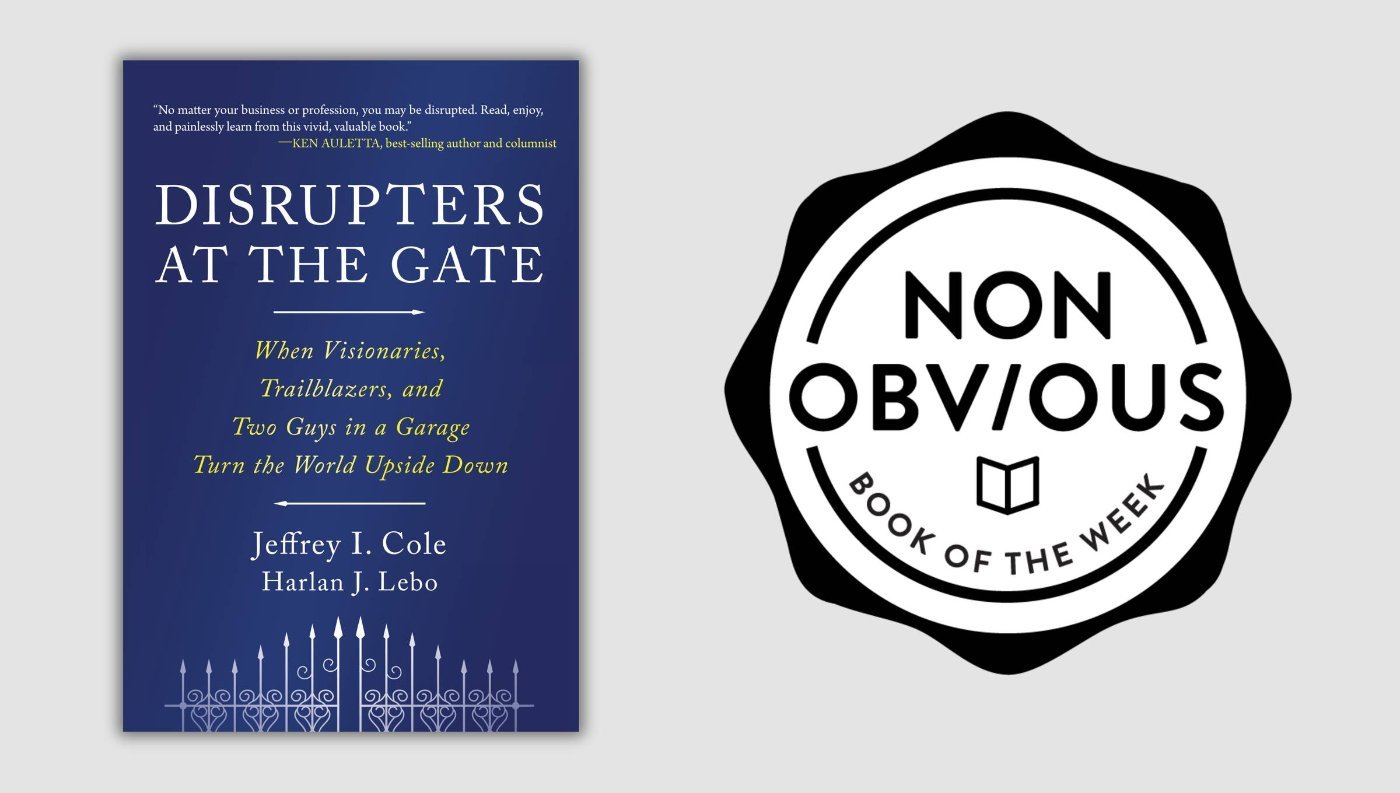
Disrupters at the Gate
The best way to understand where we're going is to consider where we've been. That's one of the core ideas behind this excellent book about the history and future of disruption. From the popular meme of the "two guys in a garage" to the elements required for real disruption, the authors break down exactly what disruption has looked like in the past, how it is changing today, and what it might look like in the future. Whether you're trying to run towards disruption or just hoping to avoid being disrupted yourself, this book is a necessary read.
*Note - This is an Ideapress book and I advised the authors during the development of this book.
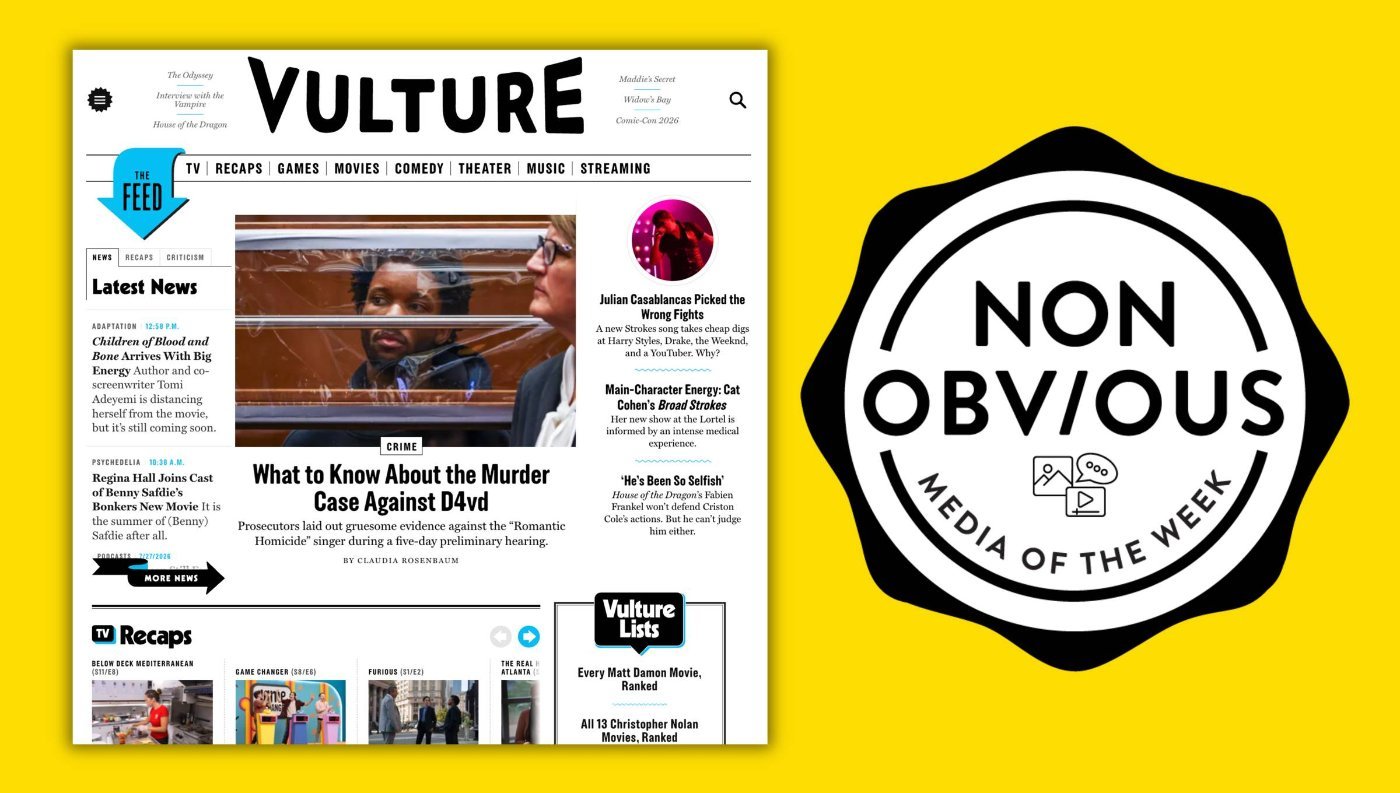
The Non-Obvious Media Recommendation of the Week: Vulture
Vulture is the pop culture arm of New York magazine and a regular source for stories on TV, movies, theater and plenty of other entertainment. Some stories do lean more toward gossip, but if you can filter those out - there are often some fascinating insights about the future of entertainment and some good curations of entertainment worth consuming and sharing. Though not a primary source for a lot of my research, it does fill a certain category, and the journalism is regularly of a high quality. For those reasons this one is worth adding to your media list.
