Humble Creativity, Transparent Restrooms, Time Crystals and Why Blackberry Is Best Phone
What’s In This Issue?
This Week’s Main Stories
 Story 01How AdAge's Small Agency of the Year Wins Through Humble Creativity
 Story 02Is Blackberry Ripe for a Resurgence Thanks to the Pandemic?
 Story 03The Secret Genius of Transparent Public Restrooms
 Story 04Time Crystals Are A Real Thing, With Totally Boring Applications ... At Least For Now
 Story 05Apple Sees Serious Challenge To Its Monopoly and "Apple Tax." It's About Time.
 Story 06Activist Group Risks Prison to Use VR to Expose the Grisly Reality of Factory Farming
 Story 07Sponsorship Message: Hotstar
How AdAge's Small Agency of the Year Wins Through Humble Creativity
This year, Chicago-based agency Highdive took the top honor in the AdAge Small Agency Awards off the heels of their two highly successful Super Bowl ads featuring Bill Murray and "Aquaman" Jason Momoa. In the article, Managing Partner Louis Slotkin talks about one key to their success ... going out of their way to make sure their clients get the credit. Their hilarious acceptance film for the award takes this philosophy of humility to the next level, with employees bitching about their lack of a ping pong table at work and a contributed video from Momoa himself, who says "I didn't even know you could win awards for advertising. So congratulations, I guess. That's adorable." Well done, Highdive. Not only for winning the award, but accepting it with personality in a way that itself is an ad for why your agency is a great humble creative partner and employer too.
Is Blackberry Ripe for a Resurgence Thanks to the Pandemic?
Blackberry isn't dead yet. This week, startup OnwardMobility announced plans to release a new 5G BlackBerry smartphone with a physical keyboard in early 2021. The keyboard has always been the hallmark of the brand, but in the end many users (myself included) left because of superior app ecosystems, better cameras and greater availability of other types of phones. But the new Blackberrys run on Android and still have that magical keyboard too. Since we have all been grounded, I find myself taking fewer pictures with my phone and instead prioritizing the ability to work remotely (even if it's just from my own backyard) so I'm not tied to my computer and my desk all day. Could this self-imposed cabin fever lead more people back to the Blackberry as a far superior mobile replacement when we are increasingly using our phones to do real work? That might be overly optimistic, but I have to admit the thought of having a phone with a keyboard again after nearly a decade is pretty tempting.
The Secret Genius of Transparent Public Restrooms
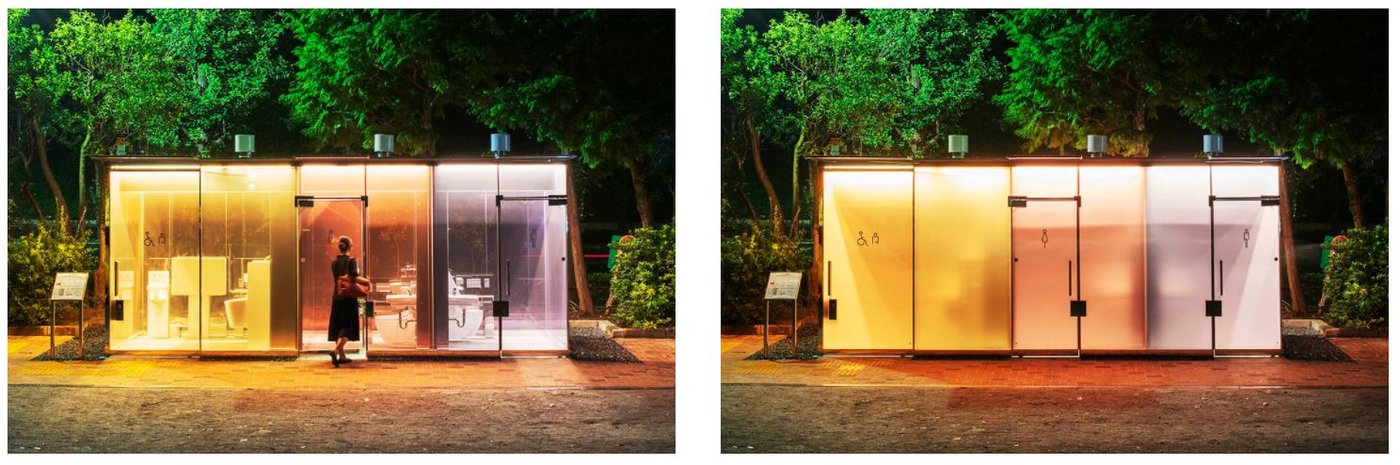
Why don't people like to use public restrooms? Cleanliness -- especially during a pandemic -- is certainly the top reason, but worldwide the stereotype about public restrooms is that they are "dark, dirty, smelly and scary." The Tokyo Project is an initiative launched by The Nippon Foundation that commissioned 16 designers to see if they could reimagine the public restroom. The design that has attracted the most attention so far is the most transparent as well ... literally. So how does a transparent toilet solve any of these problems? One reason people hate public toilets is because you're never quite sure if someone is already inside and the last thing you want to do is open the door to a creepy situation. When the walls are transparent, you can quickly make sure no one is inside and also make sure it is not a disaster inside before you open the door. The fact that its transparent might also encourage people to treat it with a little more respect. And don't worry, when the door is locked and you're inside, the walls turn opaque so it's not an exhibitionist toilet concept for weird people. Shame on you for thinking that.
Time Crystals Are A Real Thing, With Totally Boring Applications ... At Least For Now
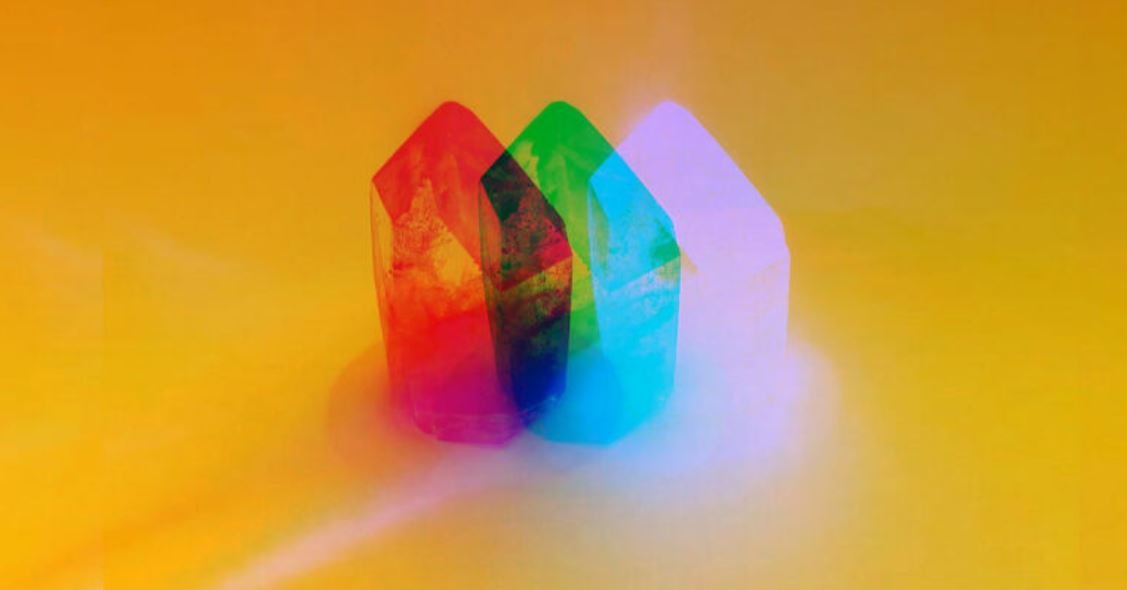
Less than a decade ago, scientists disovered a new state of matter where atoms not only arrange themselves in a repeating pattern (like a crystal) but that they are also in constant motion over time, which earned them the nickname of "time crystals." Now scientists have observed these time crystals interacting for the first time and they are already imagining exciting new uses for them ... like atomic clocks. Ok, it's not exactly the time travel implications that I had hoped for when I first read the headline, but this is exactly the type of underwhelming science story that only becomes significant over time. But at least now you can say you knew about those time crystals right from the start. Now all we need is for scientists to figure out how to make a flux capacitor to do something interesting with them.
Apple Sees Serious Challenge To Its Monopoly and "Apple Tax." It's About Time.
Over the past few weeks, people are finally standing up to Apple. The recent backlash started with the release of iOS 14, which began redirecting web links from News+ publishers directly to the Apple News app. All of a sudden publishers and their gated content that was behind a paywall on their own sites was being provided to users who chose to pay Apple News a $9.99 monthly subscription fee instead, which cannibalized a publisher's own subscription audience. Then, Facebook called out Apple for refusing to lower their app store fee for a Facebook feature designed to help small business owners during the pandemic.
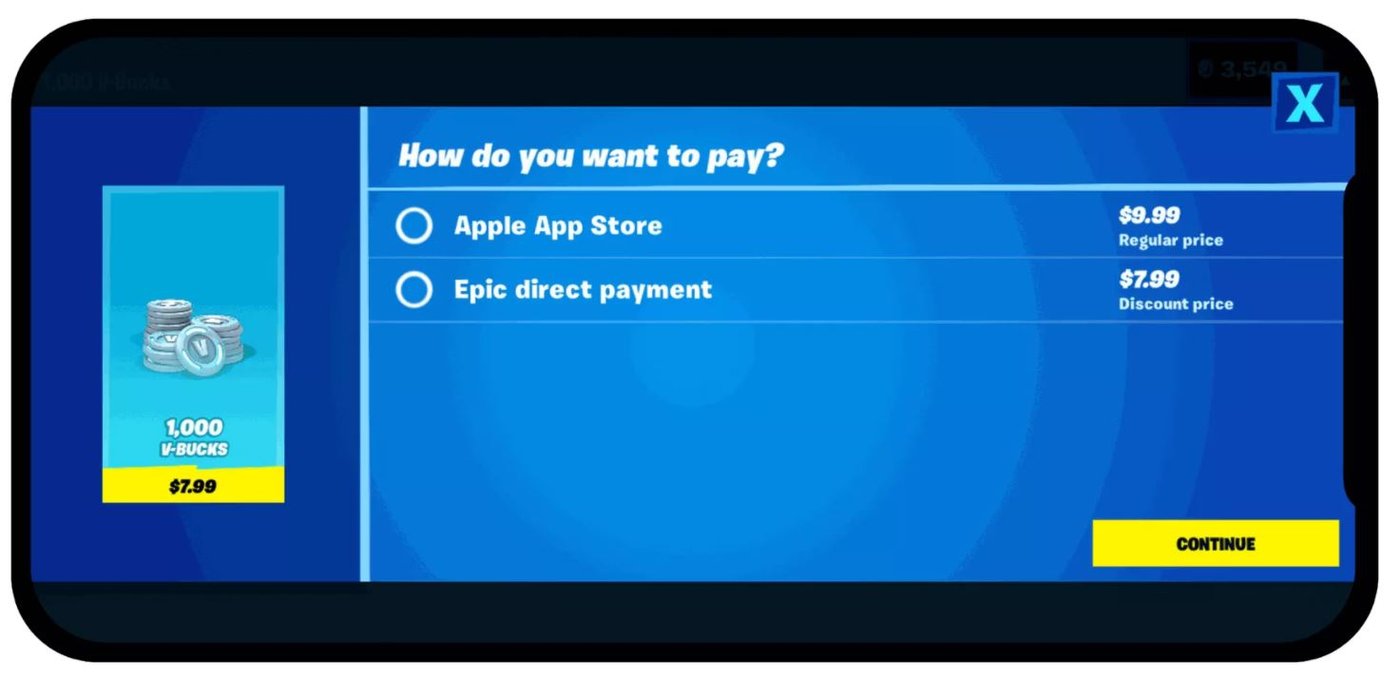
Then the biggest challenge came, from Fortnite game creator Epic Games who created its own in-app payment system to bypass paying the 30% "Apple Tax." So the game was banned from both Apple's app store and Google's store, sparking a lawsuit and brilliant PR response from Epic Games. The brand released a protest video that remade Apple's famous 1984 commercial by casting Apple as the bad guys. They are focused on Apple because unlike Android, there are no side-loading or other hack-friendly ways to install the game on iPhones.
With 350 million users, Fortnite has the heft to challenge Apple and they are leading a fight on behalf of the rest of the industry. Whether they win or not, the move is already driving higher loyalty among their players - and has the whole industry and world watching. I suppose everyone likes to see a bully meet their match.
Activist Group Risks Prison to Use VR to Expose the Grisly Reality of Factory Farming
Years ago in my keynote presentations I used to talk about a VR experience from Stanford where people could experience what it was like to be a cow as it was led to the slaughter. The fascinating conclusion they found was that most people deeply felt sad because the experience of marching to their imagined death was eerily real. It was one of the first times I remembered reading about just how powerful of an "empathy engine" virtual reality could be.
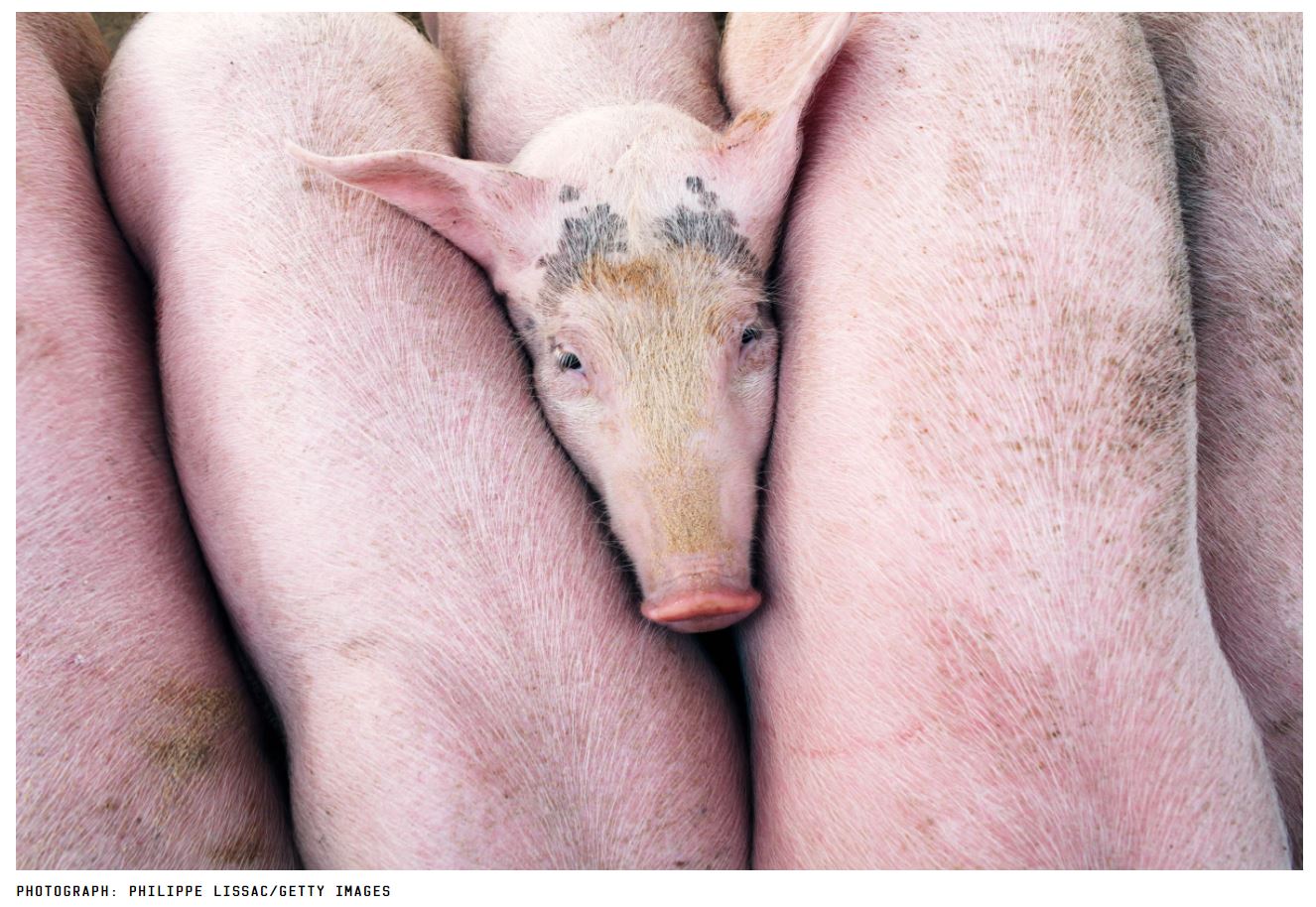
This week there was an article in WIRED magazine about a gruesome new VR experience filmed by an activist group that snuck into a huge Utah pig farm to reveal what the conditions for pigs are really like. It's not good and very different from the VR experience promoted by the National Pork Board itself. This is the latest in a string of content from the group Direct Action Everywhere, whose members have routinely risked prison time in order to expose the realities of farming practices. Their approach is extreme - but perhaps necessary at a time when we are so disconnected from how our food is produced. As the demand for more transparency grows, we will see more examples of technology being used to help us glimpse inside the full life cycle of production.
Sponsorship Message: Hotstar
For the past few weeks, I've been watching some of the biggest Indian movies stream with Hotstar (subscribe at https://www.hotstar.com/us). They have a huge library of Bollywood movies and TV series with subtitles (including an addictive Indian remake of The Office using the same scripts!), plus live news and sports for just $4/month. If you're a fan of Indian culture and media, you should have a subscription! #sponsored
