Why NY May Be Dying, Healthcare Selfies + 8 Persuasion Lessons From the Republican Convention
What’s In This Issue?
This Week’s Main Stories
 Story 01What You Can Learn From Both U.S. Political Conventions About Persuasion
 Story 02The Biggest Secret About Competing on A Reality TV Cooking Show
 Story 03How Magic Can Help Introduce Pioneering Technology To The World
 Story 04Can AI and Empathetic Cars Cure Your Road Rage?
 Story 05Is New York Dead Forever? Inside Seinfeld's Feud With James Altucher
 Story 06Why Your Next Health Screening Might Happen Via Selfie
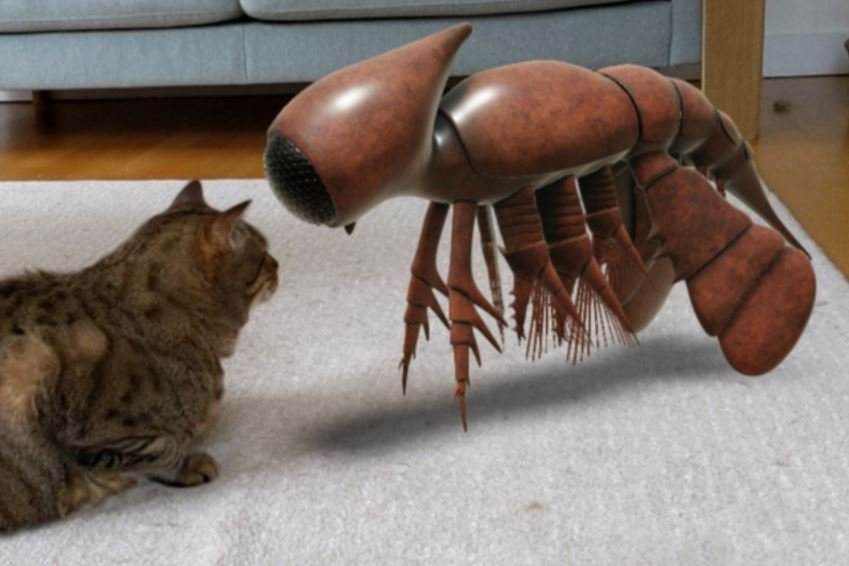 Story 07The Ancient Species That Will Haunt Your Dreams (Thanks To Google)
What You Can Learn From Both U.S. Political Conventions About Persuasion
Over the past two weeks, I watched both the Republican and Democratic political conventions. Watching how each political party choose to organize their speakers, combine pre-recorded segments with live ones and involve real people yielded several interesting lessons and contrasts. I wrote an in-depth article about this (including 8 lessons in persuasion) that I published yesterday. In case you missed it, you can read the full article here >
The Biggest Secret About Competing on A Reality TV Cooking Show
I love reality cooking shows, so when I found this article from a former contestant promising to offer the "biggest secret about competing on MasterChef," I couldn't resist. What was the secret? It turns out the show producers invest quite a bit of time teaching participants how to cook. And specifically how to cook what they are making on the show. So you might wonder, if they all know how to make the dishes, wouldn't that kill the drama? Actually, no.
The truth is, we don't want to watch a complete beginner try to figure out a recipe. That would be excruciating and boring and kill the drama. Instead, it's better if every contestant has a basic knowledge. A little bit of knowledge, in other words, goes a long way. There is an important lesson in this that I think we can all use. How much time do you spend helping the people you will be working with get more knowledgeable before you start engaging them?
How Magic Can Help Introduce Pioneering Technology To The World
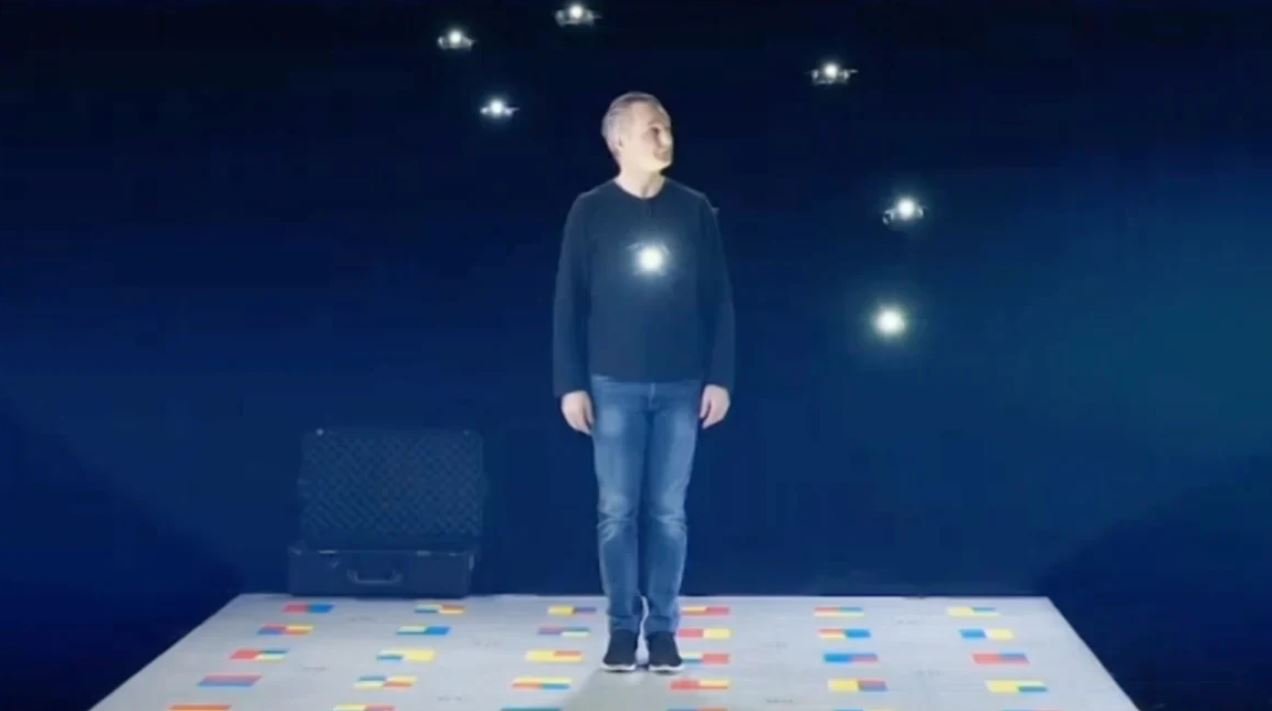
A magician stands on stage at a computer graphics conference surrounded by drones. As he issues commands, participants watch as they magically obey his instructions, forming a ring around him. For magician and MIT professor Marco Tempest, it's another case study in how magic can be used to see how people react to the potential machines and technology of tomorrow. If sufficiently advanced technology is indeed indistinguishable from magic, then using magic to introduce technology is a natural twist. Not to mention, fun to watch.
Can AI and Empathetic Cars Cure Your Road Rage?
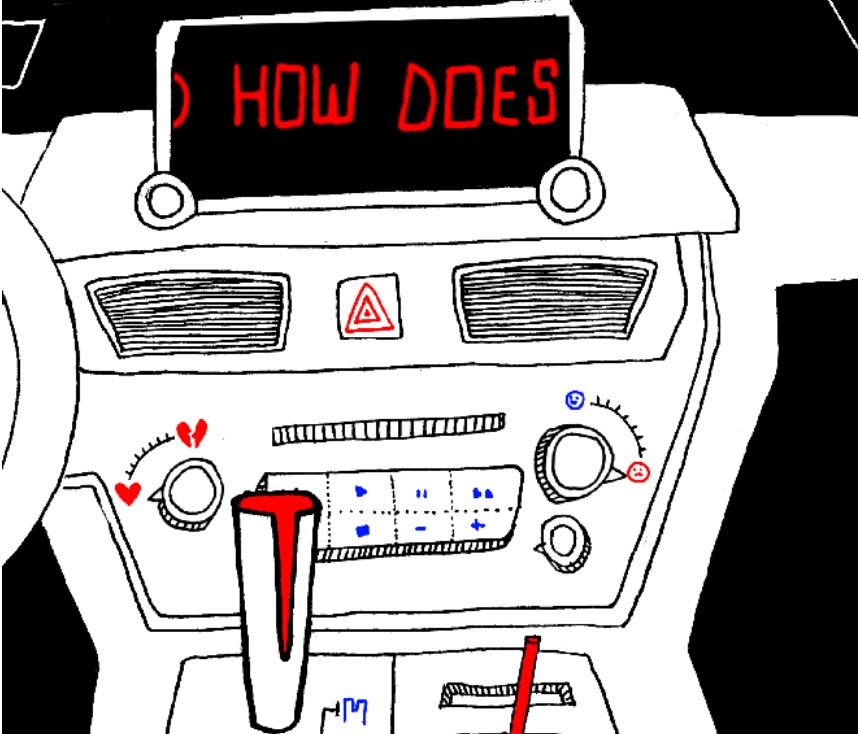
In the movies, crisis situations are all about conversation. When someone is about to commit suicide out of a building window, the heroic observer tries to convince them their life isn't that bad. Hostage negotiators save lives by talking to terrorists. These are interventions, and there is considerable psychology behind why they work. When it comes to road rage, though, intervention is hard. You're usually alone in your car. But what if your car could intervene? That's the beautiful idea behind new technology that offers a soothing voice and a chance to change your driving style instead of succumbing to the rage.
Is New York Dead Forever? Inside Seinfeld's Feud With James Altucher
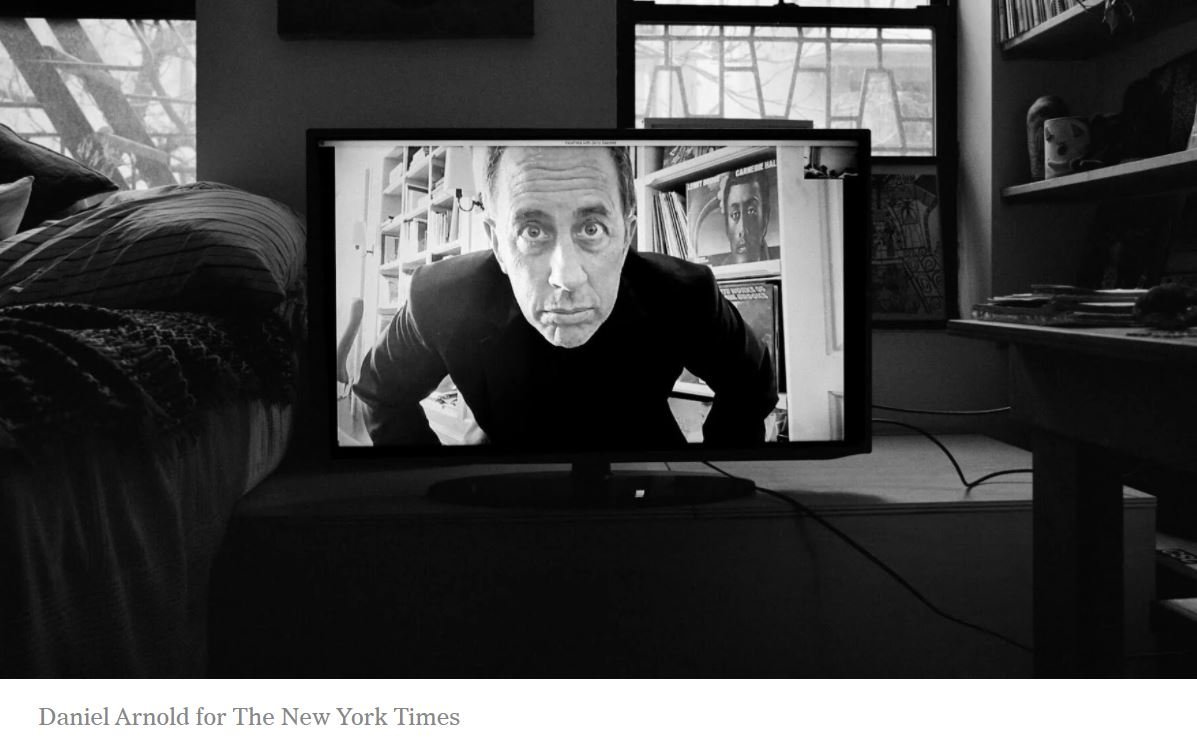
Two weeks ago when writer James Altucher published a well-argued article titled "NYC is Dead Forever. Here's Why ..." - he set off a firestorm of debate. Many long time New Yorkers rushed to defend their beloved city from his dire prediction. Famous New York comedian Jerry Seinfeld was one of them, as he argued in a NY Times Op-Ed that America's most famous city would rise once more as it has before. Which ignited another round of debate, and inspired Altucher to write a follow up. The feud is fun to read, as these things usually are. The truth may be somewhere in between for New York, but what's most interesting for me is what the undeniable exodus of people from NY might mean for the rest of the country, and perhaps eventually the rest of the world.
Why Your Next Health Screening Might Happen Via Selfie
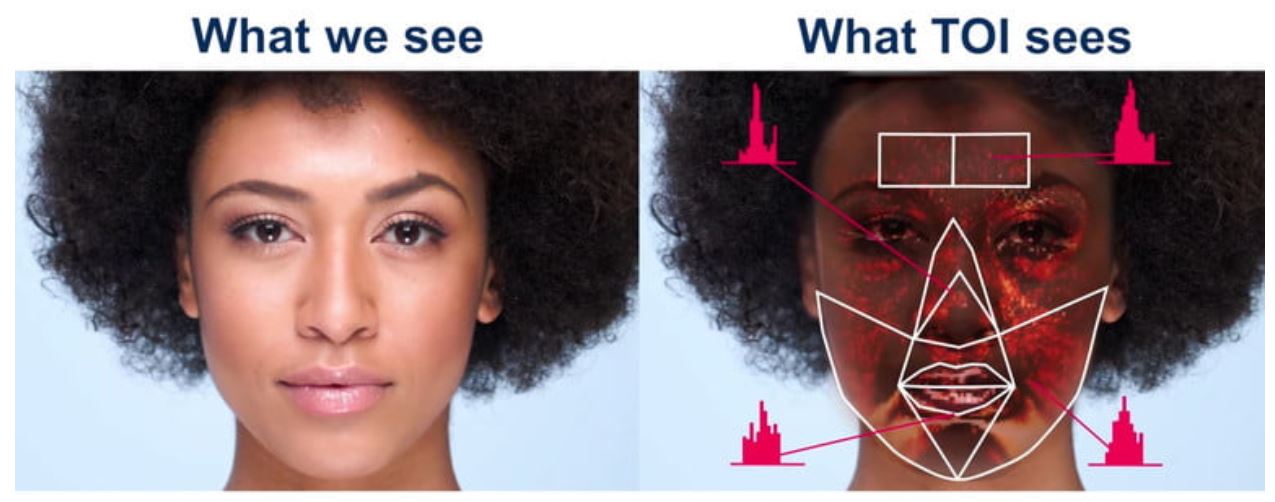
One of the silver linings of the pandemic has been the forced embrace of more digital and telemedicine. Many of us have discovered just how much medical care we can actually get now without needing to go to the doctor's office. Technology is getting better at helping too. There are a number of researchers and startups working on ways to use the power of the selfie to automatically screen your health - doing everything from detecting heart disease to doing a full fitness checkup from a 30 second selfie video.
The Ancient Species That Will Haunt Your Dreams (Thanks To Google)
One In case you don't know what a Cambropachycope is, a new app from Google can give you a chance to view this freaky one-eyed ancient crustacean in Augmented Reality. In partnership with Moscow’s State Darwin Museum and London’s Natural History Museum, a team at Google has recreated a number of ancient creatures in hyper-realistic form, including a spotted trunkfish and the opabina, a five hundred million year old creature with five eyes. Despite the creepiness of these models, it's still fascinating to imagine just how different the animal life on Earth was hundreds of millions of years ago, and a reminder that the far future inhabitants of Earth might find fossilized remains of humans similarly strange. But at least we have the right number of eyes.
