Japan's Toxic Kawaii Culture, Shady History of Oreo + How Journalists Can Eliminate Fake News
What’s In This Issue?
This Week’s Main Stories
 Story 01The One Thing That Could Change Media and Eliminate Fake News
 Story 02How Japan's "Culture of Cute" Traps Japanese Women
 Story 03How Iceland Beat the Coronavirus (and What It Teaches Us)
 Story 04How Italians Are Using 17th Century Techniques To Sell During the Pandemic
 Story 05Branding Lessons From the Shady History of the Oreo Cookie
 Story 06Morgan Freeman Narrates Documentary About A Surprising New Ocean Species
The One Thing That Could Change Media and Eliminate Fake News
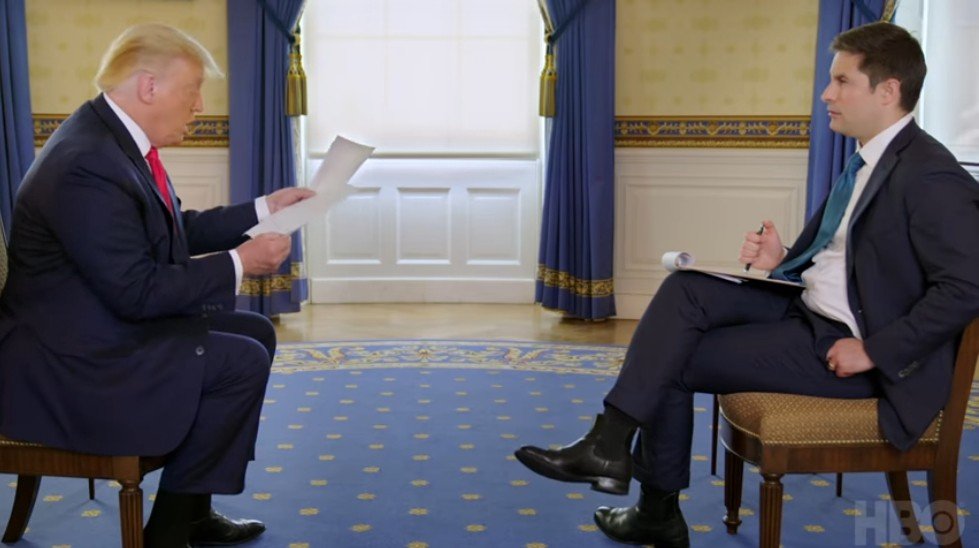
Award-winning journalist Eric J Scholl published a story this week where he deconstructs Jonathan Swan's interview with President Trump. As he notes in the article, the most powerful thing about the interview is how Swan fact checks the President DURING the interview and refutes his false claims in the moment. As Scholl writes:
"If you can challenge forcefully, real-time, you don’t need to go back and do fact-checking. And that’s the real success of it. And at least part of the reason this type of interview doesn’t happen too often is that fact-checking has become too much of a crutch for media. The President says something. He isn’t challenged on the spot. But he’s fact-checked. Job well done. But it’s not. Because fact-checking is really after the fact-checking. So it’s often rendered meaningless by the time reporters get around to it, because whatever lie has been allowed to float around for however long and taken on a life of its own."
This is the most powerful insight I have read recently about our current media climate and such an important point that should be shared far and wide. Doing this sort of fact checking live is very difficult and requires a legendary level of preparation on the part of the journalist doing the interview.
Partially, this is why it is so rarely seen. But when dealing with politicians, business executives or anyone else who has a tendency to exaggerate or flat out lie in an interview, it has become a critical skill. So when we see someone exercise it in real time, their professionalism and preparation should be celebrated.
How Japan's "Culture of Cute" Traps Japanese Women
Last year I went to Japan for the first time and experienced the inescapable presence of "Kawaii" culture. It is a word that describes the overwhelming cuteness of icons, mascots and media that focus on pastel colors, large rounded imagery and anime characters with big eyes and (often) short skirts. In many cases, it overlaps with how women are portrayed in Japan - a fact that writer Alyssa Pearl Fusek writes critically about in this article. Here's an excerpt:
"There is “weakness,” “transience,” and “fragility” embedded in the history of the word Kawaii. Consequently, what exists in Kawaii is a desire to cherish and protect such dispositions. Femininity exists as one expression of this. Society considers women to be both physically and emotionally weaker than men, and due to the longtime awareness of fragile transience, there’s also an impression of protecting out of a sense of love. However, although called femininity, women who have sexually matured in both physicality and motherhood are excluded from Kawaii fashion."
While this was written last year, the perspective it offers into how culture and media overlap remains timely and is worth a read today not only to help understand Japanese culture, but also to give a different perspective on just how impactful common cultural stereotypes can be in shaping a nation's attitude toward women for generations.
How Iceland Beat the Coronavirus (and What It Teaches Us)
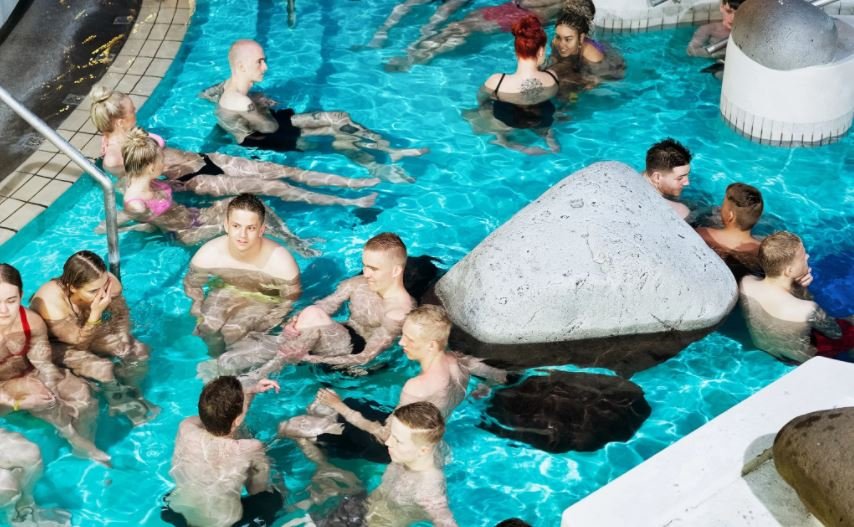
A consistent part of the narrative we see in the media about the Coronavirus is the steady coverage about the places in the world that have "beaten" the virus by containing its spread. New Zealand (despite their recent "outbreak" of a handful of cases), Europe and Iceland have all been cited as destinations whose overall responses have worked - but we don't always get a deeper look at why they worked or how they managed to do it. In this week's New Yorker, there is an inside look at how Iceland's authorities approached handling the virus and it is fascinating because of how coordinated, centralized, fast and smart the response was. In other words, pretty much everything that did not happen in America.
How Italians Are Using 17th Century Techniques To Sell During the Pandemic
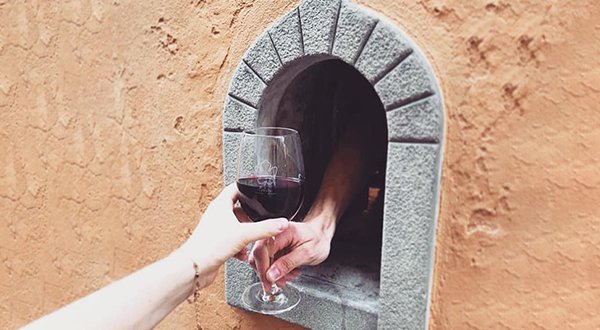
In the 17th century, Italian wine sellers were dealing with a plague and wanted to avoid paying taxes on their sales so they came up with an inventive solution. They built so-called "wine windows" to offer a discreet way to sell their product. Centuries later, entrepreneurs are reviving the use of these windows in Tuscany to sell everything from wine to gelato in a touchless way that helps prevent the spread of coronavirus. It's an interesting silver lining that perhaps comes from any crisis moment ... that we find new solutions and opportunities to our modern challenges by looking back at how previous generations dealt with similar situations. Bottom line: there is wisdom to be found in our own history, as long as we can find the time and motivation to remember it.
Branding Lessons From the Shady History of the Oreo Cookie
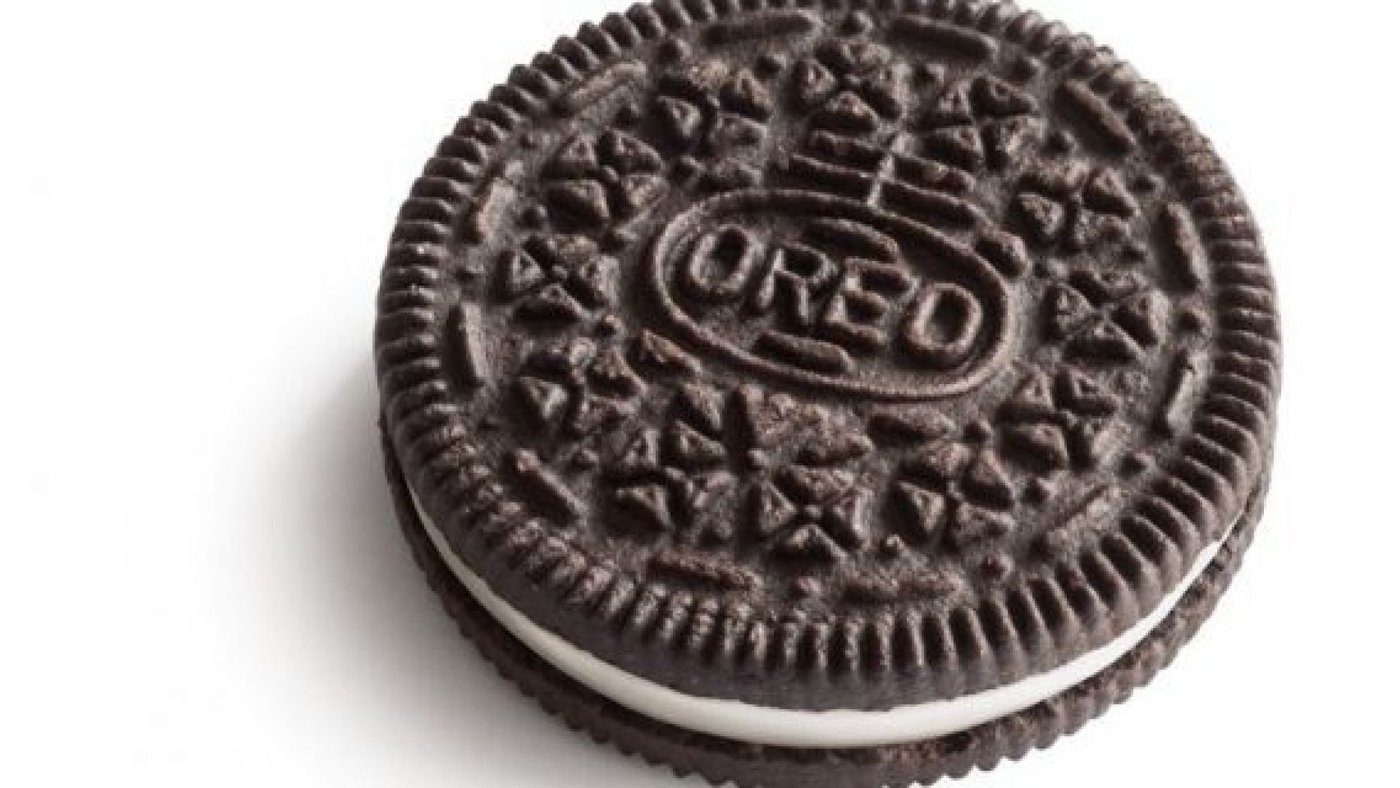
I love a good branding story and the history of the Oreo cookie has plenty of fascinating hooks. The story starts with two feuding brothers, Joseph and Jacob Loose, who ran competing bakeries that came up with two cookies that were essentially the same: the Hydrox and the Oreo. For years the Hydrox dominated, until the 1950s when the brand Hydrox began to sound like many cleaning supplies on the market while the Oreo made two big strategic choices that propelled it to become "milk's favorite cookie." The first shift was increasing the price point so it seemed like a more premium cookie, and the second was to license it for use in other products, like Cookies & Cream ice cream. Of course, it probably helped that the cookie is reportedly as addictive as cocaine.
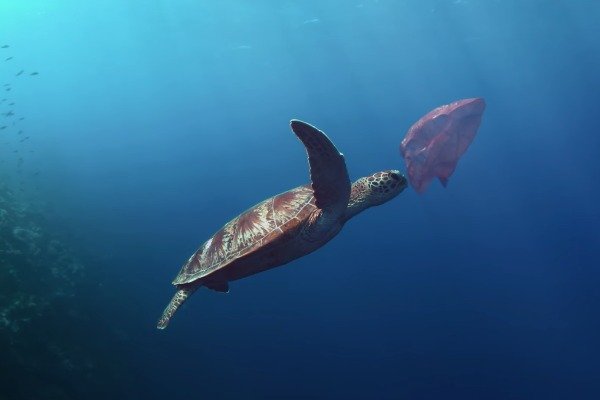
Morgan Freeman Narrates Documentary About A Surprising New Ocean Species
By itself, the news that Morgan Freeman is narrating a new documentary is not particularly significant ... he does do lots of them. But this one may be worth your time because it's only two minutes long but contains a powerful insight about the newest discovered ocean species that "do not have brains, teeth or even simple nervous systems, but miraculously they can travel for hundreds of miles and live to be over a thousand years old.” It's a simultaneously sobering and terrifying preview of what our future may look like if this new species is allowed to continue it's domination of the oceans.
