How Humor Inspires Change, the Pathetic Debate and Heat Activated Stamps
What’s In This Issue?
This Week’s Main Stories
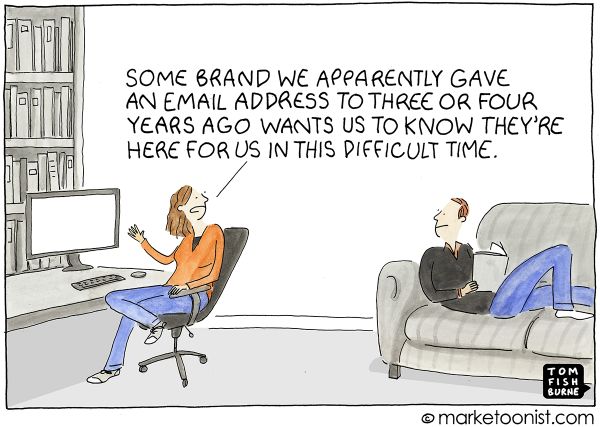 Story 01How Humor Can Help Inspire Change and (Sometimes) Revolutions Too
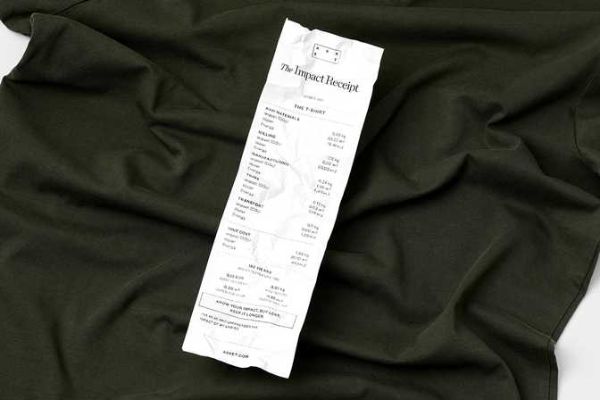 Story 02Swedish Retailer Offers "Impact Receipts" To Track Environmental Lifecycle
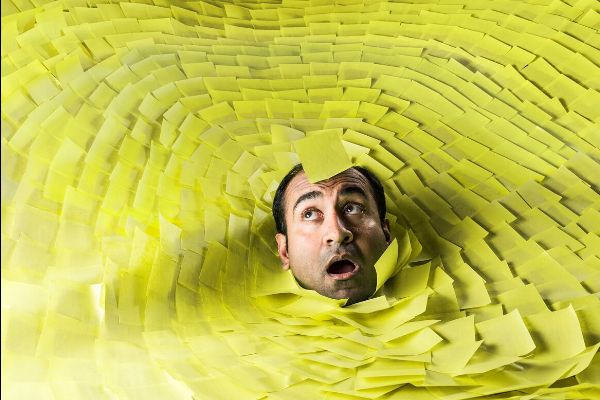 Story 03Forget the Cover. What If People Judge a Book By the Author Photo?
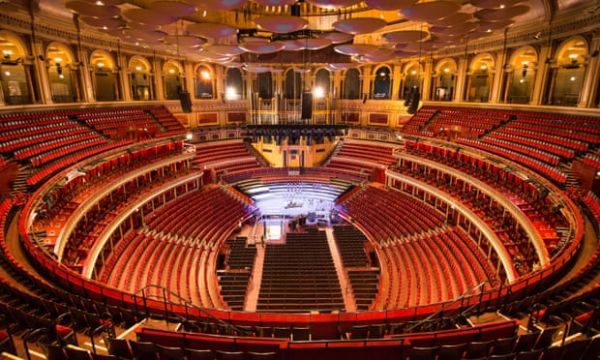 Story 04British Study Finds a Third of Musicians May Quit Industry Amid Pandemic
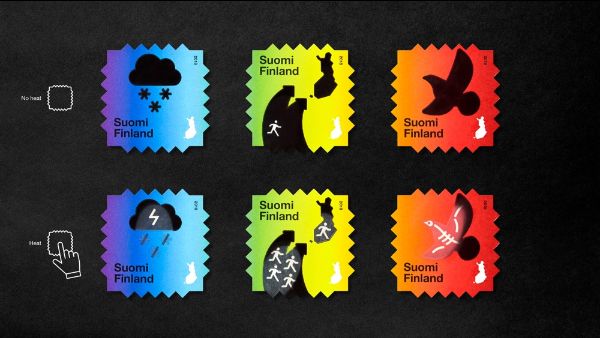 Story 05Heat-Activated Postage Stamps That Reveal Hidden Climate Change Images
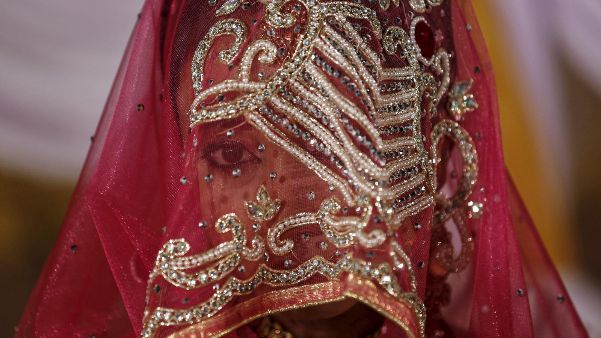 Story 06The Not-So-Big-Fat Indian Wedding
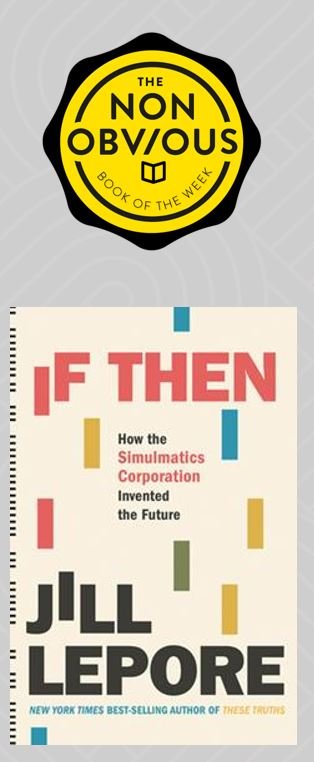 Story 07Book Summary:
How Humor Can Help Inspire Change and (Sometimes) Revolutions Too
This week an Op-Ed from Nicholas Kristof suggests that humor can be a fundamental force for driving change and asks the question of what we can learn from the pro-democracy movements in other countries. George Orwell wrote "every joke is a tiny revolution," an idea that has new relevance today. "Cartoonists," Kristof writes, "are often more incisive social and political critics than columnists." It's a sentiment I can't wait to explore further with Tom in today's episode of the Non-Obvious Insights Show.
Swedish Retailer Offers "Impact Receipts" To Track Environmental Lifecycle
The environmental cost of the things you buy continues to be more visible. This week Swedish retailer Asket launched what it calls "impact receipts" that show the amount of water and energy used in the making of their products. Together with Nordstrom's announcement they will stop selling fur and exotic skin products, there continue to be new signs every week that the fashion brands who survive this difficult time will be the ones who are also able to tell a bigger story about how they are contributing positively to the future of the world as well.
Forget the Cover. What If People Judge a Book By the Author Photo?
"Today, an alluring author photo has become ... a golden ticket for literary success. Interesting, beautiful or unusual photographs ... can dramatically increase one’s chances of getting a feature or catching the eye of a publisher, publicist, or bookseller."
As you can see from the image above, I've taken some pretty entertaining and unusual author photos myself. They have indeed helped to generate attention and media coverage. It turns out this tradition of having an author's photo amended to the written word dates back hundreds of years, as writer Cornelia Powers explores in her article on the "insidious rise of the author photo." While just as subjective as judging a book by its cover, the author photo has long offered a parallel signal of credibility and thin slice rationale for reading a book. It gives you a peek at the person you're forging a relationship with through their writing. And unlike Powers, I think that's a good thing.
British Study Finds a Third of Musicians May Quit Industry Amid Pandemic
Since the pandemic hit, most of us have enjoyed the free access to amazing musical and theatrical talent through YouTube. A recent survey of 2000 members of the British Musicians' Union uncovered the disturbing reality that 34% of their members are considering leaving the industry due to financial hardship. This is a tragedy without an easy solution. While you can support a magazine or newspaper through a subscription, or a restaurant by ordering takeout or buying gift cards, how could you support an individual musician? Many are monetizing their audiences through platforms like OnlyFans. For me, this article was a much needed nudge that I need to do better when it comes to supporting the artists I listen to. If music is important to you, maybe this story will offer you the same type of reminder.
The Not-So-Big-Fat Indian Wedding
If ever there was a story about the silver lining of the pandemic, this would be it. Due to social distancing rules, millennials who are getting married in India now are finding it acceptable for the first time in centuries to have a scaled back wedding with fewer than 1000 guests. In this mega-wedding tradition, the intimate family gatherings have always happened at the many family rituals in the days leading up to the wedding instead. But now the wedding itself could be a memorable and intimate affair with only the 100 people you really care about. The other 900 can join on Zoom. There are more than a few people who are probably hoping even after the pandemic ends that this might become the new tradition.
Book Summary:
Imagine if someone had figured out how to use data and insights about human behavior to manipulate perceptions more than 50 years ago. That's the fascinating premise at the heart of this well researched book about about Simulmatics - a mysterious shadow corporation from the Cold War era that secretly used data to manipulate markets, politics and the world. This is a book that's eerily prescient about the role data might take in shaping our culture years before Google, Facebook and Cambridge Analytica managed to do it again.
