Inappropriate Onions, Tattoo Robots, Translating Whale Songs and How Teachers Would Fix Zoom
What’s In This Issue?
This Week’s Main Stories
 Story 01We May Be Able To Speak To Animals In The Future -- Starting With Whales
 Story 02Can Movie Theaters Survive This Moment of Desperation?
 Story 03Just In Time For The Pandemic, Now You Can Get Your Tattoo From A Robot
 Story 04Every Streaming Media Platform Has a "Plus." Maybe That's a Good Thing.
 Story 05What Teachers Really Want To Be Able to Deliver Better Virtual Education
 Story 06Facebook's Algorithm Flags Onions In An Ad As "Overtly Sexual"
 Story 07Book Summary:
 Story 08Don't miss these conversation with fascinating people from my show ...
We May Be Able To Speak To Animals In The Future -- Starting With Whales
A study published in the journal Current Biology this month suggested that whale songs could be interpreted to offer clues about migration patterns and schedules. In other words, we can translate whale's songs. Animal translators have long been ideas from the realm of science fiction, but if we could understand what animals are saying or what they are doing, it opens up a whole new future method for humans to connect with the world around us. As Sir David Attenborough says in his new hit Netflix documentary A Life On Our Planet, which many early critics have described as an urgent call to help solve the climate crisis.
Can Movie Theaters Survive This Moment of Desperation?
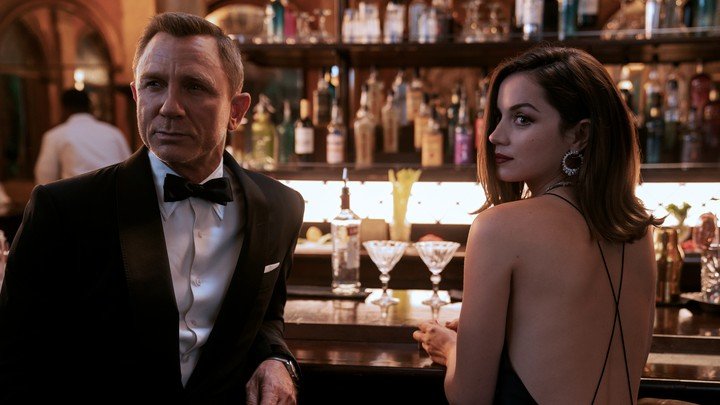
After months of limited reopenings and struggles, this week the highly anticipated new James Bond film was officially postponed to April 2021, and shortly after Cineworld (owner of Regal Cinemas) decided to close all their locations. Competitor AMC has launched their own "industry-shocking" agreement with Paramount that agrees to shorten the typical theatrical window for new releases from 75 days to just 17 days before a film can be sold for on-demand viewing. Along with the NBA's record-low ratings, this was a tough week for big entertainment. Luckily, there is one bright spot that might offer a preview of how our entertainment preferences have shifted: the resurgence in popularity of drive-in theater experiences.
Just In Time For The Pandemic, Now You Can Get Your Tattoo From A Robot
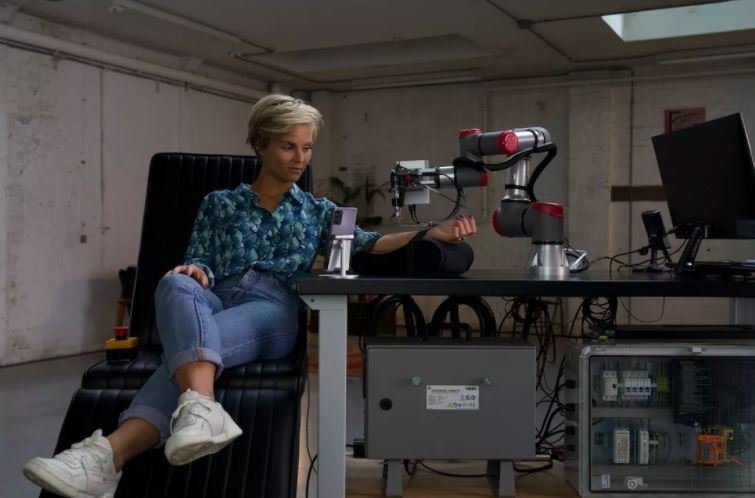
To promote their 5G service, T-Mobile Europe released a video this week showing a woman getting her tattoo done by a robot controlled remotely by a tattoo artist based elsewhere in the world. Already being called the "Impossible Tattoo," this experiment takes us further toward all sorts of long-awaited advancements such as remote surgery. Perhaps more interestingly, it also illustrates a tech-enabled future for artists and creators where they may be able to get paid for their talent and sell their expertise anywhere in the world.
Every Streaming Media Platform Has a "Plus." Maybe That's a Good Thing.
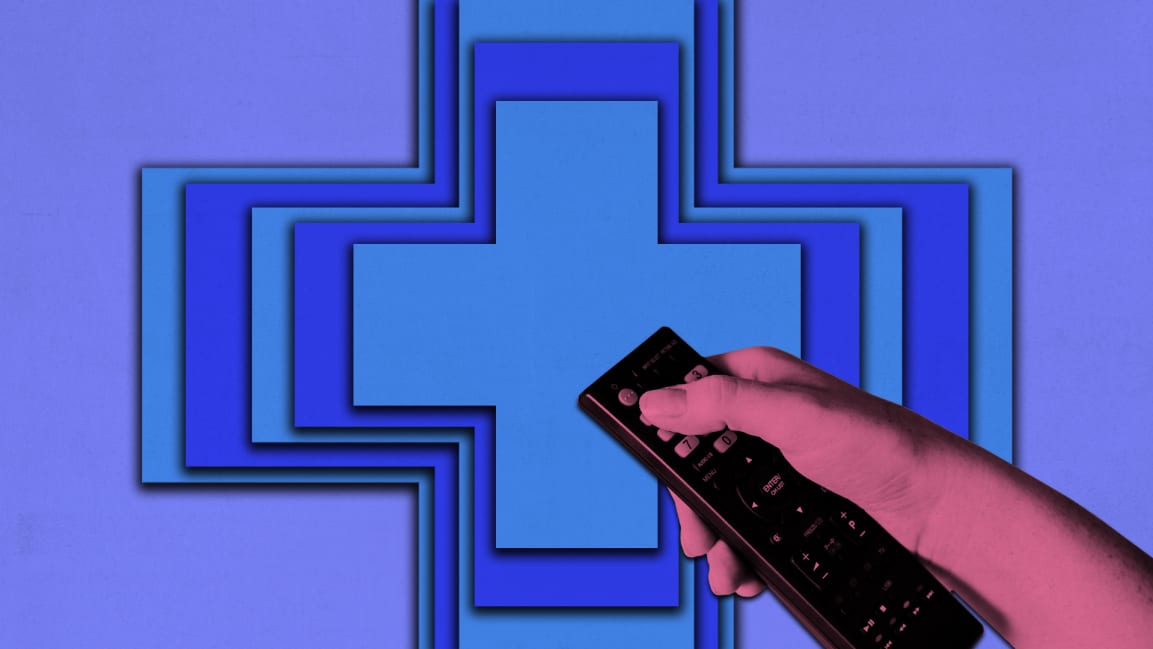
Why does every streaming service seem to have a "plus" at the end of it? Disney+. Hulu+. Apple TV Plus. ESPN Plus. They are all the same - but as this Fast Company article argues, maybe that's a good thing. The "plus" lets you know it's a streaming platform and that you'll need to pay extra. Just like putting an "e" in front of something has come to signify ecommerce, perhaps the "plus" can be used to indicate its a paid streaming platform. There is always something to be said for consistency.
What Teachers Really Want To Be Able to Deliver Better Virtual Education
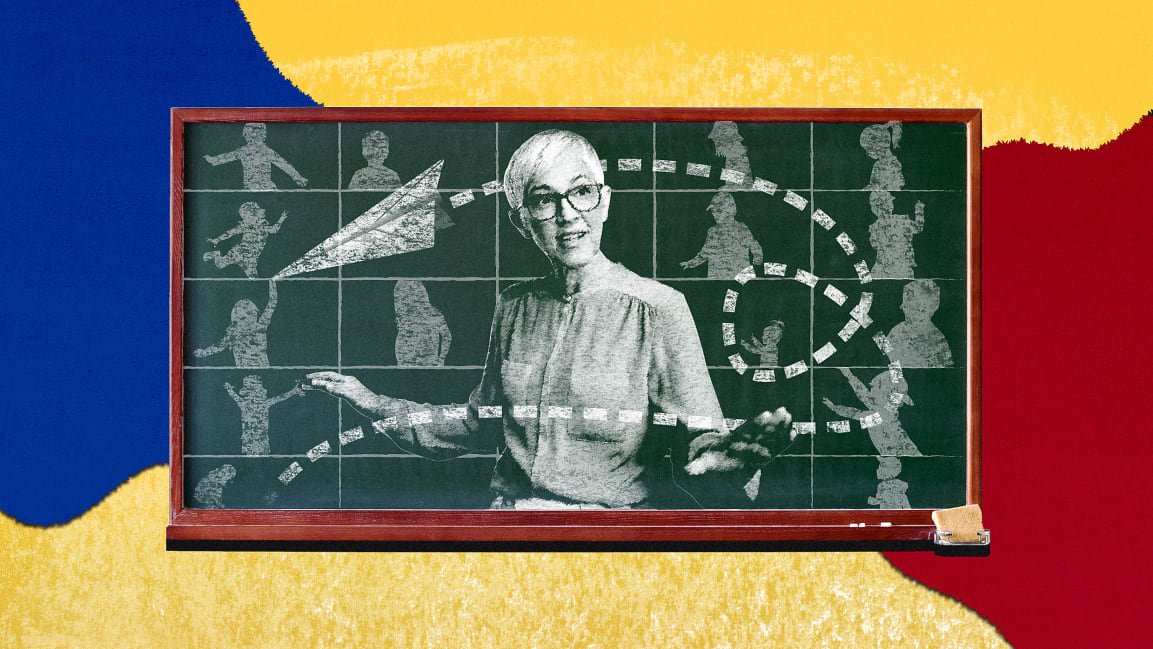
Some colleges are doing what it takes to help their students learn - including one that mails actual brains and other specimens to biology students so they can practice their dissection skills remotely. Ok, that's extreme. For most of us with younger kids doing virtual schooling, the reality is a day filled with Zoom calls. But Zoom wasn't built for education, and unsurprisingly, teachers are struggling with it. This article explores some of the best suggestions from teachers on how Zoom could fix it ... and some are startingly simple -- like a larger mute/unmute button so six year old kids can find it more easily. The unofficial tagline of the pandemic is already "you're on mute" ... so this seems like a no-brainer to fix. As are most of the other teachers' suggestions.
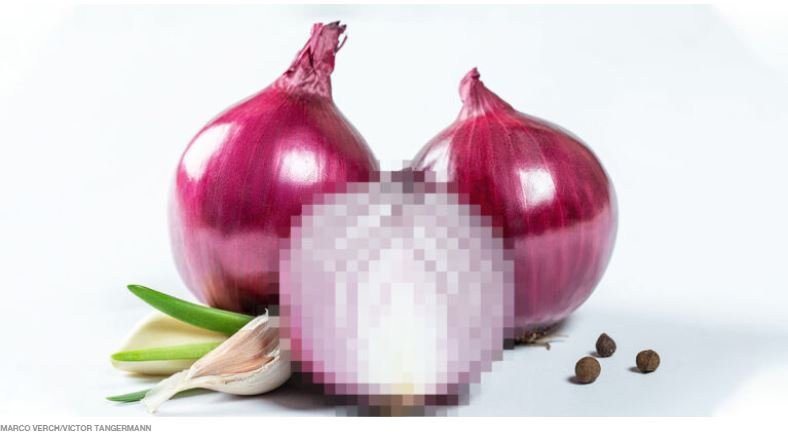
Facebook's Algorithm Flags Onions In An Ad As "Overtly Sexual"
"I guess something about the two round shapes there could be misconstrued as boobs or something, nude in some way."
A CBC report this week interviewed the manager of Gaze Seed Company after one of their onion ads was automatically flagged as inappropriate by Facebook's algorithm. I wish there were more stories like this. It would mean that Facebook finally was getting more aggressive about policing what people put in ads. So, I say yes - ban the overtly sexual onions. And ban lots of other stuff too. Like political advertising (ie - paid lying) and the ability to share fake stories. Anything to make the platform better.
Also I should note (in case you were worried), Facebook did reinstate Gaze's ads. So you can reorder your inappropriate onions. If you like that sort of thing.
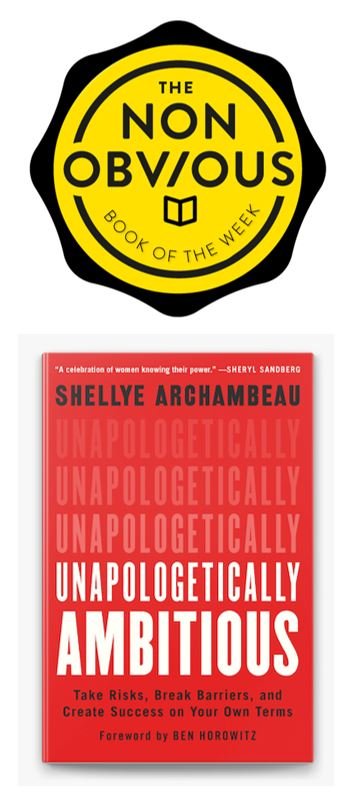
Book Summary:
I am not usually a fan of memoirs. I find them self-indulgent and low on practical advice. The first time I spoke to Shellye about the idea for her book, I knew it would be different. Sadly for me, that was over a year ago so I had to wait for it to come out ... but now it has and it definitely delivers. Her personal story as one of Silicon Valley's first female African American CEOs is already powerful. But her candor and humility in sharing it is what really stands out. Her journey isn't just impressive, it's inspiring as well
Don't miss these conversation with fascinating people from my show ...
Watch a replay of last week with "Marketoonist" Tom Fishburne:
Join me for this week's episode with Harvard Professor Francesca Gino:
Every week I interview someone fascinating about what they do and what we can learn from it. Episodes are always live streaming on LinkedIn Live, YouTube Live and Facebook Live at noon EST every Thursday.
