Filming Goes Into Space, Democracy-Saving Deepfakes + Why Netflix Cancels Shows
What’s In This Issue?
This Week’s Main Stories
 Story 012021: The Year Entertainment Will Go To Space ... Literally
 Story 02The Upside of Deep Fakes and How They Could Be Better Than You Think
 Story 03Purposeful Profit is Emerging as the Leading Non-Obvious Megatrend
 Story 04Adobe's New "Sensei" AI Will Make PDFs More Skimmable In Every Way
 Story 05Why Are So Many Netflix Shows Canceled After Two Seasons?
 Story 06Marc Pritchard Might Kill The TV Upfront, and Funnel More Ad Dollars To Diverse and Minority-Owned Media
 Story 07Book Summary:
2021: The Year Entertainment Will Go To Space ... Literally
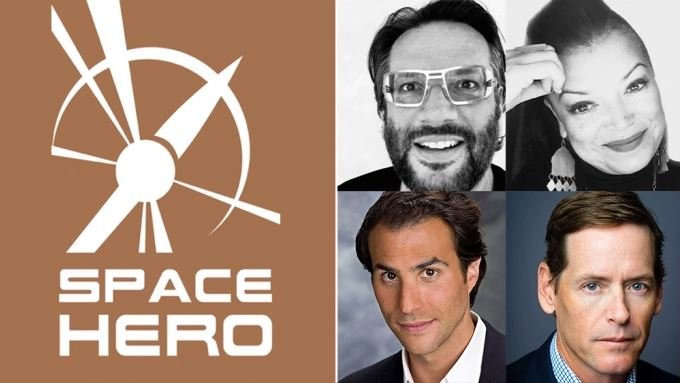
It's been a busy week for space. Tom Cruise is planning to film on the space shuttle for his next action flick. Estée Lauder skincare sent bottles of product to astronauts for them to film and photograph in microgravity so the footage can be used in future ads. There is even a new reality show coming where the winner will earn "the biggest prize ever awarded on TV" - a seat on a 2023 mission to the International Space Station. In response to the growing commercial activity, or perhaps in anticipation of it, NASA deepened its partnership with the US Air Force-led Space Force. This is a good thing. Filming movies in space is one thing, but when the "new goldrush" of space mining finally takes off, we might be grateful there is a Space Force.
The Upside of Deep Fakes and How They Could Be Better Than You Think
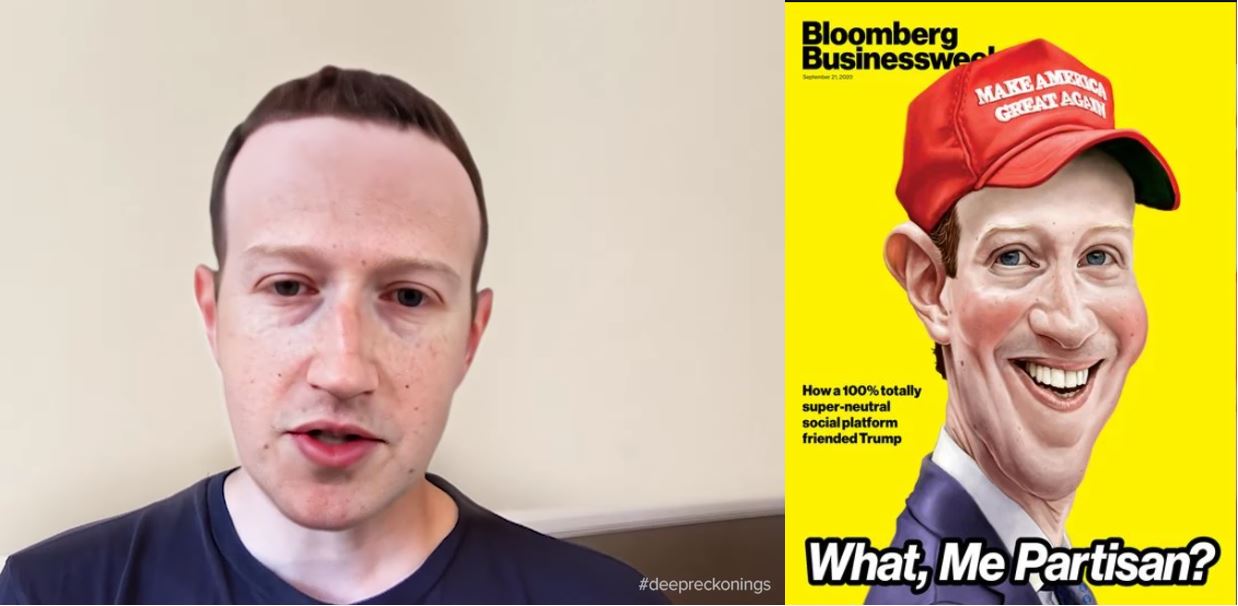
Every week seems like a rough week for Mark Zuckerberg. And he probably deserves it. The cover story in BusinessWeek this week was all about how Zuckerberg's no-compromise view of free-speech-no-matter-what is enabling more hatred, racism and rage in the world. What if Zuck had an awakening?
An independent artist named Stephanie Lepp has imagined that for him and other notable figures through a series of videos collectively called Deep Reckonings. The videos use deep fake technology to create a synthetic video that shows public figures making confessions they would otherwise never make, with the ultimate ambition of getting them (and us) to say "that is the me I want to be."
While the technology of this narrative art project is impressive, the most potent element is the writing. Lepp creates a script for each reckoning that avoids judgement or snark and instead imagines what it might truly be like to watch a public figure "learn, change, redeem [themselves], and ultimately grow ... in public." Sadly, seeing this happen in reality would require a level of self-awareness and courage that most of these public figures lack.
Purposeful Profit is Emerging as the Leading Non-Obvious Megatrend
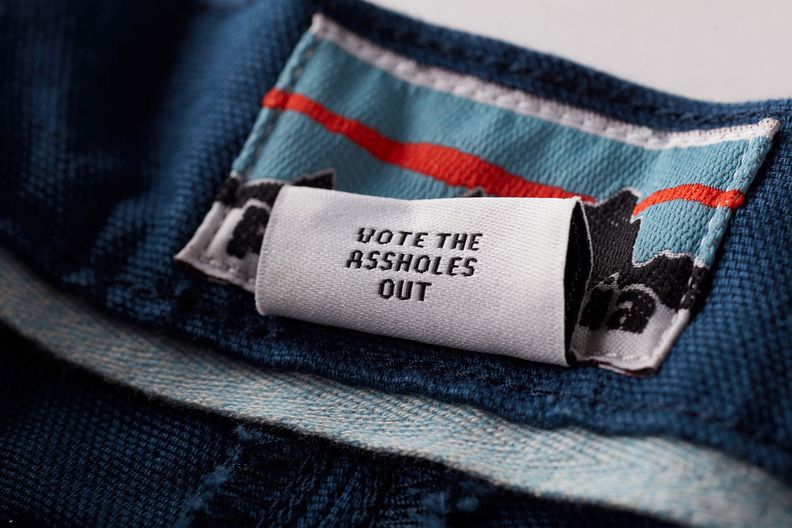
I wrote in Non-Obvious Megatrends about the idea of Purposeful Profit - a concept that combined many past trends I had researched over the past decade. Every week since then, I have seen multiple examples of this megatrend at work. Just in the past few days, Lego announced they would switch from plastic bags to paper ones. Ikea launched a concept second hand furniture store. China declared a long term goal of being carbon neutral by 2060. And Patagonia continued to take its Brand Stand - encouraging their customers to "Vote the Assholes Out" (assholes = politicians who ignore climate science) via declarative clothing tags. Each of these stories is cause for hope. The fact that there are six or seven of them that I see every week is probably the biggest reason why I continue to be optimistic about the future.
Adobe's New "Sensei" AI Will Make PDFs More Skimmable In Every Way
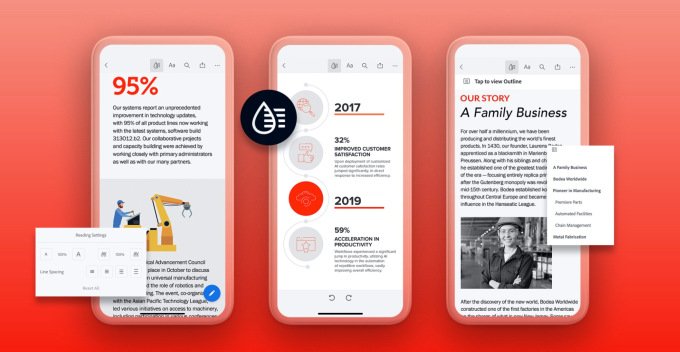
If you have ever received a PDF document and tried to read it on your mobile, you've probably struggled. The 30 year old format of the PDF was never designed to be mobile-friendly ... but now Adobe has a fix for that through a new AI-based tool called "Liquid Mode" that can process and convert the text in a document to a reflowable format so it can be as legible (and ugly) on your device as a Kindle book. As a publisher, most of my usage of PDFs requires me to keep the original formatting - so this tool won't be particularly useful for me. However, if you typically download 50 page PDFs to your phone and just want to read them more easily ... Liquid Mode might be a big deal for you.
Why Are So Many Netflix Shows Canceled After Two Seasons?
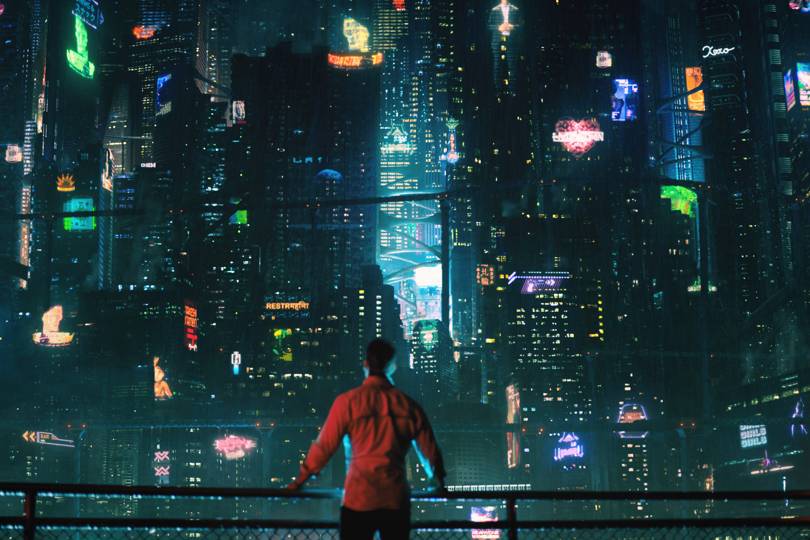
Back in 2011 I watched a show called Terra Nova that I thought was great. And it was canceled after one season. After that, I became reluctant to jump into any new show. Game of Thrones, Breaking Bad, The 100, and This Is Us are all shows that I only started watching after I knew there was a Season 3 filmed. I know I'm not alone in this behaviour. There is a downside to this type of risk-averse consumption of entertainment, though. It makes it harder for great shows to survive if they don't get a large enough audience fast enough. Netflix is notorious for ruthlessly killing shows that don't succeed quickly. But not every show can or will be a quick hit. So what's the solution?
Maybe I should give more shows a shot earlier and risk "wasting" my time if it's canceled and just deal with the downside of not being able to binge-watch multiple seasons. Or maybe Netflix should integrate more curation from studio professionals who have experience picking great shows and trust their judgement instead of relying mainly on short-term data. Both solutions seem equally good ... and equally unlikely. It's not an easy question.
Marc Pritchard Might Kill The TV Upfront, and Funnel More Ad Dollars To Diverse and Minority-Owned Media
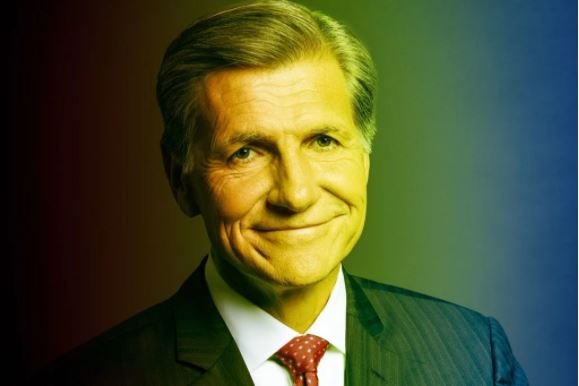
In my agency days, I never worked in media buying and never attended the lavish events of the annual TV upfront media buying ritual. From what I read, though, it always seemed like an outdated ritual. P&G Chief Brand Officer Marc Pritchard has been critical of this annual tradition for years, and the pandemic may offer the perfect excuse to kill it for good. That would be brilliant. Instead of locking ad dollars into predictable media buys at the start of the year, avoiding the upfront offers more leverage to brands and injects the need for more actual media buying strategy - instead of the lazy cut-and-paste "strategy" too many media planners choose to deliver. It also makes it far more likely that advertising dollars will go to more minority-owned media and diverse media channels. All of that is a big deal ... and a great thing.
Book Summary:
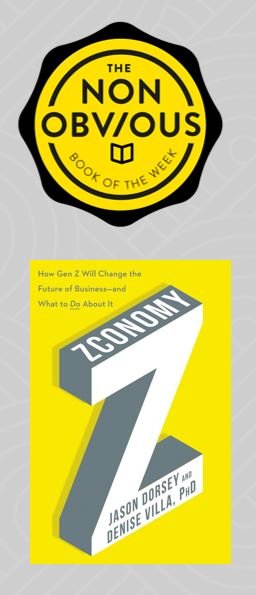
Another book about Generation Z might seem like a cliche at this point. We've seen the topic covered widely in the media. What sets this book apart is the fact that the authors draw upon their own deep first-hand research and experiences to pull out fascinating insights about what it will take to sell to, hire or simply understand the next generation of consumers and colleagues. Plus, if you have a Gen Z kid at home (like me), there are some useful insights in here worth reading.
