Inside Look at College Admissions, Why Some Are Religious and How Housing Solves Loneliness
What’s In This Issue?
This Week’s Main Stories
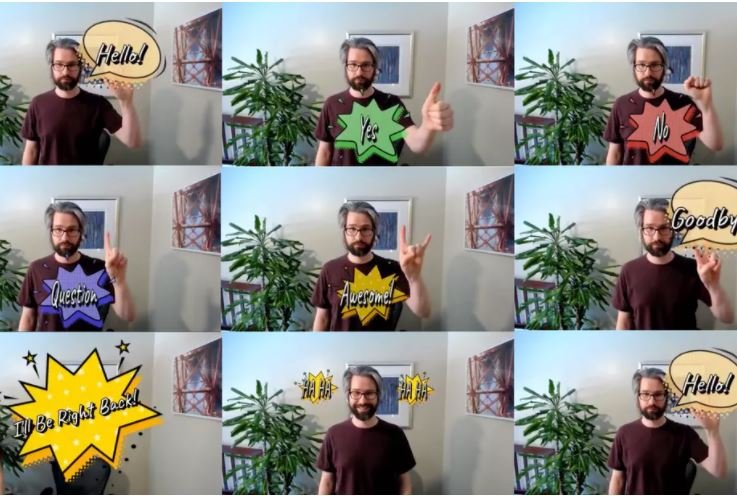 Story 01Use Gesture-Based Animations For Your Next Zoom Team Meeting
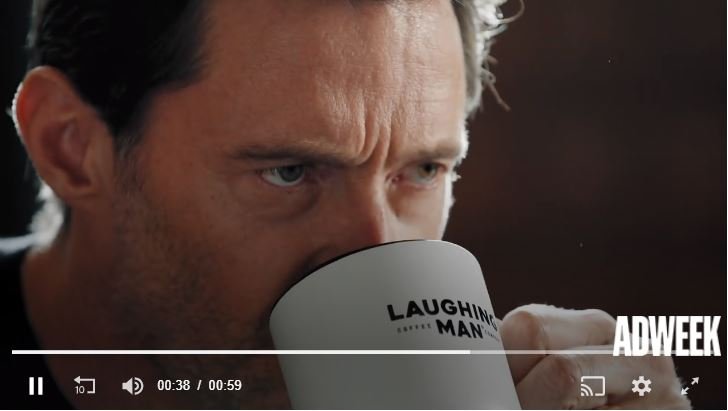 Story 02Why Isn't Hugh Jackman a Total Asshole? Here's the Answer ...
 Story 03Swedish Housing Experiment Offers a Unique Solution To Loneliness
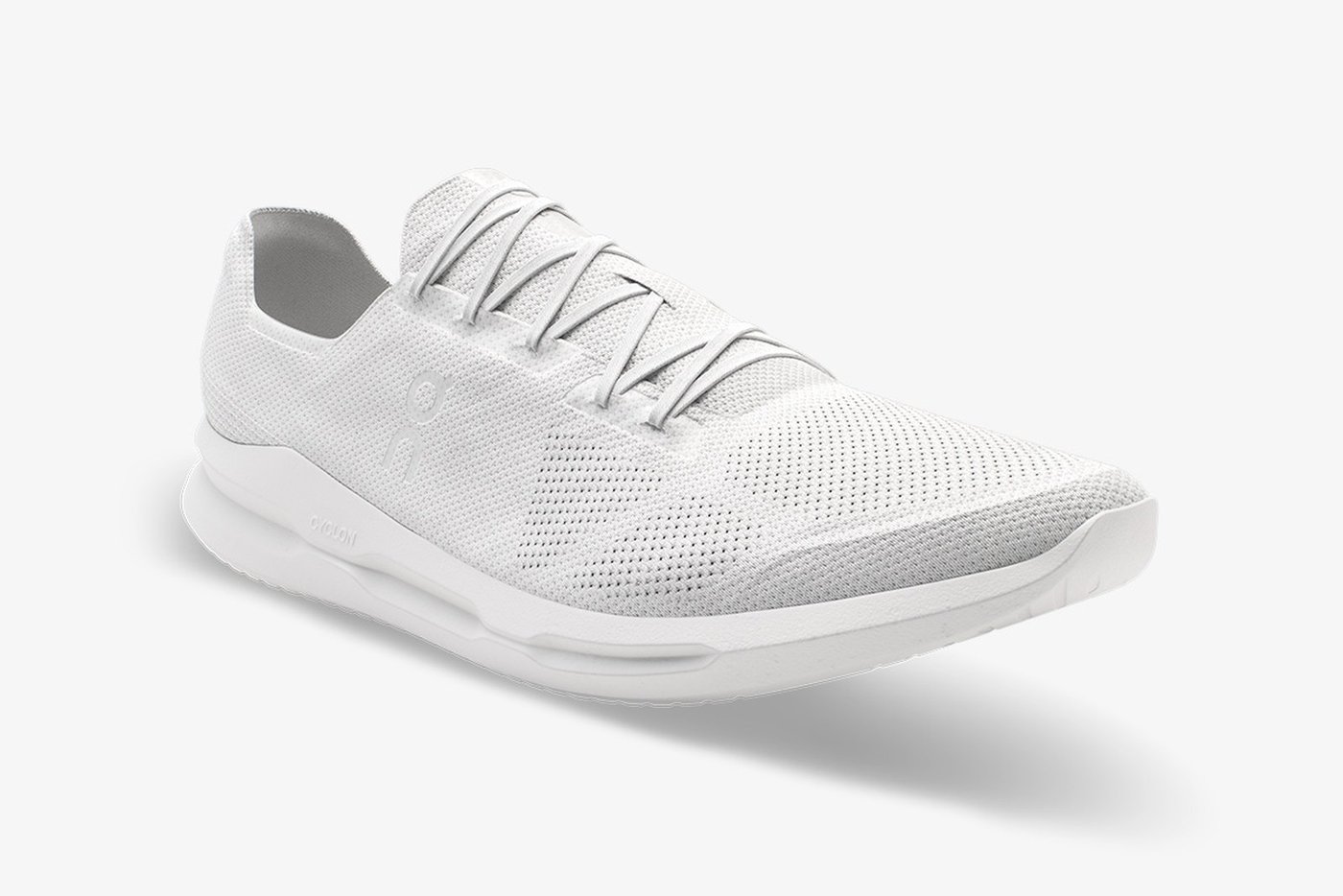 Story 04The New Recyclable Sneaker That You Will Rent Instead of Buy
 Story 05Microsoft Believes Datacenters of the Future Might Live Underwater
 Story 06Study Finds Pattern Recognition Ability May Impact Religious Beliefs
 Story 07Book Summary:
Use Gesture-Based Animations For Your Next Zoom Team Meeting
Imagine cartoon style animations that pop up based on hand signals you can use during your next video call. Sound cool? Turns out a Netflix engineer has already built it and now you can download the add-on to make your next Zoom meeting a little bit more fun. Based on different hand motions, you can use the tool to command different animations to appear once you give a thumbs up, or wave, or laugh or several other expressions. Do you need this? Probably not. But if you're suffering from zoom fatigue, you'll probably take any little enhancement you can get - and this looks to be a good one.
Why Isn't Hugh Jackman a Total Asshole? Here's the Answer ...
Coffee makes a lot of us more tolerable, but in Hugh Jackman's case it may literally turn him from a complete asshole into the lovable kind celebrity we all know. This is the fun transformation that we get to witness in a new advertising campaign for his line of coffee called Laughing Man. It's a great concept and a reminder that sometimes the best advertisements are the ones that are produced by talented actors instead of marketers. This is no content marketing. It's entertainment and it's pretty damn persuasive.
Swedish Housing Experiment Offers a Unique Solution To Loneliness
Swedes are known for their independence - young people start living alone in Sweden earlier than anywhere in Europe - but the problem of loneliness can affect people of all ages. For the past year, an experimental housing project in the town of Helsingborg has put young and old people together with the requirement that every resident promises to spend at least two hours conversing with their neighbors. More than half of the residents are over 70 years old, and the rest are between 18-25. So far, the residents are raving about the experience - and delegations from many other countries have come to study the model.
The New Recyclable Sneaker That You Will Rent Instead of Buy
Swiss footwear brand On launched a new high end sneaker called the Cyclon with the intriguing promise that the shoe can be fully recycled. Targeted at elite runners, a monthly subscription fee of $30 gets you shoes that you will wear and run in for about six months and then return them for a new pair. I love this idea. As long as early users are not unintentionally incentivized to recycle perfectly good shoes simply because they want a new pair, this new model could inspire competitors and other industries alike to consider offering the same type of service.
Microsoft Believes Datacenters of the Future Might Live Underwater
Just over two years ago, a team at Microsoft sank a shipping-container-sized data center into the ocean off the coast of Scotland's Orkney Islands. This week, they raised it back up to test the theory that a data center submerged into water would be more durable than one on land exposed to corrosion from oxygen, humidity and temperature fluctuations. It appears the experiment was a success - which proves just about every disaster movie's premise. If data centers are better off underwater, probably the bunkers that will save humanity after an extinction level event will need to be underwater too. At least if we still want to have our wifi.
Study Finds Pattern Recognition Ability May Impact Religious Beliefs
"Our hypothesis is that people whose brains are good at subconsciously discerning patterns in their environment may ascribe those patterns to the hand of a higher power."
A new research study from a team at Georgetown University tackles one of the bigger questions about humanity: why do some people believe in God? One theory the research suggests is that people who are better at pattern recognition are the ones who may be more likely to translate those patterns into belief in a higher power and become more religious as a result.
Book Summary:
The provocative title of this book has definitely captured attention - and the central argument of the book is literally counterintuitive. Yet the ideas the author presents are interesting to read specifically for that reason. Though he admits the premise that there will one day be a billion Americans is likely impossible, the thought experiment of this type of population growth leads to some potentially viable solutions to big societal problems. Which itself is a reason to pick up this book.
