Brand Chernobyl, Aloneliness, Ageless Instagrannies and the Upside of Solitude
What’s In This Issue?
This Week’s Main Stories
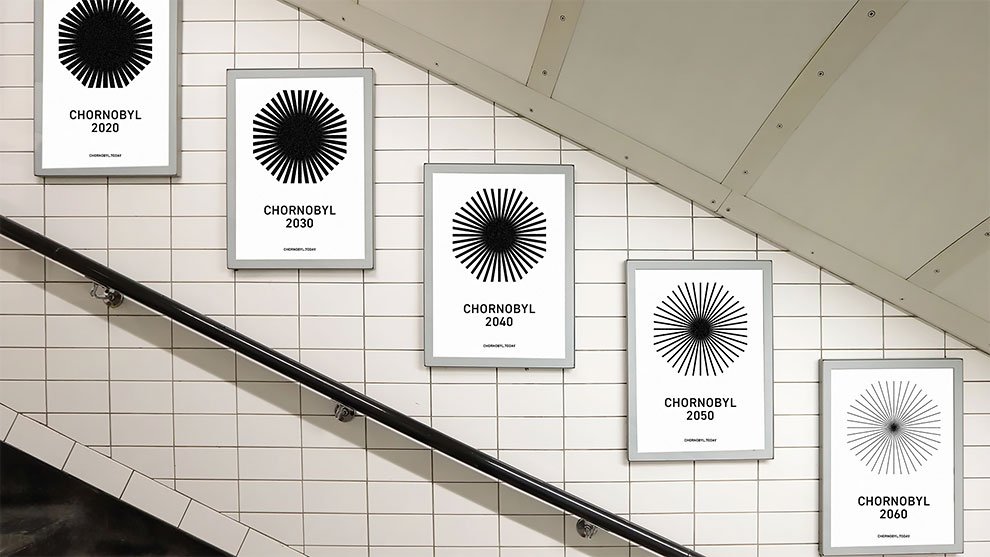 Story 01Brand Chernobyl: How To Tell An 88 Year Long Story With a Logo
 Story 02Do Spreaders of Misinformation Deserve to Get Banned Permanently?
 Story 03Being "Alonely" - The Forgotten Upside of Solitude
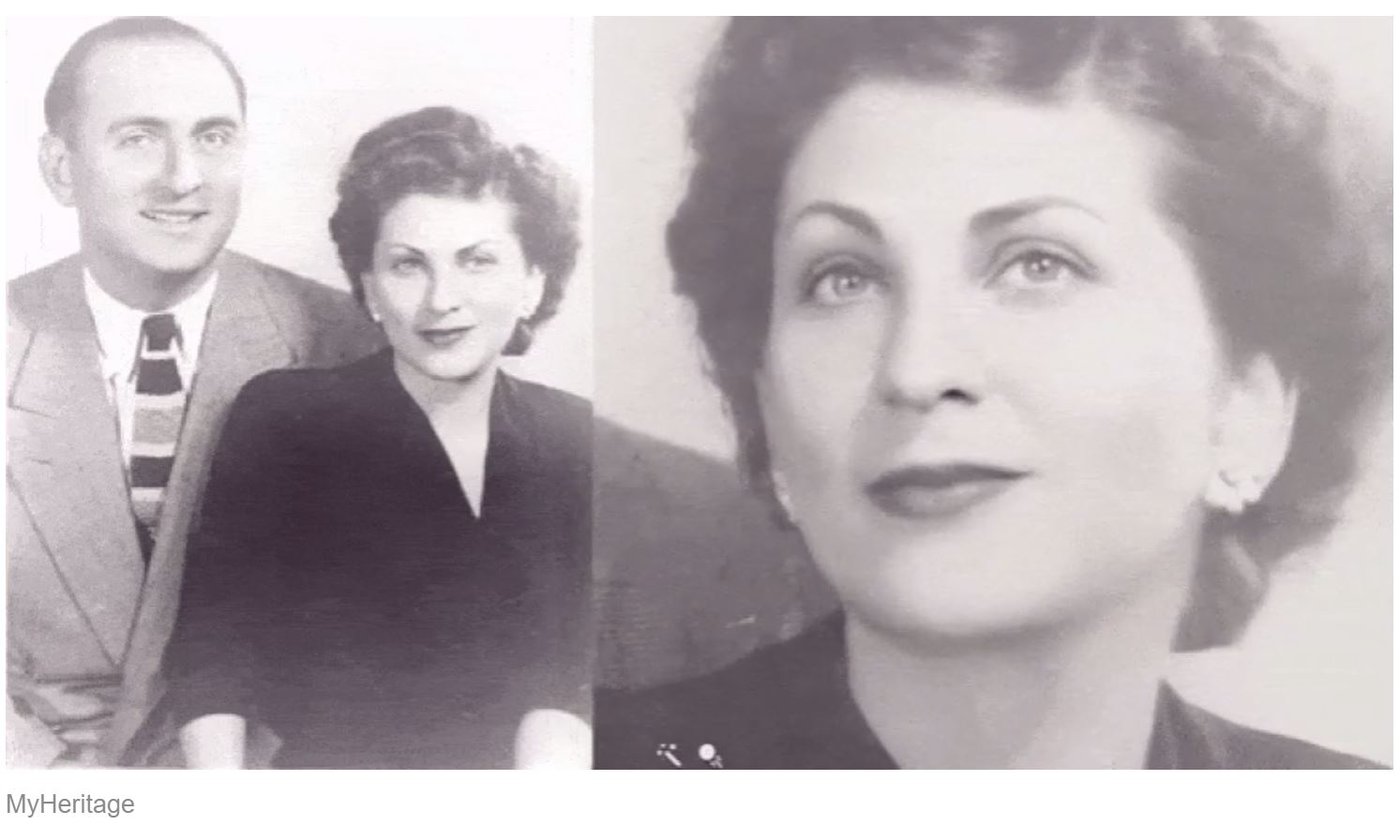 Story 04"Deep Nostalgia" AI Can Animate a Video From Your Old Family Photos
 Story 05How Clubhouse Might Cure Us All of Our Imposter Syndrome
 Story 06How Instagrannies Are Bringing "Granfluencers" To The Mainstream
 Story 07Rent Controls Are A Disaster. Berlin is the Latest Cautionary Tale.
 Story 08Here's how to connect with me LIVE this week for a conversation ...
Brand Chernobyl: How To Tell An 88 Year Long Story With a Logo
The Chernobyl nuclear power plant will forever be remembered for the 1986 disaster, but the work has been ongoing for the past 30+ years to decommission the plant and it will not be completed until approximately 2064. So how can you tell that story in a powerful and respectful way? An award-winning Ukrainian design agency offered a clever solution that features an annual logo that will slowly change in size over the next forty years as the region moves toward it's long term goal. It's a great example of how simple, thoughtful design can tell a story more memorably than numbers on a page.
Do Spreaders of Misinformation Deserve to Get Banned Permanently?
This past week, Twitter announced a "strike system" that will ban repeat spreaders of misinformation after their fifth warning. There is no denying the negative effects that deliberate liars and fire-starters can have on the world. Many of them knowingly use falsehoods to selfishly grow their own platforms. Some deeply believe in the misinformation and their free speech right (depending on where they live) to share what they think no matter what.
Do they deserve to get deplatformed and banned for life? Is this practice serving a greater purpose or introducing a shady gray area where platforms like Twitter get to decide who has a voice and who doesn't? At the moment, it seems your answer to this question (and mine) might be based on whether you agree with the choices of who is getting banned.
Being "Alonely" - The Forgotten Upside of Solitude
Loneliness is an epidemic. Even before Covid-19, millions of people around the world were suffering from a lack of human connection. Things have gotten worse over the past year - inspiring countless mental health studies and at least one government to appoint a minister of loneliness. It turns out this time of forced isolation may also be having the far less studied effect of depriving people of much needed alone time as well.
"While many people are lonely ... [they] may alternatively (or simultaneously) be suffering from something called '“aloneliness,'" —defined as the inability to spend enough time alone.
Having alone time has long been correlated with creativity and inspiration by authors and poets. Now there's a word for the feeling ... being "alonely." While it seems odd to crave solitude at a time when so many people are coping with crippling loneliness, this story is really about the importance of balance. Loneliness isn't a good feeling. Aloneliness isn't either.
"Deep Nostalgia" AI Can Animate a Video From Your Old Family Photos
Just imagine looking at a 50 year old family photo and seeing the faces come to life as if the photo were an old video. Family genealogy website MyHeritage.com launched a provoking new marketing campaign this week, allowing users to animate an old family photo. For some people, this is a powerful emotional experience that is already generating a lot of comments and buzz online. It doesn't hurt that nostalgia is hot right now in everything from the comeback of old past times (puzzle-making!) to the near-constant stream of 80's era movie sequels (Coming to America 2!).
How Clubhouse Might Cure Us All of Our Imposter Syndrome
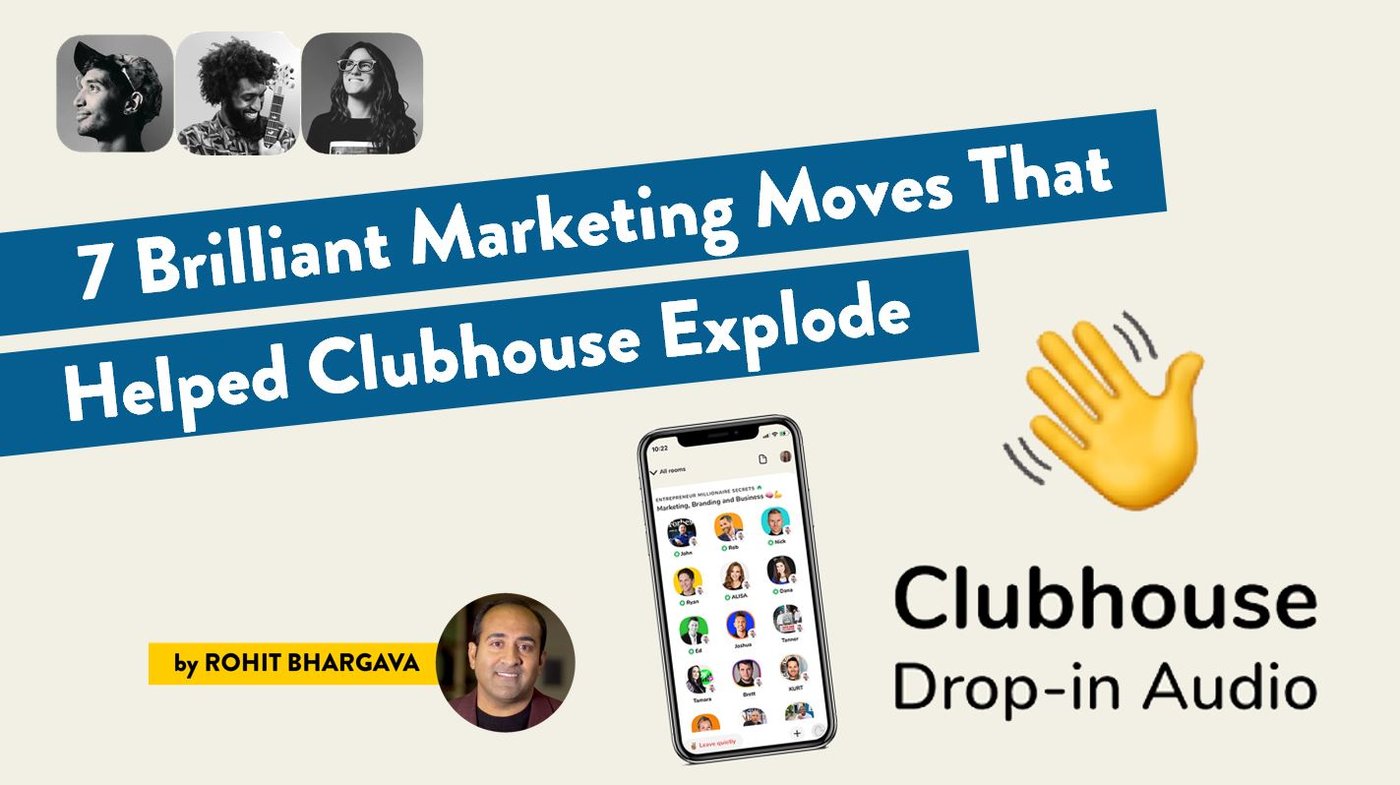
Clubhouse is a hot mess. Or it's the future of social media. The drop-in audio app is a much needed source of human connection and sometimes a breeding ground for bigotry. How and why did it explode? I wrote a piece earlier this week on 7 brilliant marketing moves that may have contributed to its success.
The most interesting thing about the platform I read this week was the suggestion that it might also offer an accidental cure for your imposter syndrome. After all, the more time you spend listening to rooms filled with people trying to sound as smart as possible, the more you realize no one is really as smart as their bio makes them seem.
How Instagrannies Are Bringing "Granfluencers" To The Mainstream
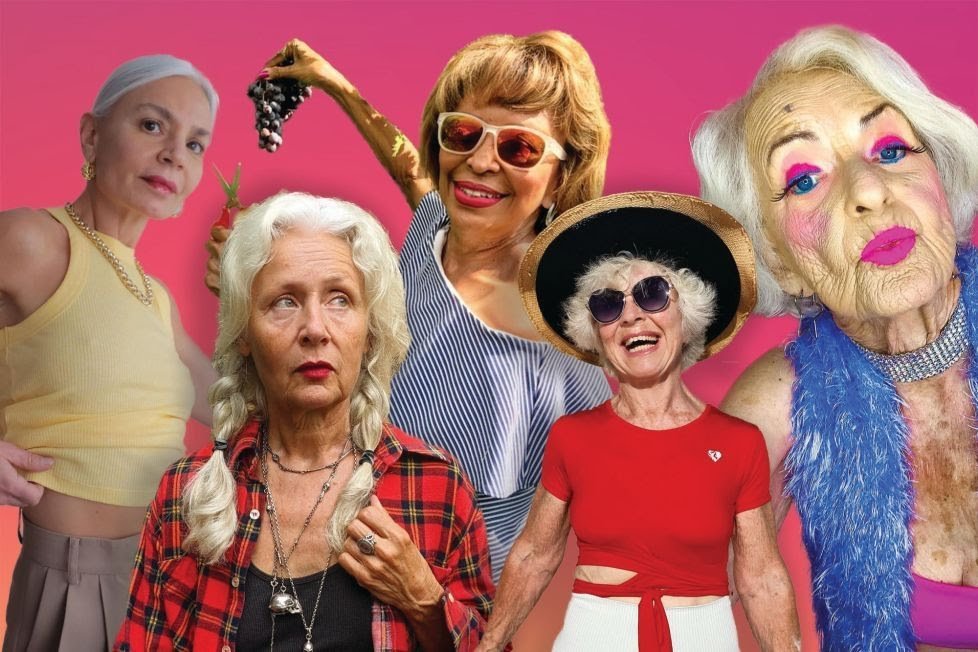
92-year-old Helen Ruth Elam has been "stealing your man since 1928." She's just one of the growing ranks of "Granfluencers" —older users of social media who are building loyal fan bases and cashing in by working with brands to promote products to their followers. What's most interesting about this group is that their target audiences don't seem to be people from their own age group. Rather, many of these "Instagrannies" seem to be inspiring a new generation of kids about the age of their own grandchildren. No one would ever think of their parents as "cool" ... but Grandma? She's the one they all want to go grow up to be like.
Rent Controls Are A Disaster. Berlin is the Latest Cautionary Tale.
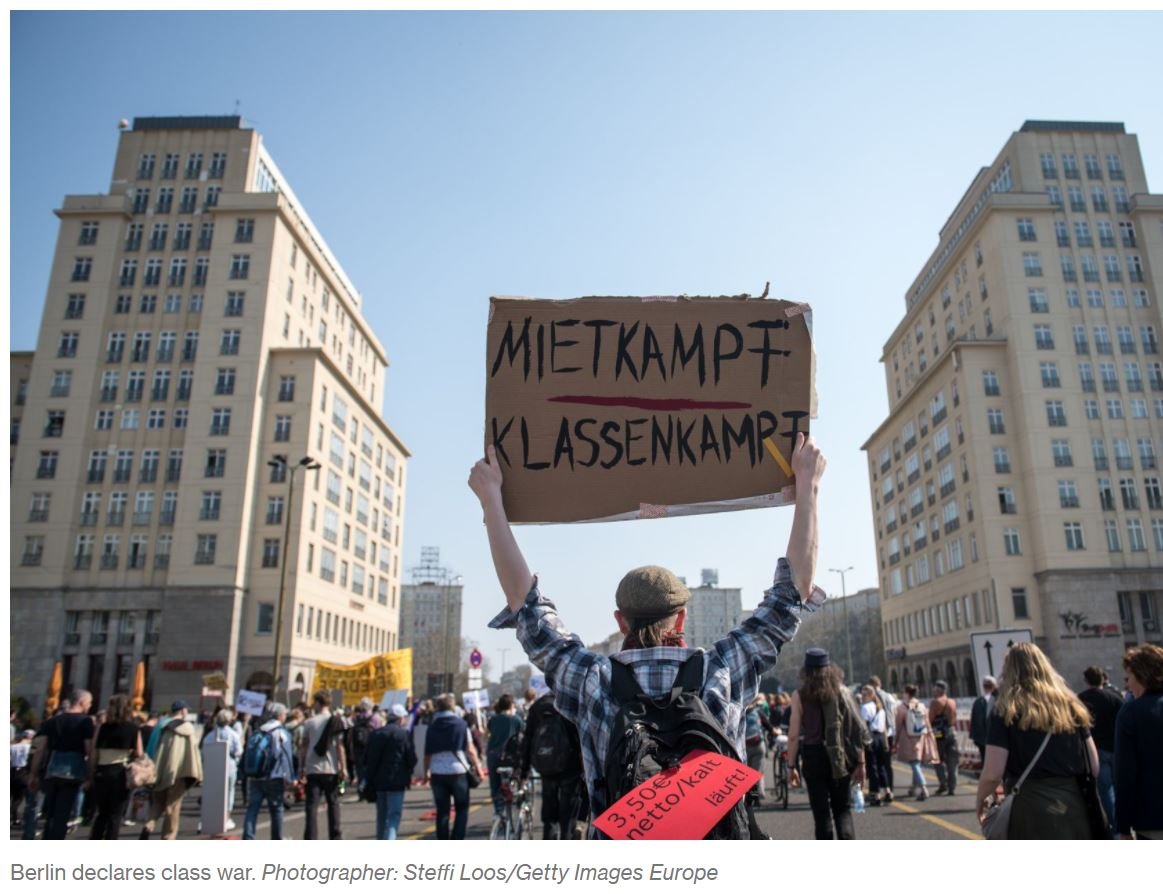
Rent controls seem like a logical thing to do. When housing becomes unaffordable, why not put in a control to avoid landlords from gouging tenants because there is more demand than supply? Unfortunately, the numbers from city after city that have tried this are dismal. Berlin is the latest example, where the caps are good for those already in regulated apartments (those built before 2014), but "simultaneously, they hurt all other groups — especially young people and those coming from other cities — by all but shutting them out of the market."
The entire story is a sad reminder of just how little value legislators and leaders often place on learning from history or seeking insights from experts, foreign colleagues or countries. When you refuse to ask for help or seek out advice from those who have been there before, you doom yourself to repeat the same mistakes they already made.
Here's how to connect with me LIVE this week for a conversation ...
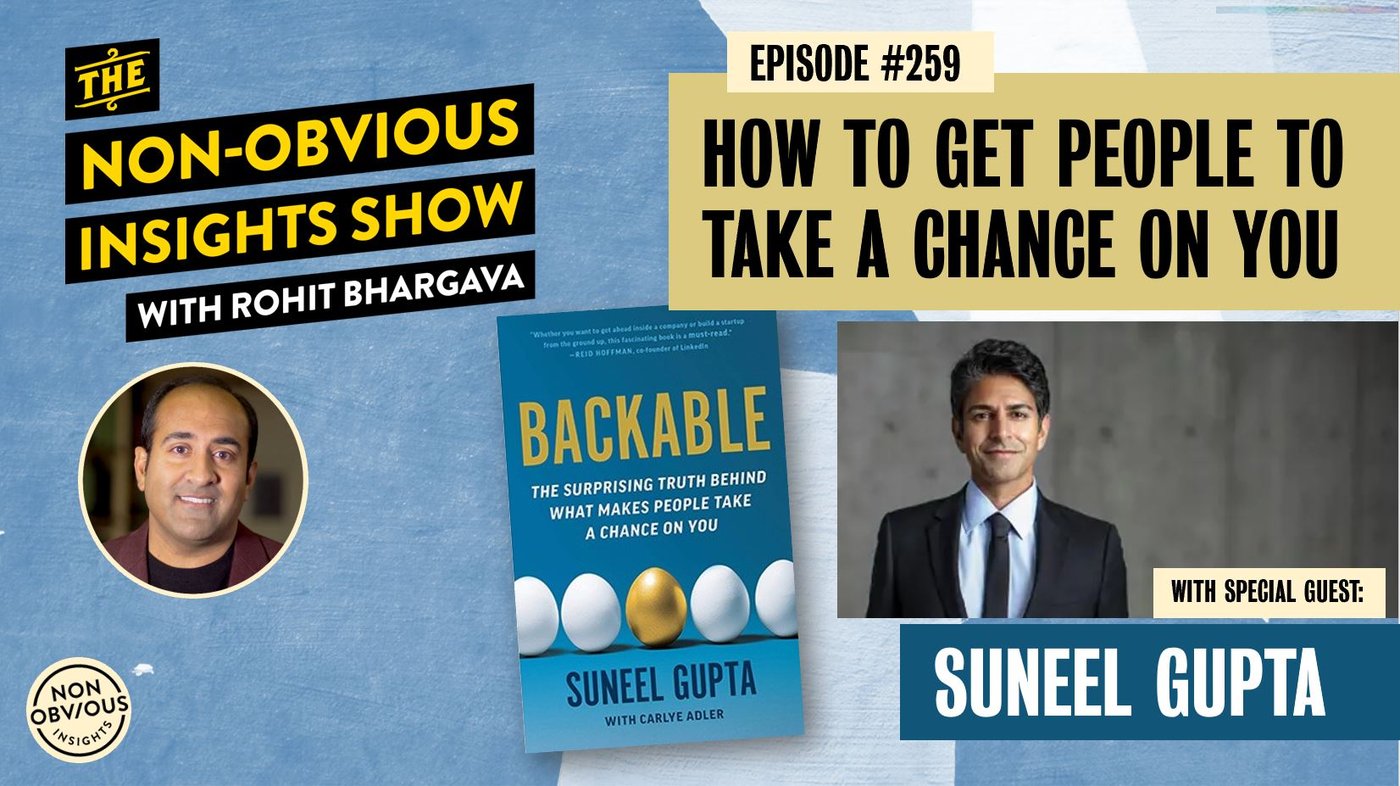
On this week's Non-Obvious Insights Show, I will be interviewing author Suneel Gupta about his book Backable - which reveals how to get anyone to take a chance on you.
Every Thursday afternoon, my friend and co-author Henry Coutinho-Mason host an audio conversation on Clubhouse about future trends.
