NASA's Secret Message, the Truth About Cheese and Why Athlete's Birthdays Matter
What’s In This Issue?
This Week’s Main Stories
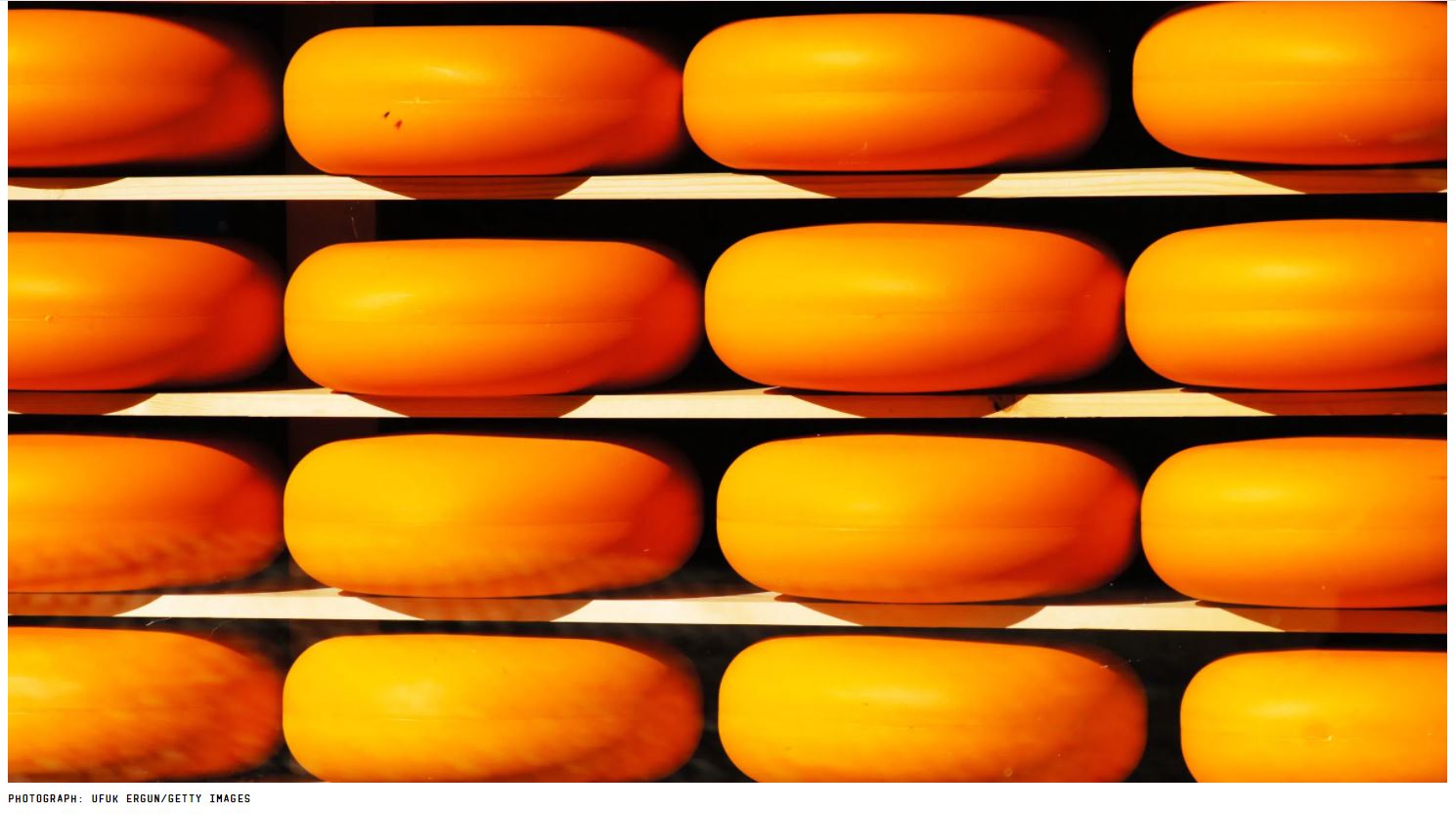 Story 01Cheese Isn't Actually Bad For You.
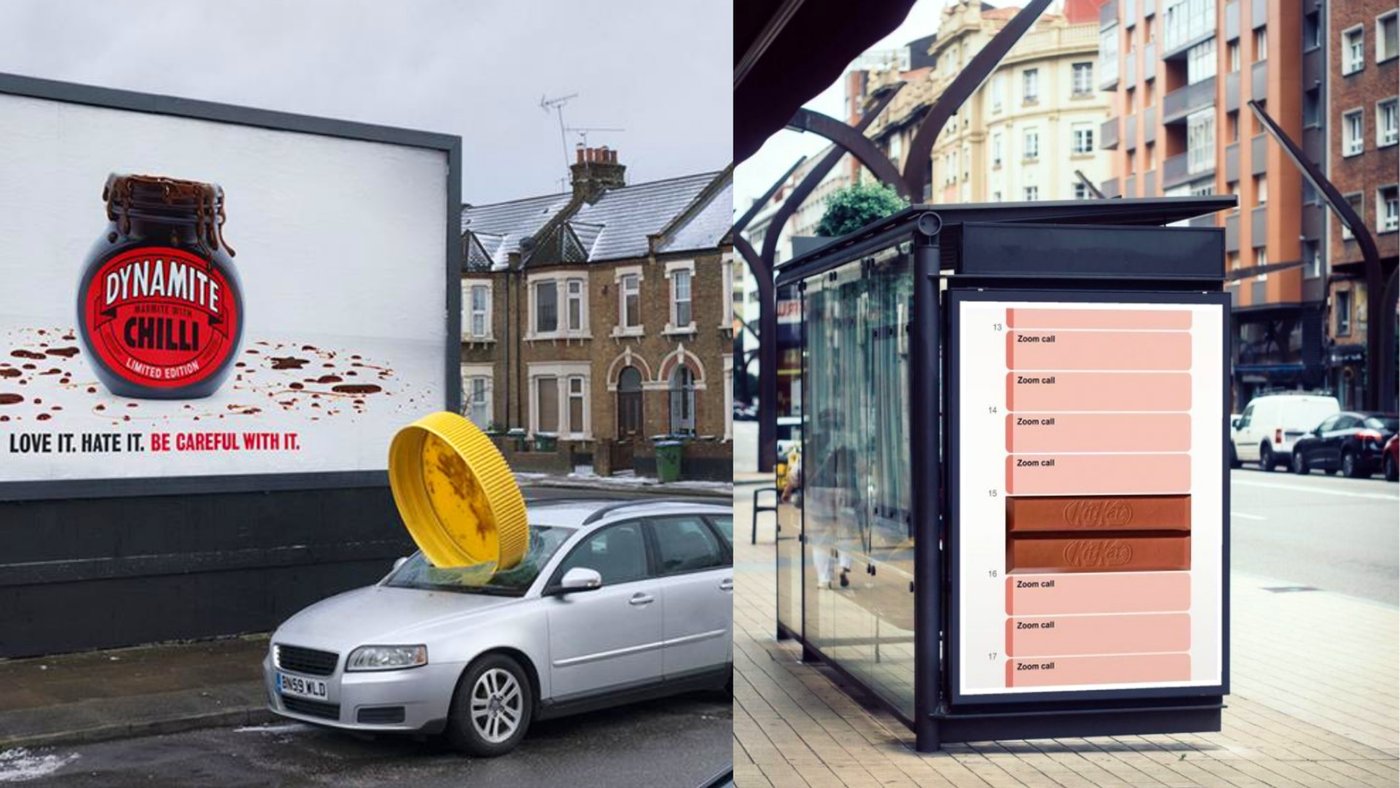 Story 02Do Social Media and Out of Home (OOH) Advertising Need Each Other?
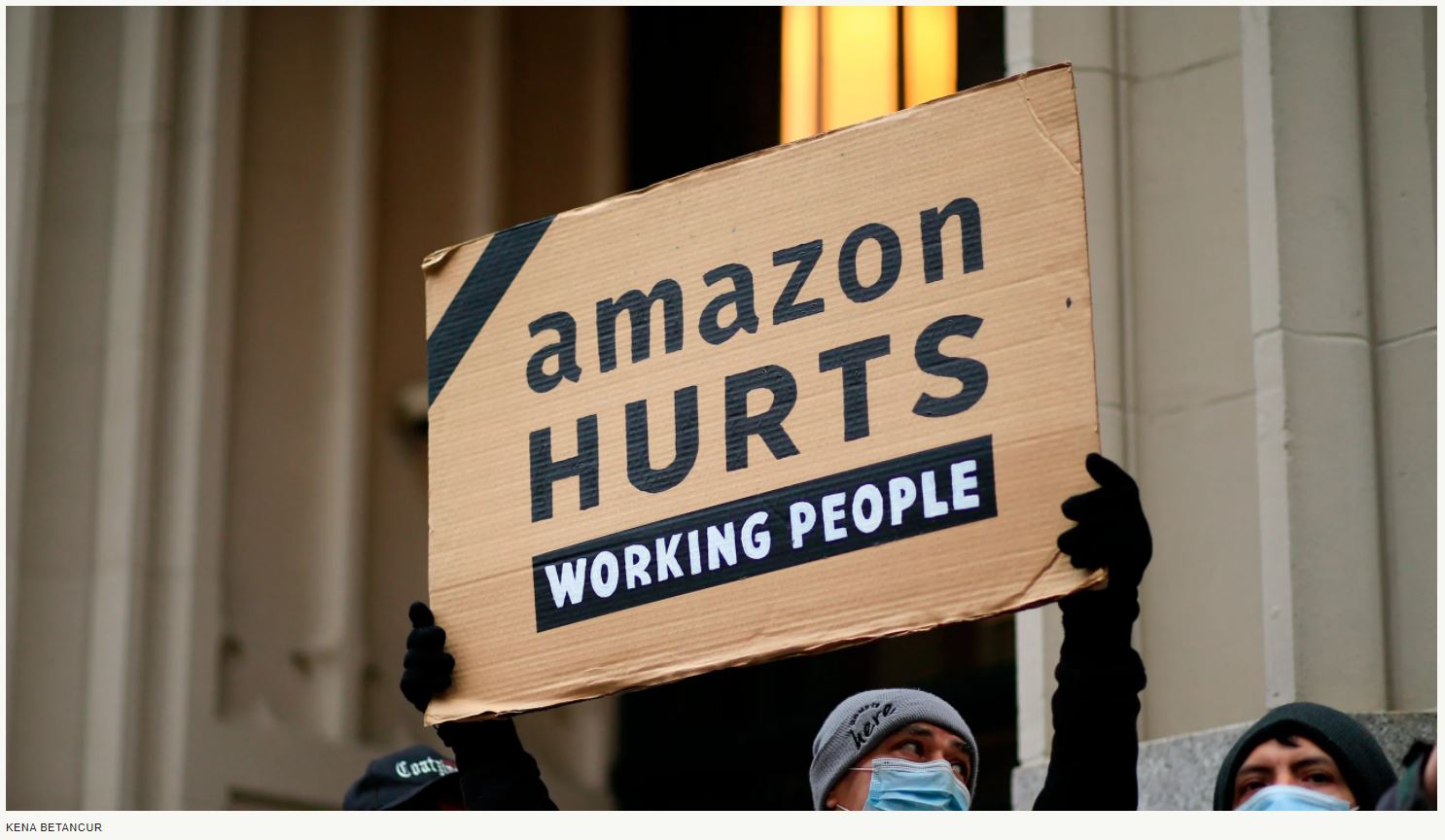 Story 03Workplace Trust Is Breaking Down Among Hourly and Gig Workers.
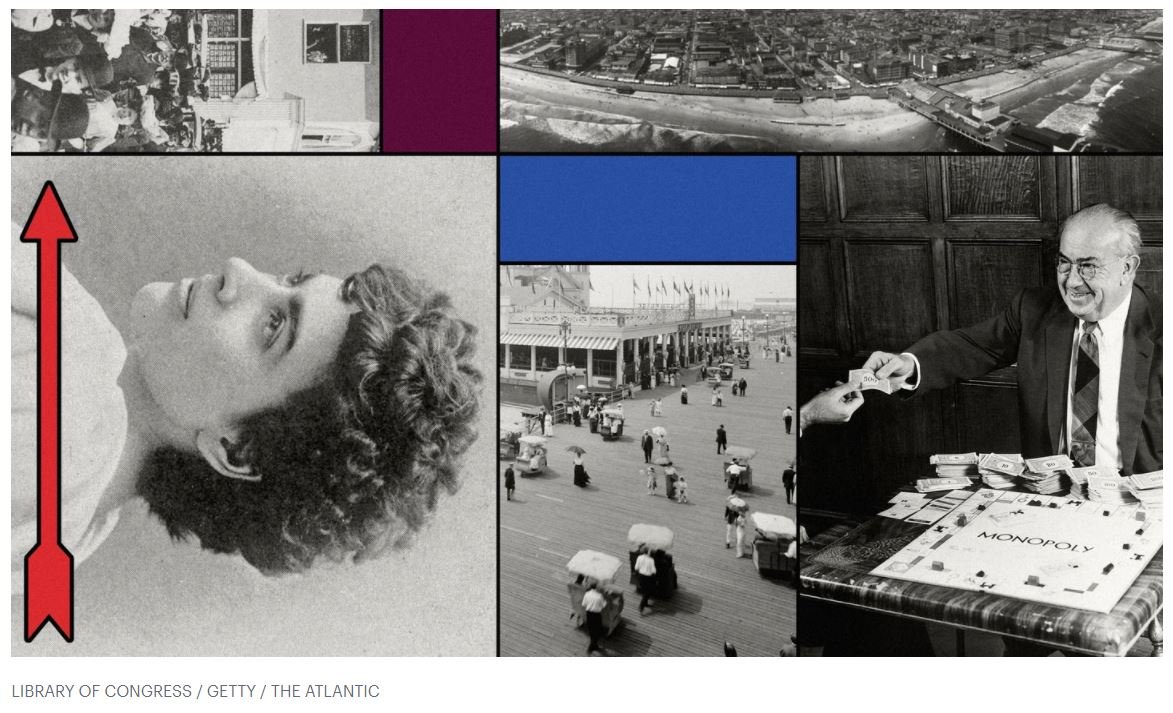 Story 04What Monopoly Can Teach Us About Our Own Inconvenient History.
 Story 05Here's how to connect with me LIVE this week for a conversation ...
Even More Stories
Cheese Isn't Actually Bad For You.
In my opinion, this is big news (probably because I love cheese). It turns out researchers are now saying that cheese isn't actually bad for you. Worst case, it's a so-called "neutral" food, and in the best case, some cheese may offer beneficial gut bacteria that actually helps you lose weight. Apart from Indian food, my favorite thing in the world to eat has always been fresh bread and cheese. Bread (sadly) is still forbidden by most diets - but at least we can break into the cheese with a little less guilt.
Do Social Media and Out of Home (OOH) Advertising Need Each Other?
Earlier this week I shared a bus stop ad for Kit Kat that had gone viral. I've shared those before. In every case, I had never seen the ad in real life. As this insightful article from marketing publication The Drum asks: did the ads even need to actually exist in real life in order to be effective? Unless there's a direct offer, the impact of OOH advertising has always been hard to measure ... but when concepts can be photoshopped onto billboards and go viral on social media, it raises some fundamental questions about the value and future of a century old advertising medium. Will social media kill the billboard, or do they need one another to co-exist? What do you think?
Workplace Trust Is Breaking Down Among Hourly and Gig Workers.
One of the bigger stories this week was all about Amazon workers in Alabama petitioning to unionize and organize collective rights in response to Amazon's notoriously aggressive performance targets and poor working conditions that had some warehouse workers peeing into plastic bottles. A related story you might have missed was about how gig workers are building and using apps and algorithms to track how they are being paid and spotting discrepancies. The theme across both stories is clear: many gig and hourly workers don't trust their employers to treat them well ... so they are taking matters into their own hands. This is what a breakdown of workplace trust looks like, and the problem seems to be growing.
What Monopoly Can Teach Us About Our Own Inconvenient History.
Have you ever wondered why the properties on a Monopoly game board are priced the way that they are? It turns out the pricing was based on the segregated streets of New York at a time when the class divide was even worse than today. This article offered a sobering reminder that the artifacts we ignore or forget may hold the key to understanding the past, if we can remember to appreciate them:
"Seldom do we treat board games as important cultural artifacts akin to paintings, songs, or movies. But commonplace objects tucked into our closets and handed down from one generation to another can tell us important things about our past."
Here's how to connect with me LIVE this week for a conversation ...
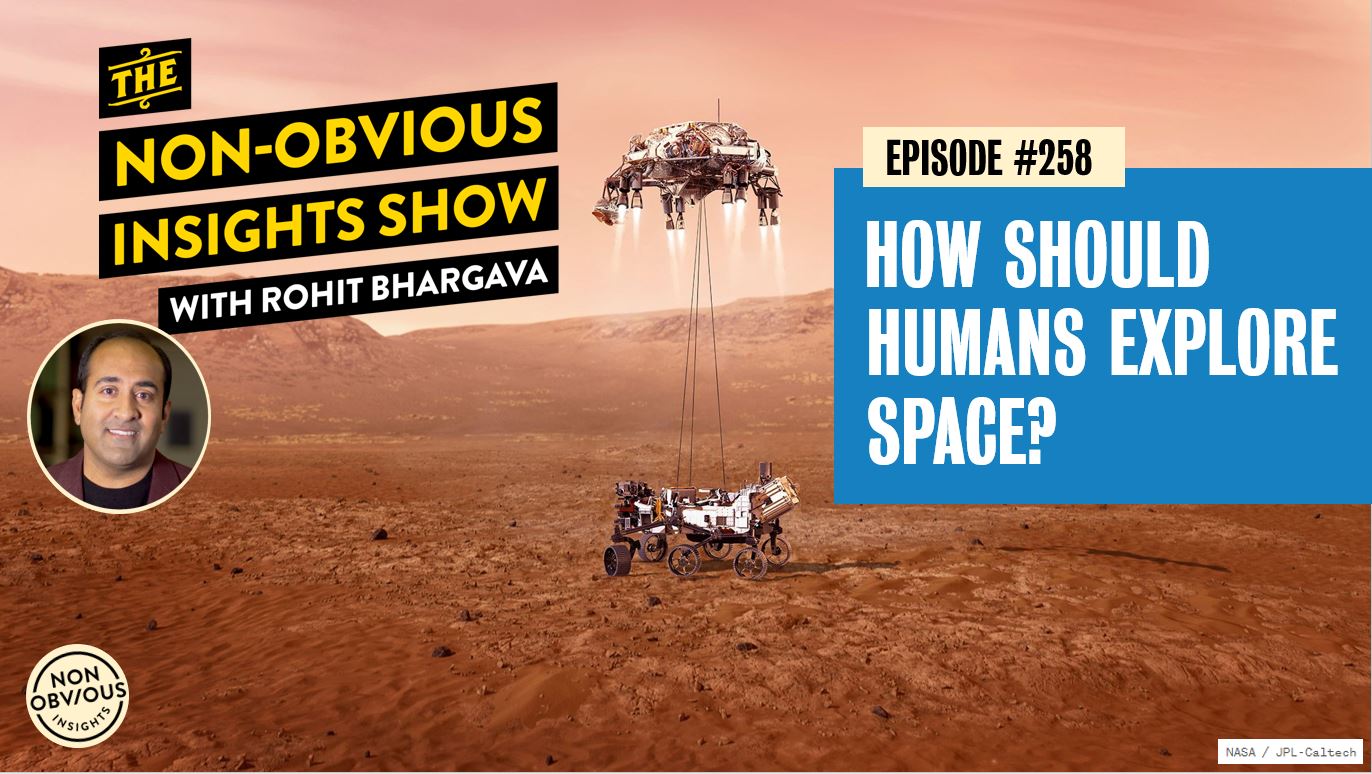
This week's Non-Obvious Insights Show will focus on how humans explore space with special guests from NASA and other experts in the space industry. Don't miss it!
Every Thursday afternoon, my friend and co-author Henry Coutinho-Mason host an audio conversation on Clubhouse about future trends.
