Disney's Insignificant Stories, Haunting Ice Music, Explaining NFTs and How To Support Women
What’s In This Issue?
This Week’s Main Stories
 Story 01Can Social Media Nudge Us To Be Kinder To One Another?
 Story 02How To Understand Why NFTs Matter ... Without Getting Too Confused
 Story 03The Hidden and Haunting Message Behind the Ice Music Festival
 Story 04How Disney Is Winning With Stories of Insignificant Heroes
 Story 05The Germans Coined More Than 1000 New Words Due to the Pandemic
 Story 06Instagram Influencers Are Becoming The New Televangelists
 Story 07Here's how to connect with me LIVE this week for a conversation ...
Can Social Media Nudge Us To Be Kinder To One Another?
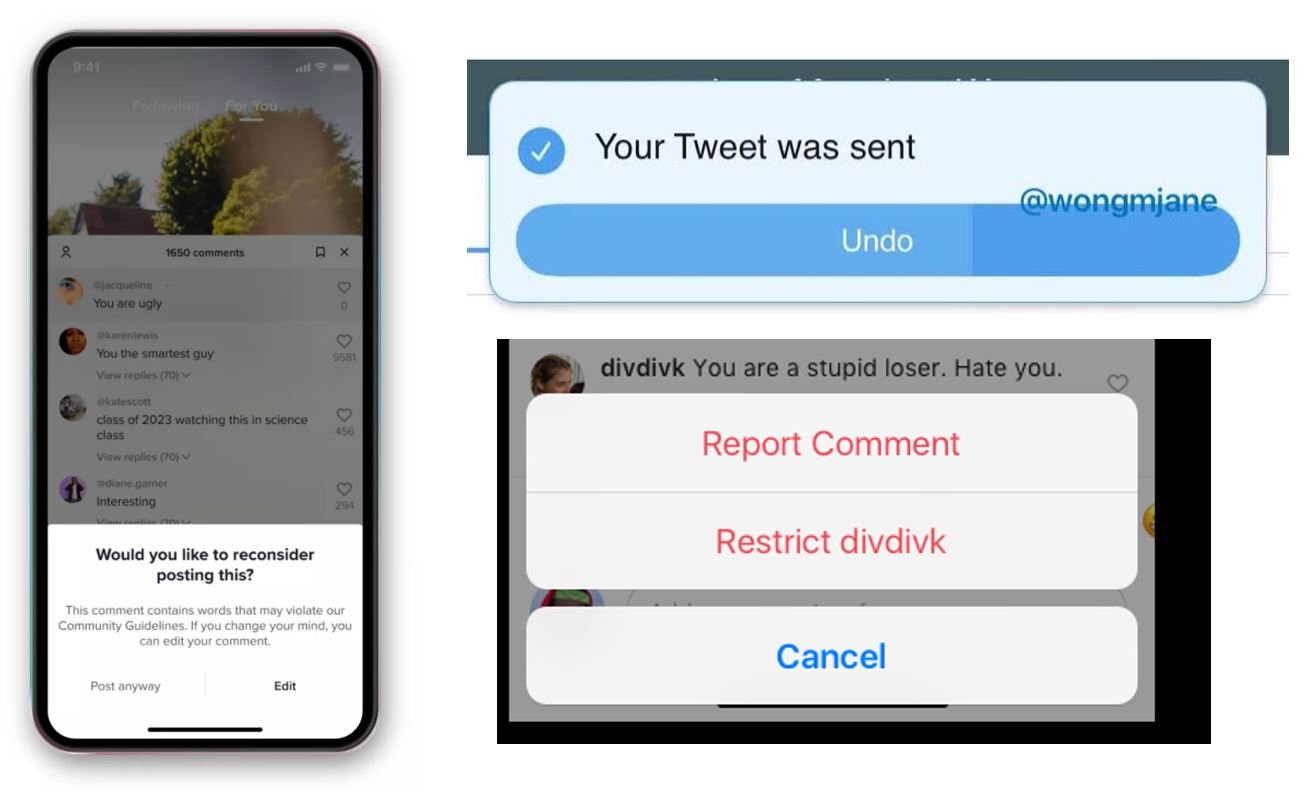
Social media is home to plenty of mean, racist and destructive comments The problem has become so bad an entire nation decided to ban Facebook. Can features that prompt users and spotlight the meanness actually make people kinder to one another? The social media platforms seem willing to give it a try.
This week Tik Tok released a "Reconsider" feature that flags comments and prompts users to confirm they want to post the comment. Twitter is beta testing an "Undo Send" feature as a last chance to take back an ill-advised tweet. Instagram released a feature last year to let people "Restrict" a bully's ability to post comments without blocking the bully (which studies showed might lead to retaliation). Facebook even managed to publish an old "Abuse Resources" page with kindergarten advice like "think before you post," but even they will probably get around to doing something. Or maybe not. They are hard to predict.
Recent studies suggest that these types of "nudges" show limited impact when it comes to actually changing behavior. What's more likely to work is the plentiful stories of people getting fired or ostracized because of something they posted on social media years ago. The sad truth is ... fear does motivate. And if fear keeps people from being assholes, trolls, perverts and racists online today because they are afraid it might get them fired five years from now - I'd say that's a win for us all.
How To Understand Why NFTs Matter ... Without Getting Too Confused
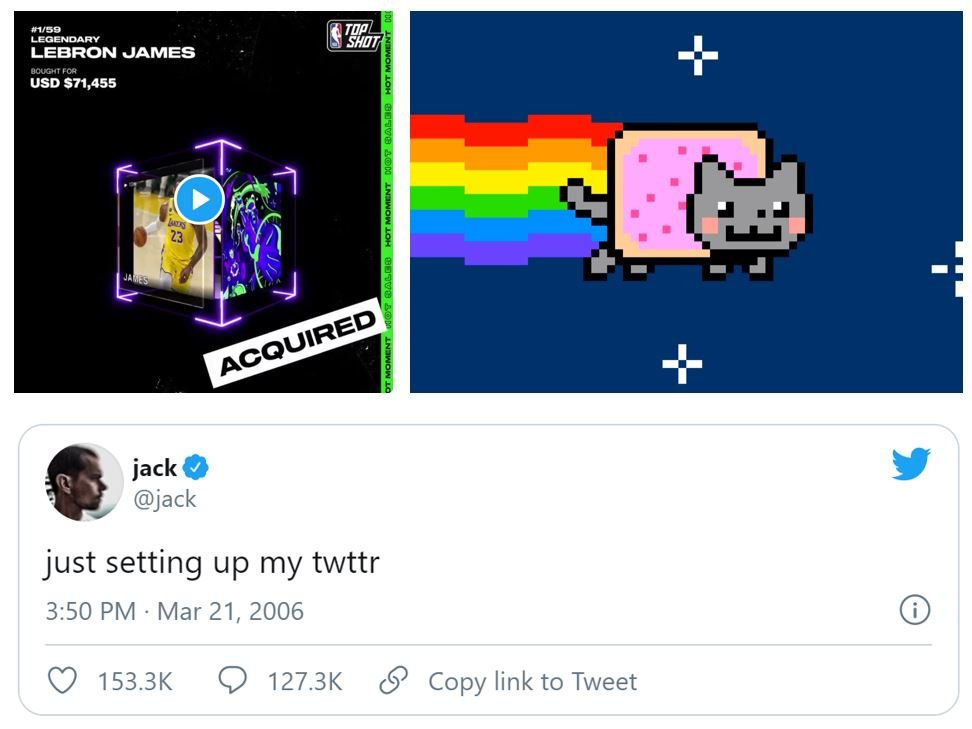
If you've been reading the news this week, you've probably seen lots of stories about NFTs. Why is this the hot new thing? And who would spend $208k on a video clip of Lebron James dunking a basketball? To explain the phenomenon, I thought I'd curate a collection of stories to help demystify NFTs.
I'd recommend starting with this NPR article defining NFTs (Non-fungible tokens) and this useful post from The Verge. A short description: "the digital equivalent of the newest Nike Air Jordans." So the next question is, what are people creating and selling with NFTs right now?
The first industry to take off was digital art. Soon after the NBA clips start circulating, NFTs hit the world of sports with some NFL stars offering NFT digital trading cards. Then celebrities started selling ownership of their popular tweets. Now indie video games are using NFT to fundraise. Rock bands are releasing exclusive music albums as an NFT. Taco Bell started selling taco-themed GIFs and images. Rapper Azealia Banks even sold an audio sex tape as an NFT to a guy who tweeted about it, and then (of course) offered his own tweet for sale as an NFT. To test the tech, I put one of my own tweets up for sale just for fun. It's about marketing spinach. I'll let you know if bidding passes the $1M point by next week.
How Disney Is Winning With Stories of Insignificant Heroes
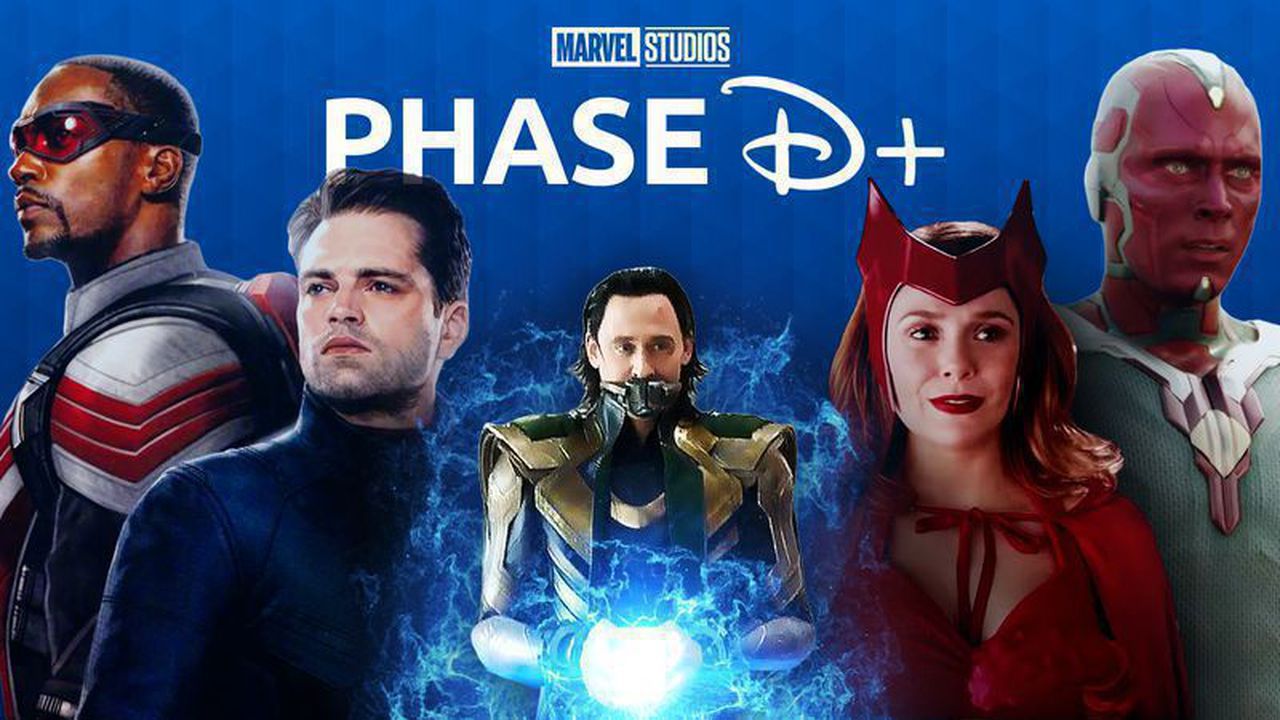
Years ago I read a play called Rosencrantz and Guildenstern Are Dead that told the story of Shakespeare's Hamlet from the perspective of two insignificant characters. I was reminded of it this past week as I finished watching the final episode of the Disney+ hit show WandaVision. It is the first of several Marvel superhero shows focused on insignificant side characters. Future shows will feature Thor's brother Loki and Captain America's best friend, the Winter Soldier.
This deep dive into the backstory of forgettable characters from the big Avengers films is paying off for Disney+. The streaming platform has blown past projections and hit 100 million subscribers. More interestingly, they have a nearly unlimited range of characters from Marvel Comics to bring to life. Passionate fans. Unlimited stories. Explosion in home entertainment. Things are looking pretty good for Disney+.
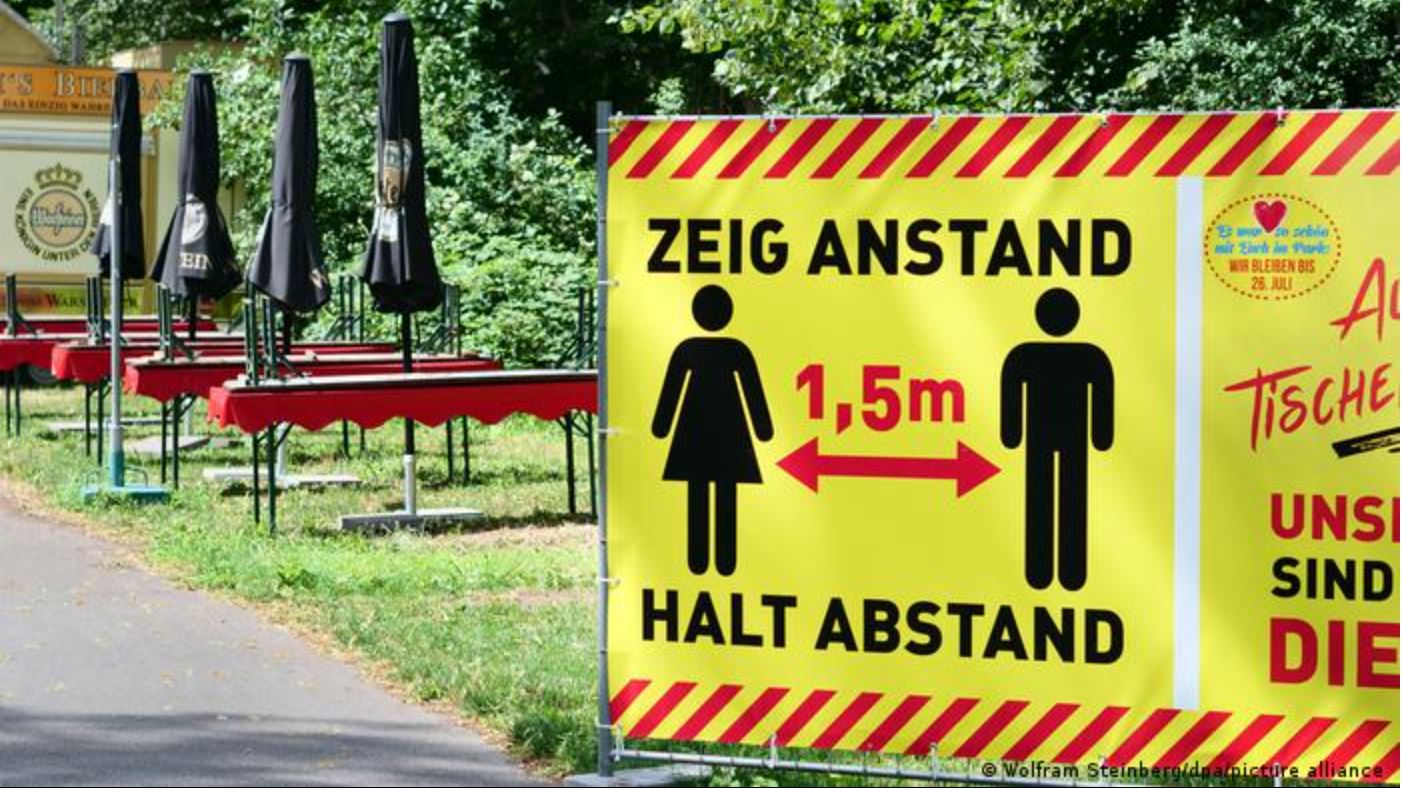
The Germans Coined More Than 1000 New Words Due to the Pandemic
The German language, which routinely combines existing words to make new words had an interesting linguistic response to the pandemic. The German media and people coined nearly 1200 new COVID-inspired terms. Here are a few of the best ones that we definitely need in English too:
- Maskenmuffel - "Grumps" who refuse to wear masks.
- Abstandsbier - Having a drink with someone while keeping a safe distance.
- Corona-Matte - Pandemic hair badly in need of a trim.
- Impfdrängler - Someone who jumps the queue and cheats to get their vaccine sooner than they should.
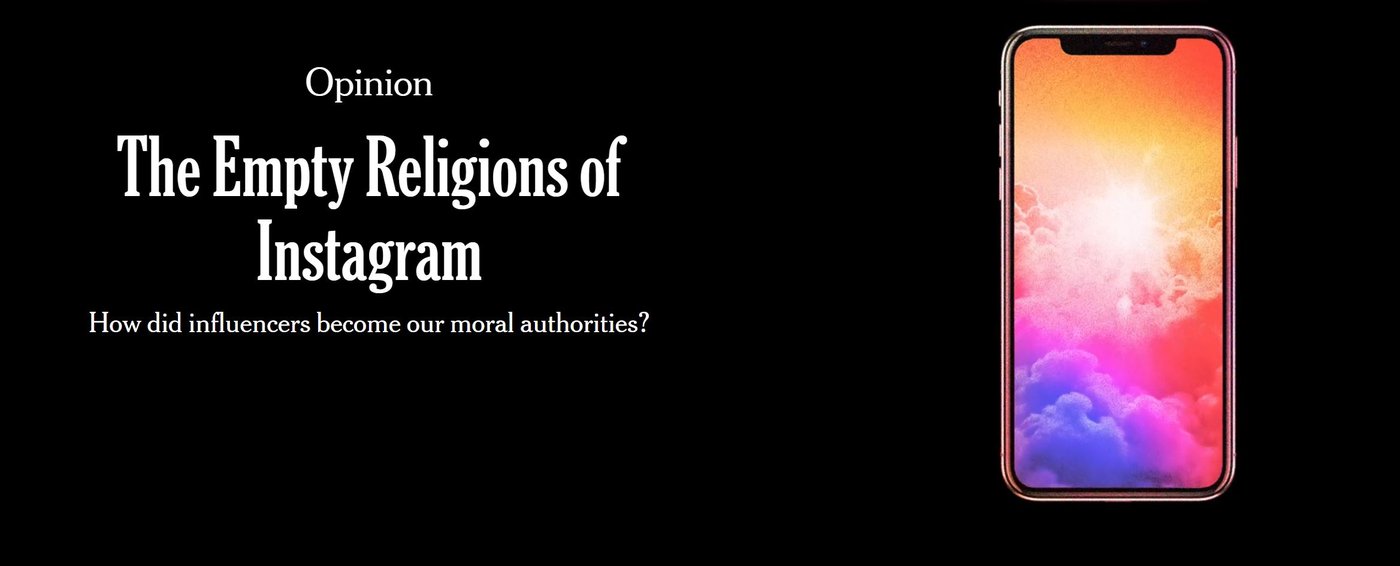
Instagram Influencers Are Becoming The New Televangelists
"The whole economy of Instagram is based on our thinking about our selves, posting about our selves, working on our selves. There is a chasm between the vast scope of our needs and what influencers can provide. We're looking for guidance in the wrong places."
What happens in a world where young people move away from more spiritual groups or religion and instead put their faith (and money) into life hackers, wellness gurus and motivational coaches? Novelist Leigh Stein explores this emotional doomsday scenario in a sharp piece in the NY Times this week, and explores how dangerous it is when vulnerable people put too much faith in these so-called "Instavangelists." As with televangelists, it is sad when people put their trust in manipulators who don't deserve it in the first place.
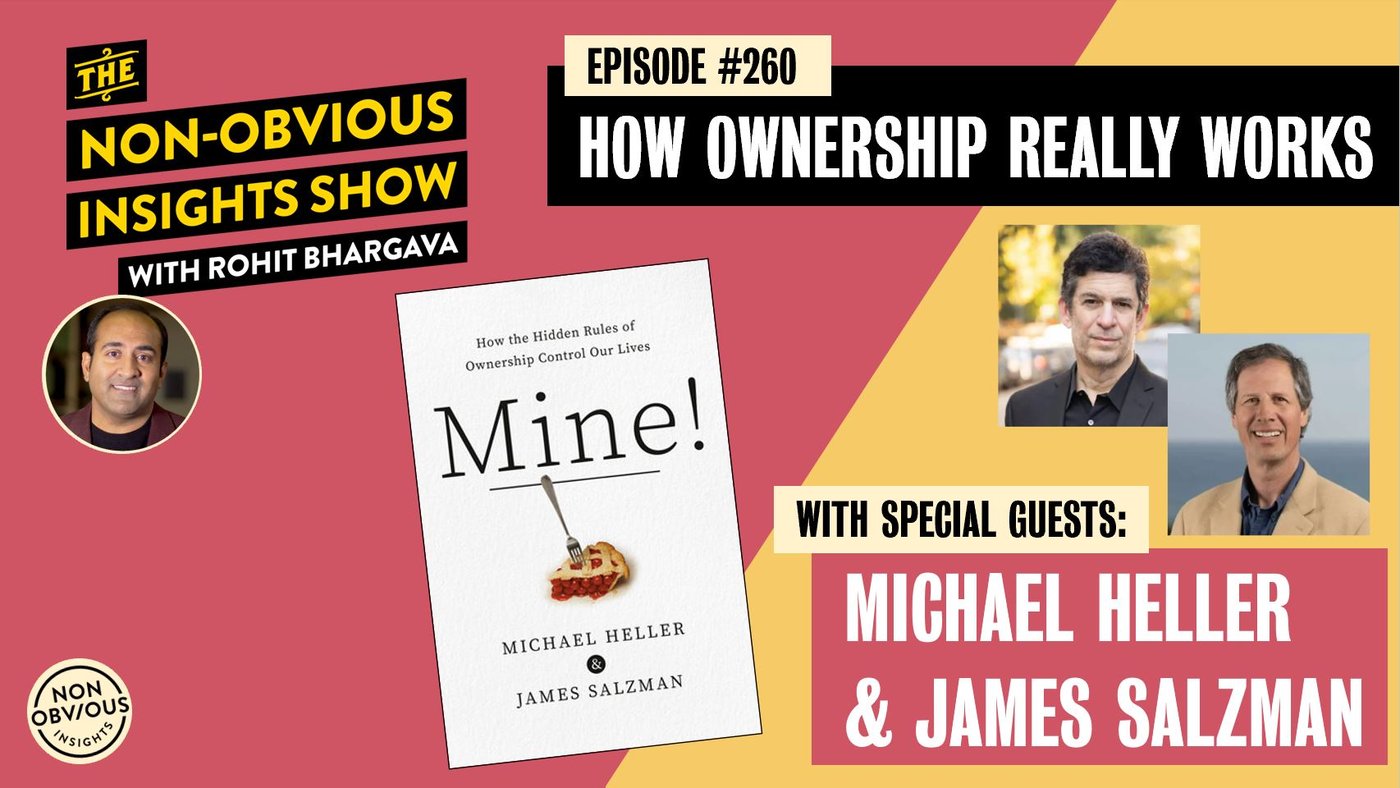
Here's how to connect with me LIVE this week for a conversation ...
On this week's Non-Obvious Insights Show, I will be interviewing law experts an authors Michael Heller and Jim Salzan about how ownership really works in the world today.
Every Thursday afternoon, my friend and co-author Henry Coutinho-Mason host an audio conversation on Clubhouse about future trends.
