Anger Rooms, How To Spot A Fake Viral Video and Why Adding Esports To The Olympics Matters
What’s In This Issue?
This Week’s Main Stories
 Story 01How An "Anger Room" Can Help You Manage Your Rage
 Story 02The Mask That Displays Your Emotions In Real Time
 Story 03How To Spot A Fake Viral Video
 Story 04Books Are Getting “Swearier” And This Is What It Means …
 Story 05Nokia Wants To Be Known For Digital Health And VR
 Story 06Esports Could Be An Olympic Sport By 2024
How An "Anger Room" Can Help You Manage Your Rage
The world is angry and people are holding on to plenty of rage … so it’s perhaps no surprise that “Anger Rooms” are taking off. The reason why is perfectly summed up in this quote from the founder of one of them: “I think that part of what’s going on here is that breaking stuff gives people back their edge. Imagine getting fired. It sucks. It’s defeating. Or you got dumped, or you didn’t get into the college you wanted, or imagine whatever it is that makes you feel weak. This is a place where you can get back your power.”
The Mask That Displays Your Emotions In Real Time
Rather than wearing your emotions on your sleeve, a new product called the Hyperface lets you wear them on your face. The idea from London-based designer Eun Kyung Shin is to use a visor-like headset to create a new visual method for communications where we could understand each other more deeply without depending on emotional intelligence. It is the perfect use for learning technology like AI which will get smarter over time and use what it learns about our emotions to operate in more human-like ways.
How To Spot A Fake Viral Video
For a crash course in figuring out what is real and what isn’t online, who better to turn to than a YouTuber who has built a reputation out of debunking viral videos and showing what techniques they have used. While you could go frame by frame to see the tricks, the more useful conclusion from this piece is that the first step is to question whether something is actually real. In a world filled with fake content, this simple habit of skepticism first is a powerful lesson that we should all heed.
Books Are Getting “Swearier” And This Is What It Means …
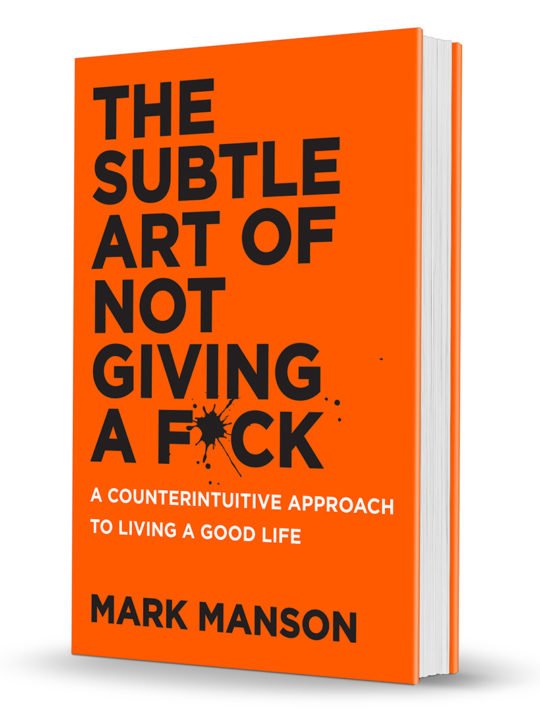
Apparently the shift towards swear words in book titles and content has not gone unnoticed by researchers. As Cory Doctorow notes in this article: “books are getting swearier and [researchers concluded] that this is a bellwether for a growth in the value of individualism.” I have definitely noticed this shift in non-fiction books (The Subtle Art Of Not Giving A F*ck, You Are A Badass and F*ck Feelings to name a few) but the connection to a rise in individualism explains a lot about our collective media diet.
Nokia Wants To Be Known For Digital Health And VR
Though most people still think of Nokia as a cell phone maker, that unit of their business was sold off to Microsoft years ago and the brand has slowly been focusing its attention elsewhere. Now the brand wants to build its reputation around digital wellness and VR. Yet changing this type of long held perception about a brand is a hard thing – particularly when that brand continues to license its name to make new products in the category they no longer want to be known for.
Esports Could Be An Olympic Sport By 2024
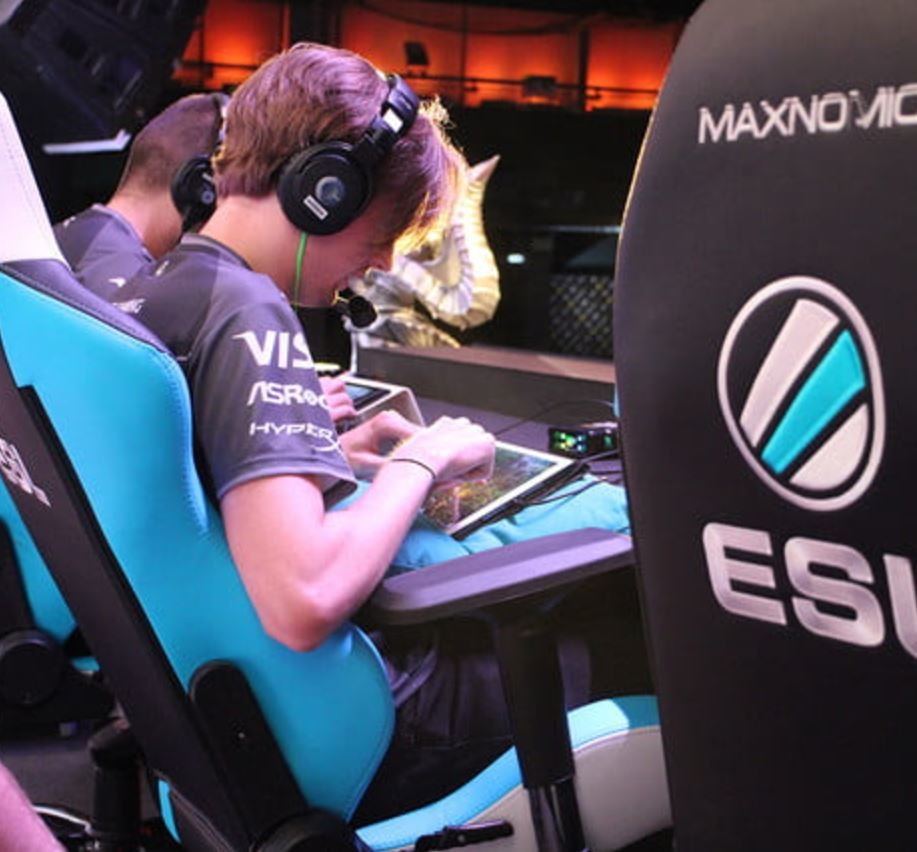
After years of pushback, some people think that esports may be on the verge of recognition as a “real” sport – courtesy of the International Olympic Committee. While a final ruling won’t come until 2019, the IOC is considering adding esports as a way to entice younger viewers to the Olympics. It wouldn’t be the first time sports were added as “exhibitions” in order to appeal to a different demographic … the same thing happened around BMX Biking which is now a full-fledged Olympic sport. And even if esports were added to the games, they would hardly be strangest entrant for a competition that once included solo synchronized swimming and still includes individual equestrian dressage.
