Arab Culture Tours, Uber’s Original Powerpoint and Why Cursive Is Making A Comeback
What’s In This Issue?
This Week’s Main Stories
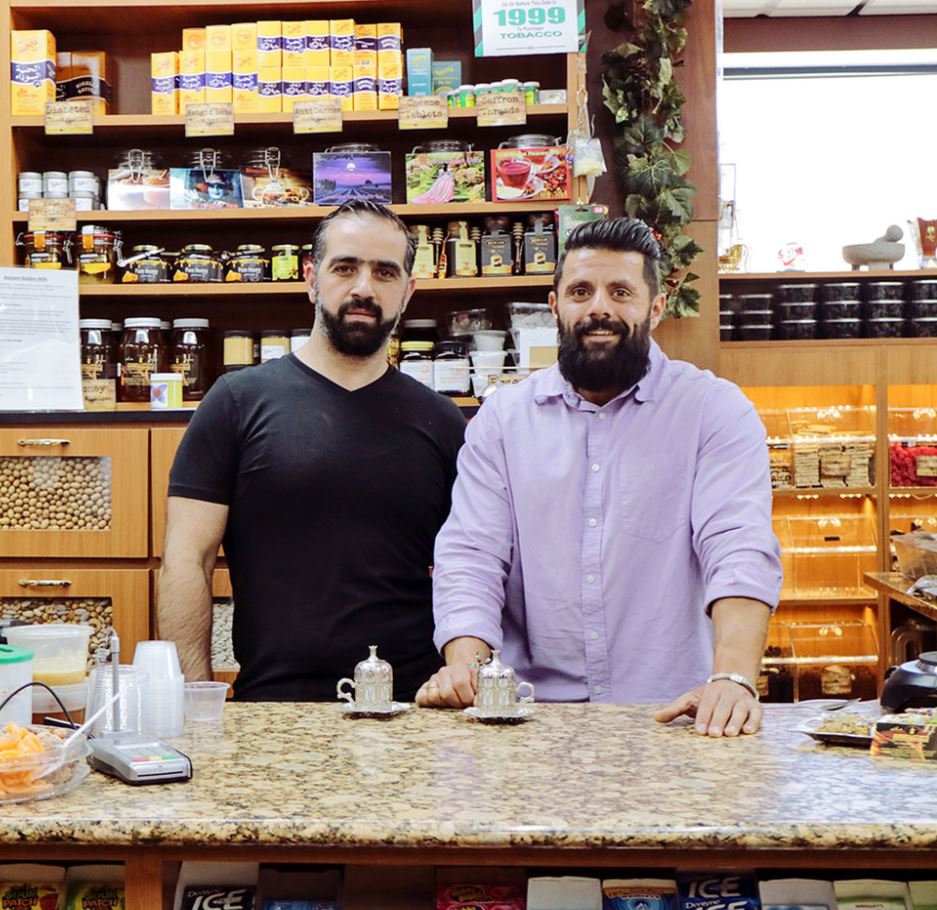 Story 01How A Small Food Tour Explains Arab Culture In Michigan
 Story 02Uber Releases Its Original Pitch Deck From 2008
 Story 03Are Millennials Really Killing Harley Davidson?
 Story 04An Inside Look At The First Robotic Microapartment Design
 Story 05Why The NFL’s Newest Stadium Will Have $2 Hot Dogs and $5 Beer
 Story 06Cursive Writing Is Making A Comeback. And It Might Make You Smarter.
How A Small Food Tour Explains Arab Culture In Michigan
Five years ago, Devon Akmon, director of the Arab American National Museum in Dearborn, Michigan was inspired by a food tour experience to create something similar to help outsiders understand the Arab culture through food. His program called Yalla Eats! has been running since then and offers a chance to get something anyone who has ever shopped in an ethnic grocery store has likely wished for … a personal tour through unfamiliar food. Cuisine can bring cultures together. This was a perfect example of that - and an idea more communities could use.
Uber Releases Its Original Pitch Deck From 2008
Despite their recent troubles and exit of embattled CEO Travis Kalanick – the rise of Uber is one of the undeniable success stories from Silicon Valley. This week co-founder Garrett Camp shared the original Uber pitch deck from when the company was just a concept seeking funding. Although it is just 25 poorly designed, the presentation delivers the most important points and passes the test for simplicity both in terms of the idea but also in terms of what they are asking for.
Are Millennials Really Killing Harley Davidson?
Millennials are being blamed for the recent woes of casual dining restaurants like Buffalo Wild Wings and Applebees and even more established brands like Harley Davidson – but is that really fair? This article looks at some of the reasons why the revered motorcycle brand may be suffering and whether the brand is actually failing to appeal to younger consumers, or whether the shift toward automated transportation is to blame instead.
An Inside Look At The First Robotic Microapartment Design
As apartments get smaller and urban areas get more crowded, real estate companies and residents themselves will look for more creative ways to use limited space. A new robotic “microapartment” hitting the market now may offer an interesting solution focused on creating a living space smart enough to adapt at the touch of a button to the situation whether its time for bed or having a few friends over to watch a game on TV. As these sorts of pilot projects gain popularity, this use of technology to build more adaptable living environments will likely continue to grow.
Why The NFL’s Newest Stadium Will Have $2 Hot Dogs and $5 Beer
In a league often defined by greed, with unscrupulous owners who are sometimes hated by their entire fan populations (like Daniel Snyder of the Redskins), it may come as a surprise that there are some who do care about more than the bottom line. Instead of requiring vendors to buy expensive sponsorships and then subsidize them with insane prices, Falcons President Rich Mckay lets vendors charge what they would on the street – making his new stadium the lowest priced for food in the NFL and hopefully an example for other teams to follow.
Cursive Writing Is Making A Comeback. And It Might Make You Smarter.
While it may seem nostalgic, a growing number of schools are going back to teaching cursive to children thanks to growing evidence that writing by hand improves unaided memory, retention and may even help improve IQ. As one researcher noted, “we found that children until about grade six were writing more words, writing faster, and expressing more ideas if they could use handwriting—printing or cursive—than if they used the keyboard.” It seems writing in cursive is a skill we may have too hastily abandoned as a result of technology … and may need to rediscover.
