Quirky Eclipse Marketing Ideas, Automated Parenting, And Elevators That Go Sideways
What’s In This Issue?
This Week’s Main Stories
 Story 01How Brands and Small Town America Are Cashing In On The Eclipse
 Story 02The Future of Elevators Could Go Sideways
 Story 03The NuturePod Offers A Scary Prediction Of Future Parenting
 Story 04Can Artificial Intelligence Help Measure Food By Its Ingredients?
 Story 05New Survey Finds Recent MBA Grads Don't Want To Work On Wall Street
 Story 06Writer Of Str@nge% Password Guidelines Finally Admits He Was Wrong
How Brands and Small Town America Are Cashing In On The Eclipse
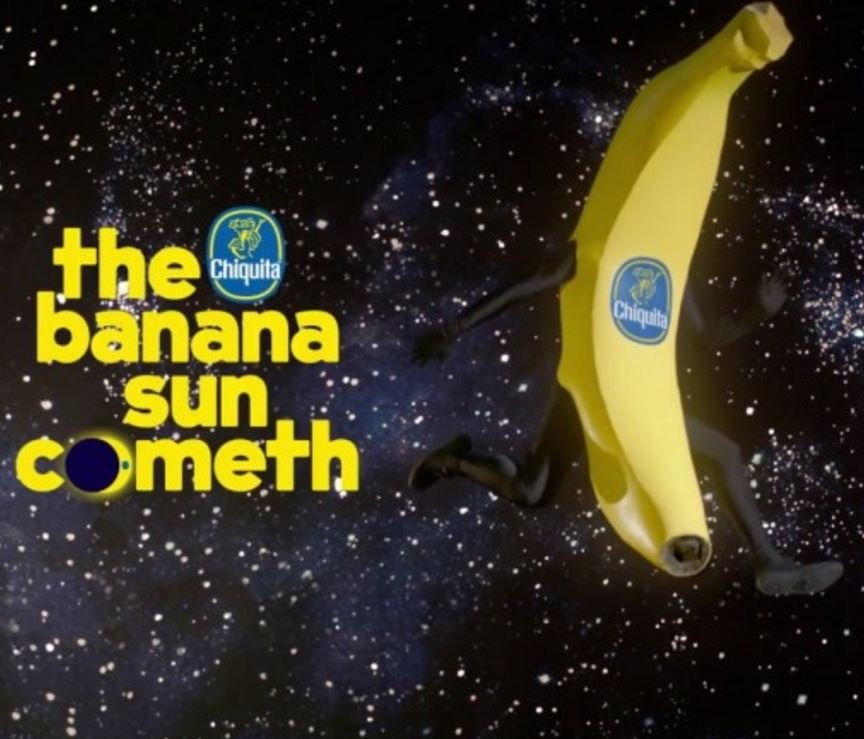
As the first solar eclipse in 40 years approaches, there are plenty of towns and brands finding creative ways to cash in. Chiquita created a humorous video about the impending “Banana Sun,” there are “eclipse chasing” flights selling for $10,000 and Krispy Kreme even created an “eclipse donut.” This article takes a deeper look at the windfall that seems to be approaching small town America as it gets ready for what promises to be a gridlock of people traveling to destinations along the projected path of the eclipse just to get a two minute look at the astronomical event of the year.
The Future of Elevators Could Go Sideways
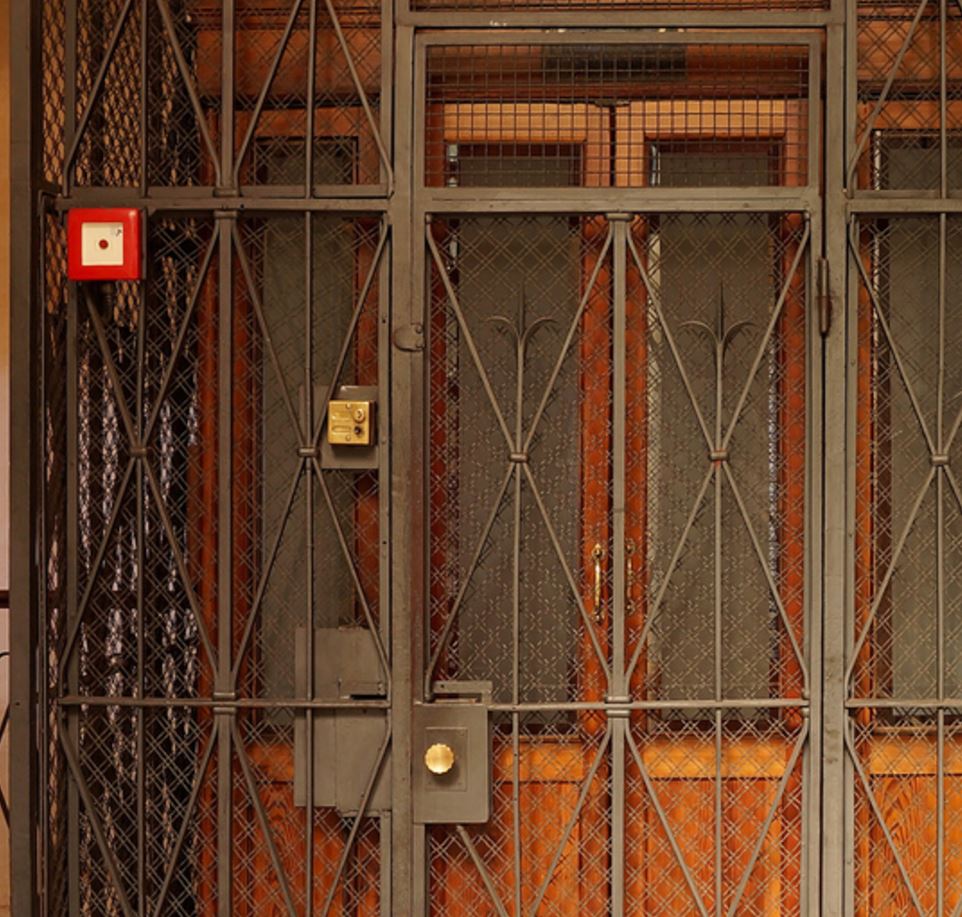
What if elevators went sideways? They might soon thanks to a new system invented and being tested by German elevator producer ThyssenKrupp which aims to get rid of cables altogether and build elevators more like magnetic levitation trains, which are common in Japan and China. The idea would allow people in a tall tower to go sideways to a nearby tower instead of having to go down and then back up again. The idea, if it takes off, could be interesting as a way to solve short commute traffic challenges as well.
The NuturePod Offers A Scary Prediction Of Future Parenting
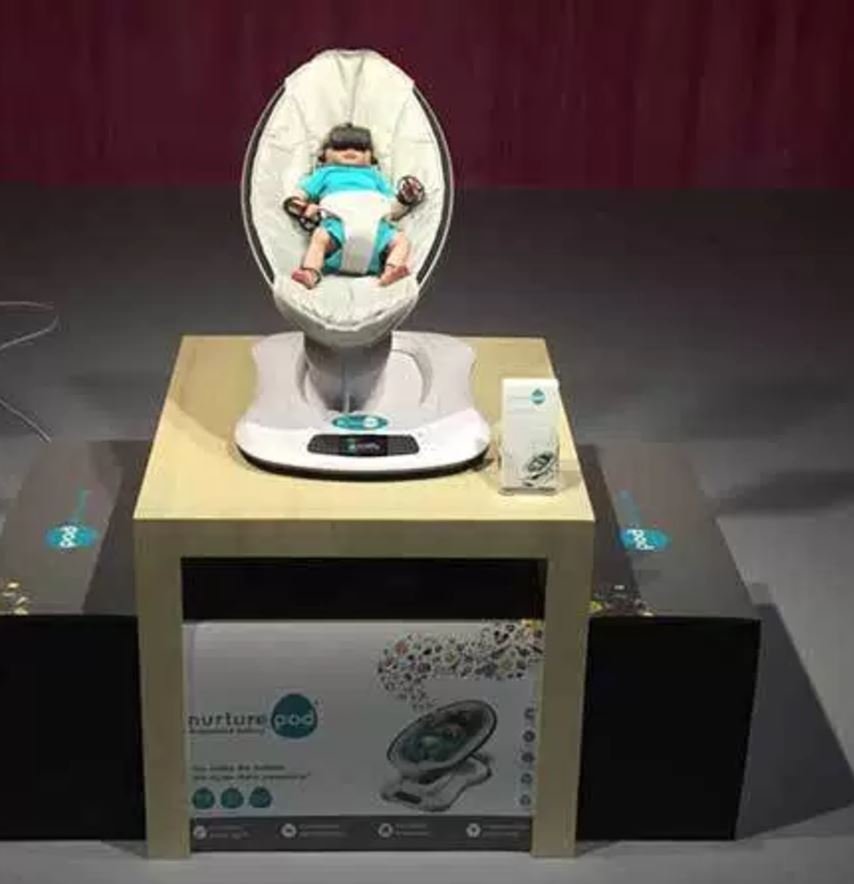
Sometimes art is the best way to shine a lens on how our culture may be changing for better ... or worse, as is the case with a hypothetical near-future product called the “NuturePod” created by artist and experimental futurist Stuart Candy. The installation on exhibit at the Museum of Contemporary Art in Antwerp, Belgium envisions a "programmable para-parenting pod" that offers automated parenting care for your infant at the touch of a button. It’s a tantalizing and scary vision of what the future might look like where parents of the future turn to automation and robots for child rearing.
Can Artificial Intelligence Help Measure Food By Its Ingredients?
We already have Artificial Intelligence using features like facial recognition to personalize experiences for us, but this story about “AI Gastronomy” looks forward to a future where we might be able to reverse engineer many things about food simply from relying on AI to recognize and measure ingredients. This could allow us to “scan” the nutritional benefits of a particular meal, better track our health and even eventually have food automatically prepared for us that meets our specific dietary requirements or accounts for health concerns.
New Survey Finds Recent MBA Grads Don't Want To Work On Wall Street
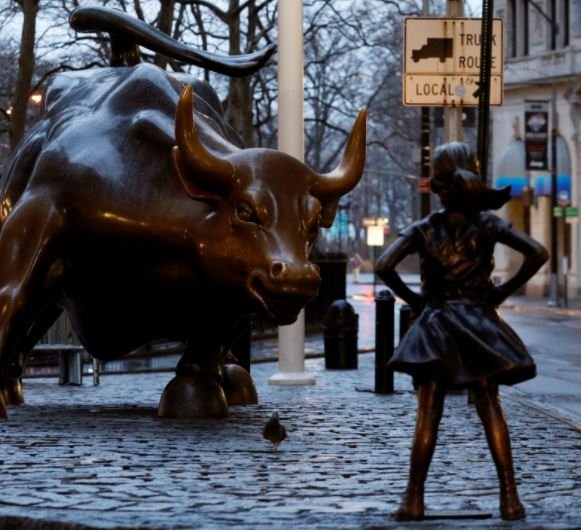
A new survey shows that jobs outside of Wall Street are increasingly being preferred by MBA graduates as just 19% of respondents selected Wall Street as their top employment choice – a drop of 7 percent from last year and the lowest level in the 8 year history of the survey. While the survey only included 200 students, it does raise the possibility that the growing shift toward purpose driven workplace cultures and valuing things other than the biggest paycheck are increasingly influencing where and how people want to work - and what they are willing to do.
Writer Of Str@nge% Password Guidelines Finally Admits He Was Wrong
If you ever wanted someone to blame for having to change your password every 90 days – this week the world found out who that person is. Former National Institute of Standards and Technology manager Bill Burr recently admitted to the WSJ that his 2003 password guidelines were unnecessarily harsh. The new guidelines suggest removing the 90-day password refresh requirement and the requirement for special characters. Instead, it suggests to use a phrase of words that doesn’t make any sense, but is longer while still being easier to remember.
