Why We Love Comfort Food and the Worst Tweet of the Election Season
What’s In This Issue?
This Week’s Main Stories
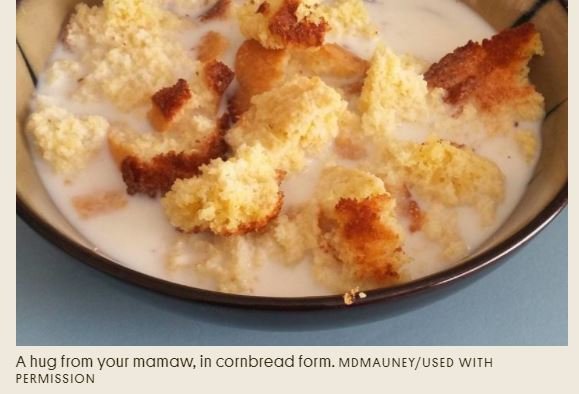 Story 01The Historic Appeal of Comfort Food
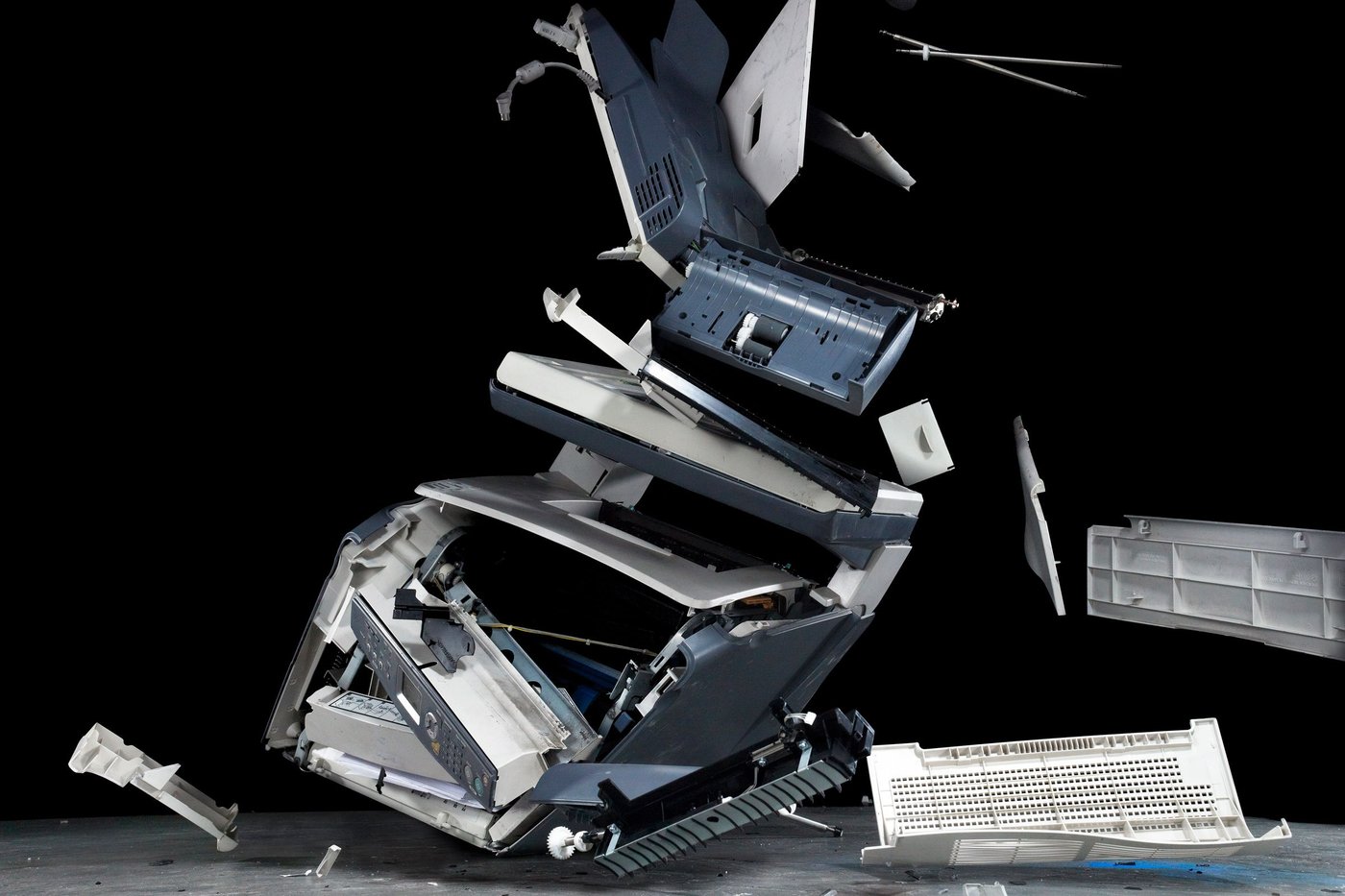 Story 02Why Printers Still Suck In 2020
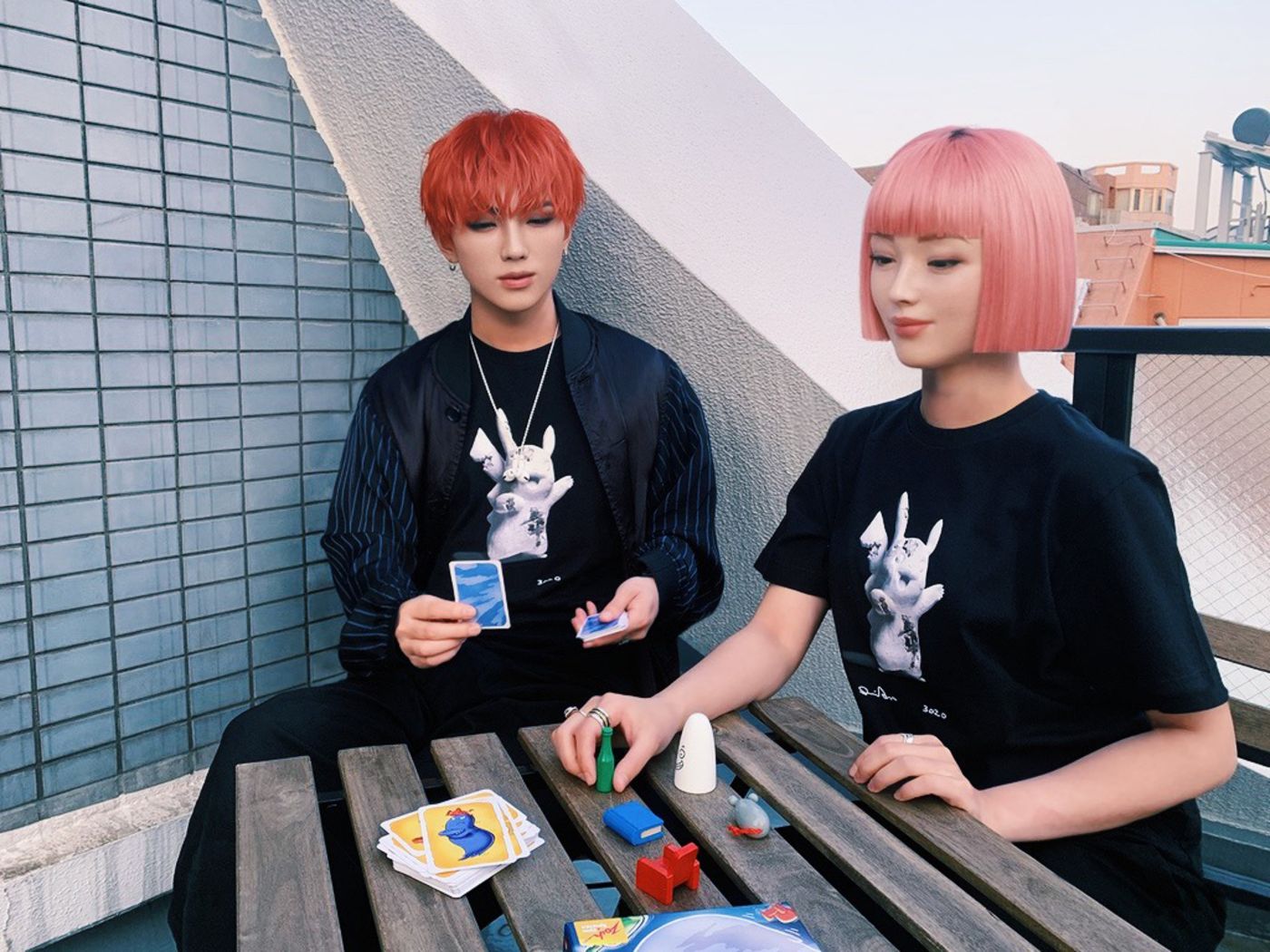 Story 03How the Pandemic Made Virtual Influencers Even More Popular
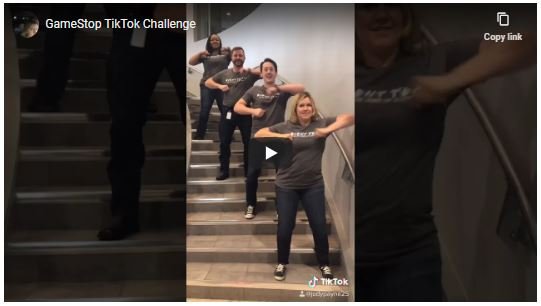 Story 04GameStop Reminds Us The Retail Employees Are As Dispensable As Ever
 Story 05Everyone Hated the Gap's Last Tweet (But Not For The Reason You Think)
 Story 06Book Summary:
The Historic Appeal of Comfort Food
History has shown us over and over again that when times get tough, people start eating. Perhaps you've engaged in a bit of binging yourself over the last few days. The good news is, there's some deep historical precedent for the very human practice of turning to comfort food to make ourselves feel better. From mixing ground meat with oats to pouring a can of tomato soup into your cake batter - comfort food has always come from a combination of necessity and creativity. And if you've made any "recipes" off of memes from TikTok recently, these days it seems like creativity is winning ... and it's not always good news (um, mustard apples and Flamin' Hot Cheetos Ice Cream).
Why Printers Still Suck In 2020
We have four printers in our house. Two of them are used for their intended purpose. The other two are perfectly sized footrests used under two desks. Honestly, it's a toss up which ones are most useful. As someone who has worked from home for the past five years, and run a publishing company for most of that time, I have a love hate relationship with my printers. I use them a lot and suffer when they run out of toner or contract some disastrous error that keeps them from printing a document until they feel like it. As this WIRED article points out, there doesn't seem to be a good reason why printers haven't really gotten much better. It just seems like no one really tried.
How the Pandemic Made Virtual Influencers Even More Popular
“Because they live both in the physical world and a digital one, there really isn’t a limit to their universe. All our characters wear real clothing labels, eat real food and drive real cars. So it’s a mix between reality and hyper-reality.”
For years now, influencer marketing with avatars and invented personalities has been growing. During a pandemic when real life influencers are finding it hard to create and post the same types of content they could before, it seems like their virtual counterparts are filling the gap and brands are responding. It's too early to really call this a trend or signal for the future, but what's most interesting about this is that consumers are becoming more and more accustomed to following personalities even when they know they aren't real. Artificial influencers, in other words, are becoming more commonplace.
GameStop Reminds Us The Retail Employees Are As Dispensable As Ever
Just a few weeks away from what promises to be a very different type of Black Friday retail season, GameStop offered an unfortunate preview of what this season may have in store for employees when it created an ill-advised TikTok dance challenge for employees where one of the prizes was ... (wait for it) ... extra work hours during the holiday week! The brand was quickly and justifiably skewered on social media for the promotion, but they will hardly be the only brand treating their workers poorly right now. The industry has been hit hard, and so the brands that really do care and take care of their employees will stand out even more than usual. As consumers, it's just up to us to listen for those stories, and reward those empathetic brands with our business.
Everyone Hated the Gap's Last Tweet (But Not For The Reason You Think)
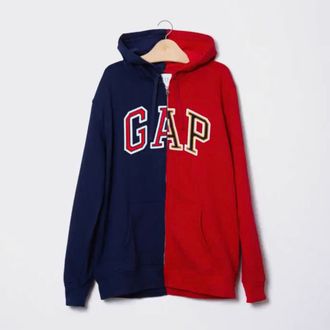
No one liked the Gap's recent (and now deleted) tweet about a half red, half blue sweatshirt along with a cliché message about how "together, we can move forward." As if we needed yet another one, this is a perfect case study of how NOT to use social media. Aside from it's tone deaf message or the fact that it felt extremely random coming from a retail clothing brand, perhaps the biggest offense that stoked the online rage tweeting was the image itself. I mean, how hard would it really have been to line up the "A"?
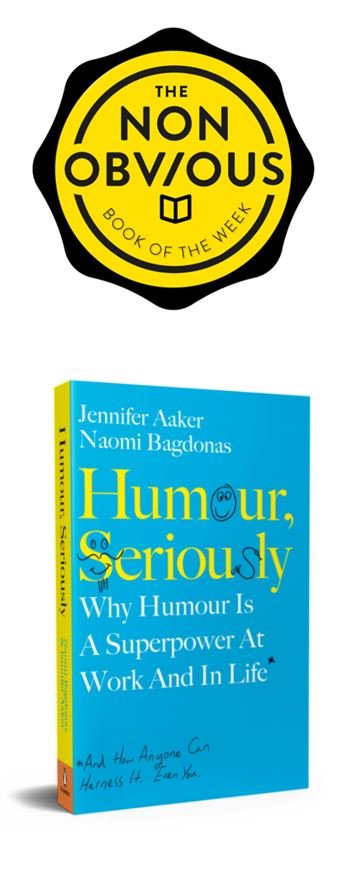
Book Summary:
Already out in the UK, this book won't be released in the US until February, 2021 - but this exploration of the role of humor in business from two Stanford Professors is exactly what we look for every week in a book release. A new unique idea, written in an engaging style, and with a thesis that will be immediately useful in your life and work. Humor can indeed be a super power in work and life. This book will offer valuable lessons for how.
