Mood Triggering Perfume and 5 Brutal Tweets That Will Shift Your Perspective
What’s In This Issue?
This Week’s Main Stories
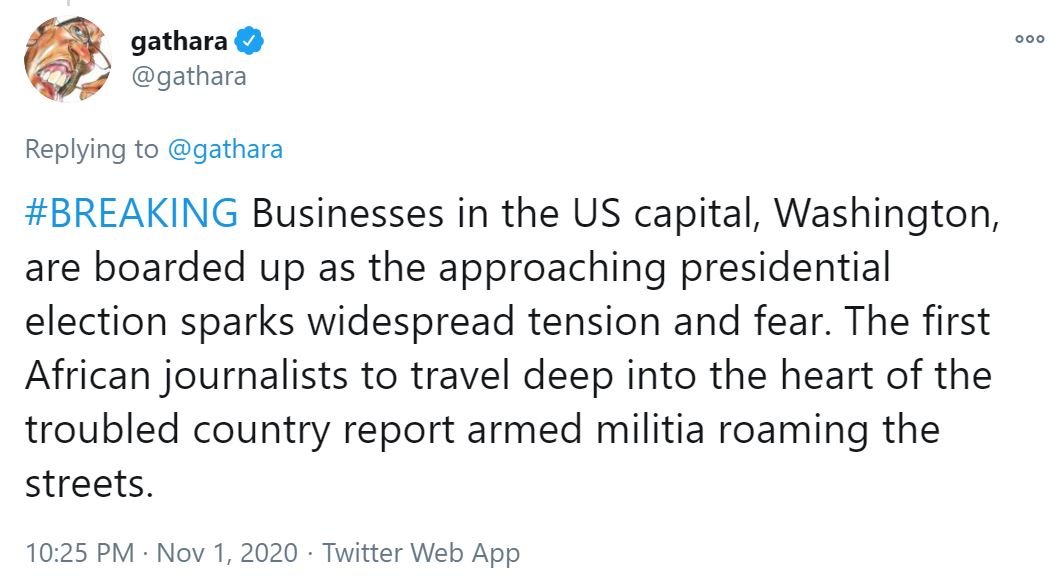
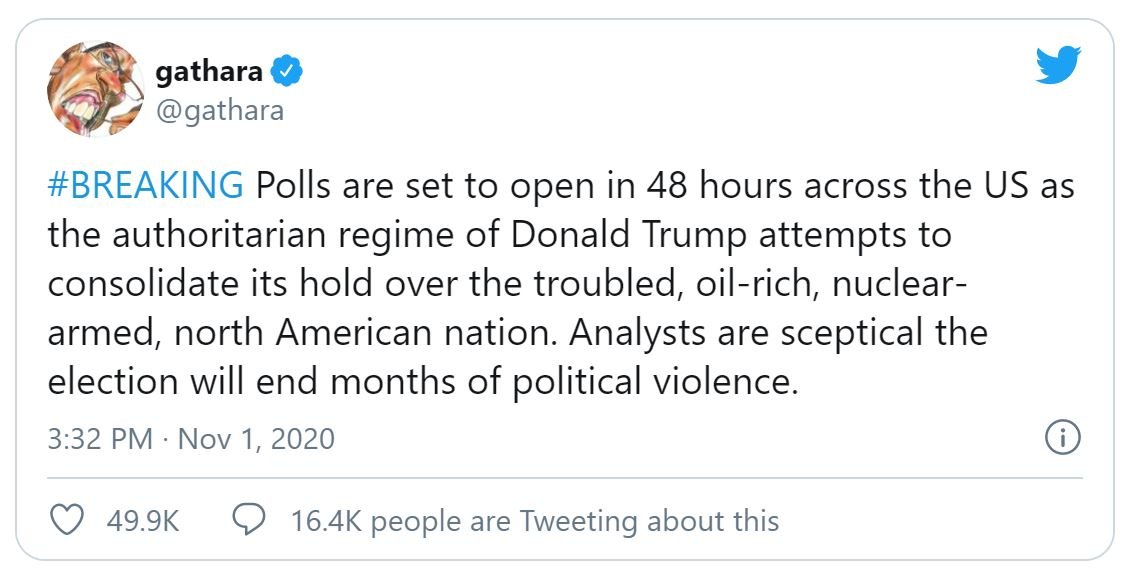 Story 01Kenyan Journalist Writes About U.S. Election The Way American Journalists Write About Africa and It's Brutal.
 Story 02Why Peloton's New Partnership With Beyonce Is A Big DealStory 03What's the Difference Between Being Cancelled and Being Criticized?
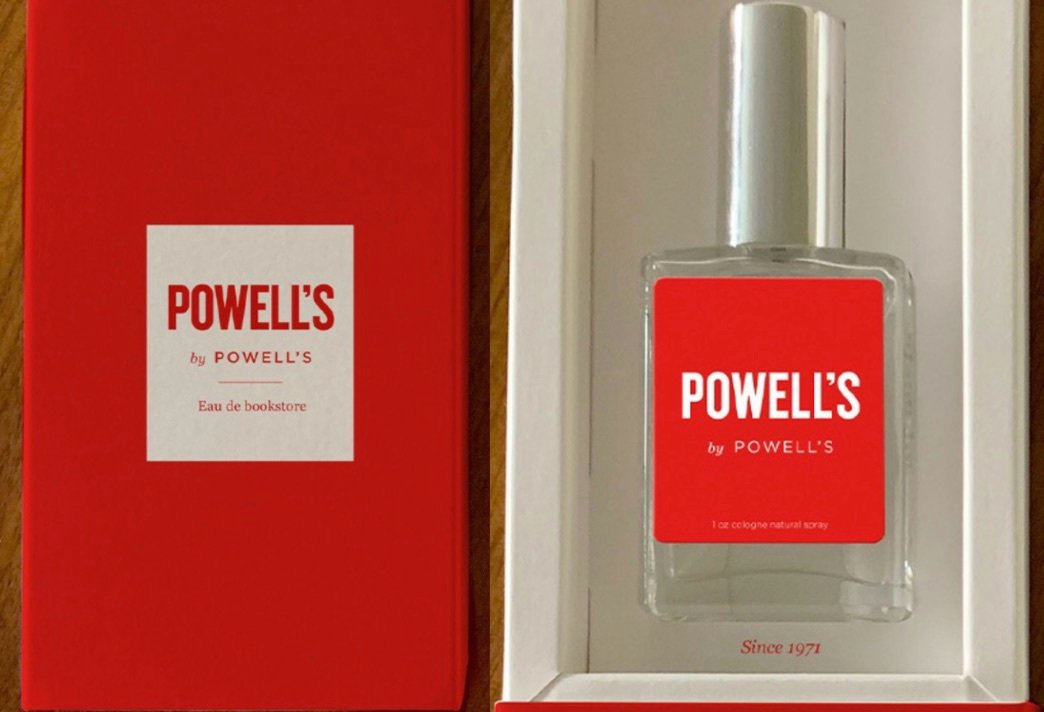 Story 04Branded Perfume Is Here And It's Getting More Popular
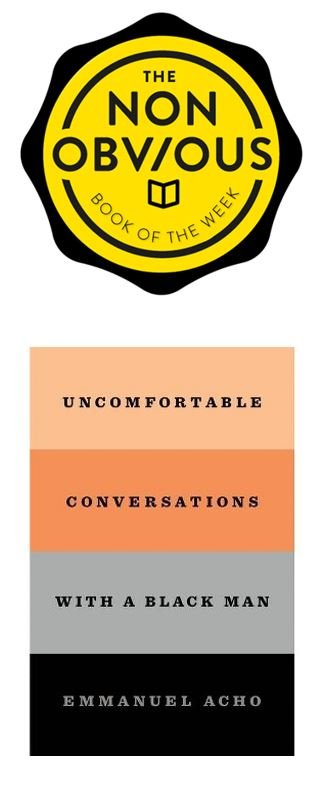 Story 05Book Summary:
Even More Stories
Kenyan Journalist Writes About U.S. Election The Way American Journalists Write About Africa and It's Brutal.
The best thing I read this week was a Kenyan journalist who took to Twitter to cover the U.S. Presidential Election using the type of language that western media typically uses to write about Africa. His tweets (read the full sequence here) cleverly spotlight a form of bias in the global media that most of us rarely notice. Here's some examples from his full series of tweets, which you should definitely read.
#BREAKING Kenyans living in politically-troubled, disease-ravaged US urged to stay indoors and not to venture into the country's interior. A travel advisory issued by the Kenyan government notes heightened risk of election-related tribal violence in central and southern states.
#BREAKING African aid agencies sound the alarm over the potential for post-election violence to exacerbate the already dire humanitarian situation in the crisis-wracked US. Aid workers are calling on the international community to do more to protect the civilian population.
Why Peloton's New Partnership With Beyonce Is A Big Deal
For more than a year, Peloton has been dealing with a pending lawsuit from the National Music Publishers Association (NMPA) for illegally using thousands of songs in video fitness classes. This week, the brand announced a direct partnership with Beyoncé to curate music collections for various workouts starting with a series of Homecoming-themed classes in honor of historically Black colleges and universities. It's a smart move from the fitness brand to get around the lawsuit, but it may also be a sign of one potential future for brands to turn to celebrities and experts as curators of content rather than simply licensing their content alone. Chances are, Beyoncé fans would continue to pay not only to hear her songs, but also to hear what songs she picks for them to listen to during a workout.
What's the Difference Between Being Cancelled and Being Criticized?
Author Jonathan Rauch describes what some people have called our modern "cancel culture" as "a kind of social murder of making it very difficult for someone to have a job, for example—to lose their career, or to endanger all their friends." In this article, he spotlights the warning signs that something is "canceling and not criticism." His broadly intellectual argument is an interesting read, but strikes me as unlikely to bring people who think differently together. A much more compelling exploration of a related topic is Jon Ronson's book about the evolution of public shaming (So You've Been Publicly Shamed) and what these personal attacks on one another say about the culture we live in and ourselves.
Branded Perfume Is Here And It's Getting More Popular
A few months ago, I funded a Kickstarter campaign for perfume that smells like outer space (still waiting for it to arrive). Around the same time, I saved a story about a perfume that smells like IKEA and this week news went viral of a perfume from Powell's Bookstore in Portland that smells like it "invokes a labyrinth of books; secret libraries; ancient scrolls; and cognac swilled by philosopher-kings." You can even buy a perfume that lets you smell like Louboutin shoes (which apparently must smell really good?). The emergence of all of these scents seems rooted in the idea (backed by scientific research) that smells can evoke a certain mood and trigger a specific emotional reaction.
The shift, in other words, seems to be that people are increasingly buying perfume not to optimize how they smell to others, but rather based on a scent that they want to experience themselves. Some scientists even believe there may be an emerging range of benefits to scents to not only lift our moods, but even regrow our hair. While that seems like a stretch, the fact that scent is being used so strategically is an emerging trend that will be worth watching.
Book Summary:
I am not black or white. This book still felt like it was written for me. This is the best kind of book about important questions. One that doesn't preach or try to convert with the answers, but rather focuses on how to ask the questions with empathy ... and to really listen to the answers. There's a reason these conversations are uncomfortable. Because they are worth having, and they don't lead to easy answers. This book offers a chance to confront your own view of the world, shift your perspective, and see the world just a little bit different without losing your sense of who you are in the process
