Why We Are So Easily Outraged (And What To Do About It)
What’s In This Issue?
A Pilot's Wife Says What United's CEO Should Have ...

This Facebook newsfeeds exploded this week with United’s forcible removal of a passenger. Many quickly jumped to blame the airline. A non-apology from the CEO made it quantifiably worse. Yet this article from a pilot’s wife said perfectly what the CEO should have said all along. Yes, this was a customer service failure. But it was also a security issue and much of the troubling violence of his removal was due to security concerns and not because United likes to beat up their customers. The damage may be done, but this article is worth reading if only to illustrate the old adage that there are indeed always two sides to the story … and perhaps we all need to get better at reading both before jumping to express our outrage.
Dad Photoshops His Baby Into Dangerous Situations

What happens when a Dad with Photoshop skills decides to create a series of Instagram posts with his baby in dangerous situations? That’s right, thousands of commenters online attacking him and expressing their outrage. I love everything about this, including the spotlight it shines back on those who were quick to judge him without bothering to get the full story or just lazily reacting to a photo without reading the backstory. Are people today too easily outraged? Yes, they are.
Facebook Prioritizes What Makes You Sad Or Angry
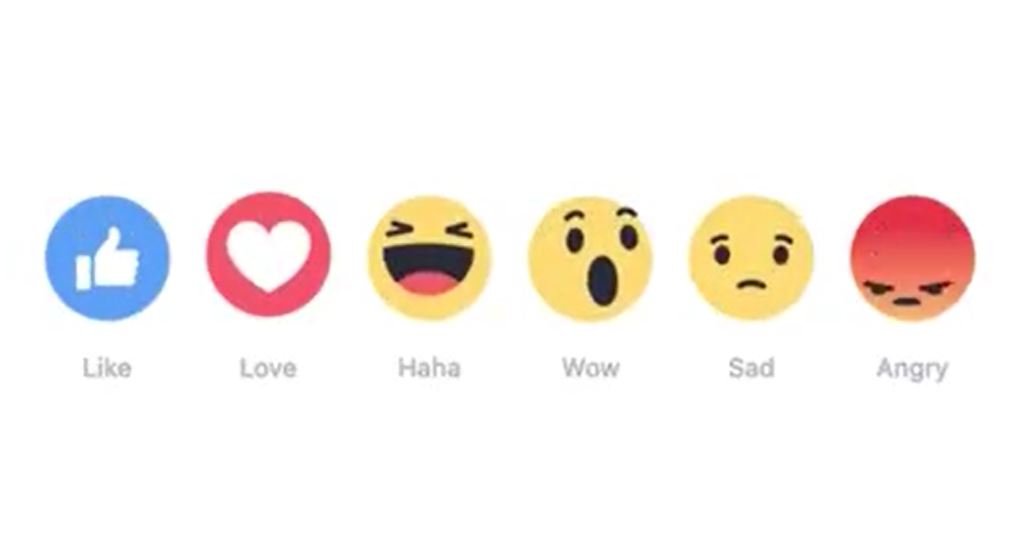
This past week Facebook shared some information about "reactions" buttons and how your clicks are being used to filter what is shown in your news feed. As one spokesperson shares, “if someone takes the extra step to select a reaction, it’s an even stronger signal that they would want to see that type of post than if they left a Like on the post.” So if you often click an “Angry” reaction, you’ll see more posts that make you angry … which explains a lot.
4Ways To Avoid Being Too Easily Outraged
Rather than search out another story designed to make you more outraged, I thought I would share a few tips that you can pass along to anyone who you see getting a bit too easily outraged online. If you can inspire just one of them to be a bit more selective in their outrage, the online world will be a better place. Please read my full article with tips posted on LinkedIn today.
