Why Twitter Marketing Is A Waste, Job Ads For Witches and a $400B Desert City
What’s In This Issue?
This Week’s Main Stories
 Story 01The Tragedy of America's Rural Schools
 Story 02Cameo's Most Bankable Star Might Surprise You
 Story 03Brazilian Artist Uses Trees As "Hair" For His Creations
 Story 04Why Religion Should Never Be Called a "Myth"
 Story 05Glasgow Nightclub Uses Body Heat of Dancers To Power The Venue
Even More Stories
- Forget Tiger Moms. Now China's "Chicken Blood" Parents Are Pushing Kids To Succeed
- Plans For A $400B New City In The American Desert Unveiled
- The Internet's "Phone Book" Is Flawed and Outdated
- Hotel From "The Witches" Movie Looking To Hire a Real Grand High Witch
- Mattel's CEO Wants Old Toys To Make New Money
- Why Twitter Is A Stupid Place To Spend Your Marketing Dollars
The Tragedy of America's Rural Schools
This week I read the story of a high school student in Mississippi about the same age as one of my boys. It was a sad story, filled with people trying to do good and failing at almost every turn. And the students that continued to suffer for it. The frustrating thing about reading this story was that it was hard to find a single thing or person to blame for it. As reporter Casey Parks shared one character after another at the heart of the failing school district of Holmes County, the futility of every well-intentioned effort hits you hard. People try. Then they fail. Then they leave.
Along the way, the children who struggle either continue to struggle ... or they make it out, and then they leave. Or they come back, try to help, fail again, and leave again. So the cycle continues. The article and the situation it describes seems hopeless because it has been, even as each new generation continues to hope for something different. The story of how America has forgotten these rural kids is heartbreaking. And there doesn't seem to be a solution coming. For once, the title of the story wasn't hyperbole. The story of rural schools in America is indeed a tragedy.
Cameo's Most Bankable Star Might Surprise You
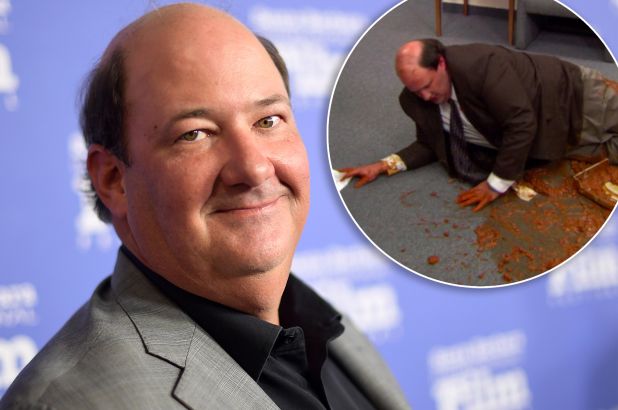
Last year for my wife's birthday I hired five of her favorite TV stars to wish her happy birthday in recorded video messages. The platform that enabled my gift for her was Cameo, a site that has grown exponentially over the past year and a half. Right now you can request short greetings for any occasion from your favorite musicians, actors and others directly on the platform. Someone, someone and someone are all available to book. As Cameo founder Steven Galanis recently revealed, one of the top earners on the platform who took home over $1 million dollars last year was no A-lister. It was actor Brian Baumgartner, best known for playing Kevin Malone on the hit TV show The Office.
When asked about his popularity, Baumgartner credits his success to the fact that during the pandemic, "people wanted to make a connection. It's not really about me. I'm the person who gets two people together." That's some beautiful humility there, but I think his popularity is at least a little bit about him. I mean, the scene where he unsuccessfully brings his homemade chili into the office is probably one of the funniest acting I've ever seen. I wonder how much he would charge to recreate that on a Cameo?
Brazilian Artist Uses Trees As "Hair" For His Creations
Every city should have a budget specifically to pay for street artists to do what they do. It is a beautiful thing to walk through streets where walls or fences or traffic dividers are all covered in color. These creations can make the ugliest parts of an urban landscape something beautiful and human. Perhaps one of the most creative examples of that you'll ever see is the work of Brazilian artist Fabio Gomes Trindade, who uses the leaves of trees as "hair" for the women and children that he draws. It a beautiful non-obvious idea, and one that has helped his art go viral around the world. Architects and artists are always trying to find a way to achieve a harmony between their designs and the natural landscape around them. This art is a perfect example of both.
Why Religion Should Never Be Called a "Myth"
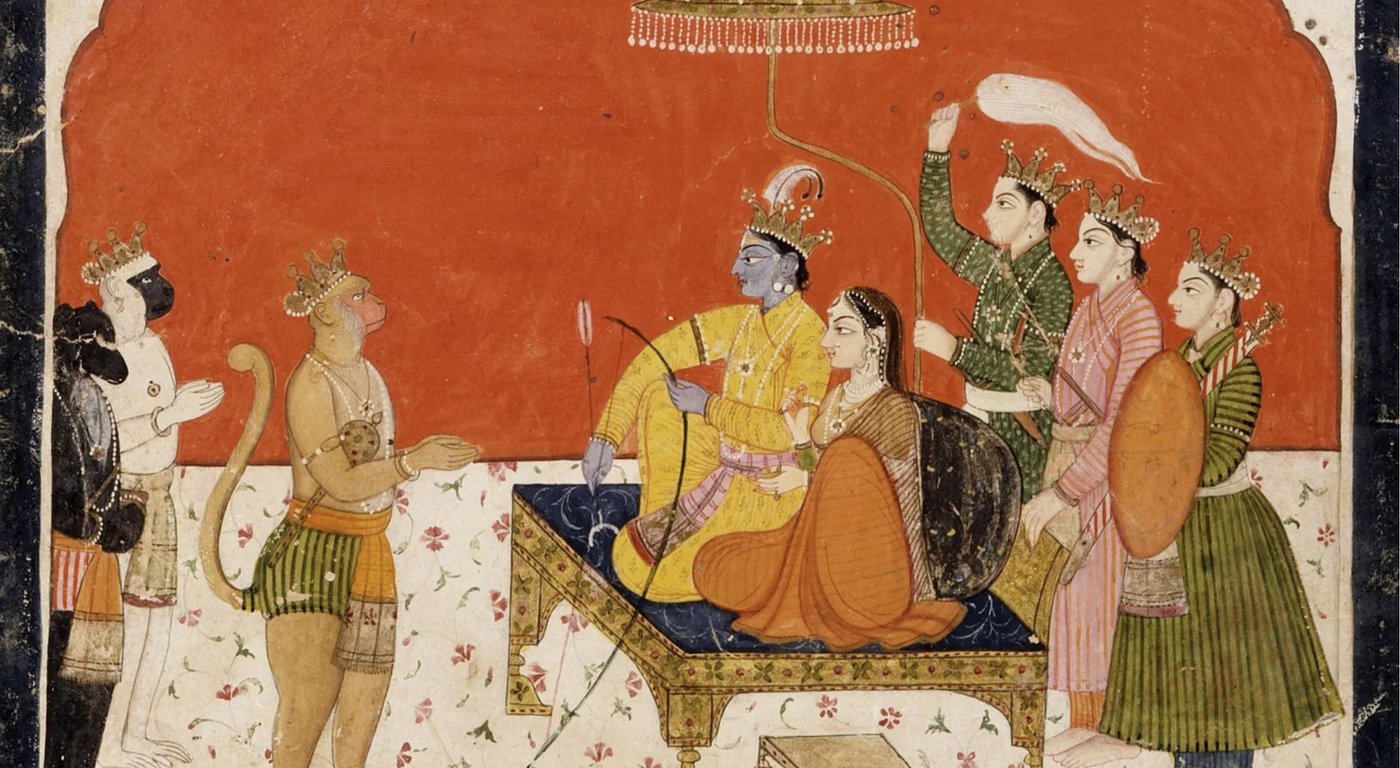
The longer a religion has been around, the higher the probability that others may describe them not as beliefs but as "myths." We already talk about the ancient Greek religion this way. And some people put the Hindu Epics of The Mahabharata and The Ramayana in the same category. In this article, writer Neha Patel explores the difference between an "epic" and a "myth" and whether it matters how we describe them.
The problem, she shares, is that in our modern language the term "myth" often refers to something that is fiction. In fact, the dictionary defines a myth as "an unfounded or false notion." In contrast, a term like "legend" or even "epic" indicates that a story has basis in fact. If Biblical stories are not referred to as myths, then why are stories from Hinduism described that way? As Patel concludes, "I personally prefer to refer to them as Hindu epics. The term suggests a continuity of traditions that myths don't."
Glasgow Nightclub Uses Body Heat of Dancers To Power The Venue
To coincide with the COP26 Climate Change Summit, a Scottish nightclub is trailing a new system that can harness the body heat of dancers to power the venue and reduce it's carbon emissions. The system works by using small "boreholes" dug out underneath the dancefloor and across the venue. If it works, the applications of this could be amazing for many other situations beyond nightclubs such as gyms, train stations, playgrounds and more. Now we just need to create a name for this so it can be advocated for like solar power or wind energy. Bounce energy? Pedal power? Kinetic transfer? Now I'm pretty sure I'll be thinking about this all day ...
