Why Cash Isn't Dead, Yahoo's Meaningless Rebrand and How Dogs Know You're Teasing Them
What’s In This Issue?
This Week’s Main Stories
 Story 01Marvel's First Asian Superhero Is Here, And It's Just The First Of A New Era
 Story 02The Pandemic Was Supposed To Kill Cash. Has the Opposite Happened?
 Story 03Dogs Can Tell When You're Keeping Snacks From Them On Purpose
 Story 04Comedy Central Inspires Backlash By Canceling The Office's Cringy Diversity Day Episode
 Story 05Yahoo Masters the Art of Meaningless Brand Announcements
 Story 06They Saw a YouTube Video. Then They Got Tourette's.
Even More Stories
- The Strange Race To Track Down A Missing Billion Years
- China Says Minors Can Only Play Three Hours of Online Games Per Week
- Nonbinary Scientists Want Funding Agencies to Change How they Collect Gender Data
- Scientists Now Think There Is A Ninth Planet (Not Pluto!)
- Burning Man Is Virtual, But 10,000 Die-Hard Fans Will Still Go To "Renegade Burn"
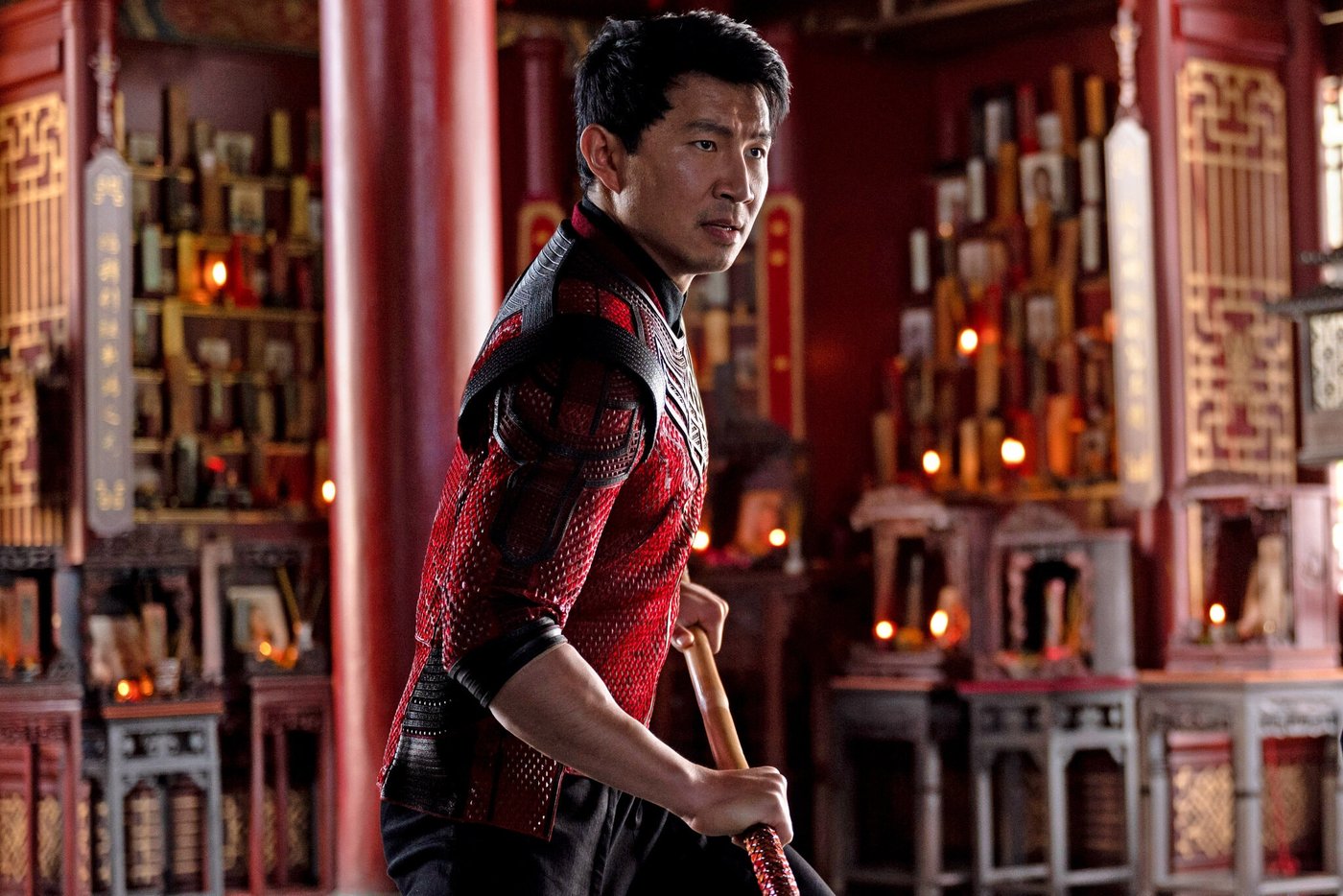
Marvel's First Asian Superhero Is Here, And It's Just The First Of A New Era
"Throughout our history in this country, Asian Americans have seen the dire consequences of compliance and invisibility: exploitation, exclusion, internment. Shang-Chi isn’t the first Asian protagonist we’ve seen on a screen. But as a big-budget, big-screen Marvel superhero, he’ll be ubiquitous.
In his wake will come more Asian heroes ... [and] their casting ensures that a generation of young Asian Americans will, for the first time, see themselves front and center, larger than life, on the biggest of screens. So will the rest of the world, which is arguably even more important — when people see us as heroes, they’re forced to see us as humans."
Tomorrow is the official release of Marvel’s “Shang-Chi and the Legend of the Ten Rings,” the first film from the popular studio to center on an Asian superhero (played by Canadian-Chinese actor Simu Liu). It's a big deal for the widespread Asian community, as an op-ed from Asian author Jeff Yang shared in this week's New York Times. It is also the signal that the world's biggest movie multiverse is shifting course in a positive new direction for diversity and inclusion.
After nearly a decade of formulaic sequels: Iron Man 3 followed by Captain America 2 followed by Avengers 2, the next few Marvel films are exploring entirely new characters. Shang Chi, The Eternals, and The Marvels are just three of the planned new franchises, each with a diverse cast of characters. Superheroes can do anything. The fact that they are finally starting to look like the rest of us matters.
The Pandemic Was Supposed To Kill Cash. Has the Opposite Happened?
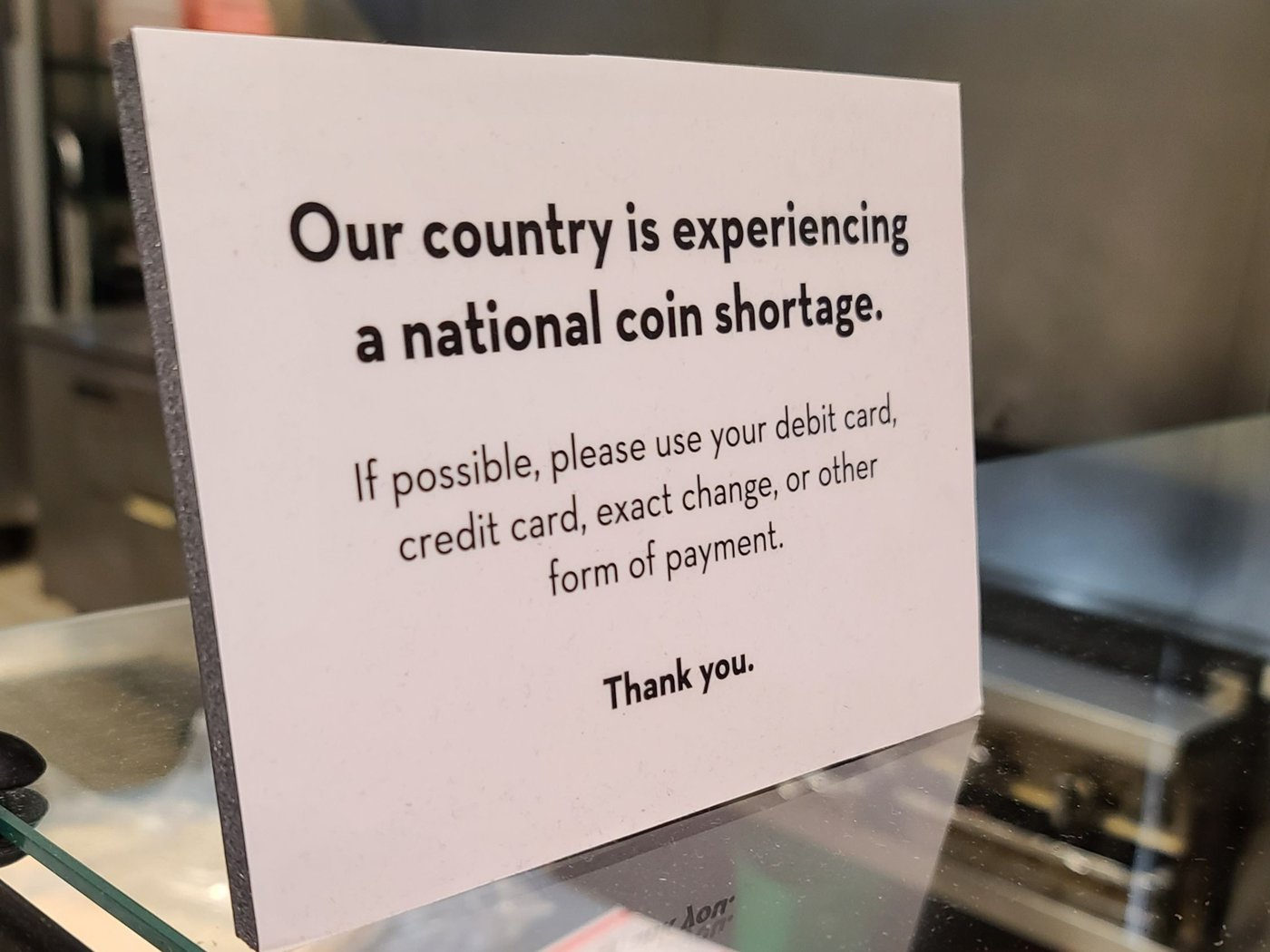
Last week traveling through the Denver airport, I saw this sign at one of the quick service restaurants. A few days later, I read a report from American Banker suggesting that an assumption many of us might have made about the effect of the pandemic on the usage of cash may be wrong. An article about currency usage in the UK a few months ago from The Economist suggested the same puzzling conclusion, even as other reports were suggesting that usage of cash "plunged" during the pandemic. So which report is right?
Interestingly, they both are right. It turns out that cash reserves in many countries during the pandemic have become more scarce due to supply chain disruptions in producing currency. Added to that, the uncertainty of the pandemic has made many consumers more likely to hold on to cash "as a store of value rather than for near-term transactional purposes." So, yes, cash has become harder to get AND people are using it less at the same time. It's almost impossible not to end this story without a Dad joke about there being two sides to every coin (or story) so I'll just leave it there. :-)
Dogs Can Tell When You're Keeping Snacks From Them On Purpose
Yup, this is for all of you dog teasers ... apparently there's new research published this week that proves your dog can tell specifically when you are intentionally keeping food from them versus when you are "accidentally" unable to feed them. As an article about the study notes, "the findings could mean that dogs possess an aspect of cognition often considered unique to humans: the ability to acknowledge the inner workings of others." The research suggests one explanation for why dogs excel at providing companionship for humans. Unless you keep diabolically teasing your dog with treats, of course.
Comedy Central Inspires Backlash By Canceling The Office's Cringy Diversity Day Episode
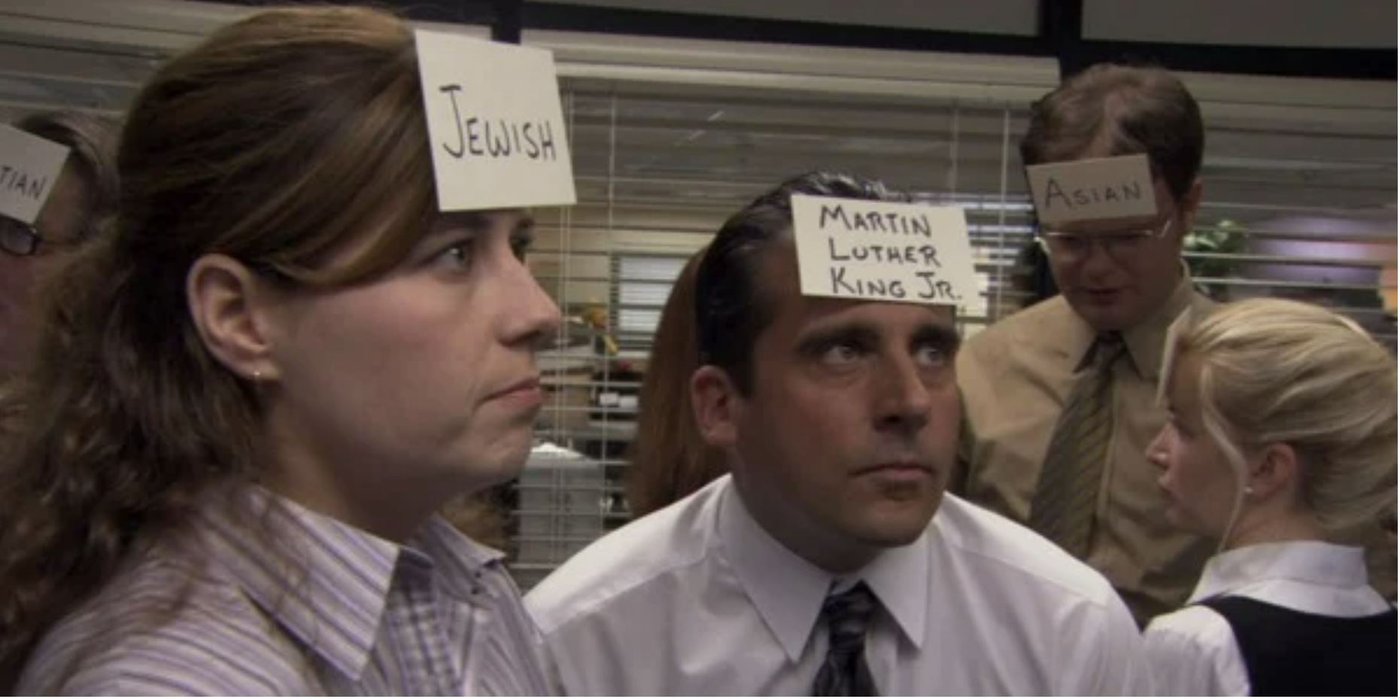
I'm a big fan of The Office, but there are some cringe-worthy episodes. The second episode, where the branch decides to hold a painfully insensitive "Diversity Day" is definitely one of them, so on some level it makes sense that Comedy Central made the call not to air it. The move has created an uprising among fans, though, because the episode is actually a brilliant commentary on everything that workplaces often get wrong about diversity. Like many others, I always saw it as a clever cautionary tale that could actually help many managers and leaders to get diversity right by watching just how hilariously and obviously the show gets it wrong.
This is exactly the kind of education about diversity that we need because it's memorable and likely to inspire change. In a week where we saw other great moves from brands in support of equity, such as Michelob Ultra's announcement they will commit $100M to support women's sports, it is more important than ever to bring more visibility to these topics. Canceling an episode is the wrong response. We need less fear and more conversation and commitment to action.
Yahoo Masters the Art of Meaningless Brand Announcements
This morning I got an email delivered in my inbox with a decent amount of fanfare breathlessly announcing that Yahoo has apparently changed it's name and logo back to Yahoo. I'm a brand guy and even I was finding it hard to care about this, but I had to dig further. Apparently, at some point Yahoo rebranded to Verizon Media, and has since rebranded to Yahoo. This is after missteps with trying to rebrand as Oath back in 2017. The whole thing is the perfect example of how often we
In case you're interested, here's the actual message: " Today, we rebrand from Verizon Media to Yahoo and we’re excited to launch this new chapter with you. As a part of Apollo’s portfolio, we have even more potential to unlock, with an entrepreneurial spirit and clear vision that puts people first, builds partnerships, and is driven to perform."
They Saw a YouTube Video. Then They Got Tourette's.
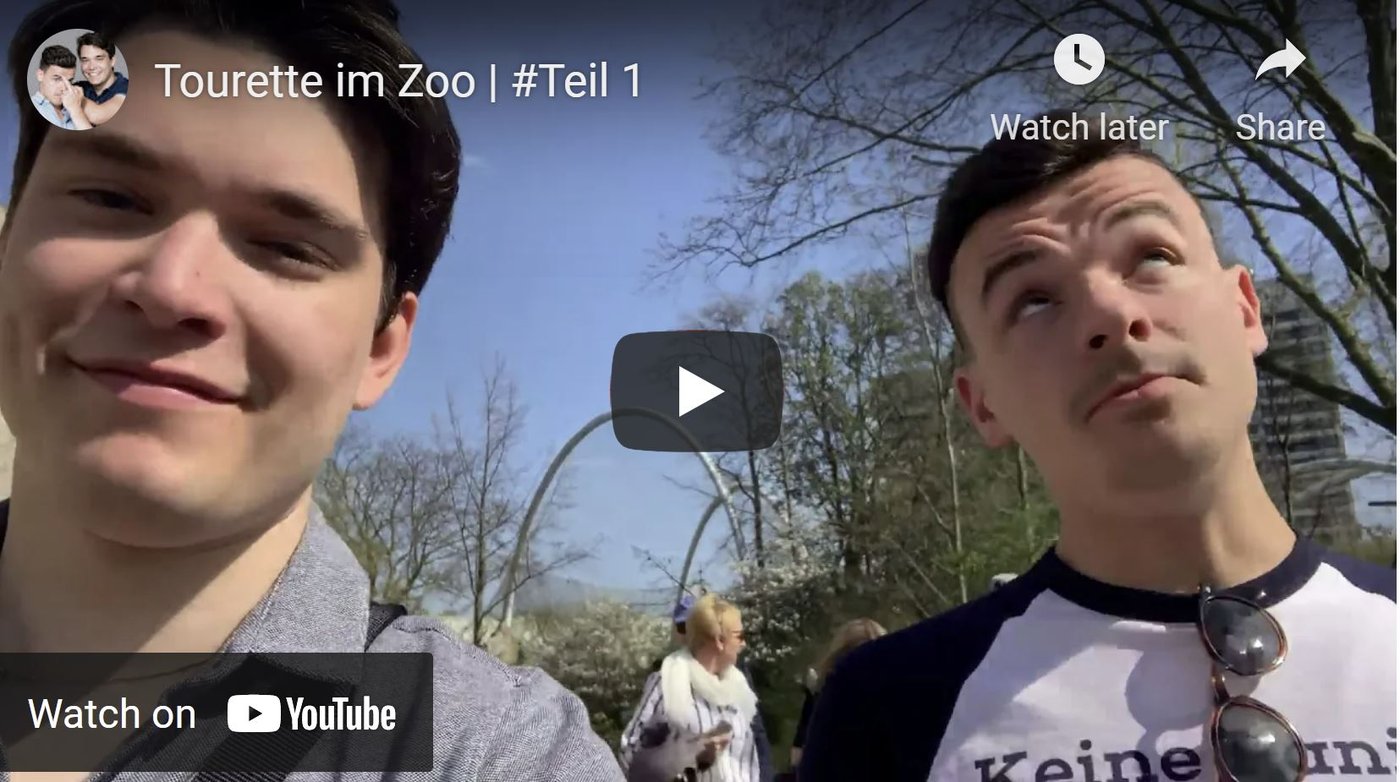
Can a YouTube video about a medical condition actually be contagious and cause that same condition in others? This is the curious mystery that unfolded at Hanover Medical School in Germany and this WIRED UK article explores exactly how it happened and what they discovered. It's a bit of a long read, but fascinating once you do get into it. A good one if you find yourself with some free time this week!
