Why Influencers are Overrated, How Collabs Are Changing Retail and Making Useless Things
What’s In This Issue?
The Underappreciated Beauty of Making Useless Things
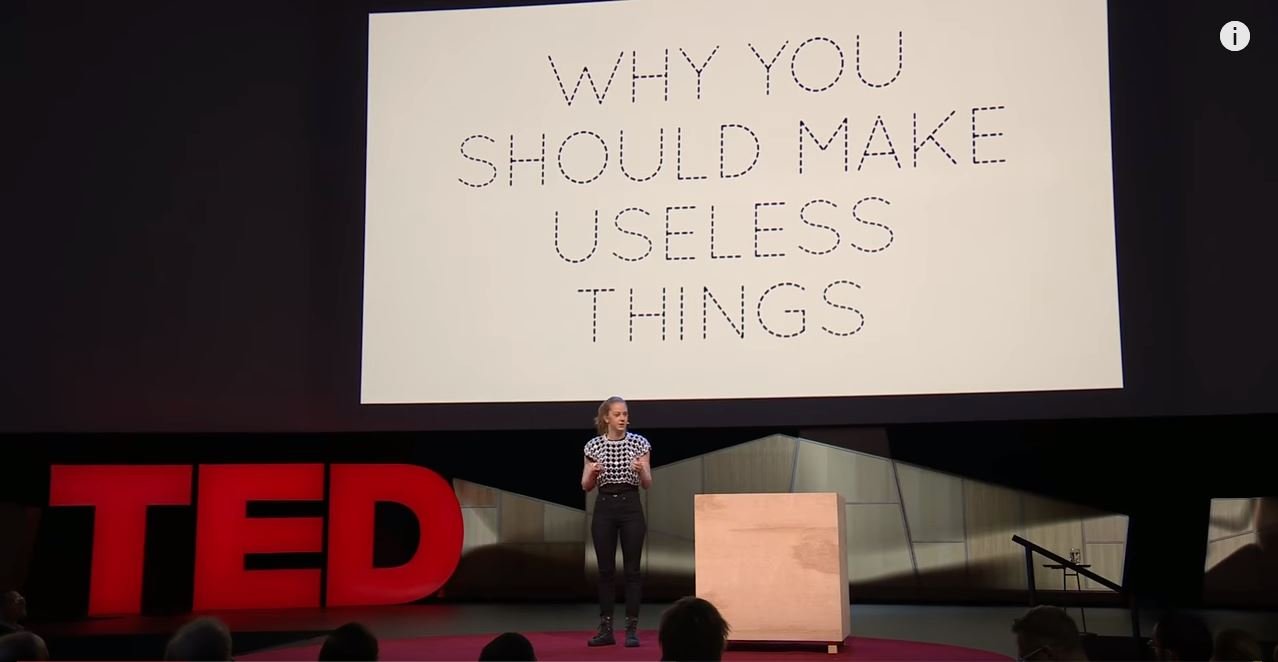
Just a week before her TED talk went live online, self described "maker of shitty robots" Simone Giertz shared an emotional video with her YouTube fans on her recent diagnosis of a brain tumor. In just a few weeks, her TED Talk has been viewed more than 1 million times and her brain tumor video is nearing 3 million views. The theme of both is underlying hope. In one, she hopes for a good result from her surgery and to be back at making videos again. In the other, she hopes to inspire each of us to spend more time trying to fail, because those failures give us confidence. Both videos are worth watching.
Kim Kardashian and the Toxic Influence of Influencers
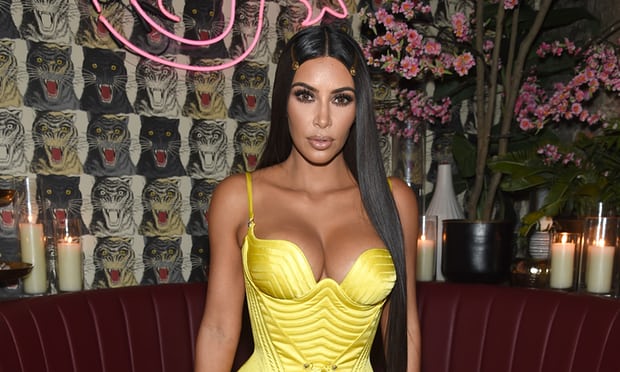
This week Keight loss im Kardashian accidentally provoked the rage of the Internet by promoting an "appetite supressing lollipop" from a company called Flat Tummy that makes various diet products. The outcry came from all sides, as people accused Kardashian of promoting eating disorders and encouraging young women to care too much about having a "flat tummy." Yet the loser in this is unlikely to be Kardashian, who has already deleted the post. Instead, the brand who engaged her will lose because they will take most of the criticism ... which perfectly illustrates the toxic problem with putting too much faith in the wrong influencer.
Why The Future Of Retail Is All About "Collabs"
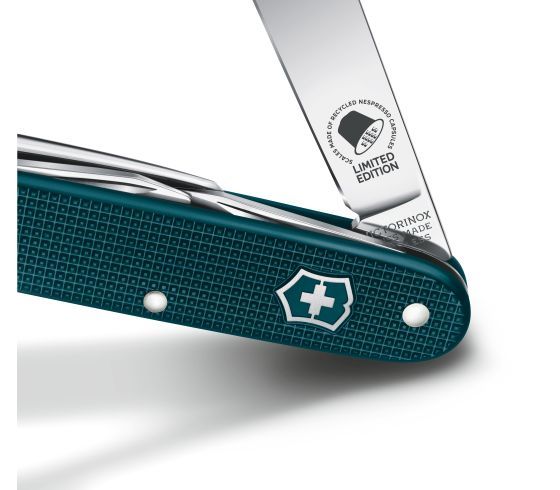
In the world of fashion, collaborations between brands are becoming more and more commonplace, but recently this focus on "collabs" is bringing unexpected brands together as well. For example, Victorinox is using recycled Nespresso coffee capsules in a limited edition Swiss Army Knife. While the brands come from entirely different categories, they likely share some overlap of customers which makes this a very smart strategic trial. In the coming months, we will likely see more teamwork like this where brands find new ways to stand out by partnering with unlikely allies.
How Big Data Can Help The Public Good

Instead of holding all their data privately, what if some of the world's biggest data collectors chose to share some of their data in the interests of public benefit? This article explores what that might be like and proposes several area where the data might be used. For example, Yelp's data on restaurant reviews or place reviews could inspire real estate planners on where to build next. The more data collected, the more value it might have outside of the industry or space it was collected for. The problem is, much of it is currently privately owned and not shared. Perhaps what we really need is a nonprofit or foundation started by these companies where they could unlock some of that data. For now, this is just an interesting idea.
