Why Everyone Might Quit, Wikipedia Can't Be Trusted and Your Data Won't Last Forever
What’s In This Issue?
This Week’s Main Stories
 Story 01Is Everybody About To Quit Their Day Jobs?
 Story 02What If Your Shared Data Did Not Last Forever Online ... and Got Deleted?
 Story 03Wikipedia is Untrustworthy, According to the Creator of Wikipedia
 Story 04Ford Creates Fragrance For EV Owners Who Miss The Smell of Gas
 Story 05"Junk Sleep": Why Naming The Enemy Works In Marketing
Is Everybody About To Quit Their Day Jobs?
Now that is an irresistible headline ... and the answer may actually be yes. According to a new survey from a platform called MarketerHire, "78% of marketers said that marketing is about to see a great resignation, and 48% said that they are personally planning on quitting." Clearly that's a self-serving conclusion for a hiring platform to promote, but that doesn't make it untrue. This past week, a group of Burger King employees made international headlines by quitting in protest of inhumane working conditions. Perhaps scared into action, some companies are now offering bonuses and programs to keep workers happy.
In marketing and other white collar roles, the reasons why people may be dreaming of quitting are easy to understand. Some people fell in love with the flexibility of remote work and don't want to give it up. Others took a leap to the freelance world out of necessity and discovered that it's not as risky as they thought. In many cases, all the people who were let go over the past year are either employed elsewhere or getting multiple offers from companies desperate to staff back up again. All of this means that if you do work in marketing (or even if you don't), you may already be thinking of making a change. And if you're hiring ... there's clearly some great talent out there, but you had better offer a great experience and package if you want to have a chance of attracting them.
What If Your Shared Data Did Not Last Forever Online ... and Got Deleted?
People say that something you post to the Internet will be there forever. We even use this as a cautionary tale to be careful about what you post. Rarely discussed, though, is the opposite situation where something you assumed would be online and available to you forever gets deleted. Most of us are not particularly diligent about backing anything up and cloud storage has made it seem completely unnecessary to do so. It's basically there to back everything up so we don't have to, right? Unless that digital archive eventually becomes unavailable, of course.
The solution, as professor Paul Royster suggests, is that we need a "Data Preservation Day" where we all go through our online data and ensure we're not blindly trusting some third party like Google or Dropbox or Facebook to keep all of our data accessible forever. I realize this advice involves spending a painful number of hours doing something boring, but you probably manage to clean out your fridge every once in a while and that sucks too. The point is, just do it.
Wikipedia is Untrustworthy, According to the Creator of Wikipedia
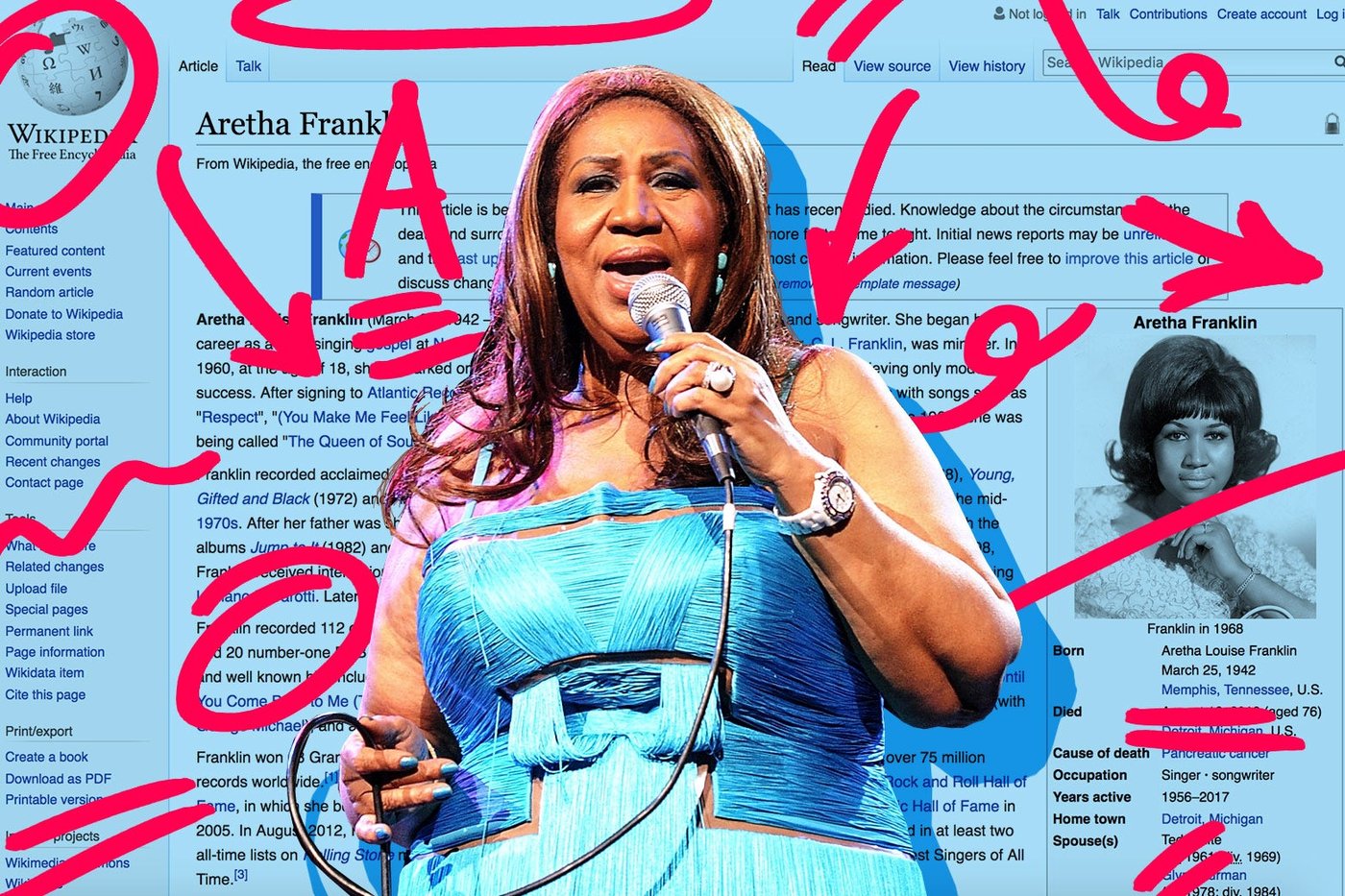
I would say I have had a love-hate relationship with Wikipedia, except I never loved it. To me Wikipedia was always one of those beautiful concepts in theory that had lots of problems in reality. More than three fourths of all articles on the platform are written by less than 1% of contributors and the most active editors have long lacked diverse voices. Even some of the most active contributors have given up and left the platform for dead after being frustrated by the ease with which good authoritative content is replaced by stupidity or cut and pasted content from someone else. There are even competitions among people with too much time on their hands to be the first to declare a celebrity dead on Wikipedia.
The real problem, it seems, is that nothing is ever done. Instead the edits and egos just continue forever, creating a place where normal people with real expertise to share get replaced by "Wikipedians" who have nothing better to do than cut and paste Internet content about topics they know nothing. It's no wonder Wikipedia isn't trustworthy.
Ford Creates Fragrance For EV Owners Who Miss The Smell of Gas
When Ford asked their customers who were considering switching to a new Electric Mustang, many said what they would miss most was the smell of the engine and gas that was part of the old ownership experience they loved. So Ford engineers got to work and developed the "Mach-Eau premium fragrance" that recreates that smell to help owners feel more at home with their new EV version of the legendary muscle car. It's a smart move, and one we can all take a lesson away from.
There are many things that a car manufacturer could focus on ... but you don't expect the smell of an engine to be one of them. Yet this may be the secret to successfully converting their most loyal customers to embrace electric vehicles. A similar moment likely came when digital cameras were first introduced and usually included a fake shutter sound just to reassure users that a picture was actually taken. When asking people to make a big change, anything you can do to make it feel less daunting is worthwhile. Even if it happens to be a strangely named piece of black cardboard that smells like an engine.
"Junk Sleep": Why Naming The Enemy Works In Marketing
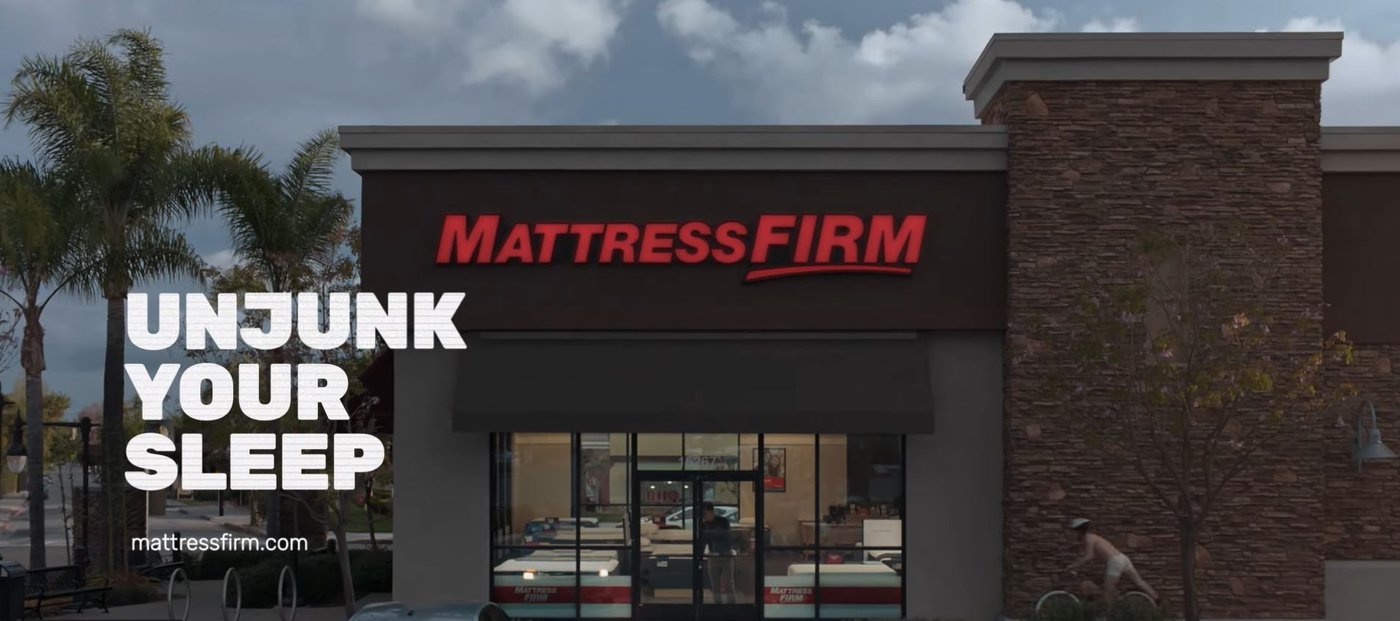
It's no secret that most people don't sleep as much, or as well, as they should. Mattress Firm launched a marketing campaign this week focused on this reality by naming our lack of quality sleep as "junk sleep." The campaign features a series of TV spots designed to remind us of the need for quality sleep and that maybe we didn't wake up on the wrong side of the bed, but in the wrong bed altogether. It's a smart campaign and I love the concept of "junk sleep." The campaign does conveniently ignore the fact that even having a great mattress won't solve your problem if you don't actually go to sleep at a reasonable time in the first place ... but it's still a clever idea.
