How An Olympics Without Fans Hurts Athletes, Ancient Continent and Chief Heat Officers
What’s In This Issue?
Cities Will Soon Have "Chief Heat Officers" and Cloud-Seeding Drones
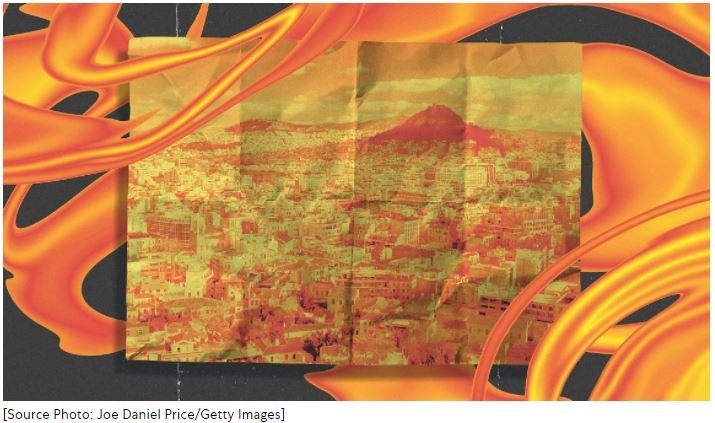
Back in May, Miami became the first city in the world to appoint a Chief Heat Officer to "implement solutions for extreme heat." Now Athens, the hottest city in mainland Europe, has followed the example and appointed their own CHO to tackle this problem. The intent seems to be for this role to bring attention to initiatives such as increasing green spaces, implementing so-called "cool pavements," and more public fountains or indoor places where people can go to cool off. Dubai is taking a different approach, funding a cloud-seeding program with drones that use electricity to actually create rain.
Bringing more attention to this urgent issue is important - so these efforts are all important. The problem, ironically, is buried at the end of one of the articles in a single sentence: "Freetown, Sierra Leone [will be] the next city on the list to appoint a chief heat officer, which will happen in November, when the southern hemisphere’s summer starts to kick in."
As long as the world's governments are waiting until the problem is most extreme in order to take action, the problem of extreme heat will continue to get a lot worse.
The Travel Industry's Tipping Point for Diversity + Inclusion
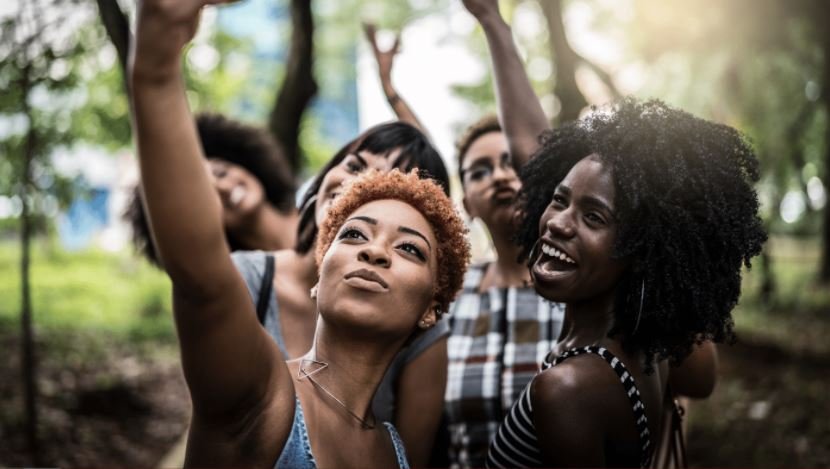
As people start traveling again, the NY Times suggested this week that it may be time for "the travel industry's reckoning with race and inclusion." With travel, there has long been a sort of backchannel among travelers asking others in their community about whether certain experiences are safe. The demand for this information has led most travel guides to now specifically spotlight places that are that safe for women traveling alone or indicate which destinations are particularly welcoming of LGBTQ+ travelers.
Monument Lab, one example profiled in the article, helps people ask questions about the monuments we currently see in cities and the real histories of the people and events that they are meant to commemorate. In addition, more travelers are seeking out businesses run by Black owners to support while they are traveling. The next level, it seems, is going beyond safety to consider how inclusive these experiences are altogether ... and who is creating them.
How Does The Lack of Audience Affect Olympic Athlete Performance?

The story of Simone Biles has dominated Olympic headlines this week, but one interesting perspective that I read which offered a broader view of the story was all about how performing in empty arenas without audiences may be harming athlete performances at the Games. Unlike many other sports that were played over the past year in stadiums with artificial noise or cardboard cutouts of fans to simulate a crowd ... the Olympics have reportedly not done any of that. As a result, many who are there in person describe the experience as "bleak" and "eerie." It turns out, there is plenty of science to prove what we might already assume to be true ... elite athletes feed off audience energy and perform better with a crowd. Without that, it becomes easier to get into your own head, feel more pressure to perform and miss out on the powerful boost that a live audience can offer. As the article notes, without a real audience, "the stakes feel lower."
Are Young Adults The Forgotten Unvaccinated?
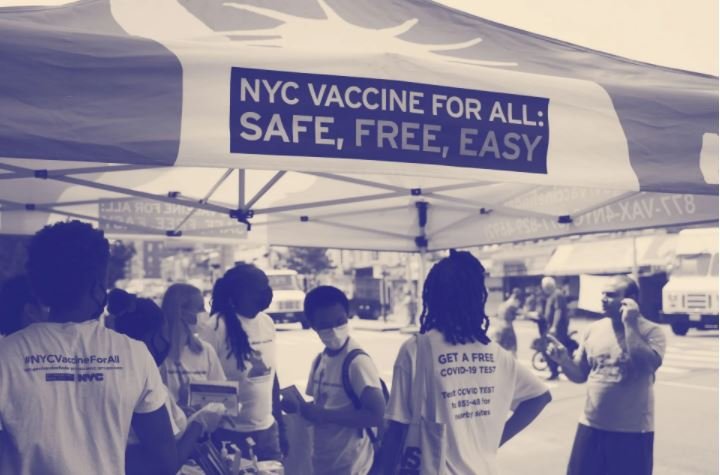
Stories of all the people in the United States alone who are unvaccinated seem to be dominating my newsfeed. Most offer the same tired perspective: focusing on Republican voters who seem, according to all the news stories you read, to view their choice of avoiding the vaccine as an act of defiance or fidelity to former President Trump (who, ironically, was among the first people to get vaccinated himself).
That's the outrage-stoking story, but there is finally more attention on one group that remains hesitant to get the vaccine for a reason that has nothing to do with politics. Young people have long resisted getting insurance, because they tend to feel invincible. Whether it's COVID or other types of sickness, when you're young and healthy, you tend to dismiss the risk. Interestingly, it may be Universities preparing for the Fall semester that could offer the greatest opportunity to get more young people vaccinated through programs like lotteries or even mandates from more than 600 schools that only the vaccinated can come back into class. Someone who believes being unvaccinated is a political choice may be the hardest to convince. A young person who cannot go back to school unless they get the shot or sees a chance to win a lottery, seems like a much better group to focus energy on.
