What Not To Do For Juneteenth, Why English Majors Are Declining and a B2B Marketing Idea
What’s In This Issue?
This Week’s Main Stories
 Story 01YouTube Bans Election Ads On Its Homepage But Misses The Point
 Story 02Is Cristiano Ronaldo Really To Blame For Coke's Big Stock Price Fall?
 Story 03How a Non-Profit Used a Retro Video Game For Brilliant B2B Marketing
 Story 04These Kickstarters Might Help You Replace (Or Save) All Your Batteries
 Story 05The Importance of Industry Awards For Diversity In Advertising
 Story 06What Is Juneteenth and How Can You Support It?
Even More Stories
- NYT: The History of Juneteenth
- SHRM: How To Honor Juneteenth At Work
- Insider: Black-Owned Brands To Support and Causes to Donate To On Juneteenth
- Blavity: Twitter Imagines How Absurd Retail Promotions For Juneteenth Will Be If It Becomes A Holiday
- Mental Floss: 12 Fascinating Facts About Juneteenth
- Rory Sutherland on Creative Devaluation
- Botswana says it has found the world’s ‘third largest’ diamond
- Company Starts Shipping It's $50,000 Mind Reading Helmet
- The Biggest Stereotypes About Young Unemployed Africans
- Why So Many Students Are Skipping The English Major
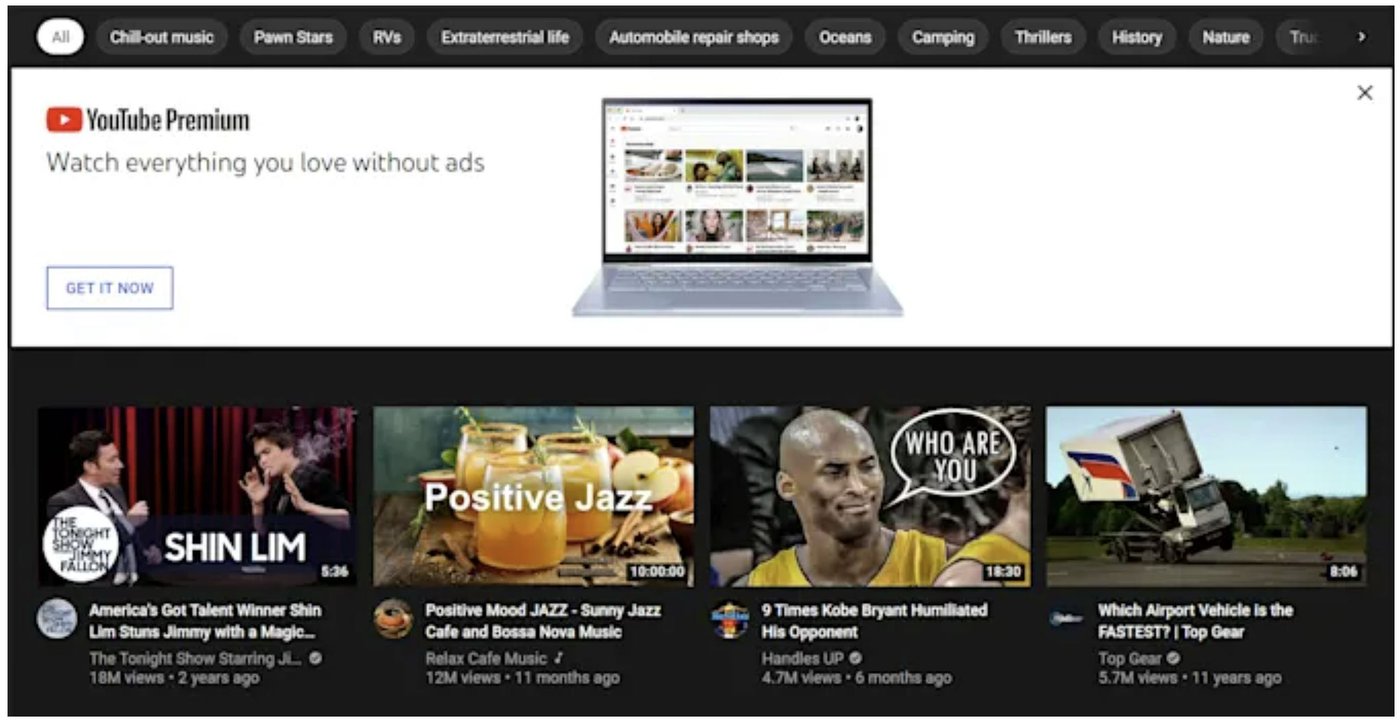
YouTube Bans Election Ads On Its Homepage But Misses The Point
There has been a lot of discussion this week among advertising and marketing media about the recent move from YouTube to ban certain types of ads from the highly visible top spot on the YouTube homepage. Honestly, it's a bit like going on a diet by promising yourself you won't eat a full size donut, only a dozen smaller donut holes instead. In other words ... meaningless. If an ad is misleading or outright lying or selling an addictive product and you're going to ban it, then ban it everywhere.
When it comes to political ads, I have long believed that they should be completely banned - but since they are so profitable, that's unlikely. A compromise that more platforms could consider is to ban all political ads that mention an opponent (ie - all attack ads). It's an easy common sense fix to the plague of false, misleading and evil political ads we typically see. After all, Adidas can't run an ad talking about how much Nike sucks (or hire a shady Super PAC to do it for them) so why should political campaigns get away with the same thing? The world would be better if we forced politicians to talk about themselves and their plans instead of paying to tell lies about their opponent.
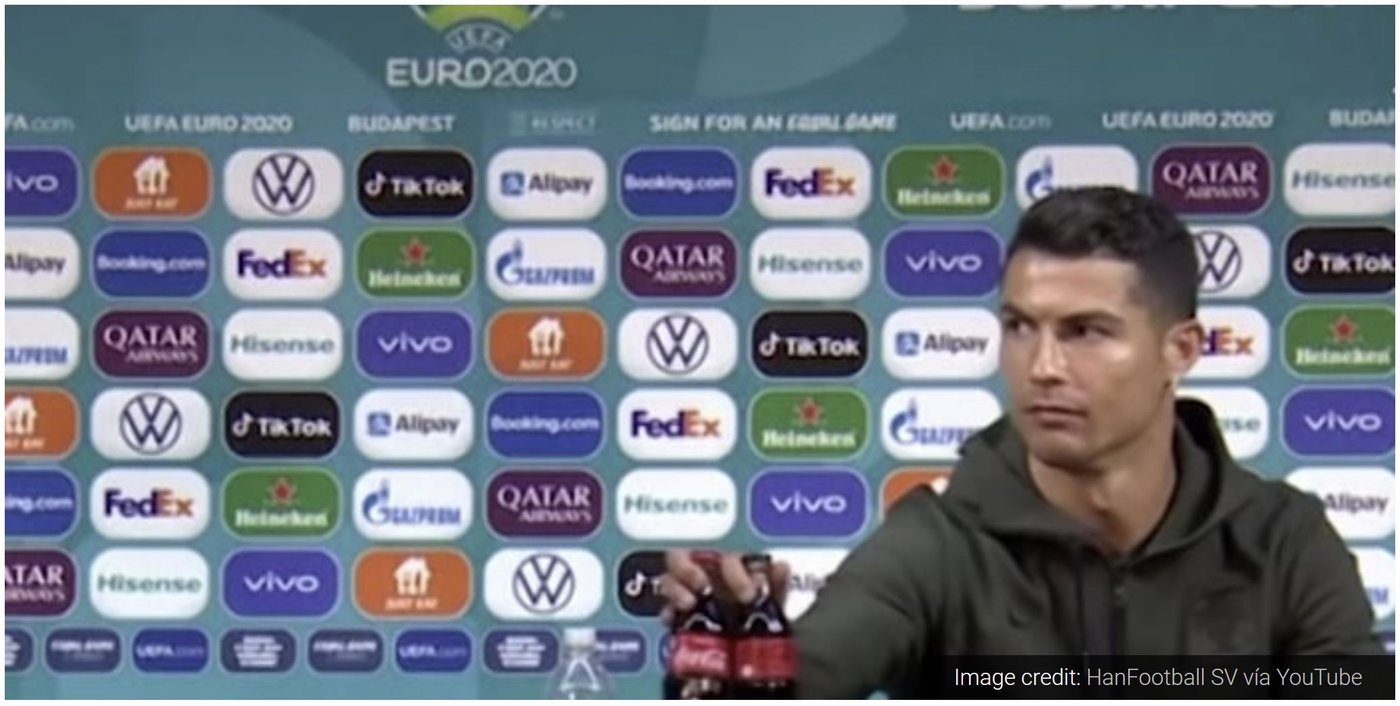
Is Cristiano Ronaldo Really To Blame For Coke's Big Stock Price Fall?
The idea that Coca-Cola's overall brand worth could take a $4B hit just because famous footballer Cristiano Ronaldo chooses to replace bottles of Coke on a table with bottles of water during a press conference seems a little farfetched. Still, that's the working theory of more than a few stock analysts - and if they are right it's a worrying sign for many reasons.
Firstly, because people's belief in one of the world's most valuable brands is this fragile. More importantly, because there is a business model for banking on this type of volatility to transform it into millions of dollars of profit. And with that much money at stake, it won't be long before these types of moments will be staged and intentionally monetized by someone instead of accidentally caught on camera.
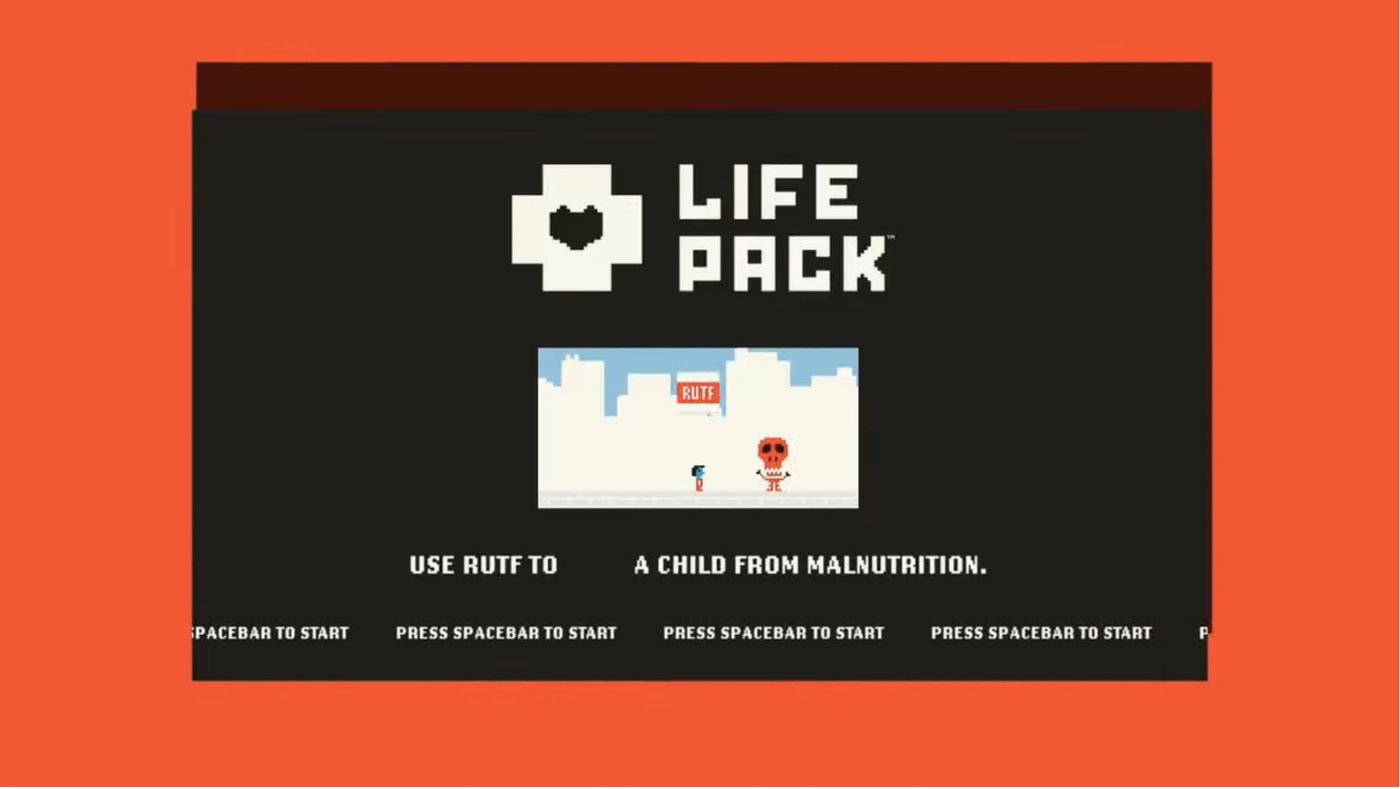
How a Non-Profit Used a Retro Video Game For Brilliant B2B Marketing
Lifepack is a company that makes a ready-to-use therapeutic food that could help fight childhood malnutrition and save lives. Like most non-profits with an important solution, they face a crowded space in getting people to care. Their solution to this problem was inspired. The organization built a retro video game and then promoted it specifically to gamers and game developers. Unlike other nonprofits, their goal was not to get you or I to donate to their cause. Instead, they wanted game developers to include them as a charitable option for in-game purchases. This was, in other words, one of the smartest B2B marketing ideas that you're likely to see from an unexpected source.
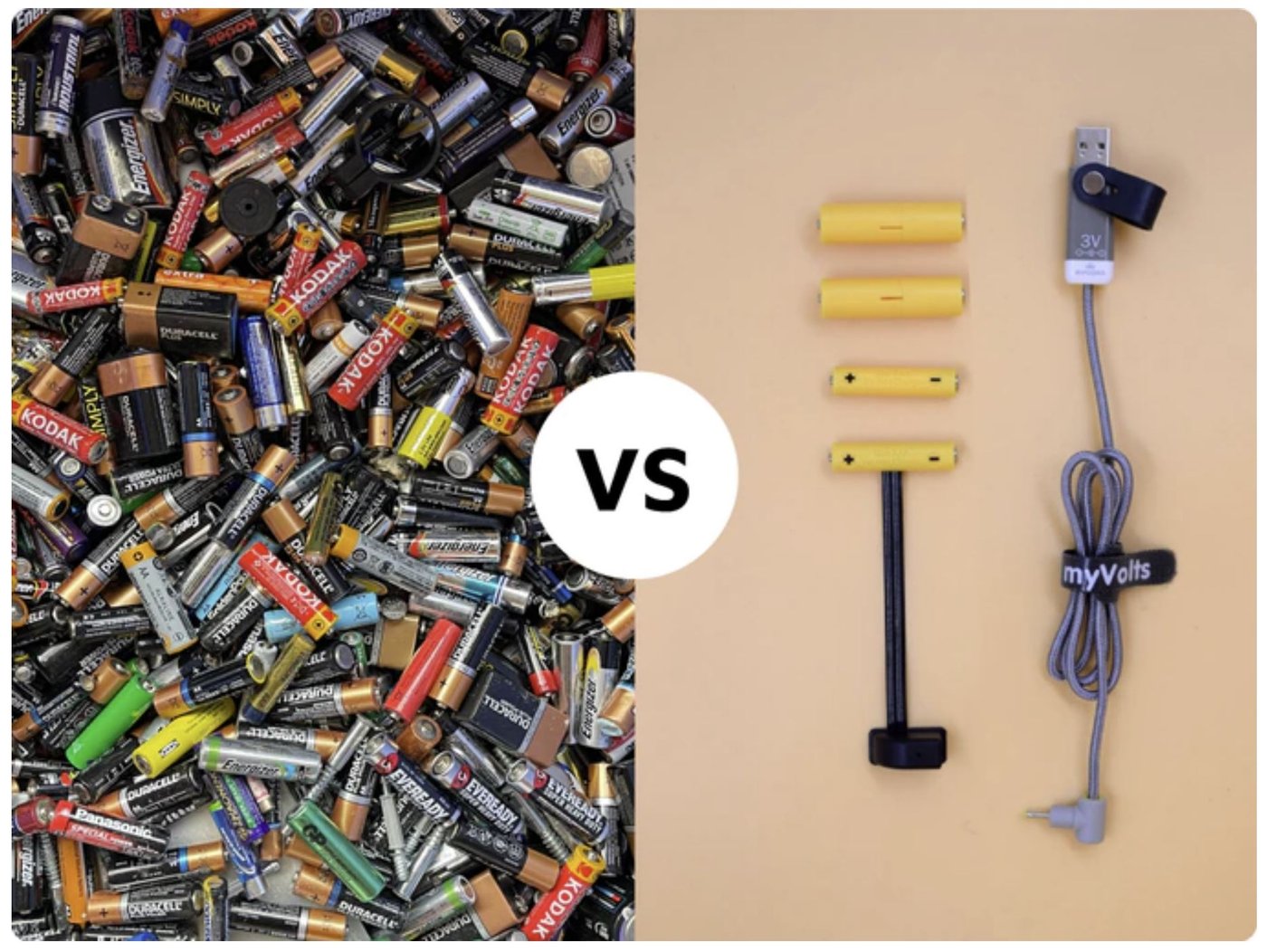
These Kickstarters Might Help You Replace (Or Save) All Your Batteries
Batteries are a plague on the environment and expensive, but most of us use them because we just don't have a good alternative. There are recyclable batteries, of course, but those can be hard to keep track of too and also need recharging. And the batteries built into our devices fail too quickly. It turns out this is an active category on Kickstarter with some fascinating ideas to solve the world's battery addiction. One is promoting a new solution that converts your batteries to use USB charging. Another has a device that you can use as a "middleman" between your phone and the outlet to ensure you don't overcharge your phone (and reduce your overall battery life). There are even solar powered batteries. This is one of the reasons I love Kickstarter campaigns. You can find some of the ideas of tomorrow on display there, and you can get involved to fund them too. Along with the occasional mystery puzzle, of course.
The Importance of Industry Awards For Diversity In Advertising
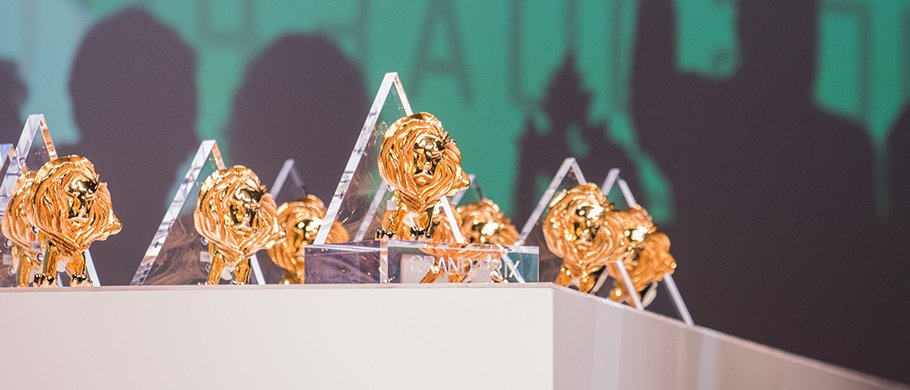
As the marketing industry tries to find new ways to bring diversity into their teams, there was an article this week talking about the reality of judging at industry awards shows like the upcoming Cannes Lions 2021 International Festival of Creativity. These programs matter more than people realize. They are a chance for emerging creative talent to make their reputation and get recruited. They spotlight important work that might not get as widely shared otherwise. And the pool of judges too often lack the experience and exposure to other cultures and so their judging of campaigns is biased. Despite lots of conversation about bringing more diverse perspectives into advertising and marketing, this challenge of diversifying the people who award the industry's biggest honors hasn't yet made the list and it should.
What Is Juneteenth and How Can You Support It?
You might already be familiar with the upcoming date known as Juneteenth (June 19th). It is the commemorative date named for June 19, 1865, the historical date when enslaved African Americans in Texas learned that they were free. Today, the date is also known to some as "Freedom Day" or "Emancipation Day" and there is currently legislation in the US being considered to make it a legal public holiday. For this year, here are some useful reads to help you learn more about it, how you can best support the day and what not to do.
- AARP: Six Ways To Commemorate and Celebrate Juneteenth
- NYT: The History of Juneteenth
- SHRM: How To Honor Juneteenth At Work
- Insider: Black-Owned Brands To Support and Causes to Donate To On Juneteenth
- Blavity: Twitter Imagines How Absurd Retail Promotions For Juneteenth Will Be If It Becomes A Holiday
- Mental Floss: 12 Fascinating Facts About Juneteenth
