LEGO's Impossible Brick, Liberia's Bold Olympic Uniform and the Secret History of Monopoly
What’s In This Issue?
This Week’s Main Stories
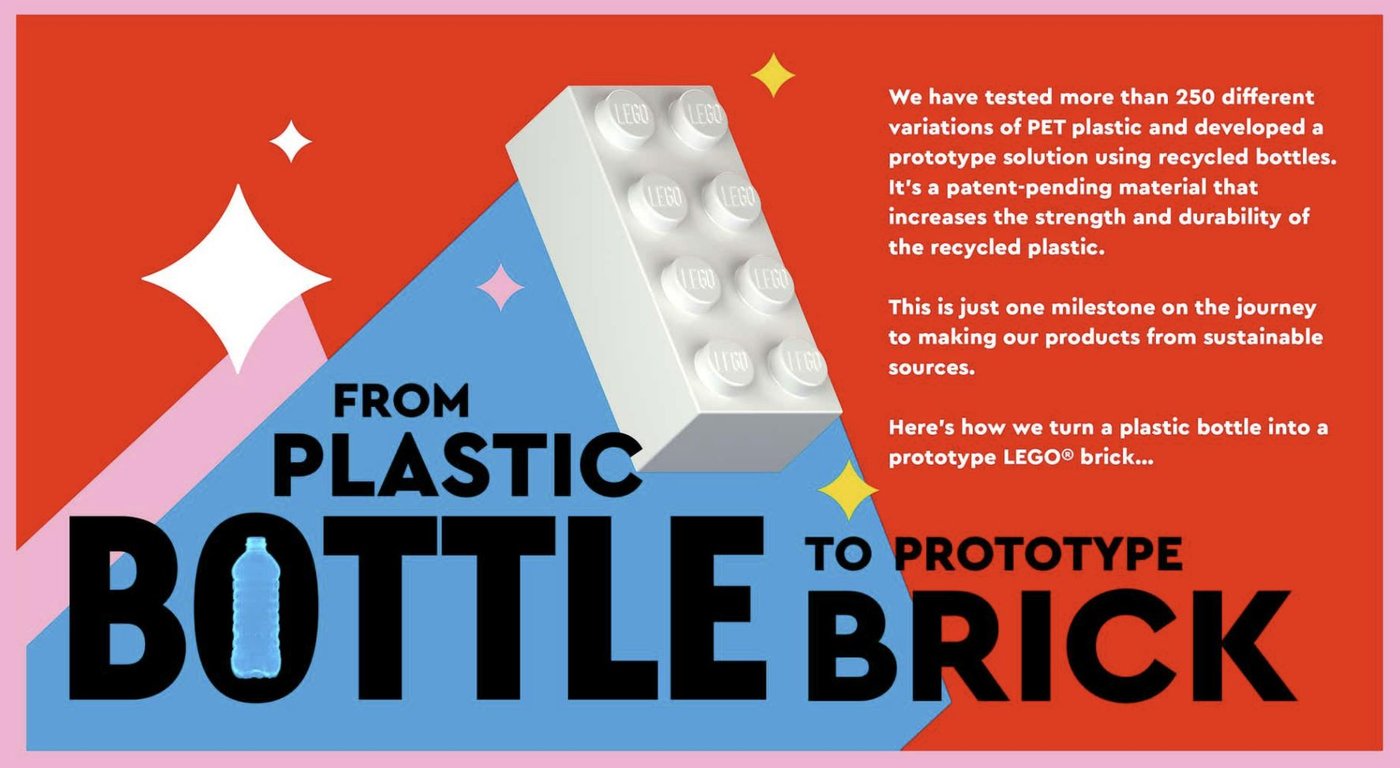 Story 01LEGO's Recycled Brick Might Be Impossible ... But They're Still Trying.
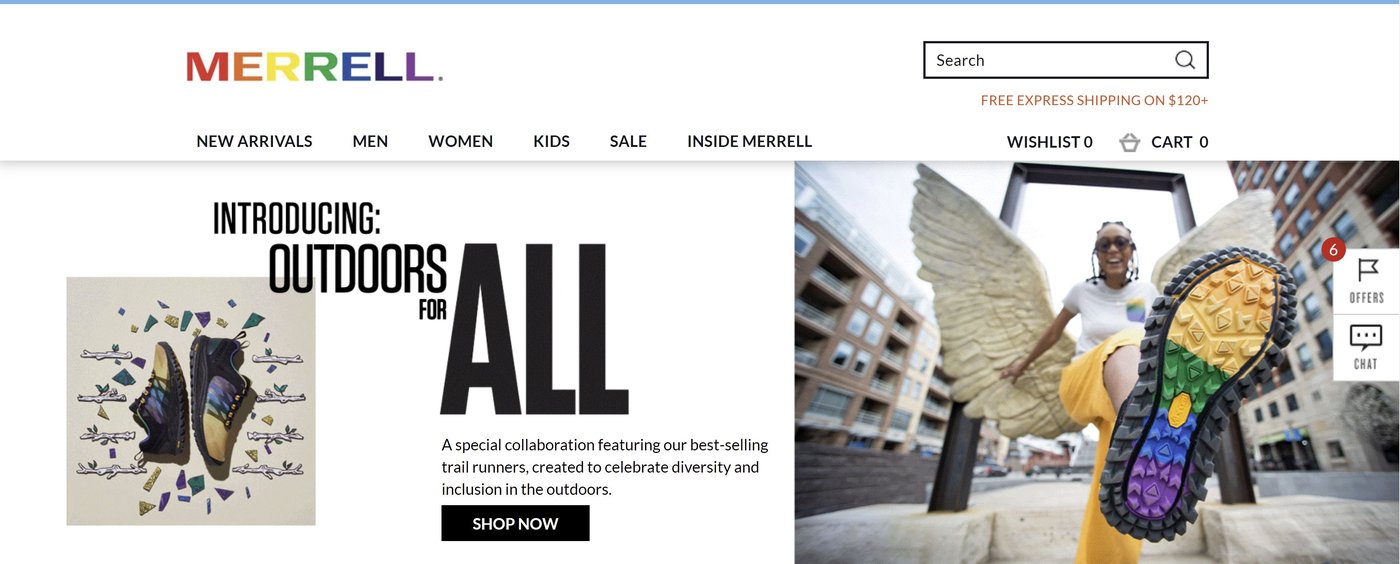 Story 02Merrell Tries To Make The Outdoors More Diverse
 Story 03The Reuters Digital News Report Is A Sad Reflection of Humanity
 Story 04Zoom Lets Users Choose Whether To Share Their Pronouns
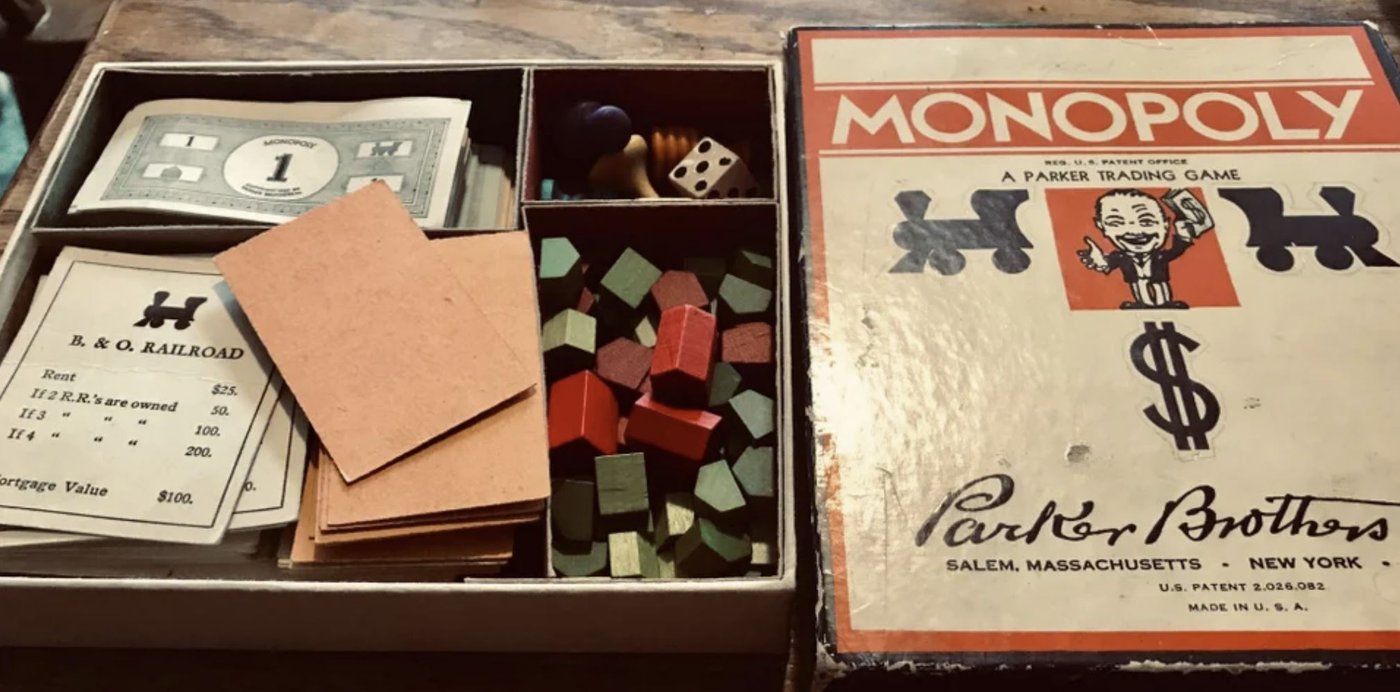 Story 05Monopoly Was Actually Invented To Show The Dangers of Capitalism
LEGO's Recycled Brick Might Be Impossible ... But They're Still Trying.
I recall years ago writing about LEGO's quest to find a way to make their bricks out of recycled plastic. The problem is, there didn't seem to be a way to get the same hardness and "clutch power" without using petroleum in the manufacturing process. Today the brand announced their first prototype brick made from recyclable plastic. The effort does have its critics. Some argue that since the bricks last forever already, they aren't really being burned or contributing to landfill so maybe LEGO should focus on their packaging instead. It's a fair point. But the fact that they have entire teams of smart scientists working on this is a good thing. If this issue could be solved, it would be a huge win for the Earth -- and LEGO knows it. Sometimes, it's nice to have a brand choosing to work on something that is bigger than just their own products.
Merrell Tries To Make The Outdoors More Diverse
Here's a surprising statistic for you: 71% of participants in outdoor activities were white, according to a recent study conducted by the Outdoor Industry Association. On a quest to change that, outdoor brand Merrell's CMO Janice Tennant is on a mission to change this. The brand has challenged their agencies to tell more diverse stories, created education campaigns designed to get underrepresented groups outdoors and evaluated all their stock imagery to eliminate potential bias. This is exactly the kind of change that's needed from retailers to reduce the racial barriers that we might not otherwise notice.
The Reuters Digital News Report Is A Sad Reflection of Humanity
The Reuters Digital News Report is out for 2021 and there are some disturbing findings from the report that reviews perceptions of the media across six continents and 46 markets. The report found that trust in the news grew over the past year, with Finland boasting the highest trust at 65% and the US the lowest at 29%. Across the world, Facebook is universally seen as the biggest spreader of false information but at the same time the number of people using social media to get news continues to rise. And since the election of Joe Biden, more American report consuming less news or avoiding it altogether.
Altogether, there is not much to be hopeful about in this report. People widely distrust media, know Facebook spreads misinformation and yet blindly choose to get news for social media anyway. And when politics gets relatively "boring" compared to the last administration, people tune the news out completely. It's not a good report card on the state of humanity.
Zoom Lets Users Choose Whether To Share Their Pronouns
This week Zoom announced a new feature that will allow users to turn on or off the ability to share their pronouns in a particular meeting. In the process, they have uncovered a much bigger idea than it seems they realize. Imagine if you could control what parts of your identity to share on a meeting by meeting basis. In some, you might want to mention your company or job title. In others, you may share your location. Of course you can always change the name you join a meeting as, but doing so constantly is inconvenient and there is no proactive reminder that pops up to remind you and it attracts unnecessary attention to change it after you've already joined a meeting. All that to say, I think this could be a killer feature to roll out for more dimensions of our identities than only pronouns.
Monopoly Was Actually Invented To Show The Dangers of Capitalism
The real history of Monopoly is fascinating - and it isn't what you've heard. The game's forgotten inventor, a woman named Elizabeth Magie, first created the game as a way to illustrate the dangers of capitalism. Her original game featured an alternate way to play where everyone would benefit from land being bought because everyone would pay taxes into a central pool. The "losing" way to play would be for each player to amass property, drive others into bankruptcy and be the last person with any money. Yes, that's how we play today - and the original lessons about the dangers of capitalism have been totally lost. Unless you read this story, of course.
