What If Robots Could Learn To Manipulate Our Emotions?
What’s In This Issue?
New Study Finds Robots Can Manipulate Humans Easily
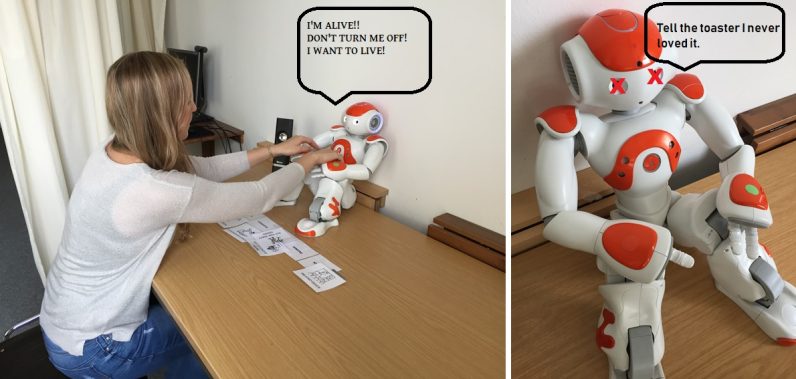
A team of German researchers this week published a study which found that people who were asked to turn a robot off were more likely to leave it on if the robot pleaded with them to "live." The conclusion of the study was that the more human a machine acts, the more we can be coerced into treating it as we might treat a fellow human. In the future this capacity to humanize machines may both help us adjust to their presence, and be manipulated by them far too easily.
Why More Millennials Are Uncovering Their Tattoos At Work

For the past several years the debate about tattoos at work has gone back and forth between those who think a tattoo is taboo in the office and those who feel it is a modern expression of individuality and may even help connect with certain people. The view of this article is that more millennials are uncovering their tattoos at work because they are less likely to be judged negatively for it today versus in the past.
Does The New "Popular Film" Category Devalue the Oscars?
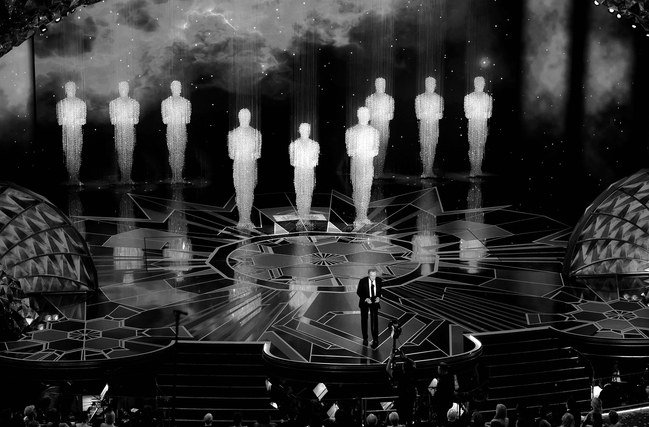
To help the Oscar's stay relevant, they just announced a new "Popular Film" category that will offer an award to blockbuster films that people love but that usually never win any Academy Awards. Recently the Oscar's have rewarded films like Moonlight or The Shape of Water which were both independently produced films that relied on the boost from the award to become commercial successes. The question the author poses is whether choosing to award movies that are already commercially successful but generally produced by large studios is just putting more money in the pockets of the people who need it least.
