Tinder's Year In Review, Polar Bear Trackers, "Smellicopters" and Diversity Summit
What’s In This Issue?
This Week’s Main Stories
 Story 01Nobody Is Going to Conventions. Why Are Convention Centers Expanding?
 Story 02Tinder's "Year In Swipe" Dating Report
 Story 03Post-It Engineers Create a Safer Way To Tag Polar Bears
 Story 04The Colonized World Wants It's Artifacts Back. Will It Happen?
 Story 05AI Can Run Meetings Now, And Spy On You For Your Employer
 Story 06This New "Smellicopter" Drone Uses A Real Live Moth Antenna To Smell.
Nobody Is Going to Conventions. Why Are Convention Centers Expanding?
On the surface, it probably seems ridiculous that the Indianapolis Convention Center is moving ahead with a $550M expansion right now. It's been nine months since any conventions happened, and most of the biggest have already cancelled or shifted their 2021 events to be virtual. Yet as this NY Times article explains, many of the biggest centers are banking on a BIG resurgence in 2022 and 2023 and that may not be a bad bet. One effect of the pandemic will certainly be a pent up desire for industries and the people who work in them to finally come back together.
Tinder's "Year In Swipe" Dating Report
I have to admit, I enjoy the "Year In ..." annual recap reports that come from the social media platforms. It's one of the rare moments where we actually get a small inside look at the vast amounts of data these platforms collect on us. In Tinder's report, they shared ten insights and the one minute video is worth a watch. The big thing that stood out for me was just how much the platform is enabling people to broadcast their deeply felt beliefs and filter out dating anyone who might disagree with them. It's understandable, but also a little sad that the most narrow minded people will end up finding one another. Although perhaps that always happened even before we had Tinder too.
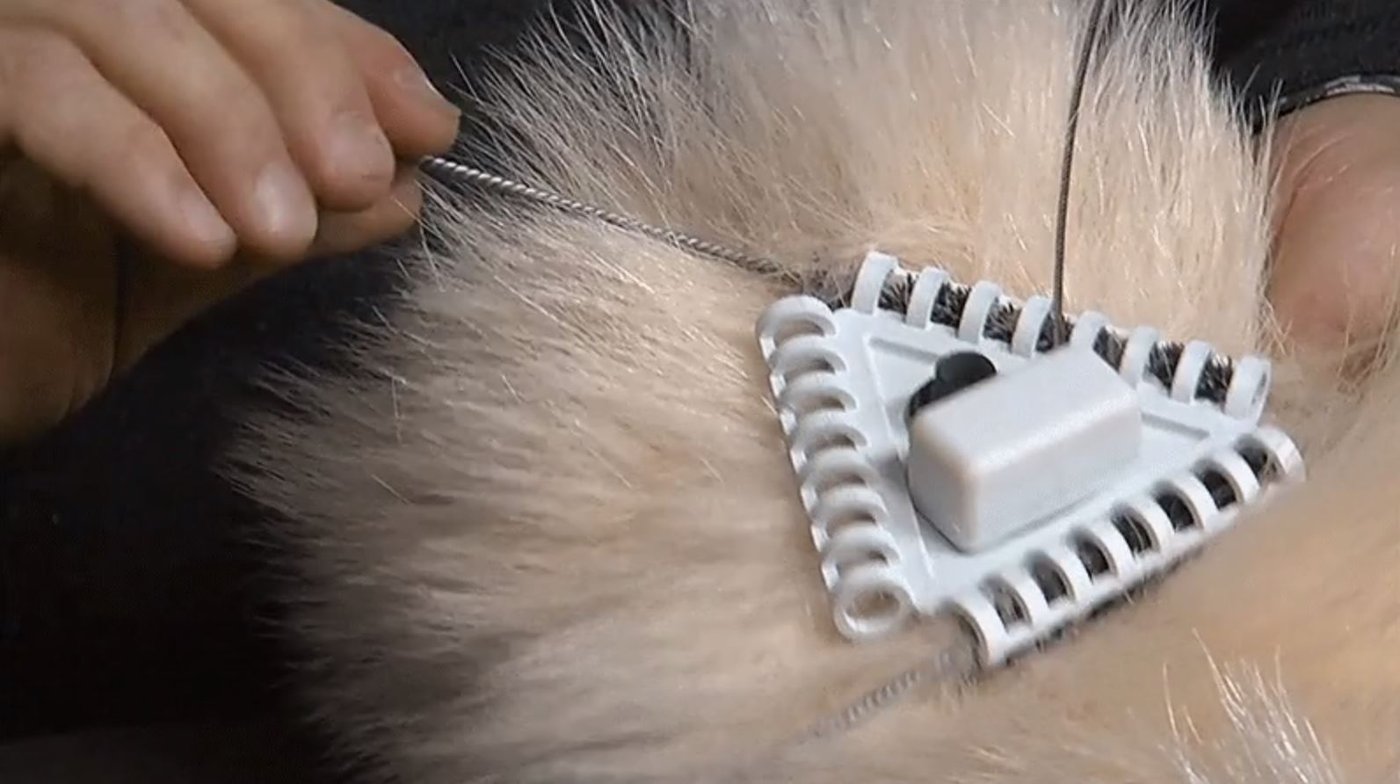
Post-It Engineers Create a Safer Way To Tag Polar Bears
What do you do when you are a polar bear researcher who is struggling to find a good way to attach a GPS tag to a polar bear in a non-permanent way? Ask your dad who works at 3M of course! That's the story behind this new "sticky" polar bear tag design that shows just how beautiful a solution can be imagined when you bring two different worlds together. Non-obvious solutions indeed.
The Colonized World Wants It's Artifacts Back. Will It Happen?
I remember traveling through multiple cities in Switzerland nearly two decades ago and marveling at the amazing collections of art that relatively small museums had on display. Until someone pointed out that many of them likely came from the private collections of Nazi soldiers who hid them there after stealing them from Jewish families during World War II, and then their ownership history was lost. This is an even bigger problem when you consider the tens of thousands of artifacts stolen from colonized nations over hundreds of years.
As this Unthinkable Idea article from Vice explores, what if all of these artifacts were finally returned to their nations of origin? It's an important question with a complicated answer. It would certainly be the moral thing - but there are many layers of bureaucracy and millions of dollars at stake in making it a reality. So it is happening slowly. And in some cases, not at all. Which is presumably what makes this an "unthinkable idea" in the first place.
AI Can Run Meetings Now, And Spy On You For Your Employer
Now that so much of work has gone virtual, it's no surprise that there are a growing range of products and services that are trying to quantify it. As this WIRED article points out, some of them illustrate a potential future of work that many of us will be living in a few years. A future where every Zoom conversation can be measured for who spoke most, what they said, and even how much each participant was paying attention (through AI that measures facial reactions and tracks eye movements). Ambitious? Yes. A bit scary? Yup, that too.
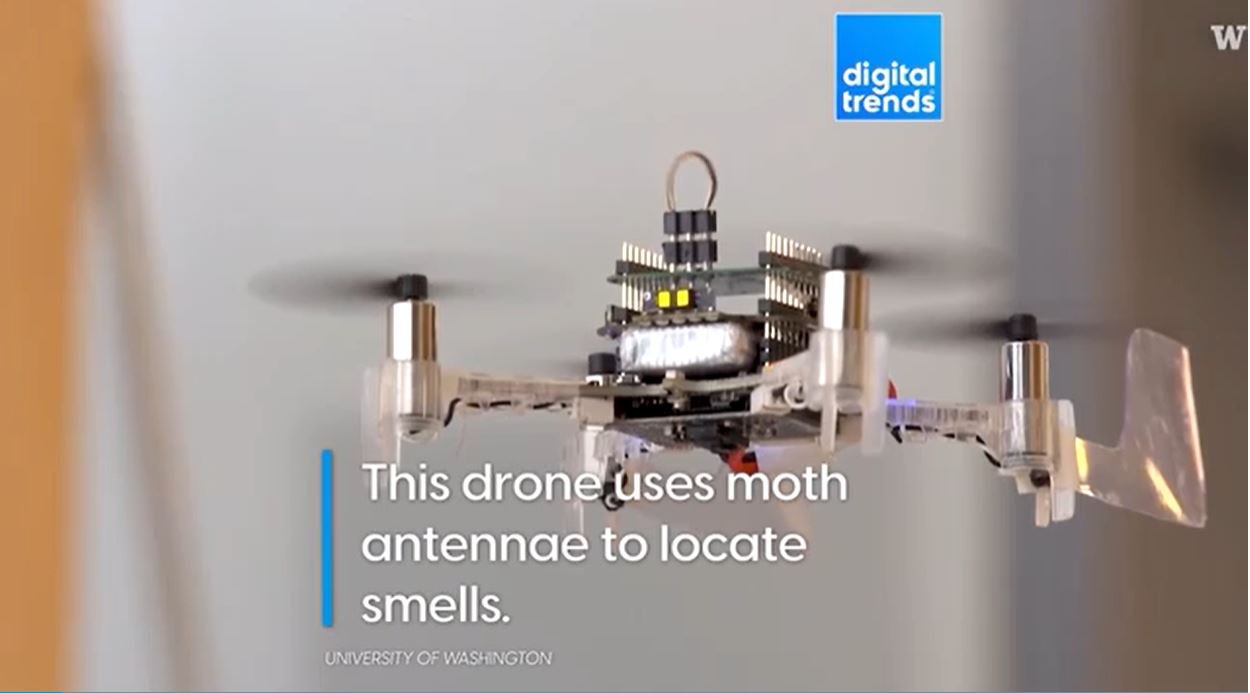
This New "Smellicopter" Drone Uses A Real Live Moth Antenna To Smell.
Imagine a drone that can use smell to navigate itself. That's the innovation that a team at the University of Washington invented by attaching a drone to a live moth antenna and using signals from the antenna to navigate. As the article notes:"
"Biomimicry, the idea of using the natural world for engineering inspiration, is nothing new. But using bits of real animals is. As it turns out, however, moths are so unbelievably good at amplifying chemical signals with their antennae to detect even a single scent molecule that no human-made sensor can compete."
In other words, this is a pretty fascinating new kind of augmented technology - where the "augmenting" consists of real body parts of animals.
