The Best Non-Fiction Books, a Creepy Holiday Gift and How VCs Are Destroying Capitalism
What’s In This Issue?
This Week’s Main Stories
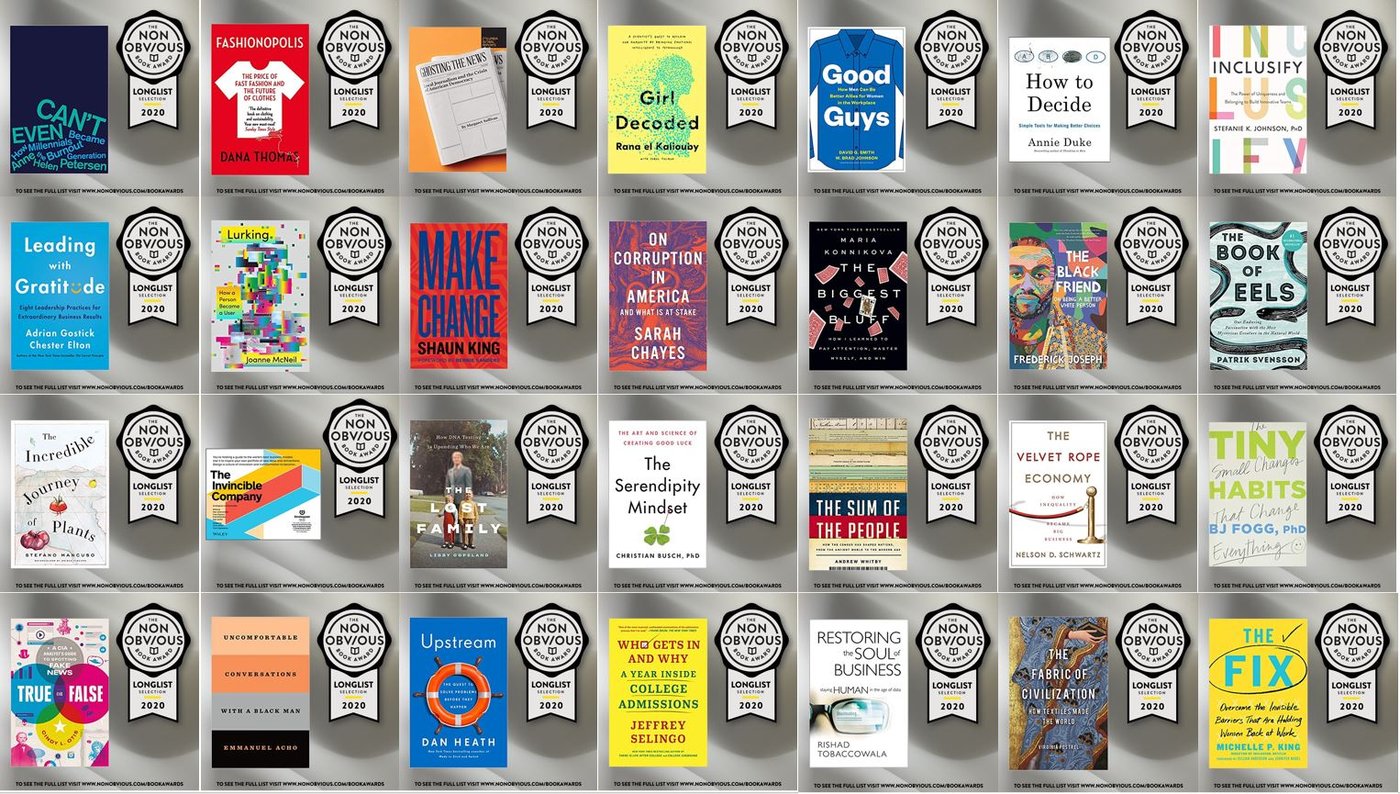 Story 01The Best Non-Fiction Books of the Year: The Non-Obvious Book Awards!
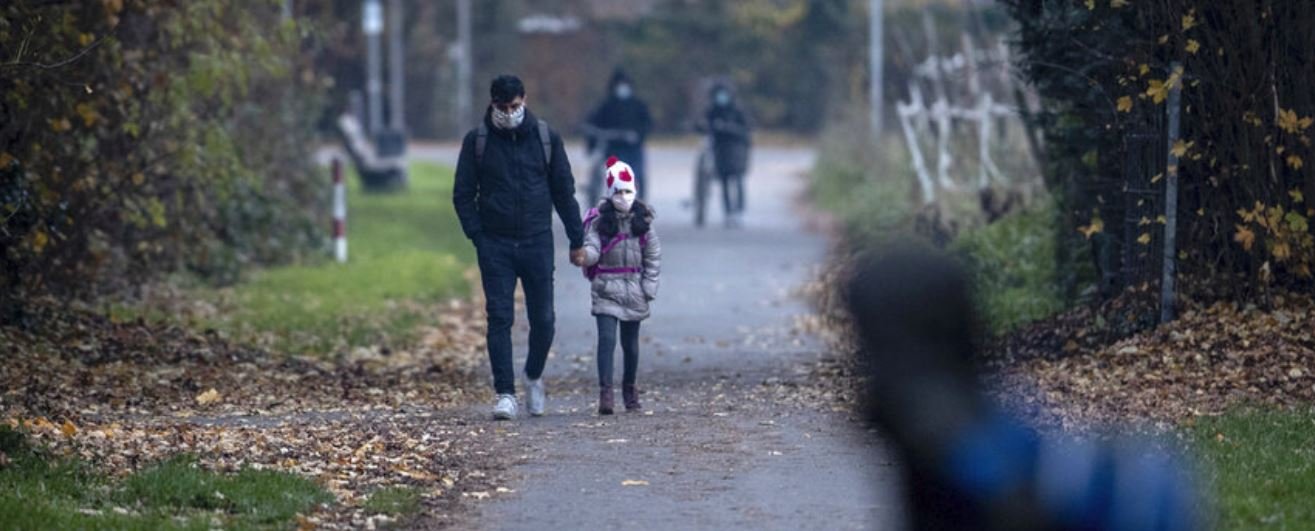 Story 02How the Pandemic Got Stay-at-Work Dads To Rethink Parenting
 Story 03The Next Big Thing In Retail Tech Might Be That Smaller Sellers Get It
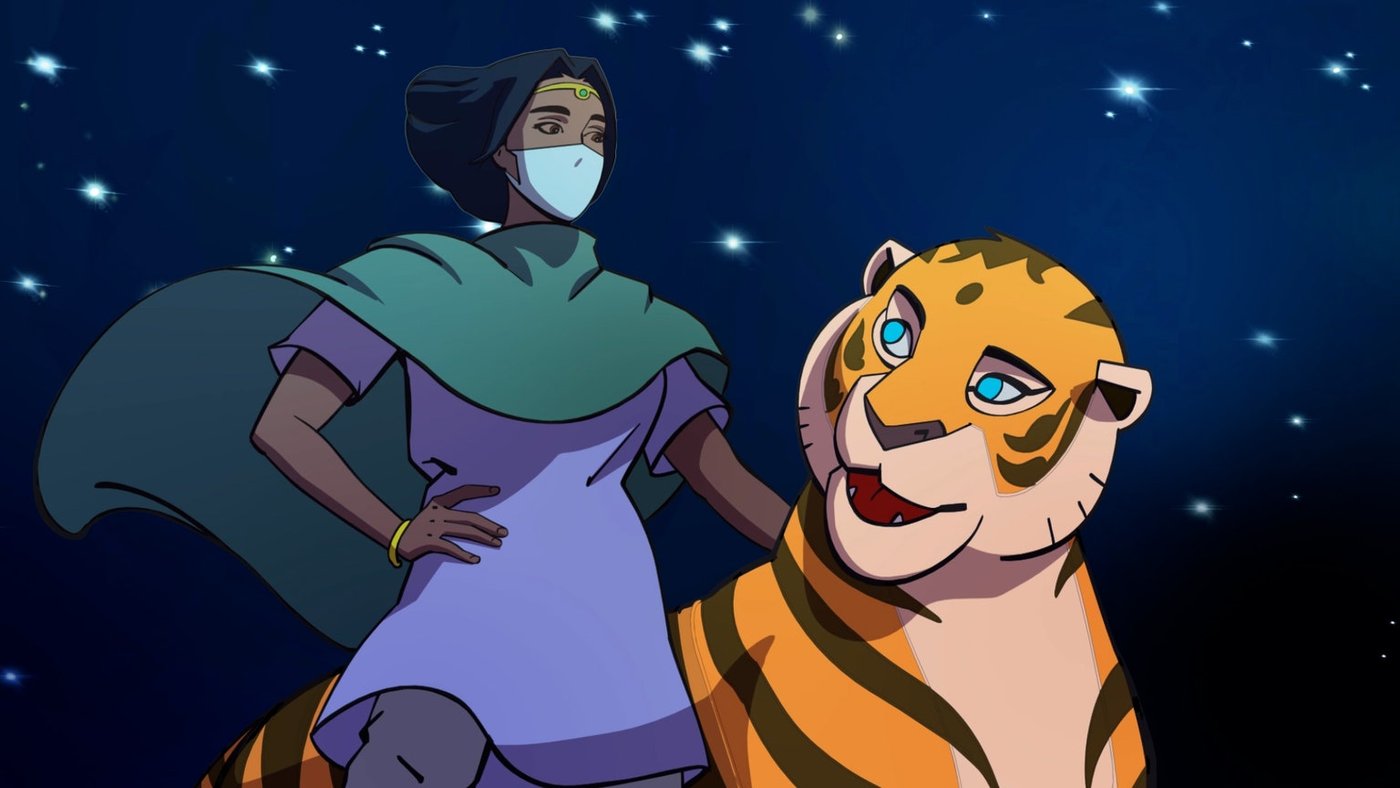 Story 04How India's First Female Superhero Is Educating Kids About Covid-19
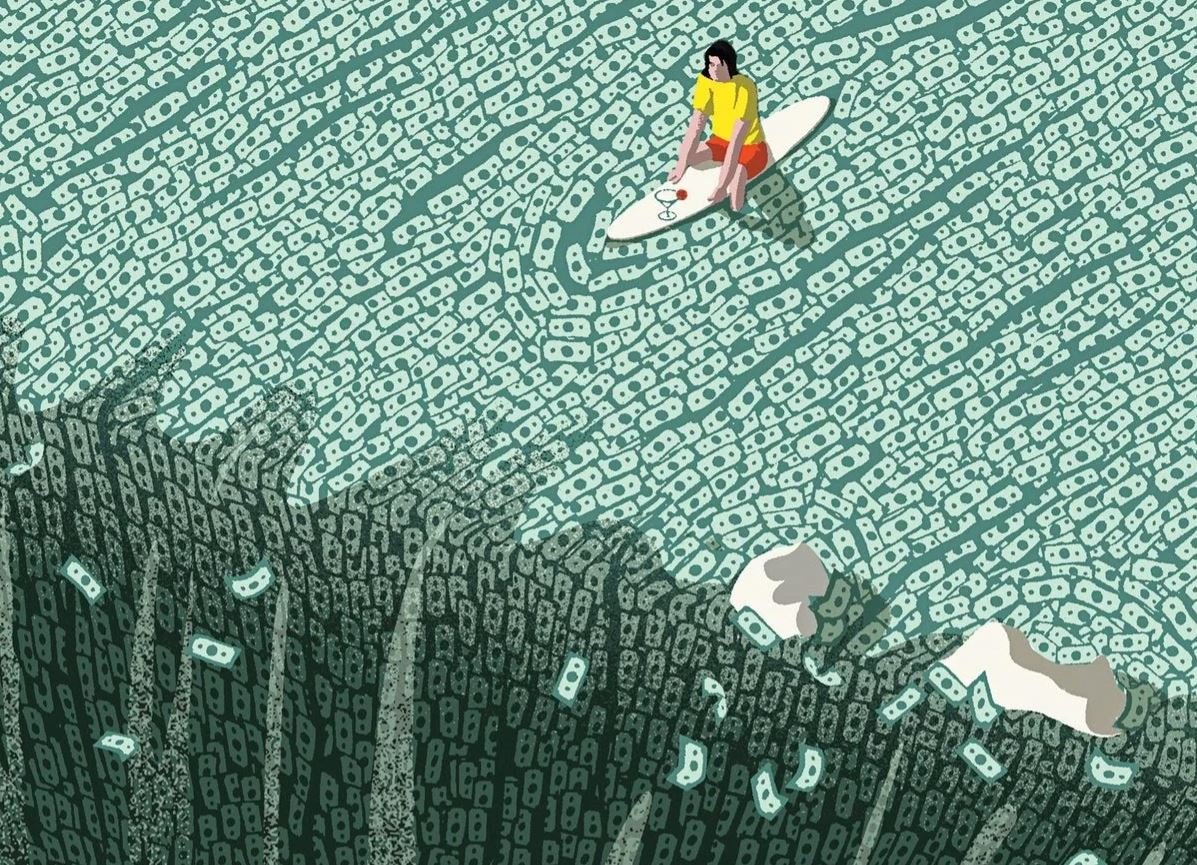 Story 05Are Venture Capitalists Destroying Capitalism Itself?
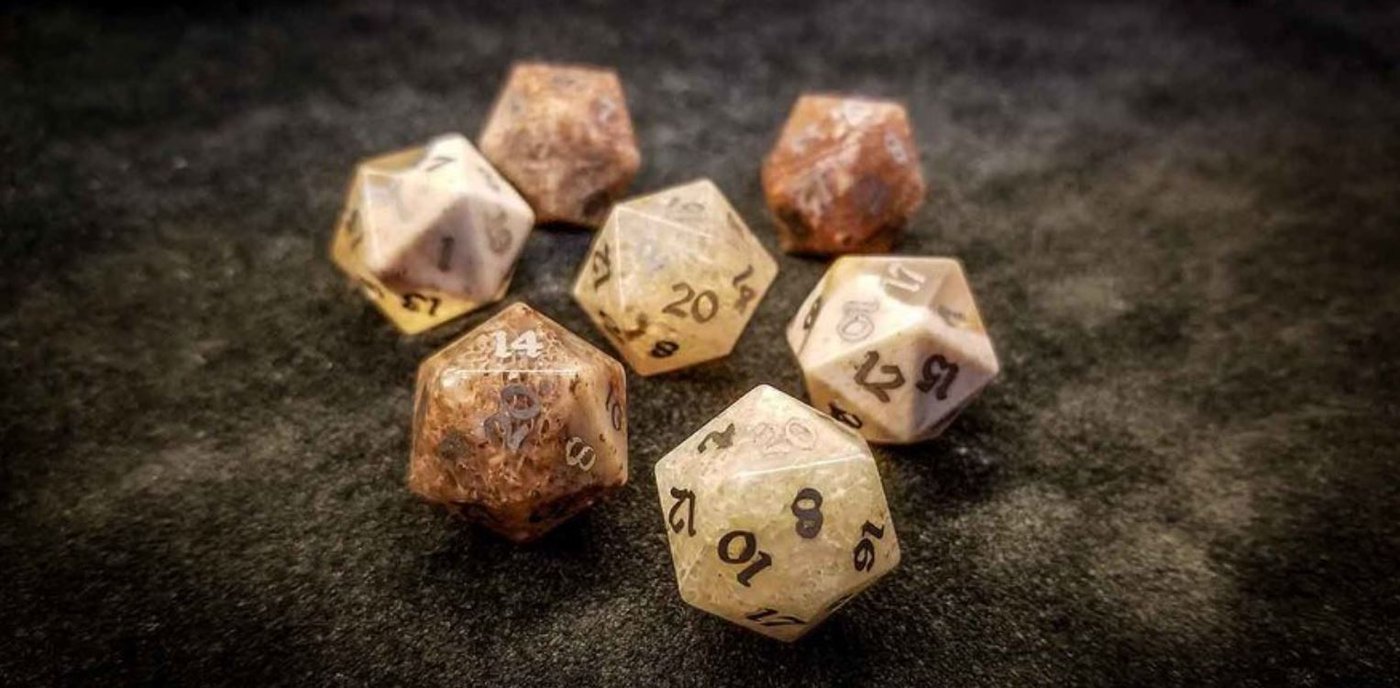 Story 06The Holiday's Creepiest Gift? These Dice Made From Human Bones.
The Best Non-Fiction Books of the Year: The Non-Obvious Book Awards!
For the last six months, the entries have been pouring in for this year's Non-Obvious Book Awards and we considered more than 500 titles before selecting the very best of the year for our 2020 Non-Obvious Book Awards Longlist that was just released today! The Shortlist of the top 15 books of the year (including our picks for five BEST books) will all be announced during the FINAL live episode of my Non-Obvious Insights Show on December 17th at 12 noon EST. You won't want to miss it!
How the Pandemic Got Stay-at-Work Dads To Rethink Parenting
"The lockdown has been an absolute blessing in terms of spending time with our children, and seeing them grow and develop. I have no hankering to get back to the way it was before."
A recent Harvard study found that 68% of dads reported feeling closer to their kids since the pandemic. For many, this may become a permanent life shift. One of the beautiful silver linings of this time has been the chance to reconnect and spend more time with children, and this has dramatically affected dads who are still disproportionately expected to be the primary breadwinners in the family (even though this is changing) and are "less likely to receive paternity leave, paid or unpaid, or feel comfortable taking it, if offered." If this does become a permanent shift, that will be a beautiful thing. More involved fathers is good for everyone.
The Next Big Thing In Retail Tech Might Be That Smaller Sellers Get It
Sophisticated algorithms and personalization technology have long allowed retailers to customize an experience, but for a long time you had to be big (or have deep pockets) in order to benefit from it. This week I saw several examples of how this might be changing. Perhaps the most significant one was Adobe announcing AI "visual recommendations" functionality to any smaller or mid-size retailer who uses their ecommerce platform. At the same time, an app called Winerytale is offering a simple way for wineries to add augmented reality content to their bottle (without changing the label) for consumers to view at the point of sale. The availability of this type of sophisticated tech to retailers of all sizes has the potential to not only level the playing field, but to allow any retailer to create a brilliant experience, no matter how big or small they are.
How India's First Female Superhero Is Educating Kids About Covid-19
Priya is an Indian superhero with an unusual backstory that includes surviving sexual assault to become a symbol of strength and force for change for girls around the world. While you might not be familiar with her story (yet!), it has gone hugely viral in Southeast Asia, reaching more than 26 million fans so far. This week there's a new comic book out featuring Priya as she embarks on a mission to stop the spread of Covid-19 as part of the "United Nations 16 Days of Activism Against Gender-Based Violence" campaign happening now.
I first encountered and wrote about the comic book heroine in Non-Obvious 2017 as part of my Fierce Femininity trend. Since then, her popularity has continued to expand and this week on my Non-Obvious Insights Show I'm so excited to have the storyteller and filmmaker behind the series, Ram Devineni, as my special guest interview. Join us later today as we talk about transmedia storytelling, augmented reality and what inspired the creation of Priya in the first place. Watch here >>
Are Venture Capitalists Destroying Capitalism Itself?
My favorite #longread of the week was a wonderful piece by my friend Charles Duhigg in The New Yorker where he writes insightfully about the effect that the unconstrained growth of venture capitalists and the big bets they are often incentivized to make is doing to the entire economic model of capitalism. Yes, this is a big topic. But Duhigg applies his usual investigative journalist's lens on the issue to offer a perspective that will alternately anger you and give you an aha moment about why massive failures like WeWork even get funded in the first place. This piece is long, but worth your time to read the entire thing.
The Holiday's Creepiest Gift? These Dice Made From Human Bones.
A Texas-company called Artisan Dice makes all sorts of exotic gaming dice out of everything from bison horns to whiskey barrels. Their Memento Mori dice made from human bones, though, are unlike anthing else. Before you start imagining something more morbid though, the bones come from retired med school skeletons ... so it's not meant to be a uniquely creepy way for strange people to keep a deceased loved one nearby. At least, that's what they say for now.
