The Fish of the Future, Rise of the DINKS and the Non-Obvious Party Photo Gallery
What’s In This Issue?
This Week’s Main Stories
 Story 01Saying Goodbye To Dick Fosbury
 Story 02The DINKS Are Taking Over
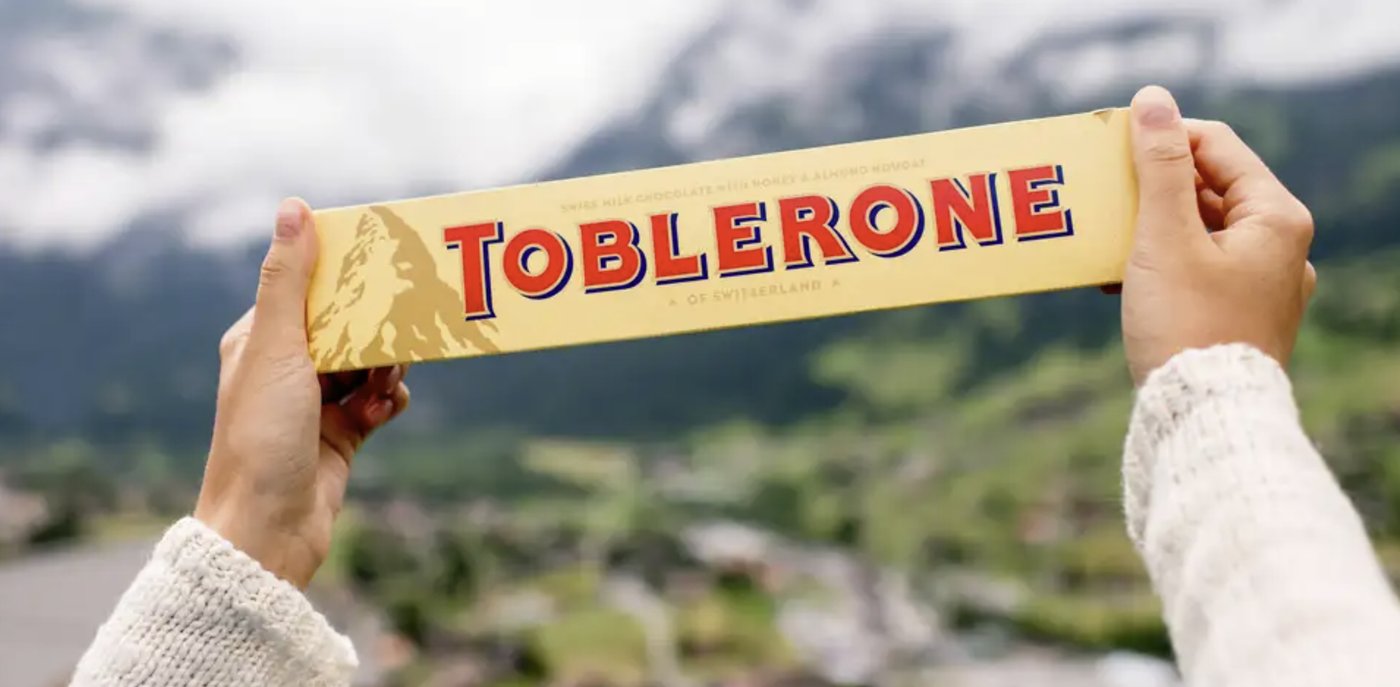 Story 03Toblerone Removes Swiss Mountain From Logo Because It's Not Made In Switzerland Anymore
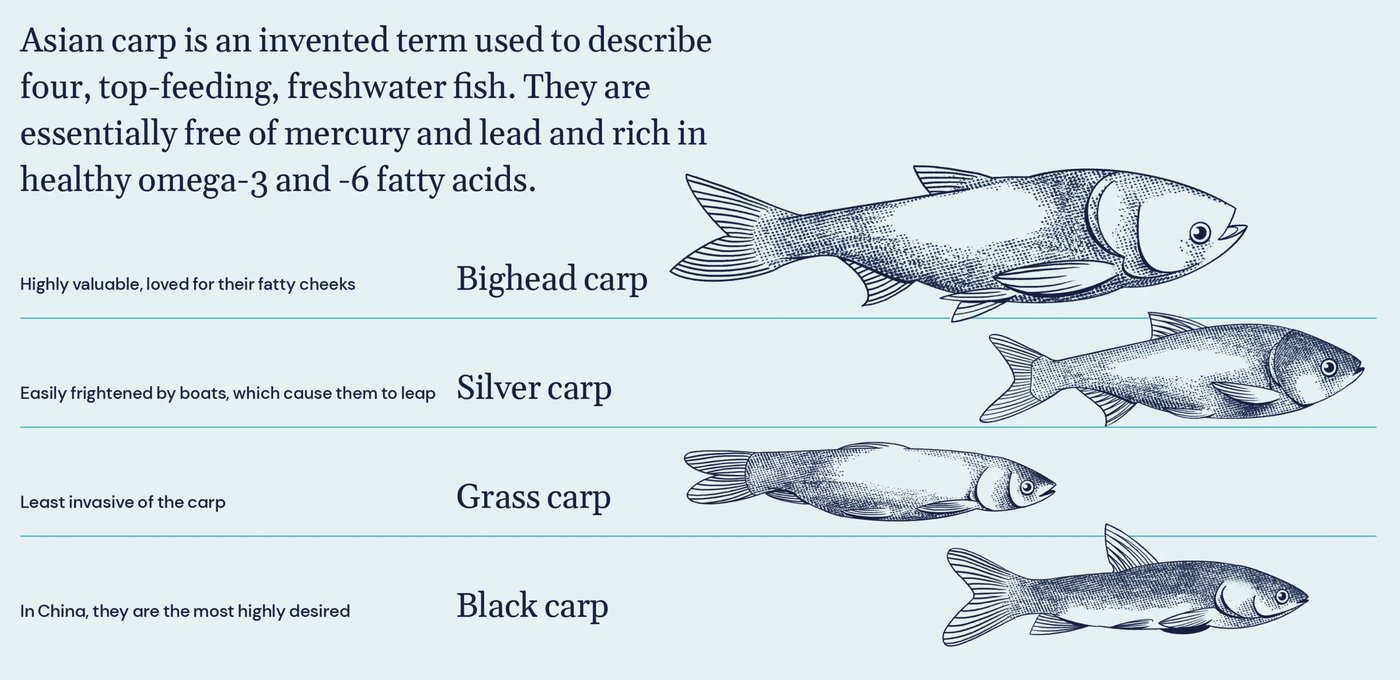 Story 04The Curiously Effective History of Rebranding Seafood
Even More Stories
- Vinyl records outsell CDs for the first time since 1987
- Gmail will write your emails for you. Google announces generative AI tools across Workspace
- Making Sense of the Silicon Valley and Signature Bank Failures
- Reid Hoffman Releases the First Ebook Written Entirely With Chat-GPT4
- The One Thing We Should Demand From Tech Companies To Save Humanity
Saying Goodbye To Dick Fosbury
The first time I heard the story of Dick Fosbury, it was the year 2000 in Sydney and I had landed a ticket to the Athletics competition in the big stadium. Amidst the organized chaos of track and field events, I noticed the curious technique of the high jump. Every competitor ran to the bar and jumped over it ... backwards. The first athlete to pioneer this technique was American Olympian Dick Fosbury.
An engineer by training, in 1968 he developed his own unique style for jumping over the high bar that stunned audiences. The method would come to be known as the "Fosbury Flop" and inspired generations of competitors to use the same technique to set new world records. He won gold in 1968 and became legendary for his idea. I have used this story of the Fosbury Flop in my keynote presentations for years as the perfect example of seeing what everyone else misses and blazing your own path.
This week, Fosbury sadly passed away, leaving his mark on a sport that was transformed by his non-obvious approach. So in honor of his career and insight, I'm sharing his story here as a reminder for all of us that sometimes the only way to jump higher than anyone else is to ignore tradition, silence your critics and just do it backwards.
The DINKS Are Taking Over
Demographers and data analysts alike have an acronym they use to describe married couples who are both working and don't have children. They are "DINKS" (Dual Income No Kids) professionals and their numbers are growing, according to the latest data. Fueling this rise are people who are either choosing not to have kids or having kids later in life. The latest stats show that DINKS account for more than 42% of all married couples, up by more than 10 percentage points from past generations.
As this trend continues (and people celebrate it), new markets will open up in nearly every sector to cater to a new generation of people who either choose to remain child-free or have kids later in life. Gender equality, parenting norms, couple communities, urban living, travel and holiday expectations and media consumption are all areas where this evolution of a new category of consumer is likely to shape new beliefs and priorities. So in your business, are you ready for the rise of the DINKS?
Toblerone Removes Swiss Mountain From Logo Because It's Not Made In Switzerland Anymore
Like many other regions, Switzerland has long had policies in place to require companies to maintain a certain presence in Switzerland if they want to use the Swiss names or logos that evoke the country. Toblerone, a chocolate brand long associated with Switzerland is moving their production to Slovakia and as a result they are losing the right to keep the iconic Swiss Matterhorn mountains on their chocolate. Instead, they will replace it with a different mountain image.
The story speaks to the heart of what makes something authentic versus what really matters for a consumer. A Swiss chocolate made elsewhere should be considered less authentically Swiss, but for a brand like Toblerone that has built up a loyal fan base, the mountain pictured probably matters a lot less than more important things ... such as whether the taste remains the same.
The Curiously Effective History of Rebranding Seafood
About a hundred years ago, lobster got fancy. Before then, it was considered a peasant's food, only legally fit to be fed to servants a maximum of three times per week. Then the rise of the railroad industry allowed fishermen on the coasts to sell it on board the trains as a delicacy which the rest of the country only started to discover. Demand took off, supply reduced and the prices elevated. Lobster became desirable and expensive.
The Antarctic Toothfish was an ugly and terribly named species of fish that sounds so unappetizing, no one would eat it. And then it was rebranded Chilean Sea Bass and demand started to pick up. Perhaps more than any other category in the food industry, seafood has often enjoyed these boom or bust sales cycles based on how species are branded. Lately, the newest rebranding is happening to the Copi - which was previously known as the Asian Carp.
It's an invasive species that is threatening to overtake all others in the Great Lakes, but the solution may be finally convincing Americans to eat it. The rebranding is starting to get some attention. Time will tell if it can become the next big seafood rebranding success story - but it's hard to recall another food category where consumer tastes have been quite so completely reshaped by effective branding and marketing.
