Mammoth Meatballs, Doggie Dim Sum, Powdered Beer and Ed Sheeran's Marketing Techniques
What’s In This Issue?
This Week’s Main Stories
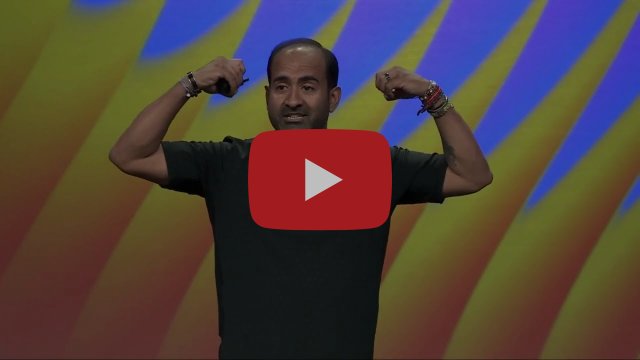 Story 01NOW LIVE: Watch Our Full Talk From SXSW Launching The Future Normal!
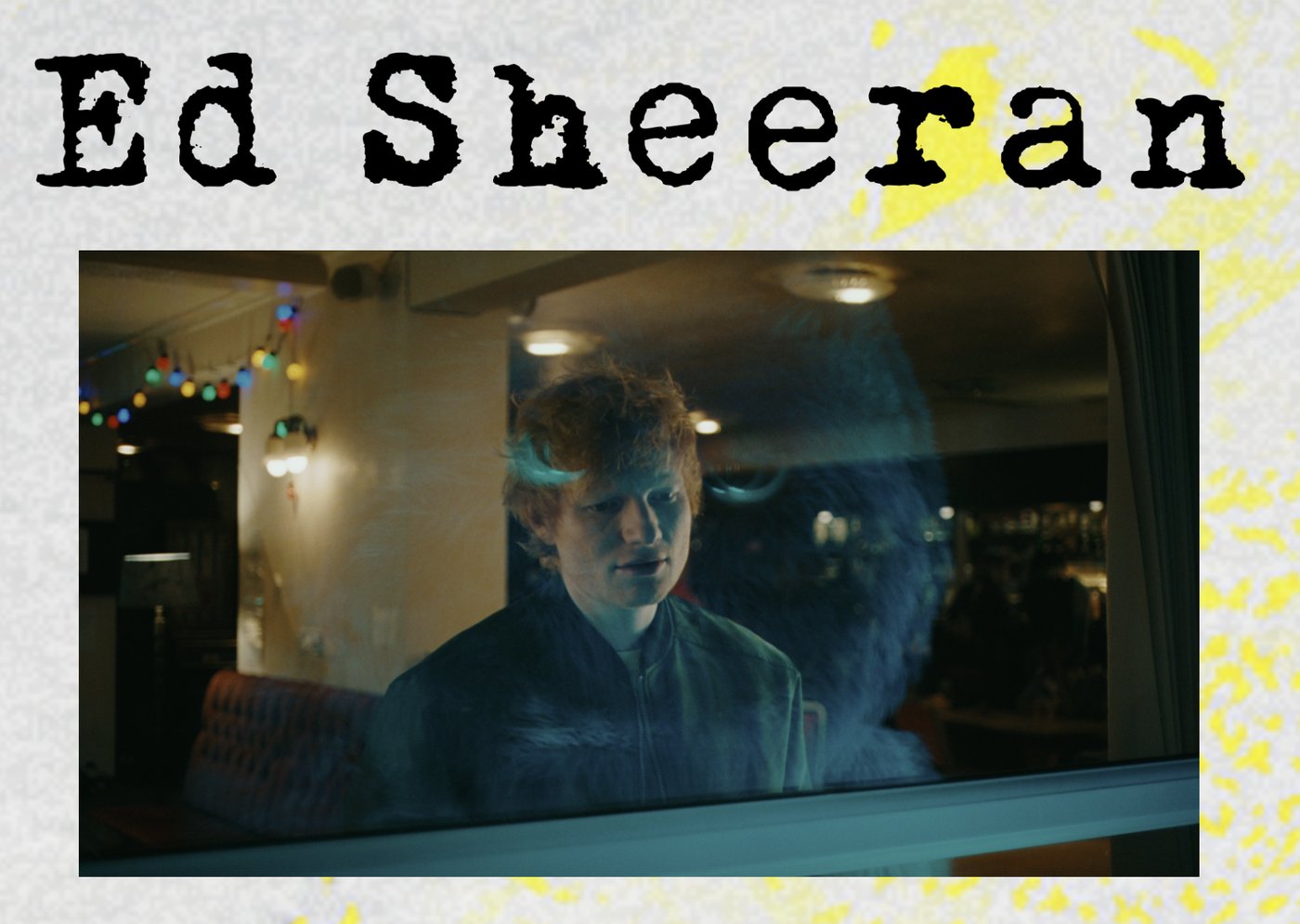 Story 02What You Can Learn From Ed Sheeran's Latest Single Release
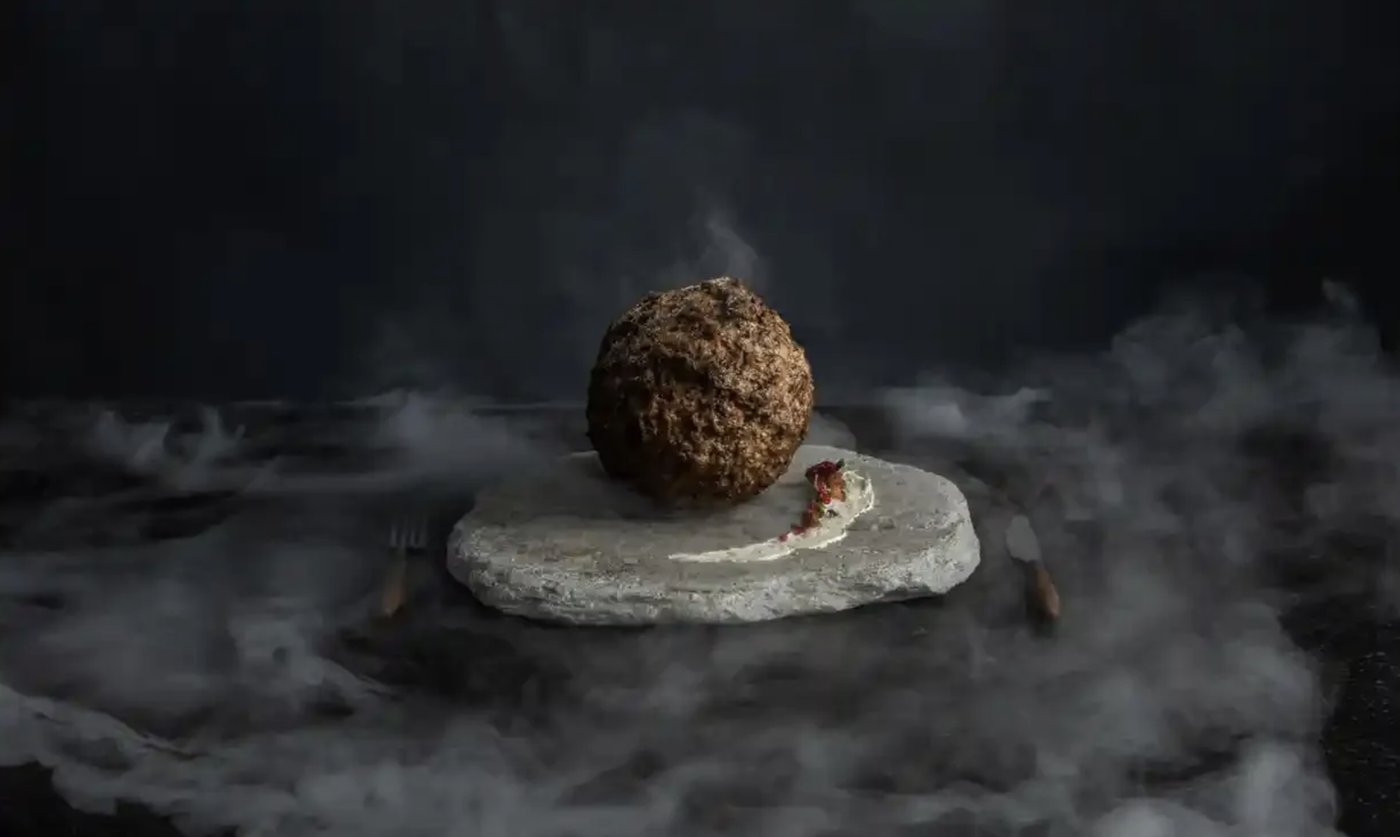 Story 03The Mammoth Meatball and Food That Makes You Think
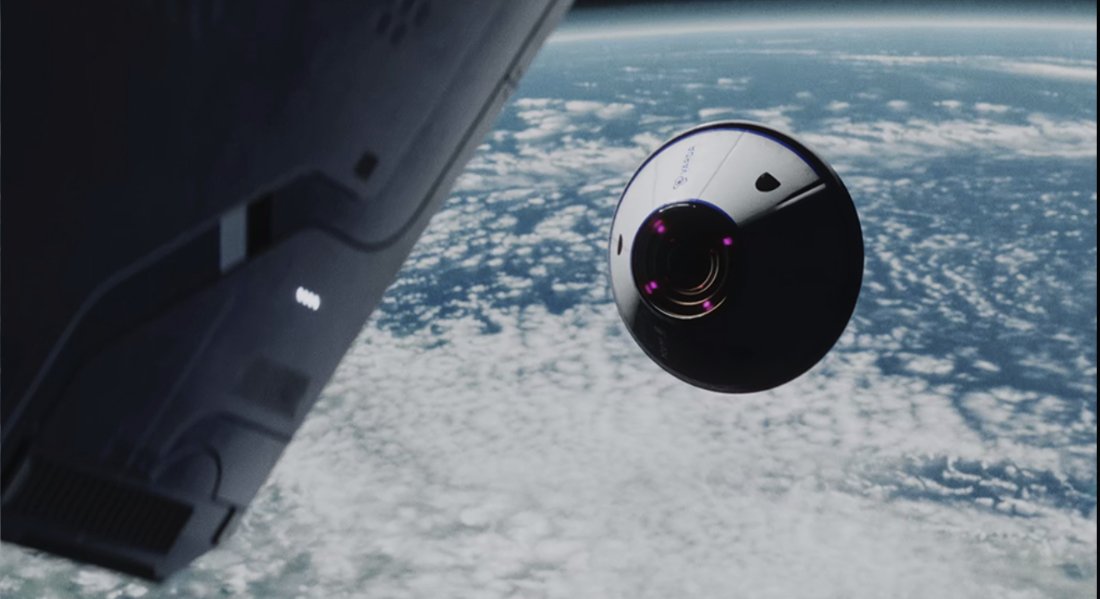 Story 04Microgravity Space Labs May Be The Next Frontier Off-Planet
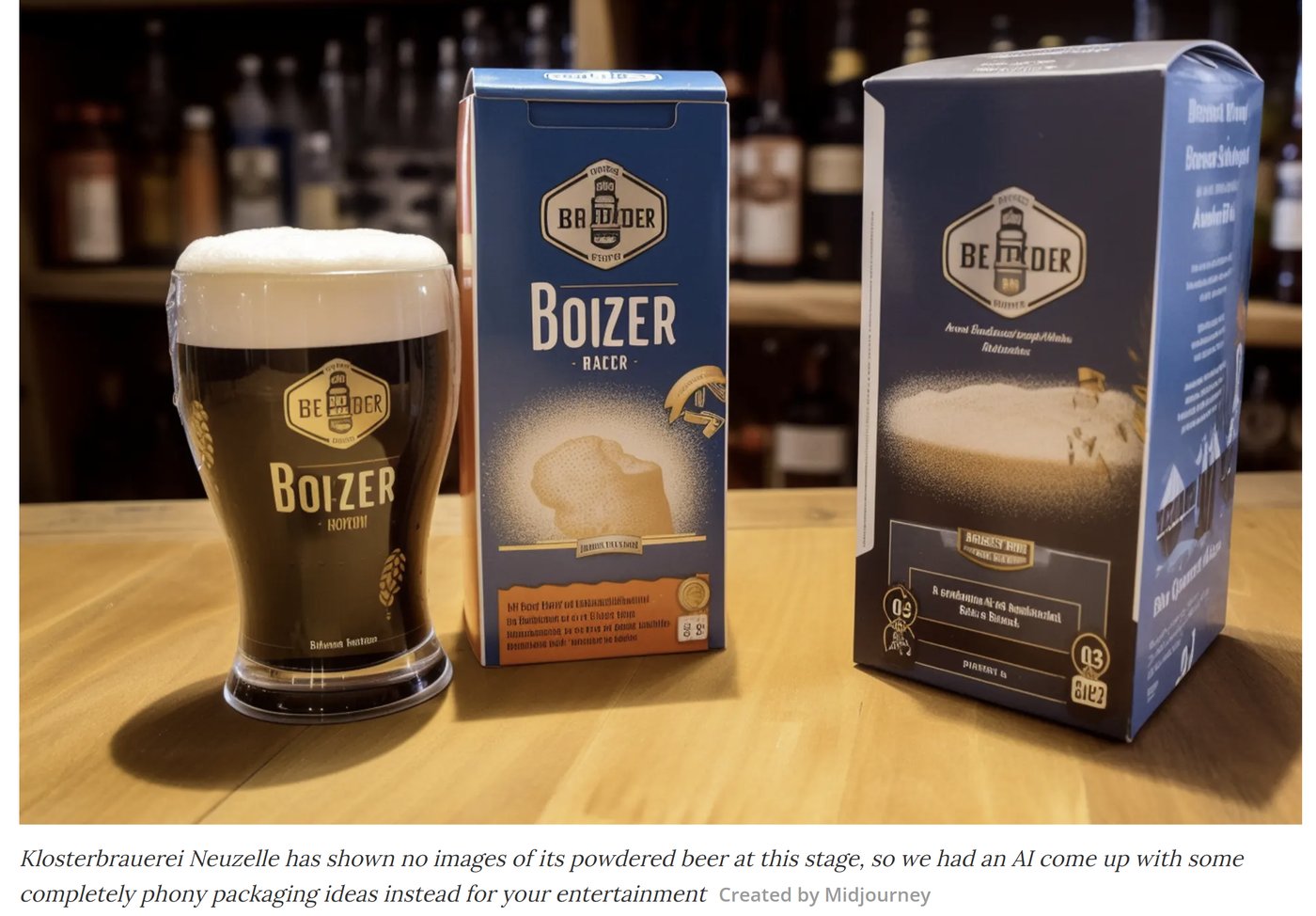 Story 05This Powdered Beer Is Fake and Real At The Same Time ... And It's Not the First
NOW LIVE: Watch Our Full Talk From SXSW Launching The Future Normal!
Rohit & Henry launch The Future Normal from the stage at SXSW 2023 in Austin.
What You Can Learn From Ed Sheeran's Latest Single Release
Ed Sheeran doesn't email me often. In fact, he emails almost never. But this week, I (and probably several hundred thousand others) received an email announcement of his latest new single - Eyes Closed. The email presented two options: Watch or Listen. Then it continued with him sharing how personal this new single was for him:
"This song means the absolute world to me, it’s the start of an album I’d been overthinking for years and feel like I’ve finally made the perfect representation of where I am right now."
The email also has a link to pre-order signed copies of the CD. Visiting his channel on Spotify shows a countdown timer to the full album launch in May. All of this gives him more than a month before launch to take this new song, perform it in TV appearances, have it go viral online and promote the entire album in general. None of this is new for music marketing, but it's a masterclass in how to give you audience a taste of something and leave them hungry for more. And then go big when you do launch. It's easy to predict what's going to happen - the album will be huge. If you're at all interested in the marketing of how something like this unfolds, this launch will be worth watching.
The Mammoth Meatball and Food That Makes You Think
This isn't just a big meatball. It is made from mammoth DNA, and according to Vow Food CEO George Peppou it is an experiment that they hope "will resurrect conversations about meat and climate change." The entire effort is part of a larger marketing campaign produced in collaboration with agency Wunderman Thompson and started with the "World's Rarest Dumpling" made with Japanese quail. Both are examples of the innovations happening right now with cultivated meat - a topic we also explored in our chapter called Unnaturally Better in The Future Normal.
Perhaps no other sector of innovation and creativity feels quite so confronting as reinventing the food we eat. Would you try it? If not, what would it take? At some point, the challenge with building the future is whether enough people will give it a chance to succeed or dismiss it out of fear of the unknown. Can mammoth meatballs or rare dumplings really change the world? Perhaps not. But the willingness that we are able to muster to at least try them just might.
Microgravity Space Labs May Be The Next Frontier Off-Planet
Atoms and molecules behave differently in space, which some drug researchers believe could be the key to developing new treatments. It's why the world's largest pharmaceutical companies are testing models for doing research in microgravity environments and why Varda Space Industries built a lab to make drugs inside a space capsule. In addition to space mining and space tourism, this could become the third big space industry battleground to watch. If it takes off (no pun intended), then this concept of microgravity space labs could find applications in many other industries too.
Coupled with the news this week that Chinese space scientists may have discovered water molecules on the moon, this is a promising development for a future where space manufacturing could soon be possible.
This Powdered Beer Is Fake and Real At The Same Time ... And It's Not the First
German monks created the world's first powdered beer. This story is real. The team behind it offers some bold predictions about how their "dextrin-rich zero-alcohol beer" could change the market. Looking more closely at the image of this powdered beer, you may notice a small but important disclaimer. Since the monks at Klosterbrauerei Neuzelle offered no images of it's powdered beer, the authors used AI to generate "some completely phony packaging ideas instead for your entertainment."
Many people will miss this disclaimer, and it definitely won't carry through when the story and images are shared on social media. In less than a 24 hour news cycle, this "phony" image will the defining visual for this story and emerging product. Eventually, when those monks do create their own branding, it will be forced to compete with this one that was already generated online. The story illustrates some of the complications that are likely to arise from seemingly innocent uses of generative AI to create an image where none previously existed. How do you win your identity back from a generated image no one is profiting from or cares about?
