Royalty-Free Trademarks, Advertising Diversity and How To Be A Thought Leader
What’s In This Issue?
This Week’s Main Stories
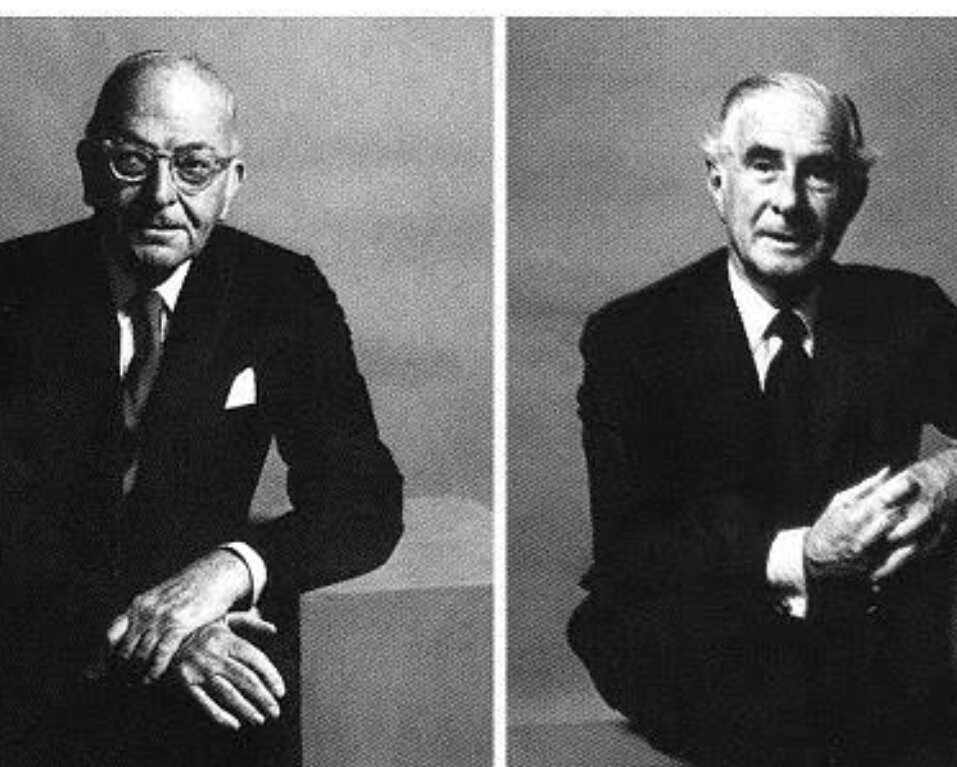 Story 01Grey Agency Changes Name To Honor Jewish Heritage
 Story 02How To Become A Thought Leader
 Story 03"Hugging Face" App Wants To Be Your Friend
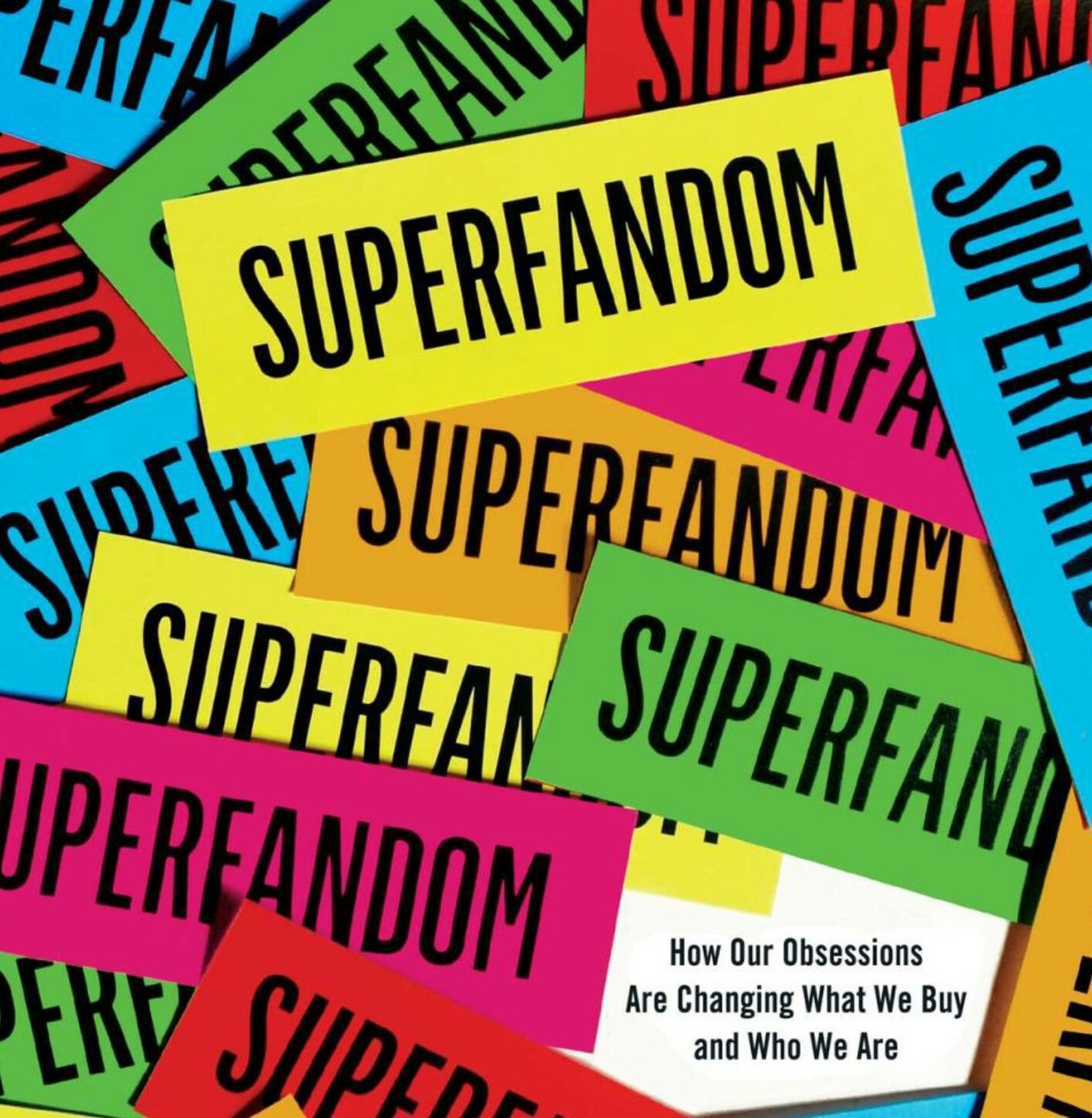 Story 04Why Superfans Might Deserve Access To Your Trademark
 Story 05Face-Mapping Video Turns Your Face Into A Creepy Screen
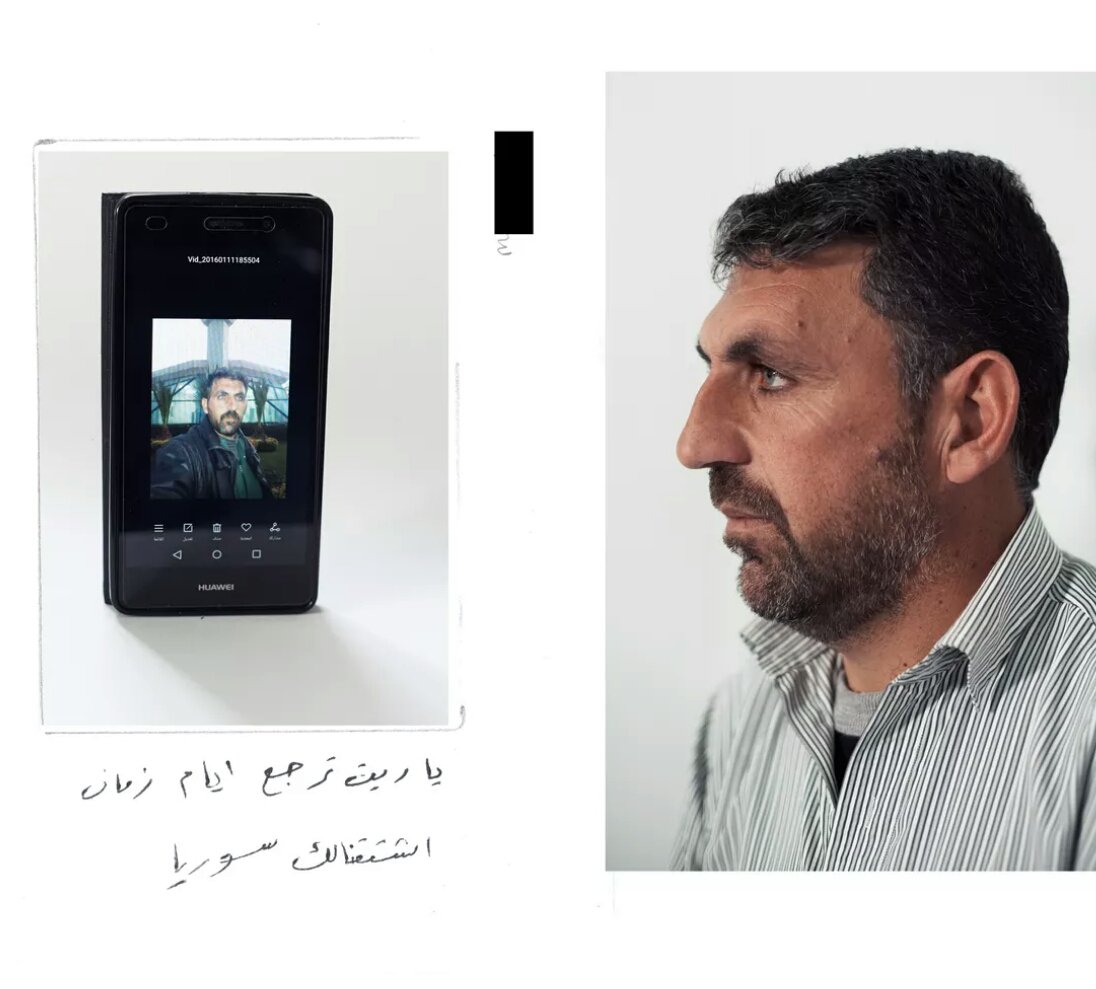 Story 06How Refugees Use Mobile Devices As Memory Depositories
Grey Agency Changes Name To Honor Jewish Heritage
In an industry filled with companies named after founders (like Ogilvy and Leo Burnett), 100 years ago the founders of Grey Advertising worried that their Jewish sounding names might scare off potential clients. To show how times have changes and promote diversity in an industry that often desperately needs it, the agency is renaming itself Valenstein & Fatt for the next 100 days, and launching a host of new diversity programs to prove this is more than a short-lived marketing stunt.
How To Become A Thought Leader
What does it take to be a thought leader? In this article, I share a few of my thoughts on this topic and what has worked for me in the past. One insight you'll find in this piece, for example, is my advice to "be a contrarian" and say things that are different than what everyone else is saying in order to stand out and build your reputation. There's also a great mention for this curated email and my intention behind writing it every week.
"Hugging Face" App Wants To Be Your Friend
You can already interact with chatbots for customer service or have the current day's news pushed to you in a conversational format, so the invention of an app like this was perhaps inevitable. If we can already converse with an app, then translating that conversation into friendship may not be such a farfetched idea. Who wouldn't want to be friends with an app that "learns to chit-chat, talks sassy and trades selfies with you"? I will probably try it just to find out what the app's selfies look like ...
Why Superfans Might Deserve Access To Your Trademark
In this engaging piece excerpted from a forthcoming book about "Superfandom," the tricky issue of trademark protection versus consumer's desire to remix and share content that may infringe upon brand trademarks is discussed. It has been a tough issue for brands to manage as they want to encourage these "superfans" but also maintain brand consistency. The future may be moving toward a new hybrid where the standard becomes brands offering a sort of royalty-free license to consumers to encourage superfandom instead of litigating it.
Face-Mapping Video Turns Your Face Into A Creepy Screen
The video introducing this motion-tracking technology that can project a moving image onto someone's face is mesmerizingly creepy. There are already some intriguing uses for this technology as a part of performance art and the video linked in the article is worth watching because of its uniqueness and precision in how the technology is used to create an other-wordly effect on the actor and dancers' faces.
How Refugees Use Mobile Devices As Memory Depositories
Anytime you look at photos of places in the world that have been ravaged by war, it can be an emotional experience. In this collection from photographer Alex John Beck, Syrian refugees offer an intimate look at how photos taken from their mobile phones are much more than a look at what has happened to their country. They also offer a much-needed way to preserve memories and record history for the future in a way that will far outlive today's injustices.
