7 Inventions That Will Change The World (Or Fail Spectacularly)
What’s In This Issue?
This Week’s Main Stories
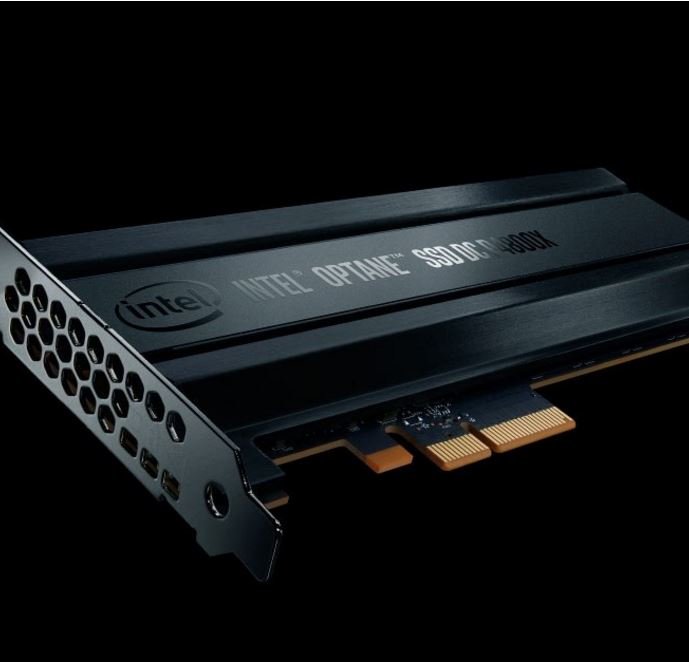 Story 01Intel's Secret Plan To Reinvent Computer Memory
 Story 02The World's Most Useless App?
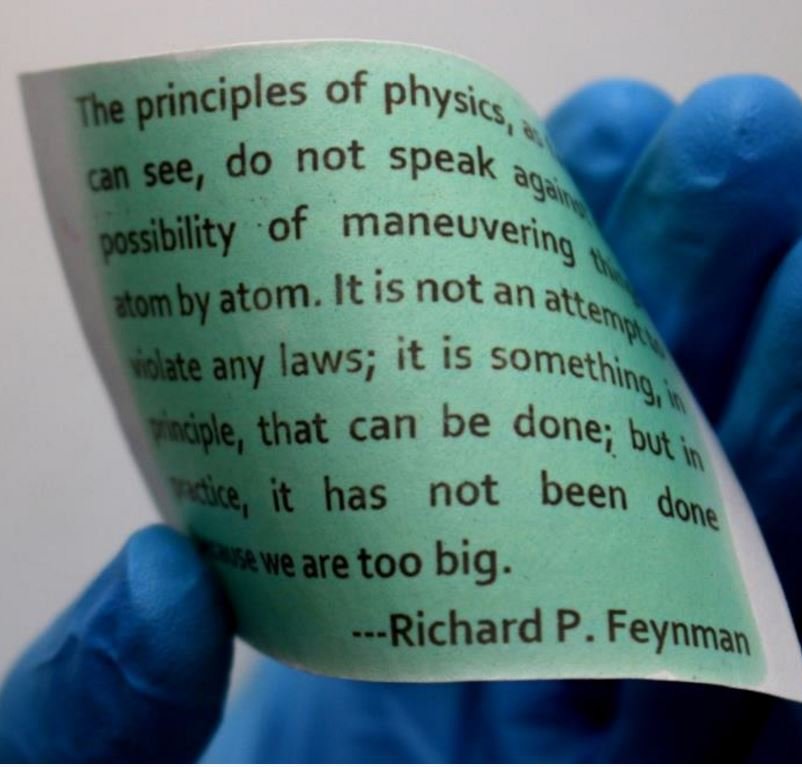 Story 03Rewritable Digital Paper Gets Closer To Being Real
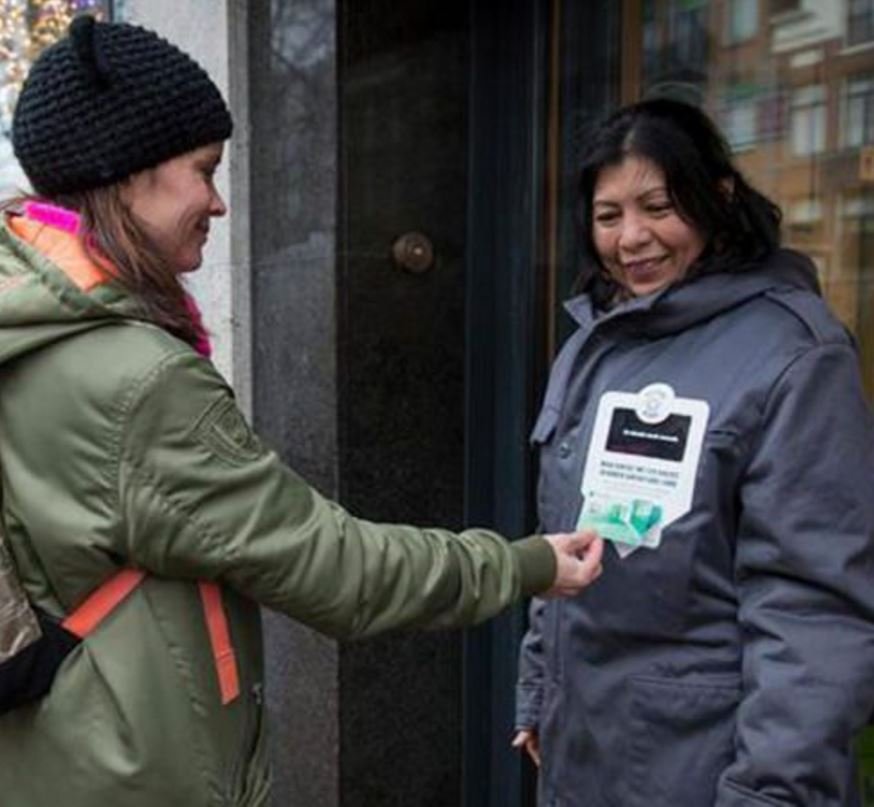 Story 04Amsterdam's Homeless Go Cashless With New Wearable Device
 Story 05Theft Fighting Toilet Paper Dispensers
 Story 06The Odd Solution To Both Hunger And Climate Change
 Story 07Are JPGs Getting Smaller, Faster and More Optimized?
Intel's Secret Plan To Reinvent Computer Memory
This story is a fitting place to start this issue all about invention. Though details are sparse about what exactly Intel is planning here, their "bold secret plan" to change computer memory is getting plenty of media attention. Potentially as important is the new research into liquid batteries that could cool your processor while powering it. Moore's law may be obsolete, but the future of computer technology is still pretty exciting anyway.
The World's Most Useless App?
This story really belongs second in my update this week, mainly because it describes a product from Japan that has been widely criticized online for its "gratuitous pointlessness." The product is an app that connects to a device which will unscrew the bottle cap off your plastic bottle for you with "flair." If you think that's ridiculous, just watch the pitch video where a pitchman promises that the product will allow you to "wake up to an open bottle ... what a glorious morning!" You really have to hope they are joking.
Rewritable Digital Paper Gets Closer To Being Real
For years science fiction stories have predicted digital paper will offer a new standard for us to read dynamically updated content. Now a team of researchers is bringing us closer to that vision with a type of rewriteable paper that uses only light and no ink. While it seems to be in early stages, it is hard not to be excited by the possibilities of this technology. Now we just need artificial intelligence to sync with the paper to correct "fake news" in real time as we read it.
Amsterdam's Homeless Go Cashless With New Wearable Device
This device might make you wonder who would want to walk up to a homeless person and press a button on their jacket to make them a cashless donation to help pay for their food or shelter. If you think about it - this does address several interesting issues. Firstly - donors don't need cash and can be sure the money goes to food or shelter. More importantly, it offers more humanity than walking by and dropping some change into a bucket. This is one of those ideas that might not work ... but it would be a beautiful thing in the world if it did.
Theft Fighting Toilet Paper Dispensers
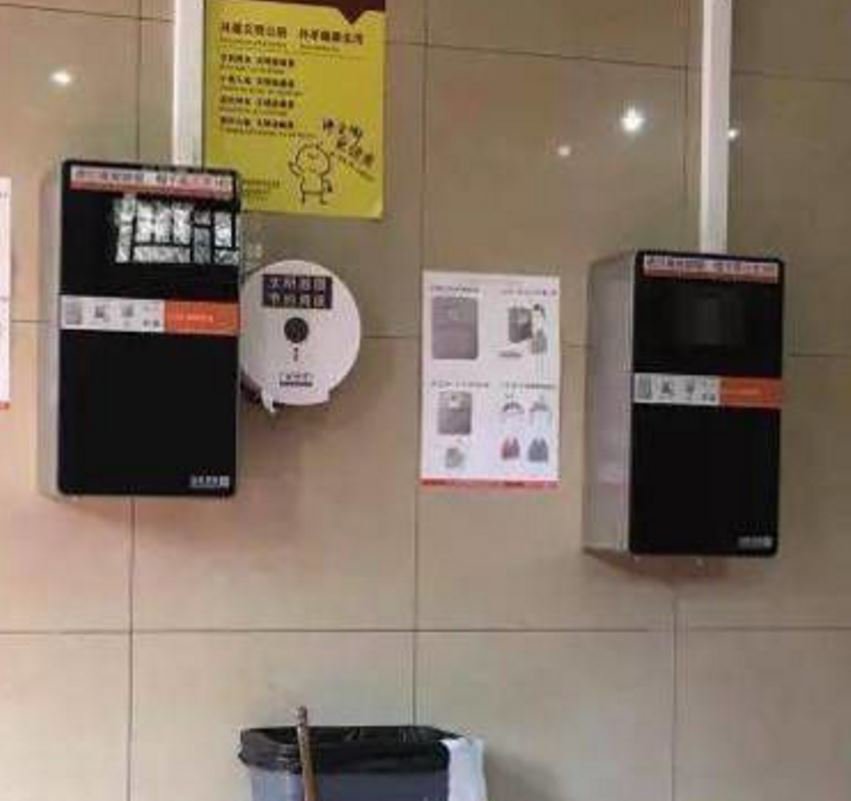
What do you do if you happen to run a public space plagued by people who steal your toilet paper? If you are the administrative team at Beijing's Temple of Heaven Park, you install facial recognition on the restrooms to prevent anyone from getting too much toilet paper. Extreme or inevitable? No matter what you think about it, you have to appreciate just how true the old adage of necessity being the mother of invention happens to be. Still, facial recognition in the bathroom is pretty creepy.
The Odd Solution To Both Hunger And Climate Change
For every overpromising tech company that aims to "change the world" - there are some ideas that actually have a shot at doing it. This is one of them. In this interesting story about a future of fish farming that doesn't rely on growing fish in disease-ridden offshore tanks. This new model of "acquaculture" solves multiple problems in the world and is exactly the sort of thing we will all need to take off in popularity to improve our health and the environment all at once.
Are JPGs Getting Smaller, Faster and More Optimized?
Data compression is not a sexy topic. Yet the news that a new compression technique could make JPGs 35% faster is important globally. Better compression is the underappreciated flipside of the global race to create faster processors and faster access. As data gets compressed in higher quality ways, the population of people around the world who are "under-connected" will get faster access more quickly and the digital divide will shrink. And all of this could start with something as simple as finding a way to create faster JPGs.
