Reinventing Kodak, Blackberry & Crayola, the Twitter Problem and Why Selling Subscriptions
What’s In This Issue?
This Week’s Main Stories
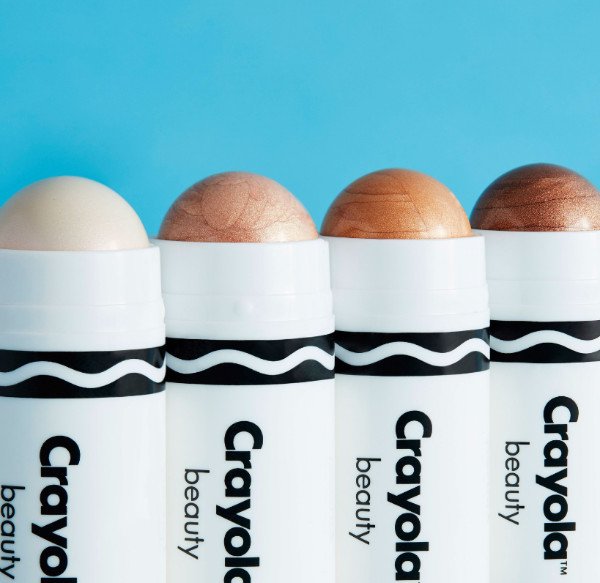 Story 01How To Reinvent A Brand: Lessons From Crayola, Blackberry & Kodak
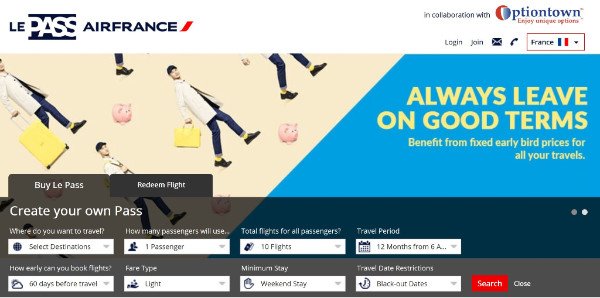 Story 02Why Everyone Wants To Sell Everything As A Subscription
Even More Stories
- Ogilvy Changes Brand Logo After 70 Years
- Saudi Men React Beautifully To Women Being Allowed To Drive
- Marketing Agency Seeks Help From Russia To Hack Cannes Lions
- Heineken Becomes First Beer Brand To Appoint A Female CEO
- Australian University Walks Away From Plans To Create Controversial Degree In "Western Civilisation"
- How To Browse The Web Faster (Like A European)
How To Reinvent A Brand: Lessons From Crayola, Blackberry & Kodak
This week Crayola branched out in a new direction by launching its own line of colorful beauty products. In the same week, Blackberry continued their own quest to maintain relevance and resurrect their fading brand by announcing the KEY2 (a new phone featuring a full keyboard) and Kodak showed off the first photos taken on its relaunched Ektachrome 100 film. Each are legacy brands facing challenges on every level, from understanding shifting consumer needs to industry disruption from competitors and technology alike.
So how can you keep a brand fresh over time? For Blackberry and Kodak, the strategy seems to be looking into the past to resurrecting iconic products (film) or features (keyboards) that people loved in the past. Both are niche market strategies. There will only be a limited number of people who want to have a full keypad or to use real film once more. But those people who do will LOVE it and reward both companies with their loyalty.
For Crayola, the path seems to involve a daring move into the new and unfamiliar beauty industry and perhaps a declaration that the brand will continue to innovate beyond its traditional sector. It might work for them, just as returning to legacy products might work for Kodak and Blackberry. When it comes to disruption and brand reinvention, the point is that one model doesn't really work for everyone. But as these three stories seem to prove, it's better than doing nothing and letting your brand fade into obscurity for everyone.
How Twitter Is Killing Our Society (And Why We Probably Won't Fix It)
Is Twitter useful anymore (or was it ever)? Most of us who have been on the platform for some time have likely experienced a downward shift in its value. For me, the platform used to offer an interesting stream of real time commentary from friends and acquaintances. Over time it became a noisy flood of retweets and half formed opinions. The demise of Twitter into "the world’s most anarchic social media platform" is the topic explored in an article from WIRED contributor Felix Salmon this week which takes a deeper look at the value and devaluation of Twitter.
"It’s less and less a distributed mode of many-to-many communication, and more and more a broadcasting hub for the elite—a highly unequal place where their least-considered, Ambien-addled opinions get amplified to a global audience of millions."
One of the challenges of Twitter is that random thoughts get over analyzed by reporters desperate to share headlines and fill their news cycles. They are easily taken out of context and actively shared through retweets (by actual human accounts as well as millions of Twitter bots). It is an echo chamber of screams and manipulated outrage presented as thoughtful commentary. The fuel for this fire, Salmon suggests, comes from celebrities like Elon Musk, Kanye West and Donald Trump who are masters of stoking rage.
What if we could ban them and give the platform back to every day users? That would certainly make the platform more useful for the rest of us, but is unlikely because of how much the media depends on this endless bounty of stupidity and controversy to tell an easy story. Not to mention how much all of us seem to enjoy reading those stories.
Why Everyone Wants To Sell Everything As A Subscription
This week AirFrance became one of the first airlines to experiment with subscription pricing by announcing a new pre-paid travel product called Le Pass which allows frequent travelers to purchase pre-paid coupons to lock in pricing. A few days later, Mercedes-Benz followed BMW, Porsche and Cadillac by launching their own monthly all-inclusive subscription model, at a significantly lower rate ($1095 versus $2000 per month). The software industry also has increasingly converted most of their customers to annual subscription models ... which all leads to the obvious question: why are so many brands trying to sell subscriptions?
The main reason for the popularity of subscriptions is us. Consumers enjoy the ability to always have the newest, best or most updated version of a product at a fixed rate. Why bother maintaining a car, or paying exorbitant rates for last minute flights, or using out of date software when you can pay a monthly fee for someone else to handle it?
Subscriptions work when the convenience is worth the extra expense (and it usually is more expensive). The problem is that increasingly we don't have a choice anymore. If you wanted to buy Adobe Photoshop instead of paying a monthly fee forever to access it, you're out of luck. So far, that only bothers a relatively small number of people. As more products move to this model, it will be interesting to see if this changes.
