L'Oreal Launches Wearables, Coke's Brand Crisis, Bizarre KitKat Flavors and Kodak Bets On Bloc
What’s In This Issue?
This Week’s Main Stories
 Story 01L'Oreal Launches Wearable Device To Help You Avoid Skin Cancer
 Story 02Library of Congress Decides Some Tweets Aren't Worth Saving
 Story 03Wondering How Amazon Will Change Whole Foods? Here's The Answer ...
 Story 04Coca-Cola's Impending Brand Crisis
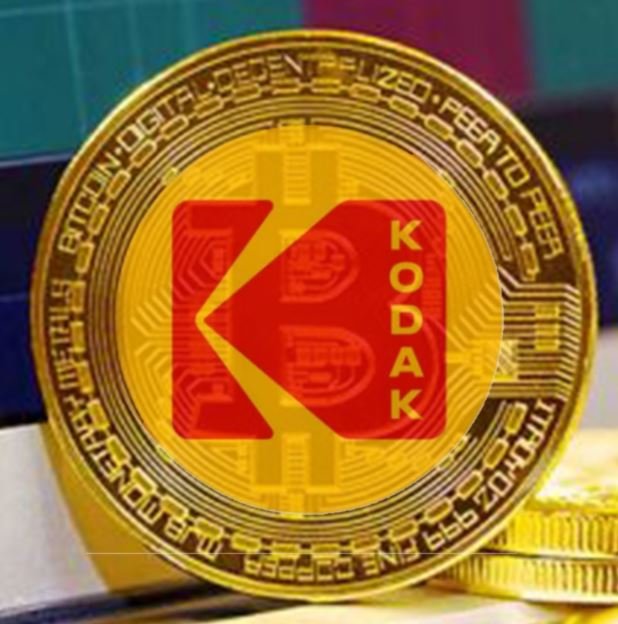 Story 05Can Kodak's New Blockchain Currency Save the Company?
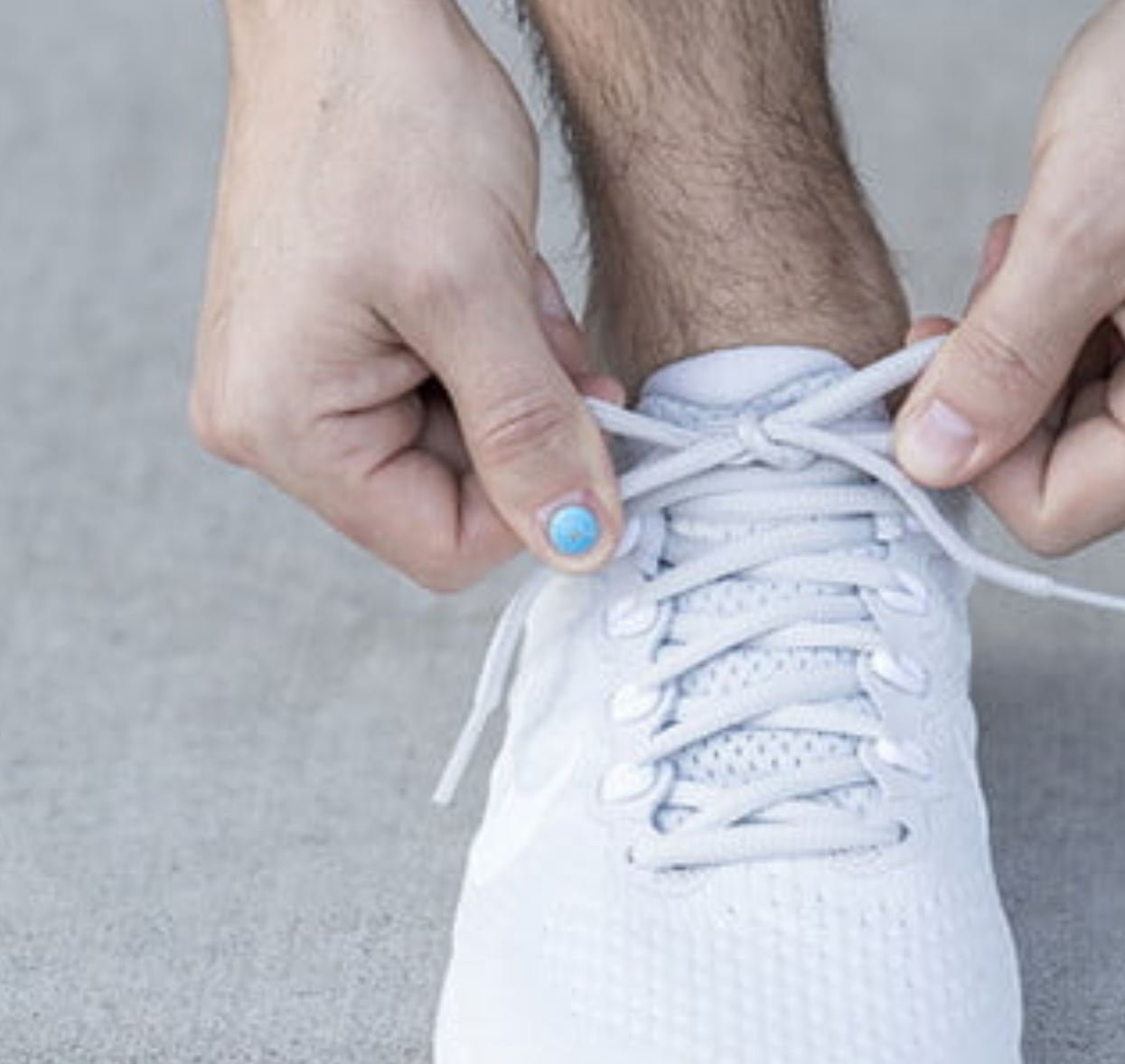
L'Oreal Launches Wearable Device To Help You Avoid Skin Cancer
At CES this past week, there were plenty of examples of forward thinking ways to monitor our health and protect our well being. This story about a new wearable fingernail sensor to track your sun exposure is a perfect example of the "Predictive Protection" (a trend from the new Non-Obvious 2018 book) we will continue to see from sensors that help track all aspects of our health and proactively keep us safe. If there was one big takeaway from CES 2018 about health and fitness, it was that this category will explode in growth over the coming year.
Library of Congress Decides Some Tweets Aren't Worth Saving
In 2010, Twitter donated its entire past and future archive to the Library of Congress and the Library happily accepted. Then the flood came. The volume of tweets became impossible to effectively search and catalog. Noise buried knowledge and finally this week the Library of Congress announced it would be more selective about which tweets to save. They would, in other words, start to curate their collection. It is not yet certain how exactly this curation will work, only that it is a significant admission that not everything shared online is worth saving ... a fact most of us already knew.
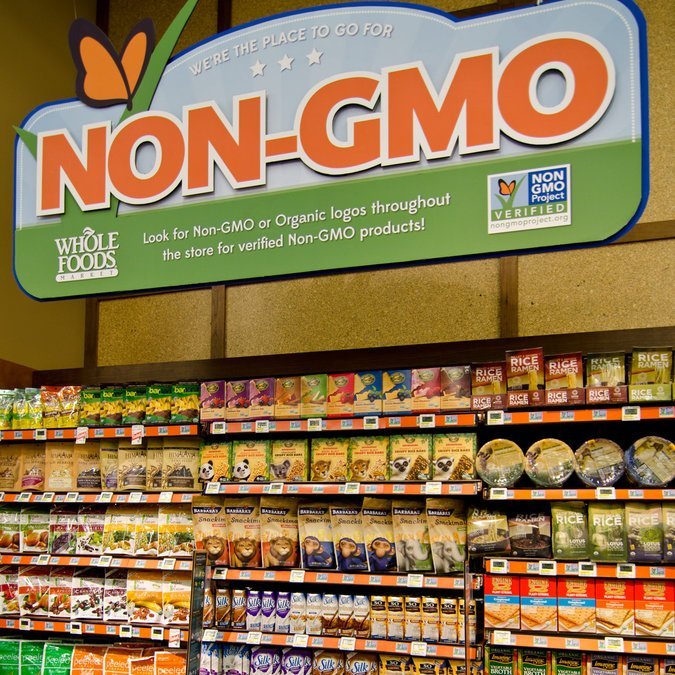
Wondering How Amazon Will Change Whole Foods? Here's The Answer ...
For years Amazon has charged its sellers fees and a percentage of sales revenue to promote on its platform. This week they brought the same pricing model to suppliers selling to Whole Foods. It is a good example of how Amazon will likely shift the grocer's relationship with food suppliers. While consumers may not notice the shift, many suppliers will feel the pinch in their margins and find themselves with the same issue as current Amazon sellers ... stuck living with Amazon's policy shifts with little collective power to fight back if and when the cuts go too deep.
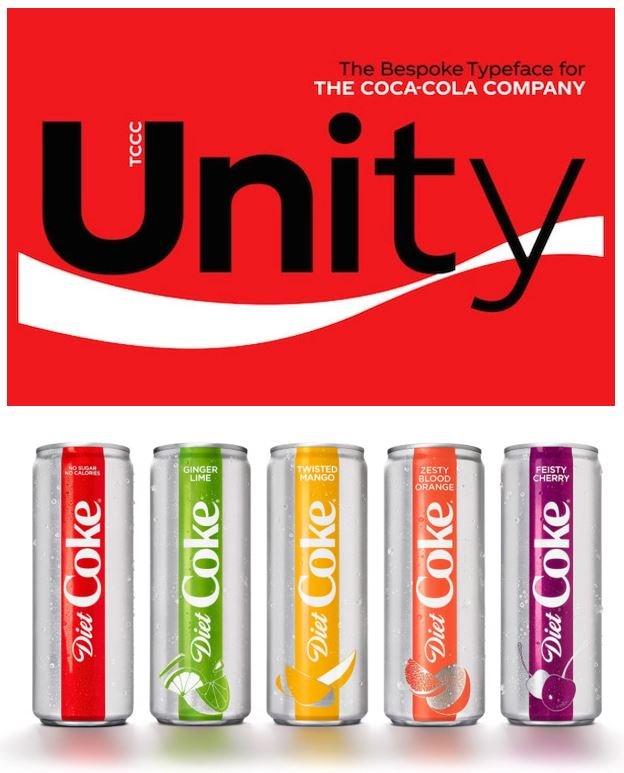
Coca-Cola's Impending Brand Crisis
In the shrinking Coca-Cola soda brand family, Diet Coke has been the black sheep for the past several years. The brand had a steep drop in sales last year of 4.3% and this week announced new packaging and flavors in a desperate move to win back customers. At the same time, Coke also publicly released a custom typeface for others to use. While these stories may seem unrelated, together they signal a new potential future for Coke where the brand has to find new ways to use its story and legacy more than its products to drive continued loyalty and sales. It won't be enough to make up for the continued consumer shift away from drinking sugary soda, but it will be an interesting evolution to watch.
Can Kodak's New Blockchain Currency Save the Company?
Shares in Kodak stock surged this week as the brand announced a new currency based on blockchain to help photographers get paid and manage their IP rights. It is an ambitious bet and one that is certainly on trend. Unlike other cryptocurrencies that have struggled with adoption, this one has potential because of its targeted audience (photographers and agencies) and their desire to solve a major problem (unlicensed image usage and IP protection). Whether the market need will be enough to overcome the complexity and confusion that most blockchain currencies currently struggle with, though, remains an open question.
