Japan's $1 Hotel, the Curly Hair Movement and Cars That Sense Your Road Rage
What’s In This Issue?
Why Scientists Want Robots To Fear Their Own Death
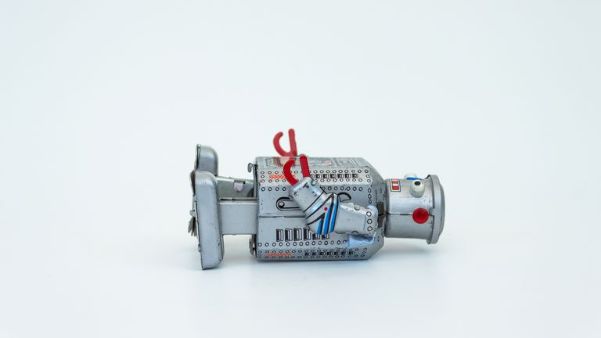
Every week this theme of how to make technology more human seems to resurface in a slightly different way. This week, a story about some new research from legendary neurologist and author Antonio Damasio caught my eye with an unusual thesis: robots could be more resilient and valuable to humanity if they had a sense of self-preservation. It's a dangerously elegant idea. Make robots more vulnerable to help them understand the value of humanity and life. It works just as long as we humans don't threaten their existence.
This Japanese Hotel Costs $1, If You Livestream Your Stay

In one of the most expensive countries for tourists, one hotel has a novel idea - stay with them and agree to live stream your stay and you can pay just $1 per night. The idea has been popular among young people wanting to travel to Fukuoka and willing to trade their privacy for a deal. It's a compromise that we'll likely see more brands asking consumers to make in the future. At least in this case the hotel offers warnings not to engage in "lewd acts" or to show your passport or other sensitive details.
MIT Helps Self-driving Cars Learn To Sense Your Road Rage
What if your self-driving car could sense your mood and take over in situations where you might present a risk to yourself and others? That's just one of the potential applications of new technology from a team at MIT that promises to help cars better "sense" a driver's emotional state and predict potential erratic behavior. As the technology gets better, we will likely see more of this sort of protective technology help make our world safer -- sometimes by protecting from ourselves.
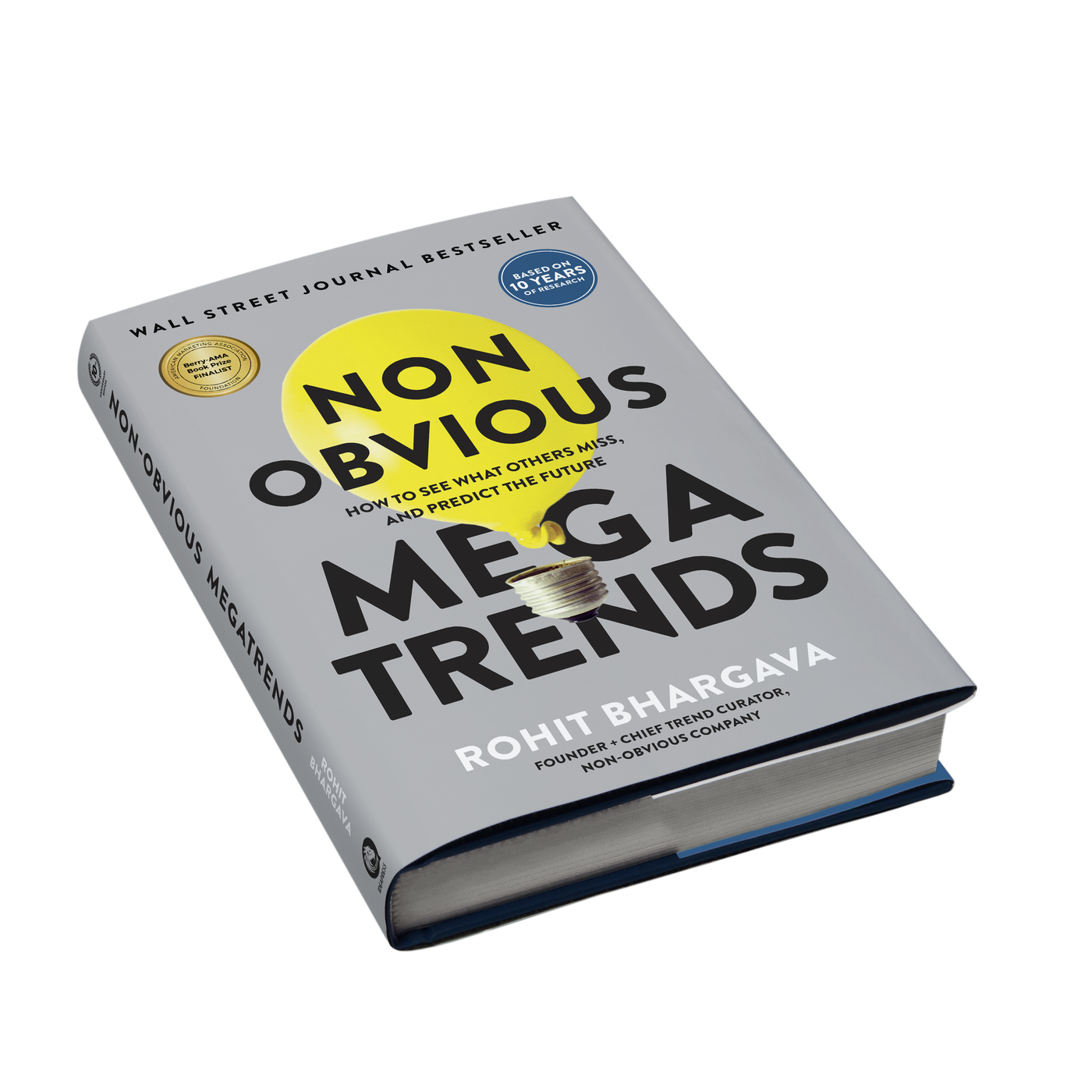
P.S. As a little secret bonus for those of you who made it this far, if you send me a quick email reply with the word "Megatrends," I'll send you an exclusive excerpt of Non-Obvious Megatrends (due out 1/7/2020) before I share it with anyone else, as a small thank you for your support!
