Human Fooseball, Walmart's Virtual Summer Camp and a Smart Mask That Translates Languages
What’s In This Issue?
This Week’s Main Stories
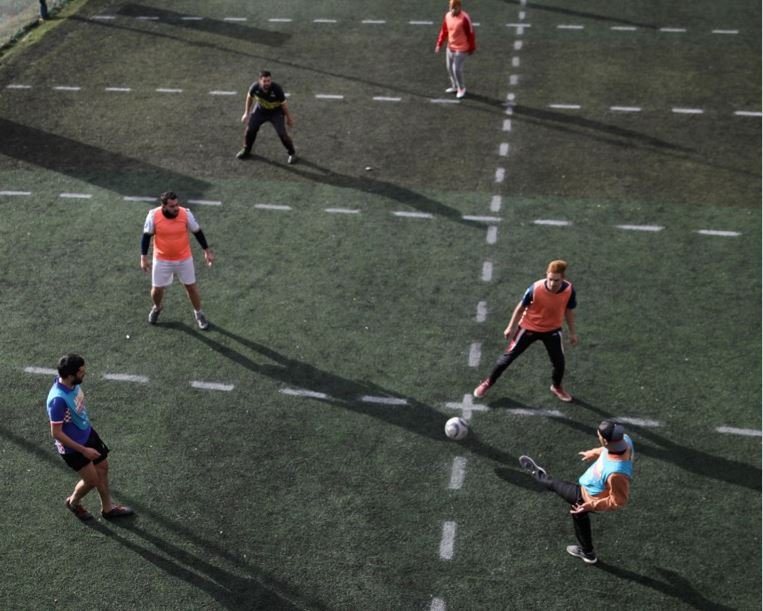 Story 01Argentines Play "Human Fooseball" Amidst the Global Pandemic
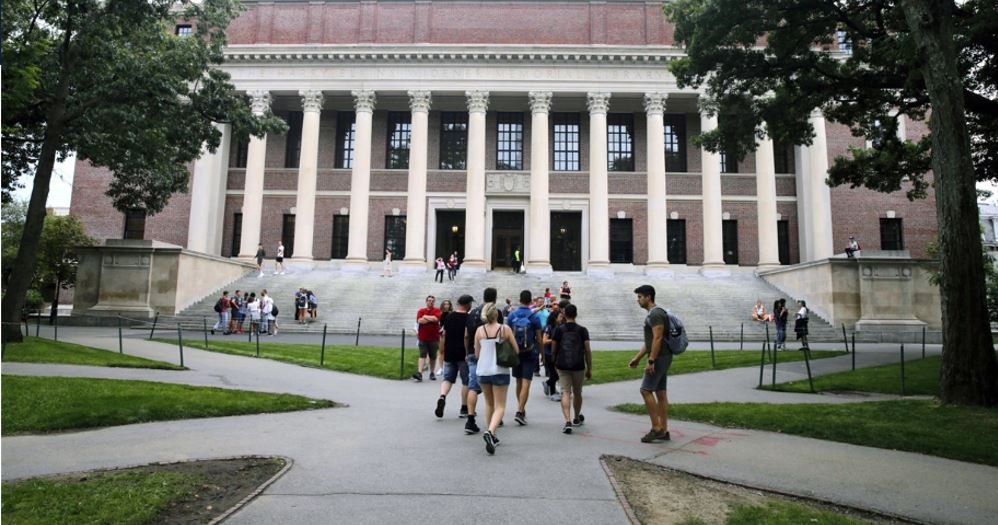 Story 02Study on Harvard Finds 43% of Students Are Legacy, Athletes or Related to Donors
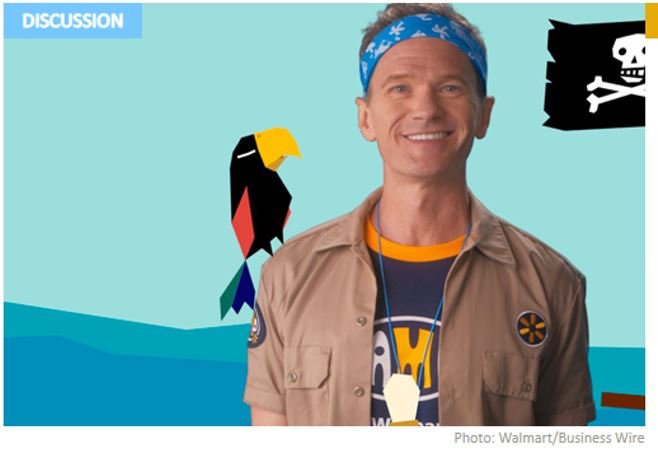 Story 03Walmart Debuts Drive-In Movies and Virtual Summer Camps Via Its App
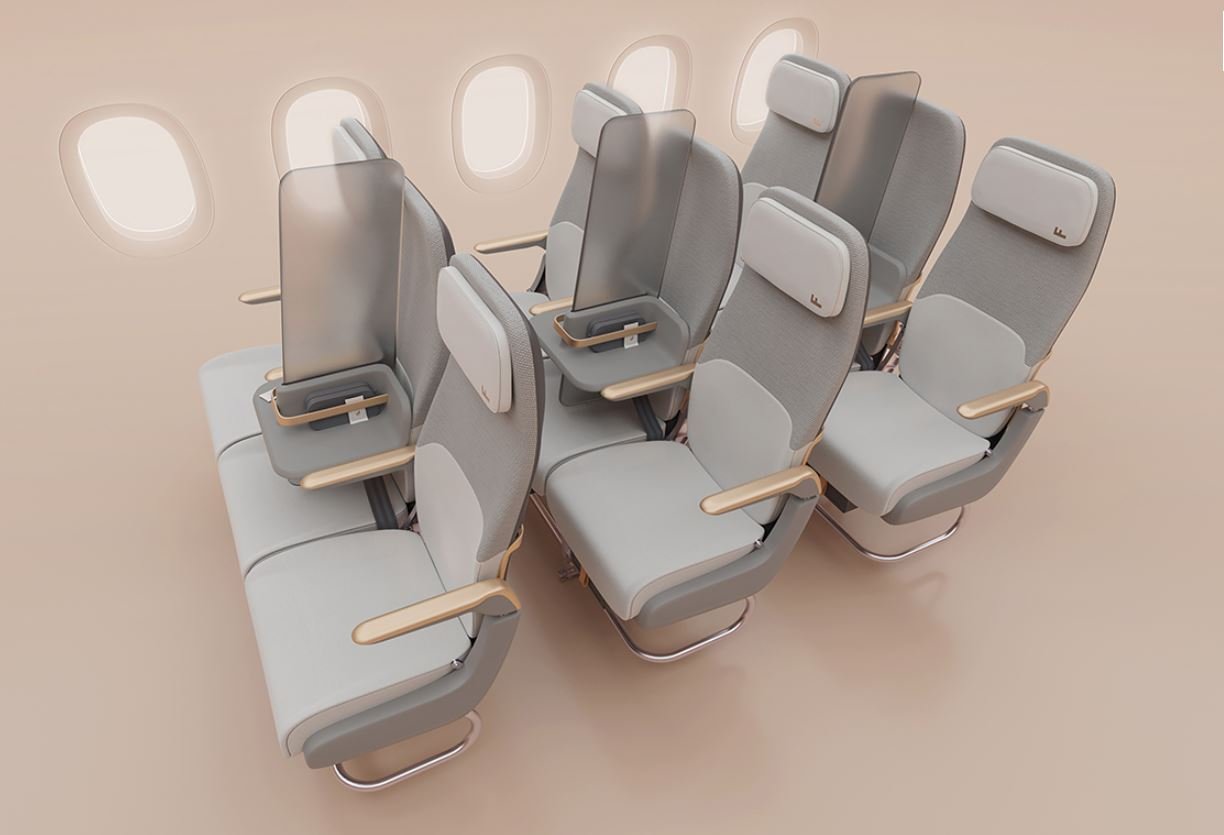 Story 04Can Tourism Be Made Pandemic Proof?
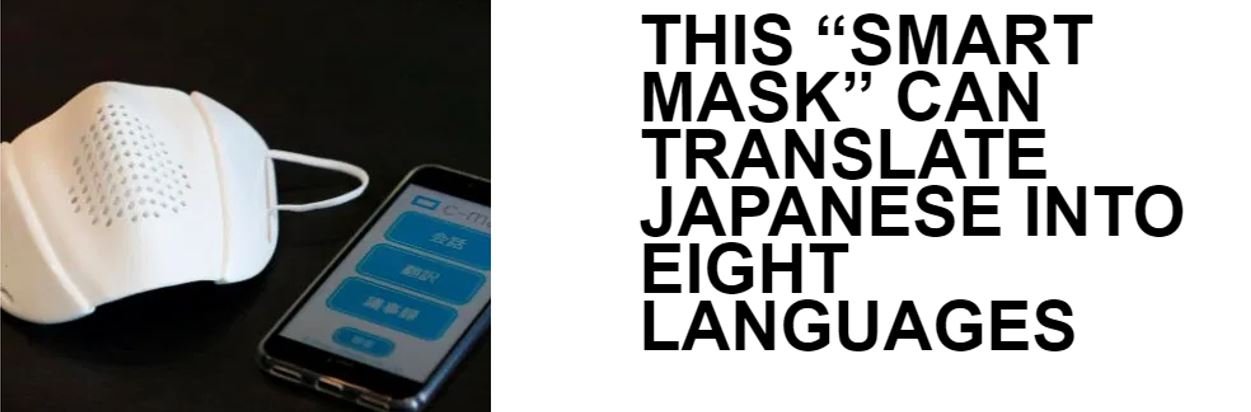 Story 05This Japanese Smart Mask Can Act Like a Universal Translator.
Even More Stories
Argentines Play "Human Fooseball" Amidst the Global Pandemic
Like the child's game of Four Square, this reinvented version of soccer (creatively described as "human fooseball" in the article) is the perfect pasttime for Argentines desperate to get back to the sport they love. The rules are simple ... no tackling and you have to stay inside your box or else you get a penalty. This is absolutely better than nothing - and a beautiful example of people finding a way to keep themselves sane in a time when that feels harder and harder to accomplish.
Study on Harvard Finds 43% of Students Are Legacy, Athletes or Related to Donors
On the surface, this story about 43% of students at Harvard relying on some sort of privilege to get in seems like it should make us angry. It's another example of the class divide that separates rich from poor! Yet, it also happens to be the perfect example of a type of story that I have been covering in a feature from my weekly insights show on YouTube that I call the "Non-Obvious Double Take - Stories That Should Make You Think Twice."
In this case, what I wonder is what about the other 57%. Are they coming from underprivileged homes? Are they more ethnically diverse? Or not? The problem is, when you read only the headline of a story like this - it's easy to just feel outrage. To have more context, you need to read further ... and even more importantly, you need to read the same story from another perspective.
Walmart Debuts Drive-In Movies and Virtual Summer Camps Via Its App
We are a few weeks into the summer and the question of what to do with the kids has already gotten urgent. Continuing their smart ways to repurpose their vast parking lot spaces across the US, Walmart announced this week that their app has new virtual summer campaign activities and they will be rolling out drive-in movies in their parking lots throughout the summer (including, of course, curbside delivery of your favorite snacks ordered from inside Walmart). This seems pretty smart.
Can Tourism Be Made Pandemic Proof?
When I think about breaking our stay-at-home lifestyle and taking a vacation, the thing I worry about most isn't the destination ... it's the dangers and inconveniences of getting there. Going to an open space, having our own socially isolated cabin, and being outside of America all seem like inherently low risk activities. But getting there is a problem. So reading this article about how designers and architects are reimagining the design of the things that take us from one place to another gave me hope. If we can change airplane seating or bus and subway configurations, perhaps people can have more confidence to be able to us them again.
This Japanese Smart Mask Can Act Like a Universal Translator.
As mask wearing continues to be adopted by the educated, it is predictable that people will find ways to make it more comfortable and better overall. In past week's I've shared stories about how designers are trying to make it more fashion friendly - but now the technologists have gotten hold of it. This Japanese prototype doubles as a smart translator to help the wearer speak other languages. As we see the recommendations for mask wearing to continue, it's likely we'll hear about more experiments like these that push the boundaries of the mask
