Afrofuturism, Paper Whiskey Bottles, Remote Work Barbados & Why Fake News Isn't Actually Fake
What’s In This Issue?
This Week’s Main Stories
 Story 01How Afrofuturists Think Different and Why the Questions They Ask Matter
 Story 02The Truth About Fox News: It Isn't Fake.
 Story 03Barbados Offers Incentive For Remote Workers To Relocate There For a Year
 Story 04How Researchers Trained and Created AI With Psycopathic Tendencies
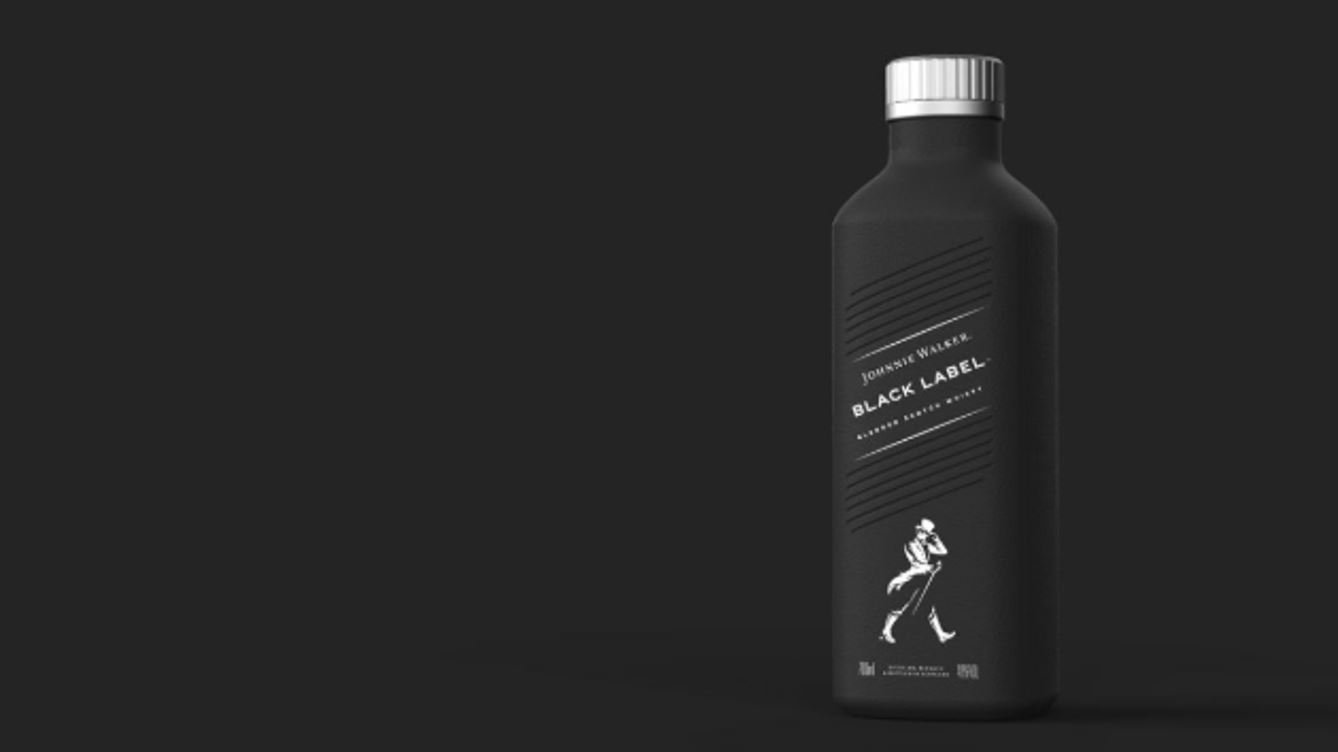 Story 05Diageo Experiments With World's First Paper Based Whiskey Bottle
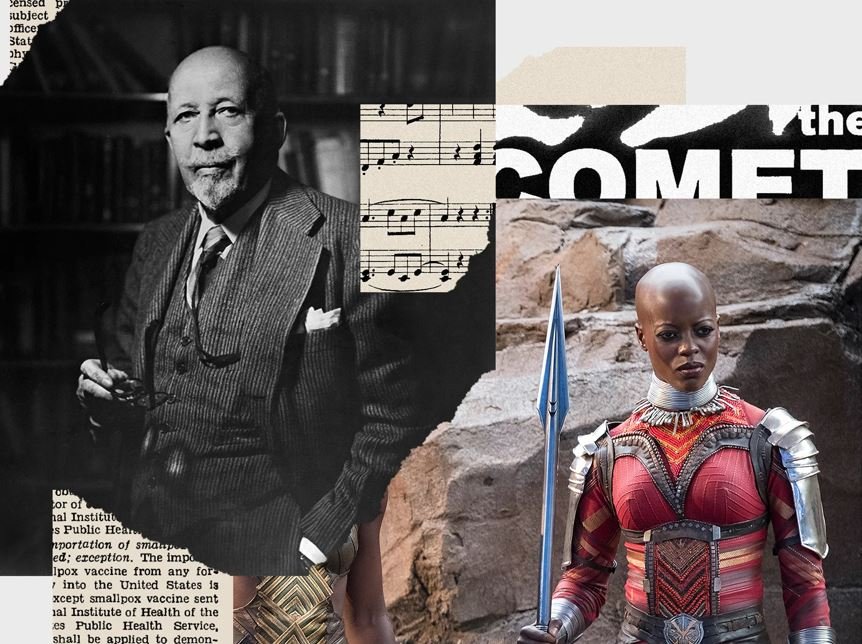
How Afrofuturists Think Different and Why the Questions They Ask Matter
"Futurists labor over questions about the nature of Android consciousness and empathy. Afrofuturists ask how race might be wired into Android consciousness and whether the android world might be as divided as ours is."
I admit, before reading this article on Afrofuturism from WIRED, I hadn't considered some of these questions related to the future -- and I've read quite a bit about it. This was a blind spot for me and this excellently argued article helped me to realize it and articulated exactly why it matters that I do consider it. As someone speaking frequently with those imagining the future and often providing advice and counsel on the directions they take, reading this was a reminder that there are larger and sometimes unconsidered questions that need to be asked. When technologists build the future, their views of the world become embedded into that technology. It is, therefore, not enough to ask and imagine what tomorrow's innovations will be. We must also ask who will build them and how we can make those teams more diverse than they often are.
The Truth About Fox News: It Isn't Fake.
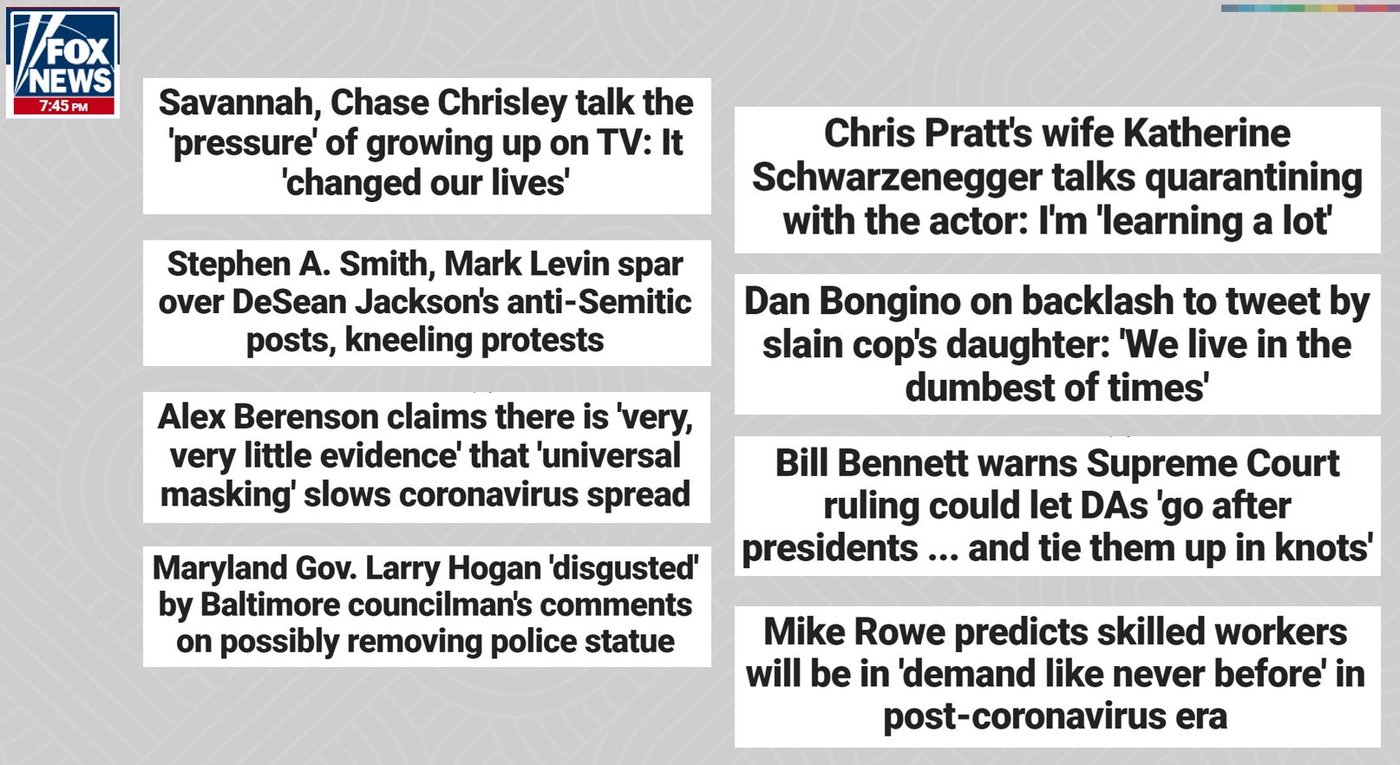
Calling Fox News fake is a common theme among the people in my social media circles, but I have long been curious about their reporting and why so many people seem so deeply influenced by it. I'm a frequent reader of their stories and consistently have it as part of my overall media diet even though I often disagree with the stories there. This week, I did a little experiment over a two day period to capture multiple headlines to see if I could identify a theme or pattern. There clearly was. In the headlines from the image above, do you see it?
Almost every story is based on a quote or opinion from someone. In some cases, they are sources who are objectively newsworthy - such as Maryland Governor Larry Hogan. In most others, they are either talk show hosts, celebrities (or their lesser known spouses), or professional athletes. The stories aren't fake. They are reporting on what these people actually said. The problem is, the opinions of insignificant people are reported alongside the quotes from actually influential people, creating confusion. In my reviews, no other media platform relies so heavily on "he said, she said" style reporting. So perhaps the distinction we need to make more often isn't fake news versus real news, but rather insignificant stories versus significant ones.
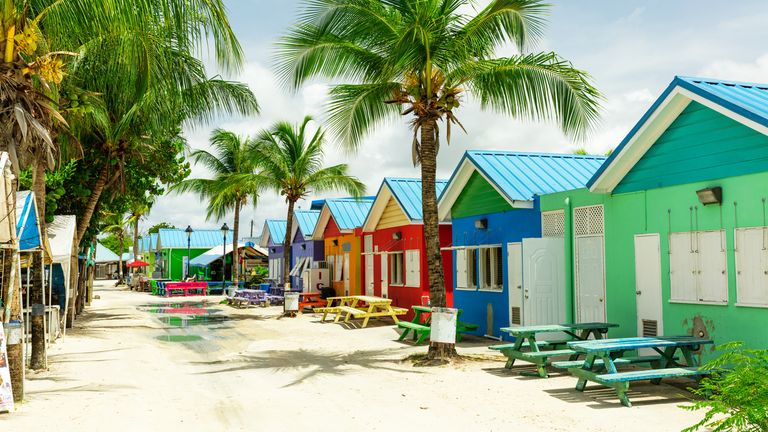
Barbados Offers Incentive For Remote Workers To Relocate There For a Year
Barbados offering an incentive for remote workers to relocate may not seem particularly newsworthy or non-obvious ... but my reason for sharing it is because I suspect that over the coming months this overture will be not only become MUCH more common from tropical destinations, but it will be a very appealing choice for many young people or remote workers who see a longer term future where they no longer need to be geographically close to their work and can more easily imagine a better lifestyle for themselves outside of the big cities.
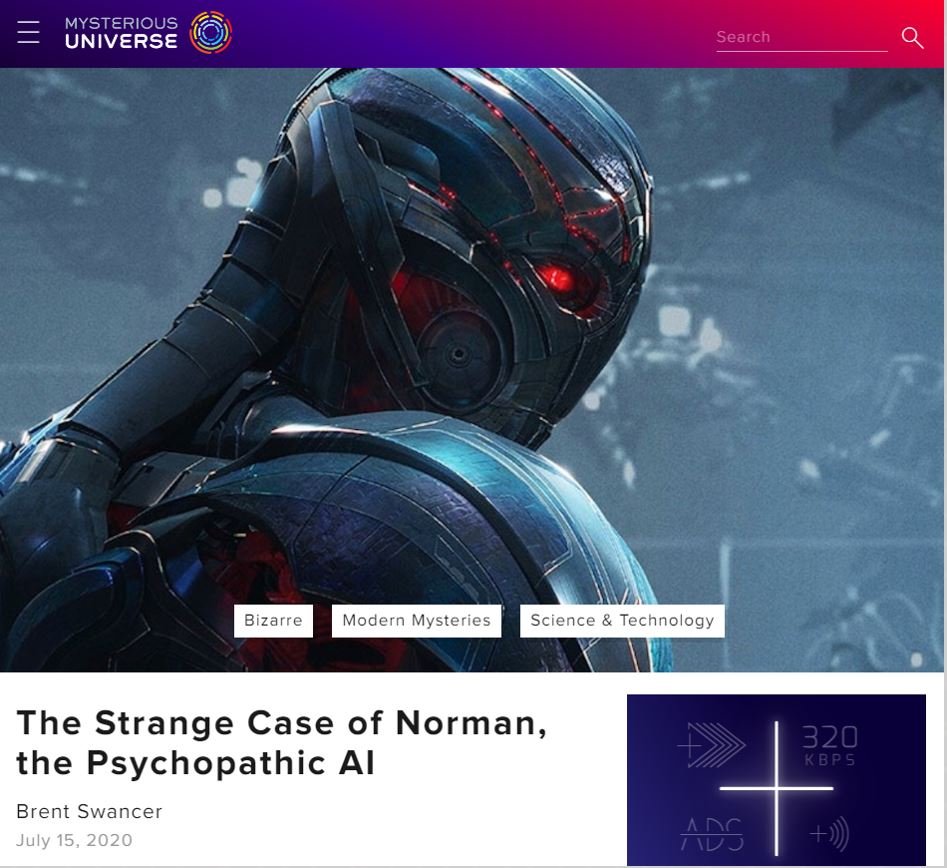
How Researchers Trained and Created AI With Psycopathic Tendencies
What happens when you train an AI algorithm only with murderous images from horror films or macabre photos from the Internet? A seriously disturbed AI, as researchers at the MIT Media Lab discovered. The AI, named "Norman" after the lead character from the horror film "Psycho," reacted disturbingly in image association tests and exhibited severe tendencies toward seeing the world as more aggressive, violent and negative - no matter what it was presented with afterwards. It's an excellent reminder that the way AI continues to evolve, and its attitudes towards the humans who build it will largely be dependent on us.
Diageo Experiments With World's First Paper Based Whiskey Bottle
You wouldn't think that something as high-end as whiskey could be bottled in paper, but apparently Diageo has developed a way to do it and recently announced that next year they would debut Johnnie Walker Black Label in a bottle sourced entirely from sustainably sourced wood. It's certainly a great marketing story, but also a challenge to the rest of the industry to keep up and match the commitment. Which is ultimately the beauty of bold announcements like this. They move an entire industry forward.
