Heinz Tomato Blood, Women Returning To Work and How To Get Into College
What’s In This Issue?
This Week’s Main Stories
 Story 01How Long Can We Play As We Get Older?
 Story 02Heinz Officially Launches Tomato Blood In Time For Halloween
 Story 03Why You Shouldn't Try To Brand Your Workplace As A "Family"
 Story 04The Hidden Meaning Behind That "Silly" Lawsuit About Pop-Tarts
Even More Stories
- Jean Paul Gaultier Opens the Doors to Its '80s and '90s Archive With New Rental Platform
- This AI predicts how old children are. Can it keep them safe?
- How “Hog Kong” became a test bed for porkless pork
- With Instagram’s newest sticker, you no longer need to say “link in bio”
- You can now ask Google to remove images of under-18s from its search results
- New Survey Finds 2 in 3 Women Who Left Workforce During Covid Plan to Return, Demanding More Flexibility
How Long Can We Play As We Get Older?
"Today’s sports heroes play longer and better than ever before. They benefit not only from the inherent genetic advantage of all great athletes, but also from decades of elite training, cutting-edge treatments and the time and money to enact them."
Every athlete who does the impossible at an improbable age sends us a message. Whether it's the idea of anti-aging or simply remaining healthy for longer, many of us expect to play longer as we grow older. As this story from Sports Illustrated explores, helping people be able to play for longer is a multi-billion dollar industry that will continue to grow. So is there a secret to staying healthy enough to enjoy the sports we love as we get older? The closest that science and the writer of the piece seem to get is some relatively obvious advice: Exercise, but not too much. Focus on your core. Listen to your body.
I suppose sometimes it's the most obvious guidance that is the hardest to remember to follow.
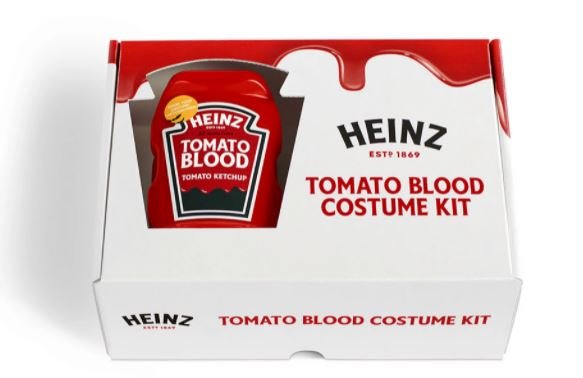
Heinz Officially Launches Tomato Blood In Time For Halloween
Heinz knows you use ketchup for blood on Halloween - but they are finally embracing the condiment/makeup crossover market. This year, you can buy your own Tomato Blood Costume Kit, and if you are in LA they even have a pop-up Halloween Store where shoppers can "start decorating costumes at the store's interactive drip stations." The entire campaign is pulled together with the clever tagline: "If you have Heinz, you have a costume." This is one of those rare examples of something that seems to have started as a one-time creative campaign last year, and transformed into what should become an annual tradition for Heinz. When you are marketing a commodity like ketchup, you have to take any chance at attention you can get.
Why You Shouldn't Try To Brand Your Workplace As A "Family"
What if branding your workplace as a "family" ended up creating more harm than good? We often hear that the best work cultures are the ones that foster more human and authentic connections between people. I have frequently written about that myself. This article from HBR gave me a reason to question that assumption. As the writer notes:
"Numerous examples and research show that overly loyal people are more likely to participate in unethical acts to keep their jobs and are also more likely to be exploited by their employer. These could manifest as being asked to work unreasonable hours or on projects or assignments unrelated to your role, or keeping things under wraps because it is in the company’s (read: family) best interest."
So family is good when it allows a team to bond and collaborate, but taken too far - it may result in compliance and blind allegiance that compromises ethics or leads to exploitation. That's not a perspective that we often hear when it comes to management advice.
