Diwali Goes Mainstream, What Happened In Virginia and the Best New 2021 Dictionary Words
What’s In This Issue?
This Week’s Main Stories
 Story 01Brands and Companies Make The Holiday Season More Inclusive
 Story 02What New Words Were Added To The Dictionary This Year?
 Story 03What We Didn't See In Virginia (And Why It Matters)
 Story 04Ingenious New Ink Is Made From Repurposed Air Pollution
 Story 05The Futuristic Way India's Favorite Actor Is Promoting Small Businesses
Even More Stories
- Indian shop workers – most of them women – win the right to sit
- For Safety, Barcelona Kids Bike to School in Massive Mobs Called a "Bike Bus"
- Take-Two spent $53 million on a cancelled game that was never even announced
- This New Chinese Trend Has Some Parents Putting Their Babies In Helmets To Give Them Round Heads
- Architect Says Billionaire's Dystopian Dorm Design Is a Dangerous Social and Psychological Experiment
Brands and Companies Make The Holiday Season More Inclusive
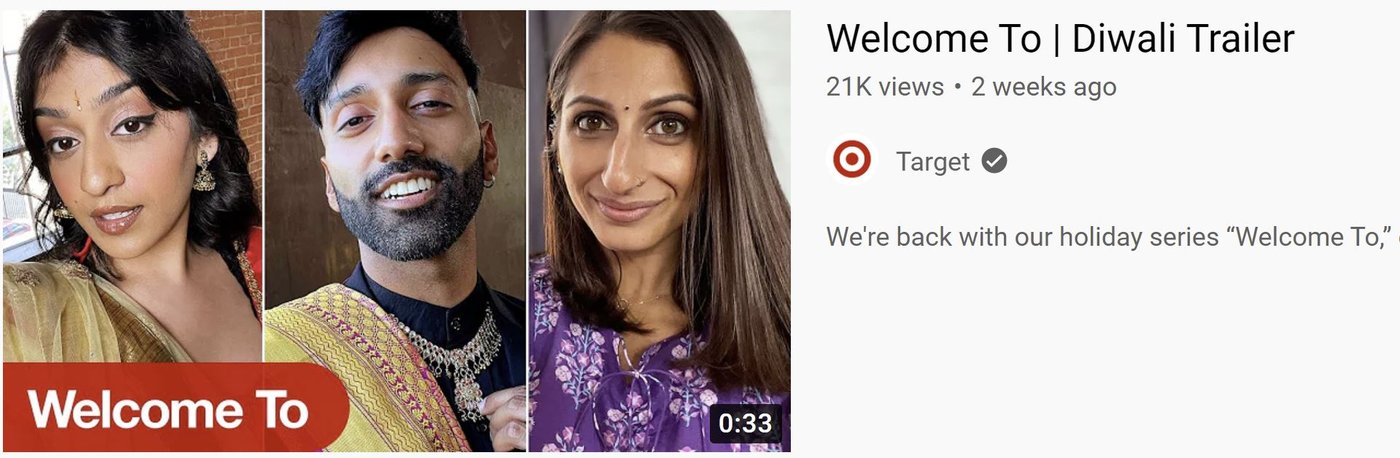
This "holiday season" is getting more inclusive. An HBR article this week offers ideas for how to create a more inclusive workplace by offering "floating days off" instead of only Christian holidays. A new bill has been introduced in the U.S. House of Representatives to make Diwali a federal holiday. While that's unlikely to pass, one article noted that Diwali marketing in the U.S. may finally be going mainstream. Target features the holiday in their new Welcome To ... holiday series that shines a spotlight on diverse holidays such as Diwali or Día de Muertos. Even Instagram created new stickers and features to celebrate Diwali.
As the article notes, there are over 170 days of the year that could be considered religiously or culturally significant enough to commemorate. Obviously, every one can't be a holiday. The flexible time off seems like a good solution. Ultimately, people should be allowed to decide for themselves which days are most meaningful for them to take off work. And workplaces must evolve so team members are not judged for choosing to use those flexible days off.
What New Words Were Added To The Dictionary This Year?
As a lover of language, I always look forward to the announcements about which words have been added to the dictionary and how our language is evolving. Words like ”amirite,” “bit rot,” “copypasta,” (referring to data that have been copied and spread widely online, like a meme) as well as acronyms like “FTW” [for the win], and “TBH” [to be honest] were all added. Most interestingly, the dictionary also added words that were starting to get used in informal ways such as the word because in the sentence: “Drastic temperature changes mess with the molecules in food, you know, because science."
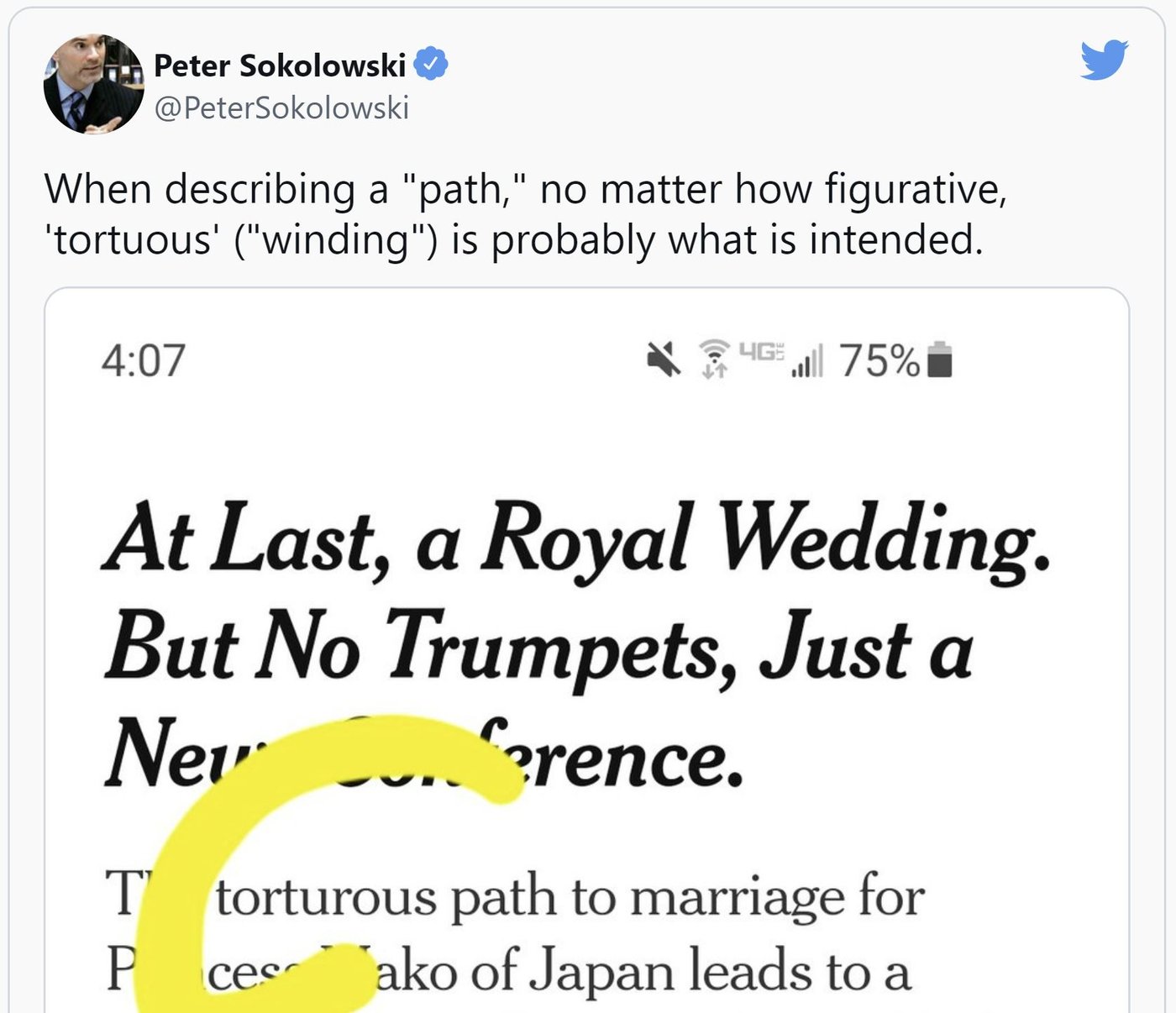
As lexicographer and Merriam-Webster editor Peter Sokolowski says: "the job of the lexicographer is akin to that of a census-takers when considering a word. We’re not so much gatekeepers of language. I don’t listen [and] think to myself, ‘Oh, that’s not a word.' Lexicographers, are driven by curiosity instead of judgment." Words matter and cataloging their use helps us understand how our culture is shifting. You know, because lexicography.
What We Didn't See In Virginia (And Why It Matters)
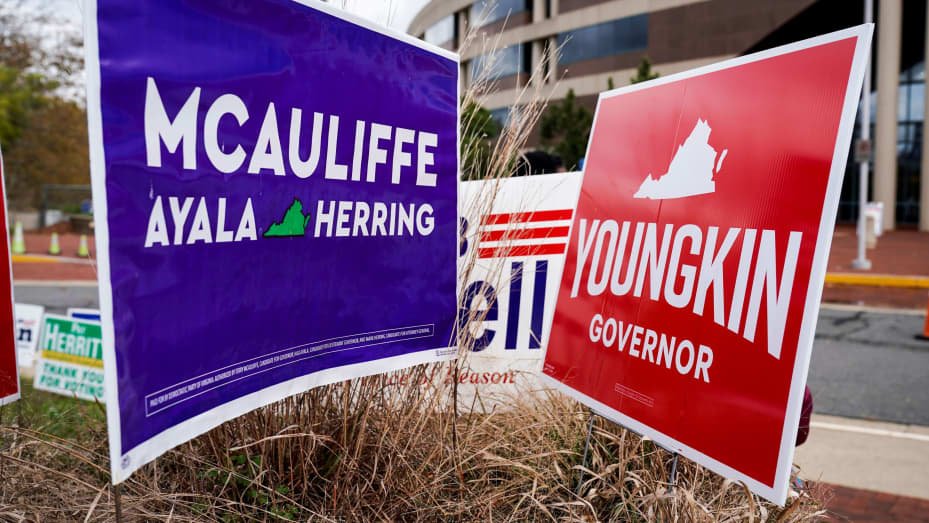
Headlines about the election results from Virginia were big news this week. As I read the stories about the election results from my home state, what struck me most was something that was missing. I wrote an article about how I voted for the guy who lost, but that doesn't mean I should start hoping the guy who beat him fails. It is time for all of us to show some respect and ability to cooperate - and reject the politicians that try to constantly keep us angry.
Ingenious New Ink Is Made From Repurposed Air Pollution
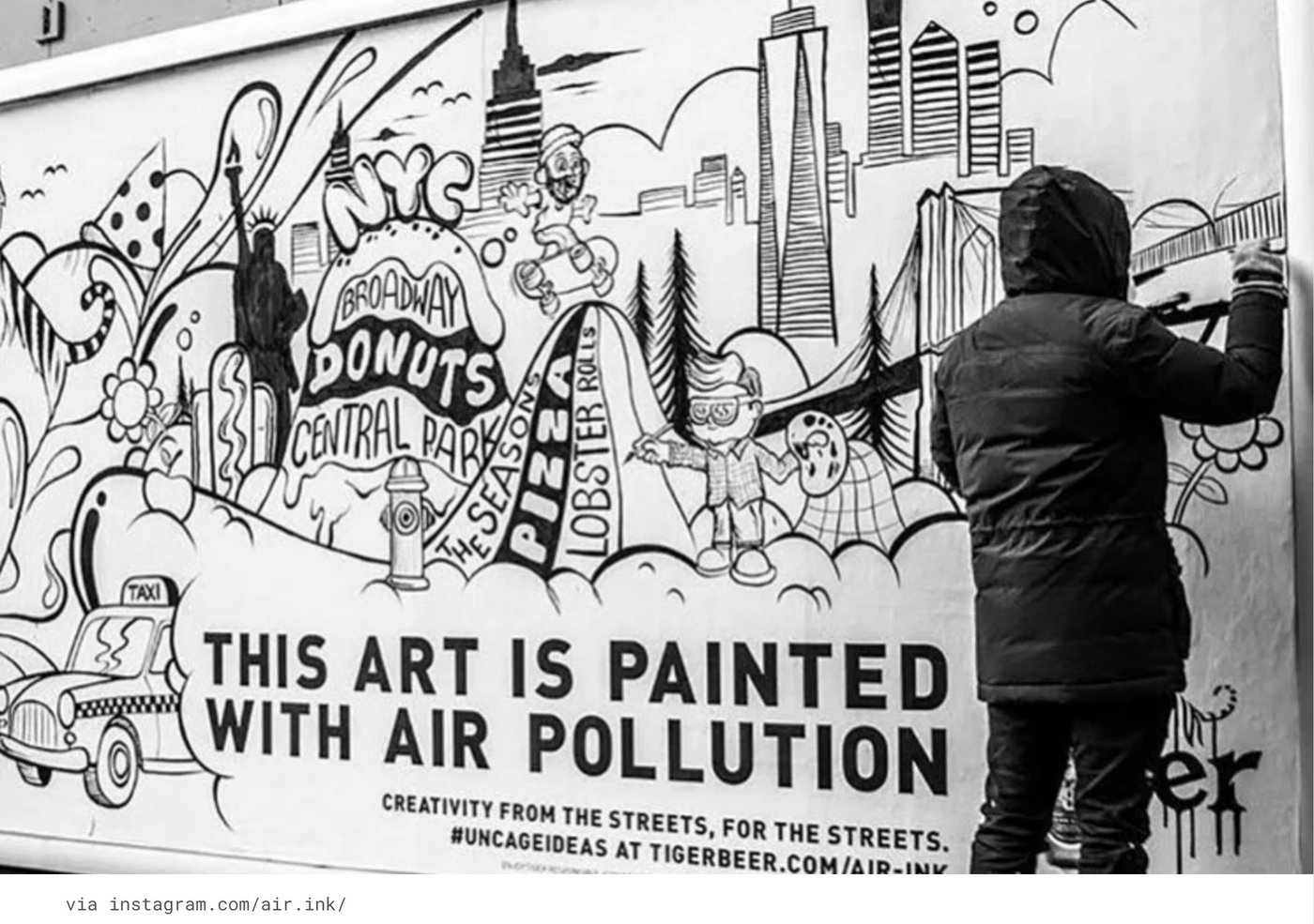
Recycling and repurposing is getting more creative everyday. To some degree, that's necessary because many of us are "wishcycling" (a situation where you want to recycle but are confused about the right way to do it) instead of actually recycling. A new idea from MIT student Anirudh Sharma to make ink from the carbon soot produced by air emissions is clearly an example of recycling. Like many inspired entrepreneurship products, his inspiration came from seeing the smoke from a diesel truck stain a wall in India. Immediately, he thought "you shouldn't need to burn new fossil fuels just to make ink. Fossil fuels are already being burned." His company Graviky Labs currently only offers the ink wholesale and lists Mastercard and Dell as two early customers.
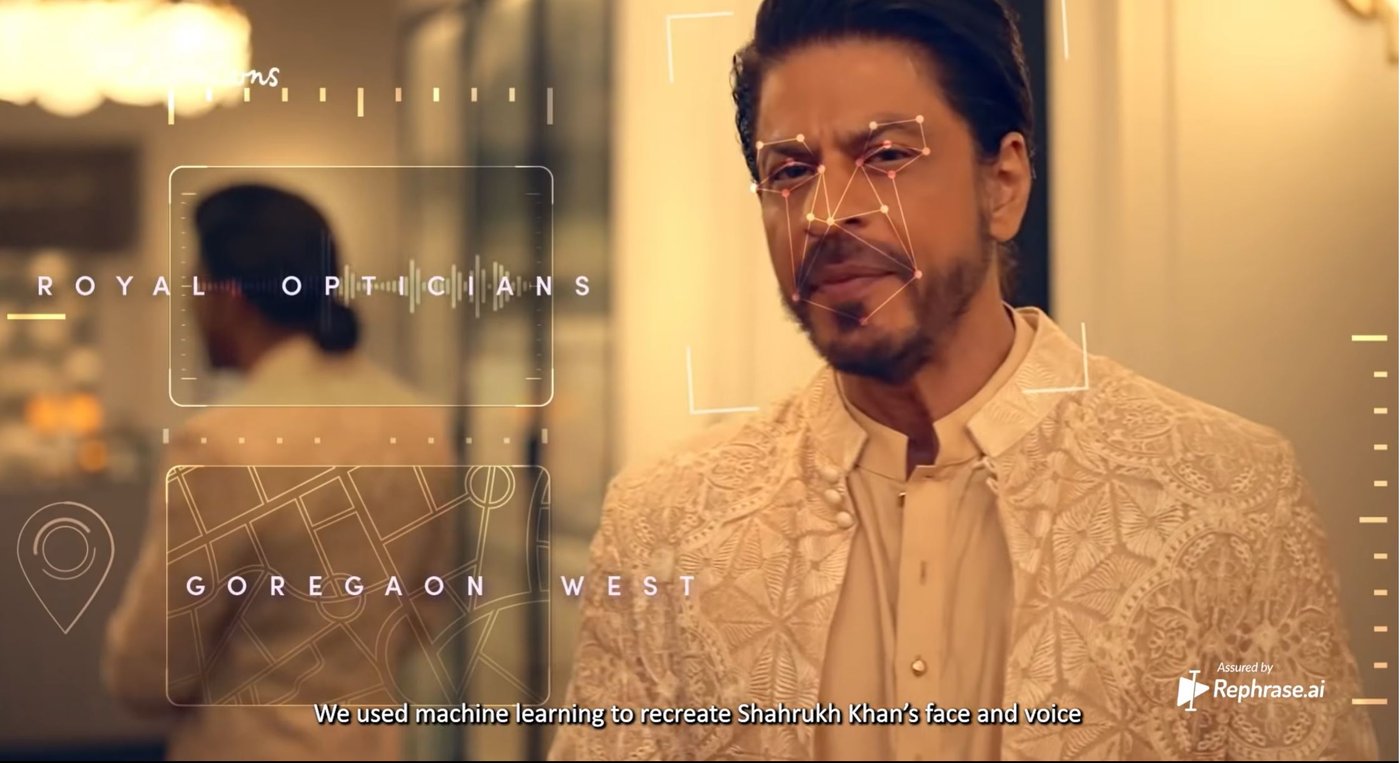
The Futuristic Way India's Favorite Actor Is Promoting Small Businesses
What if India's most famous actor could create an ad for your business? Shah Rukh Khan partnered with the team at Cadbury to have his likeness recreated by AI, with a programmed sequence of phrases and templates that business owners can use. It is a great use of celebrity and an award-winning campaign. It's also a sign of the future of celebrity endorsement and a new potential way for all sizes of companies to benefit from spokespersons ... without the messiness and effort of having to actually record anything.
