Black Mirror Predicting Reality, Coke Uses Blockchain and Spotify the Netflix Of Music
What’s In This Issue?
This Week’s Main Stories
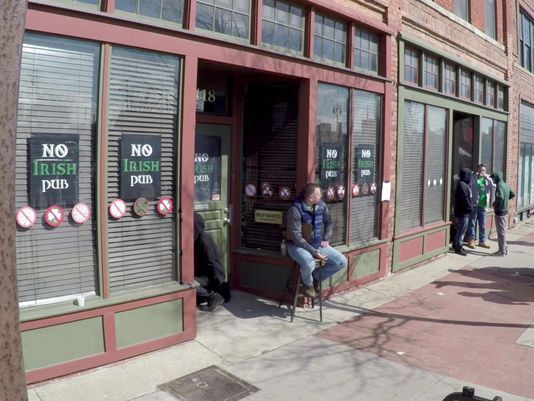 Story 01The "No Irish Pub" Refuses To Serve Irish People On St. Patrick's Day
 Story 02Sci-Fi Concept of "Social Credit" Becomes Reality In China
 Story 03Coca-Cola Uses Blockchain To Fight Against Forced Labor
Even More Stories
- Women Get Screwed By Expenses Reports Much More Than Men
- Stunning Confession From Cambridge Analytica Data Whiz
- Amazon Tests "Brief Mode" To Let Alexa Respond With Beeps
- Adidas Sells 1 Million Sneakers Made From Ocean Plastic Trash
- Is The Age Of Robotic Real Estate Agents Finally Here?
- Could Spotify Become The Netflix Of Music?
- Google and AirBNB Add New Features For The Disabled
The "No Irish Pub" Refuses To Serve Irish People On St. Patrick's Day
Some of the people across the world who argue most vocally about the desire to reduce immigration or refuse asylum to refugees are people whose parents or grandparents were once immigrants and refugees themselves. One Irish pub owner during last week's St. Patrick's Day celebrations found a perfect way to remind his fellow Americans that in the not-so-distant past Irish immigrants were once treated as second class citizens themselves. It was a powerful statement, a wonderfully savvy PR move and a story that rightfully captured the attention of media across the world.
Sci-Fi Concept of "Social Credit" Becomes Reality In China
In the episode "Nose Dive" from Black Mirror, a character spends her entire existence trying to improve her social score to a 5.0 in a world where anyone can rank anyone else for every interaction. This week China announced it would be testing a similar system that assigns people a social credit score based on a combination of their actions, behaviors and their financial credit. Those with a low score can be denied the right to ride the bus or get on a plane (among other repercussions). Along with the news that Walmart filed a patent for autonomous robot bees, it's easy to wonder whether governments and corporations are watching the same shows as the rest of us and using them as strategic inspiration rather than seeing them as the cautionary tales they were meant to be.
Coca-Cola Uses Blockchain To Fight Against Forced Labor
While cryptocurrency like Bitcoin gets the majority of attention as an example of blockchain technology in use, there are more stories emerging like this one of organizations like Coca-Cola using blockchain's ‘validation and digital notary’ capabilities to create a registered database of workers. This alone could be game changing because there are countless products around the world that more enlightened consumers worry may be sourced in unethical ways that exploit workers or destroy the environment. Having a trusted method to address those concerns could do wonders for helping consumers feel better about the products and services they want to buy.
