Why I Was Wrong About Naomi Osaka, Forbidden Chicken Snuggling and Last Chance Opt Out Amazon
What’s In This Issue?
This Week’s Main Stories
 Story 01Poop Seeking Drones and Forbidden Chicken Snuggling
 Story 02Why Spain's "Equality Stamps" Caused Such A Backlash
 Story 035 Major Shifts That Will Define the Post-Pandemic Workplace
 Story 04How Big Tobacco Created the Template For All Fake News
 Story 05Athletes Have More Leverage Than Ever, And They Are Using It
 Story 06Is Amazon Sidewalk the First Step In Killing Human Privacy?
Poop Seeking Drones and Forbidden Chicken Snuggling
It's no secret that the pandemic inspired many people to become first-time pet owners. Now that workplaces are reopening and people are starting to get out of the house, there seem to be a flood of pet stories about everything from how to deal with separation anxiety from new pets who have never been without their owners, to how science is working to increase your dog's life expectancy and inventing doggie translation devices.
One more offbeat story this week was a directive from the CDC telling people to stop kissing and snuggling chickens due to fear of a salmonella outbreak. Of course, this is America so it's only a matter of time before the Chicken Snugglers Association issues a press release denouncing the CDC's blatant disregard for their rights to poultry affection. The last pet story I had to share focuses on the "poodemic" - a name given to particularly lazy dog owners who scoop their pet's poop and then leave it hanging from a tree branch.
It seems irresponsible dog poop disposal has become an "excremental problem" in cities across the world. One solution proposed by technologists with too much time on their hands is poop-seeking drones. Sadly, the technology for those drones to pick up the poop doesn't yet exist. If it did, some enterprising programmers could eventually find a way to scoop the poop, track the offender and deposit a little poo surprise back onto their doorstep.
Why Spain's "Equality Stamps" Caused Such A Backlash
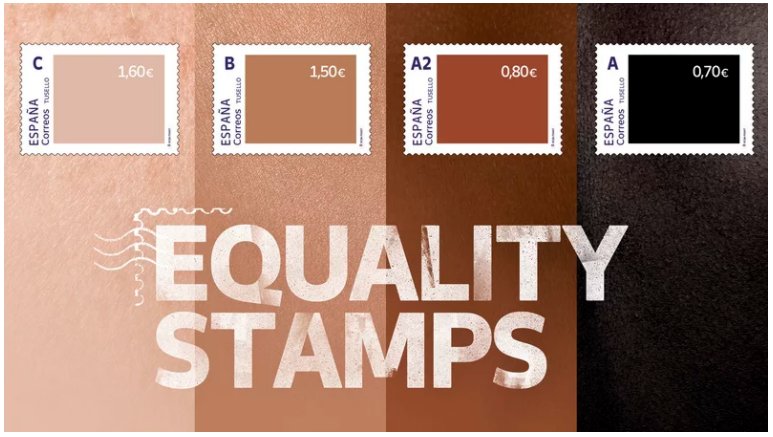
As far as bad ideas go, at least this one had a decent intention behind it. Spain's postal service, Correos España, released a series of stamps in various skin colors as a way to commemorate the anniversary of the murder of George Floyd. The aim was to "shine a light on racial inequality and promote diversity, inclusion and equal rights." It's an admirable goal. Unfortunately, they chose to try and do it by releasing four stamps that declined in value as the color got darker. The point, obviously, was to shine a light on an inequity that already exists in the world. In too many industries, minorities are paid less for the same work. Their worth is quite literally quantified as less. On a series of four stamps, however, the nuance of this message is lost and instead all people see is a visualization that seems to suggest that darker skin tones deserve to be less valuable. The stamps painted a picture of an unjust reality as it currently exists. What they should have done is designed the stamps for what reality could be ... with them all valued the same.
5 Major Shifts That Will Define the Post-Pandemic Workplace
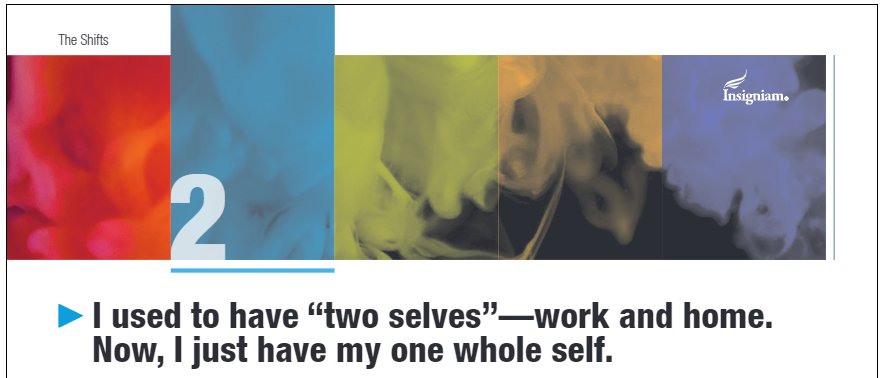
As the modern workplace experiences a reset moment where people figure out their reinvented schedule for work, a new survey points to some interesting conclusions about how the mindset of workers may have shifted over the past year. The findings from the report illustrate that many people have a newfound respect for finding a balance between work and life. They are vowing never to let work displace their lives and expect that tomorrow will not be the same as today. Read the full report and all five conclusions here >>
How Big Tobacco Created the Template For All Fake News
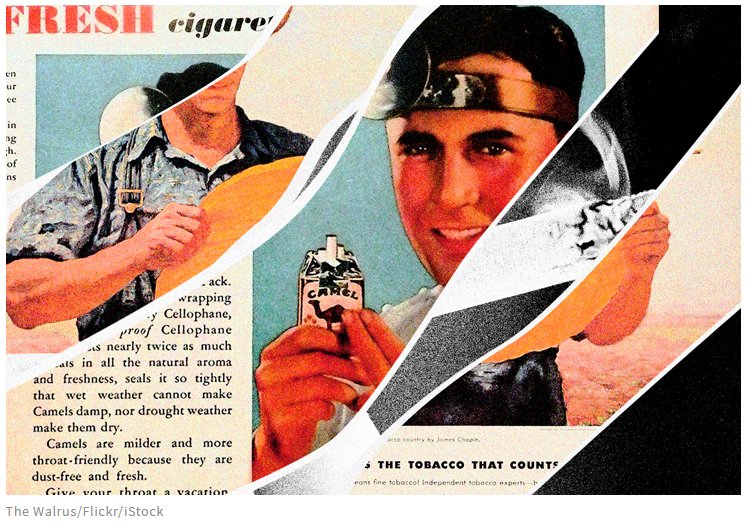
For years, big tobacco knew about the health risks of smoking and chose not to tell people. Instead, they doubled down on promoting smoking and people died. It's a widely known example, but there are some disturbing parallels to the misinformation and fake news that plagues us today. It is a tragic but instructive story, both of how powerful storytelling can be used for evil purposes, and how we must train ourselves and our children on how to recognize and ignore this type of deception. With smoking it was literally life or death. It might soon be the same for all of us.
Athletes Have More Leverage Than Ever, And They Are Using It
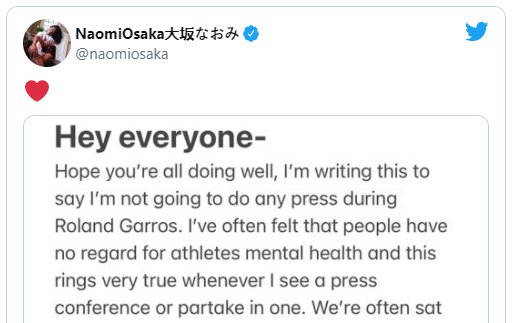
The big sports news this week centered on tennis star Naomi Osaka bowing out of the French Open due to mental stress from media interviews. I have to admit, my first reaction to this story wasn't so kind. Athletes of all sports have been forced to sit through uncomfortable questions, particularly after losses. Most of them have suffered through it, so why should Osaka get a free pass? After reading about the situation, though, I changed my mind. Here's why.
Just because something has become commonplace doesn't make it right. The fact that we force athletes to answer repetitive provoking questions moments after devastating losses isn't right in any sport. Osaka describes it as "kicking a person when they are down" and it's hard to disagree. This isn't different from the past, but what is different now is that we're in a media moment where athletes feel more empowered than ever to speak their truths. More of them believe it's their responsibility to speak out. Osaka has and some already believe her decision could save lives. As a sports fan, I would not miss these post-game interviews at all. Just about every sport has retired stars who would be more than happy to talk for hours and offer analysis of a match. The point is, there are lots of other ways to fill the TV time.
Is Amazon Sidewalk the First Step In Killing Human Privacy?
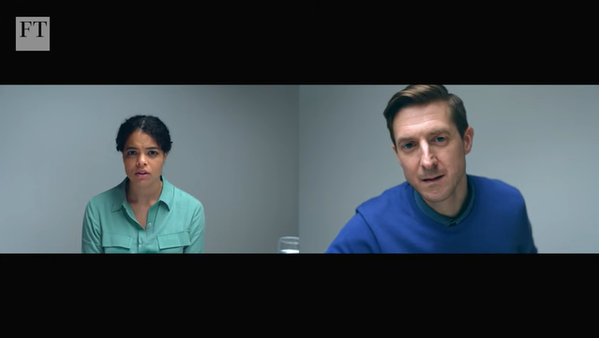
An ominous headline from Gizmodo this week captured my attention: You Have a Week to Opt-Out of Amazon Sidewalk, Do It Now. That sounds bad. Actually, it is pretty bad. Amazon is launching a new service called Sidewalk that shares part of your home network with your neighbors via Ring or Echo devices. It was sort of perfect timing that this story came up just a few hours after I watched a powerful short film from FT all about what happens when we voluntarily give up our privacy. Together, both stories are both a reminder that we need to continually pay attention to potentially dangerous ways that our data is being used ... particularly when those methods are enacted via sneaky updates that you are automatically enrolled in unless you opt out.
