Why Entrepreneurs Lie, Luxury Co-Working, Psychic Candy Bars and a Hopeful New Climate Report
What’s In This Issue?
This Week’s Main Stories
 Story 01Why Entrepreneurs Lie: Overcoming Toxic Startup Culture
 Story 02Cadbury's Twirl Chocolate Bar Might Have Psychic Powers
 Story 03Why Oatly's Lawsuit Loss Is A Big Wakeup Call
 Story 04We Have The Technology Already To Prevent a Climate Disaster ...
 Story 05Luxury + Retail Shared Co-Working Spaces May Be Coming Soon
Why Entrepreneurs Lie: Overcoming Toxic Startup Culture
The energy and enthusiasm of startup founders can be infectious. It's energizing to be around. It may also often be based on deep insecurity and a surprising level of bullshit. In a fascinating podcast, Yale lecturer Kyle Jensen digs into the reasons why modern startup culture too often encourages everything from exaggeration to outright fraud.
"If I’m going to join your startup company, I don’t want to see you vacillating or uncertain or filled with doubt. I feel comforted by your unwavering confidence. And the danger for entrepreneurs is that, that enthusiasm and confidence creeps into falsity, fraud in the extremes."
Whether you are a startup founder yourself, or likely to engage with one, it's an important reminder that the task of balancing your outsized optimism for something with the need for truth will be a personal journey. The world may seem to encourage you to tell a small lie that turns into a big one. And the only thing stopping you will be your own integrity.
Cadbury's Twirl Chocolate Bar Might Have Psychic Powers
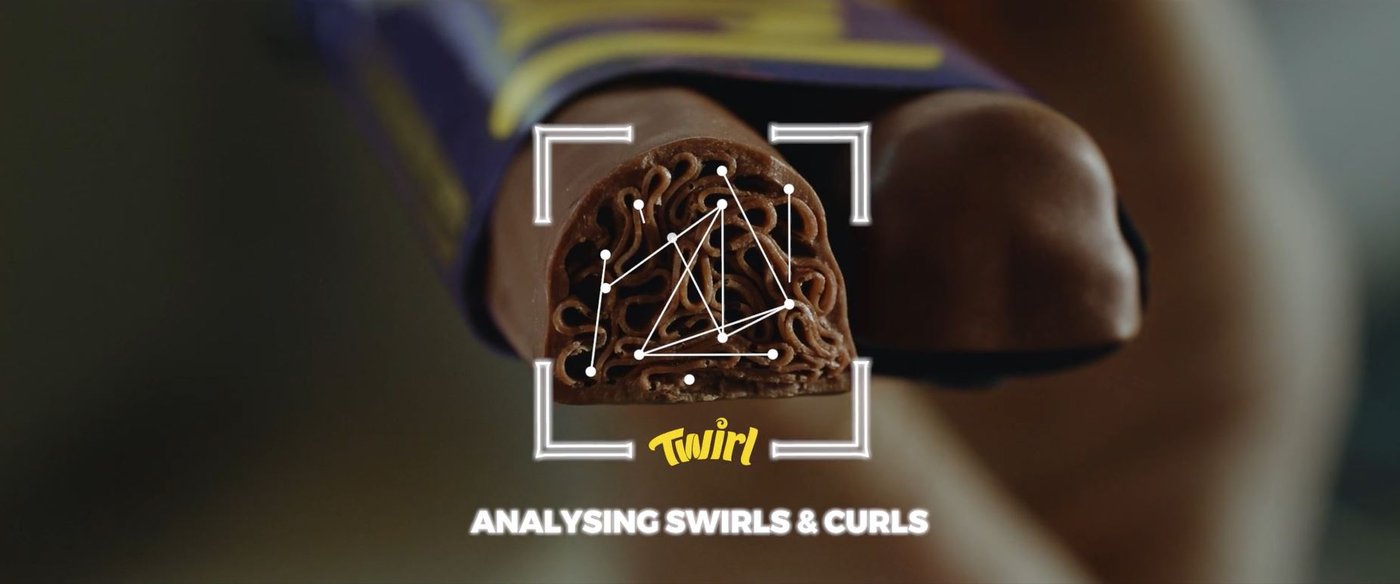
Imagine seeing your future in chocolate. Thanks to a fun new marketing campaign from Cadbury in Australia, you can literally do that with an app that will "analyse the swirls & curls" inside a Cadbury Twirl bar to tell you your fortune. Early reports seem to indicate a stunning level of accuracy in these predictions, with some Twirl fans suggesting that the results may even change the way they live their lives. Others seem more skeptical that a mere candy could offer any meaningful insight about their future. I suppose further study will be required on that, for my Australian readers with access to a Twirl and the app, feel free to test this out ... and then let me know whether it does turn out to be as life altering as promised. :-)
Why Oatly's Lawsuit Loss Is A Big Wakeup Call
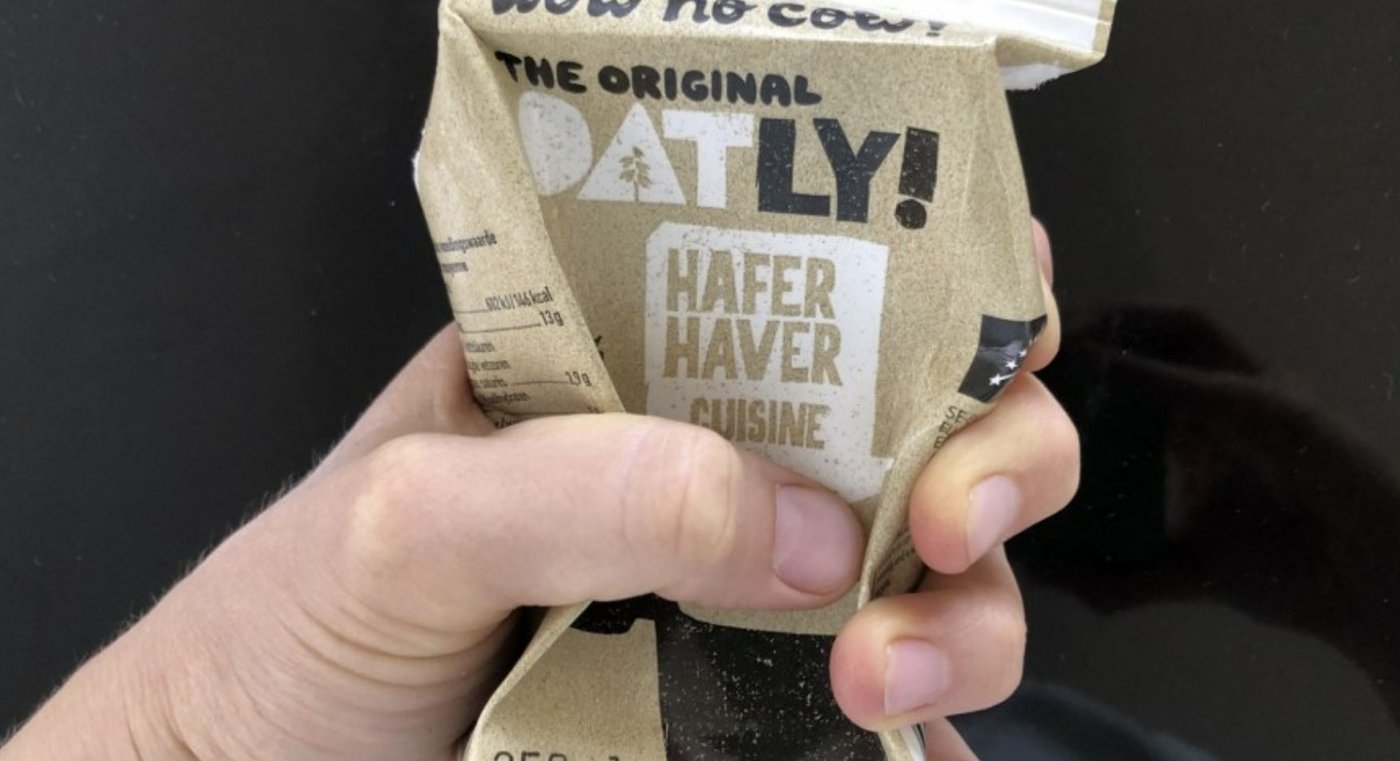
Earlier this year, popular oat milk brand Oatly filed a lawsuit against a small family farm that was promoting a product called PureOaty. The suit suggested that the competing product was using Oatly's marketing for their own benefit and were confusing consumers. For the past several years, I've been an admirer of Oatly's clever marketing. Not only has it helped propel their brand to success, it has opened up the entire market of oat milk to become a much larger category. As this article points out, the brand lost the suit but also may have damaged their own brand in the process.
For years, their marketing has positioned Oatly as a small player taking on the entrenched milk industry. As a result, their choice to go after a smaller player struck many consumers as hypocritical. The story is a good example of the dangers that any larger brand faces when choosing to go after a potential copycat -- particularly if they don't win.
We Have The Technology Already To Prevent a Climate Disaster ...
When it comes to climate change, this has felt like a pretty hopeless week. As several areas around the world deal with devastating wildfires and soaring temperatures, we are getting one report after another warning that we may be reaching (or already passing) a tipping point beyond which it will be impossible to save the Earth from humanity. It's a scary time. One report this week that offered a different take, though, was a climate report from think tank RethinkX. The report shares this powerful thought:
"More than three quarters of global GHG emissions can be mitigated by just eight key technologies that are either already at market and able to scale immediately, or ready to begin deploying to market. We no longer need to trade off the environment and the economy against each other. Decarbonizing the global economy will not be costly, it will instead save trillions of dollars."
In other words, we have already invented the technology that is required to reverse this process and save the environment. What we lack is the widespread political commitment and public support to use all of them. The entire report is optimistic, but sobering. The good news is, we are already smart enough to have built the solutions to this global issue. The bad news is, the people in charge of setting policies, and the people who put them there, are regularly too complacent or cowardly to implement these solutions.
Luxury + Retail Shared Co-Working Spaces May Be Coming Soon
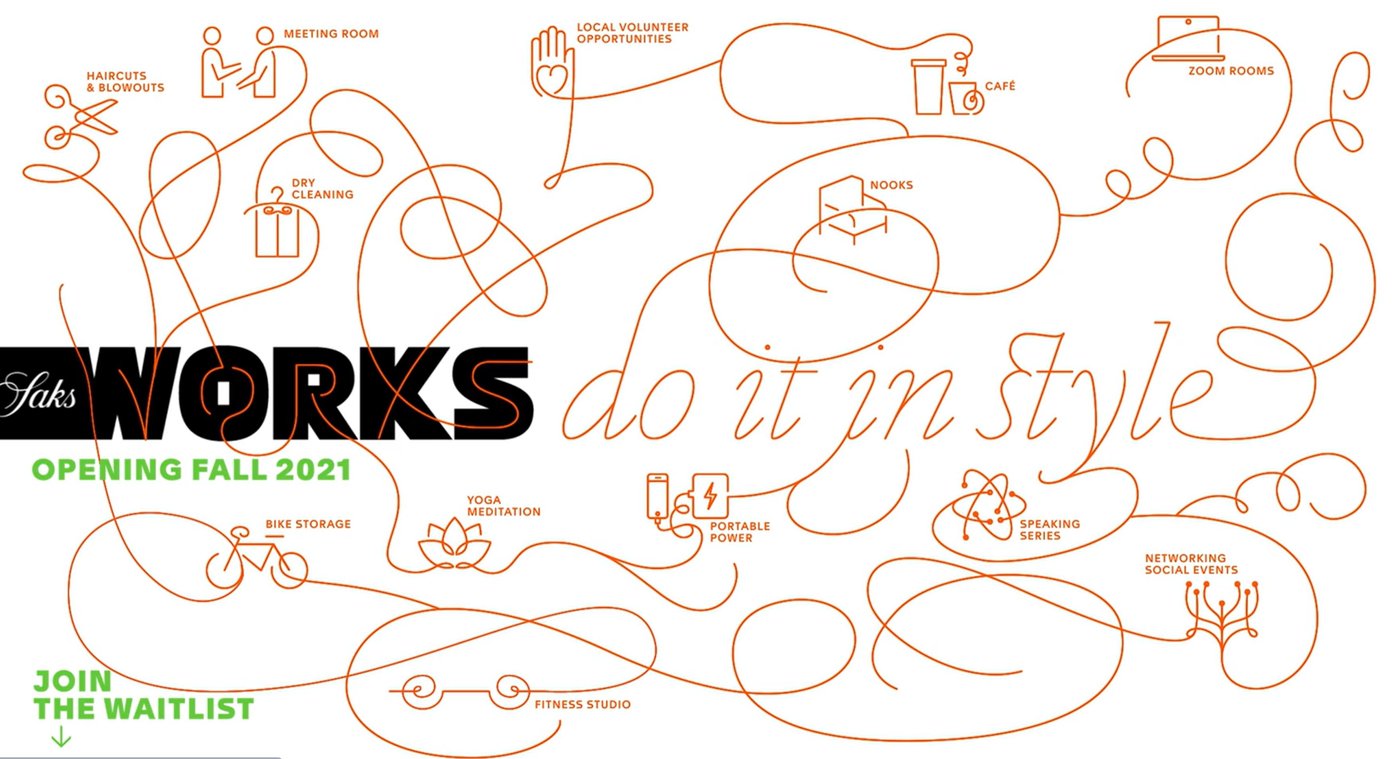
The past year has forced many of us to rewrite the rules about how we work and every week I get more questions from anxious leaders and empowered workers alike about what the future of work will look like. Most say it will be hybrid, where employees have more autonomy over how and where they work. Assuming this is true, the latest announcement that WeWork will partner with several Saks Fifth Avenue retail locations to create a stylish co-working space seems to be perfect timing. This blend of retail space and working space integrating together may be something we will see even more pronounced in the coming months, which could be a great thing. I'd personally love to see a co-working space co-habitate with a bookstore and coffee shop. A place like that would quickly become my new favorite place to work.
