Vegas Casinos Fix the Odds, Adding Humanity to Gig Work and My Big Publishing Announcement
What’s In This Issue?
This Week’s Main Stories
 Story 01What Everyone Wants To Know About Writing and Publishing a Book
 Story 02Instacart Adds A Bit Of Humanity Back To Gig Work By Letting Customers Choose To "Favorite" Shoppers
 Story 03Samuel L. Jackson and the Harsh Reality of Who Really Owns Your Tech
 Story 04Las Vegas Casinos Make Losing Even More Likely By The Shifting Odds
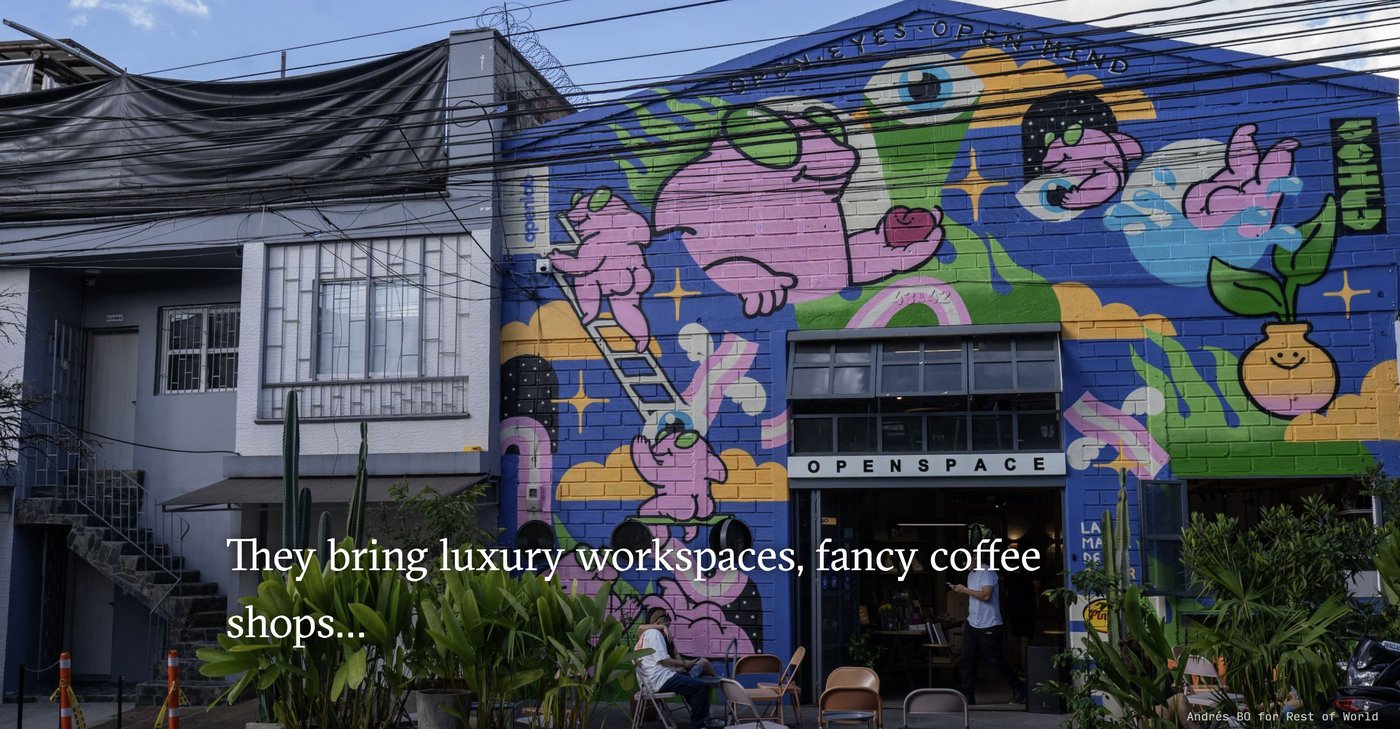 Story 05How Digital Nomads Are Changing Global Cities, and Themselves
Even More Stories
- Here's How You Can Help Draft The US National A.I. Strategy
- #Stopexecutions! Iranian Model Wears Dress With Noose Around Neck at Cannes
- Engineers At Umass Amherst Harvest Abundant Clean Energy From Thin Air, 24/7
- 31 Shifts That Will Shape the Future Normal
- The Passing of Dooce, and Why Social Media Has Failed Us All
- Hilton Launches Another Budget Brand Amid Economic Uncertainty
What Everyone Wants To Know About Writing and Publishing a Book
Fifteen years ago, McGraw-Hill published my first book. Since then, I've published eight more books, collaborated with three co-authors, had multiple WSJ bestsellers and started a publishing company. Along the way, I've been asked just about every publishing question you could imagine. Most, I didn't know how to answer. But I did know who to ask.
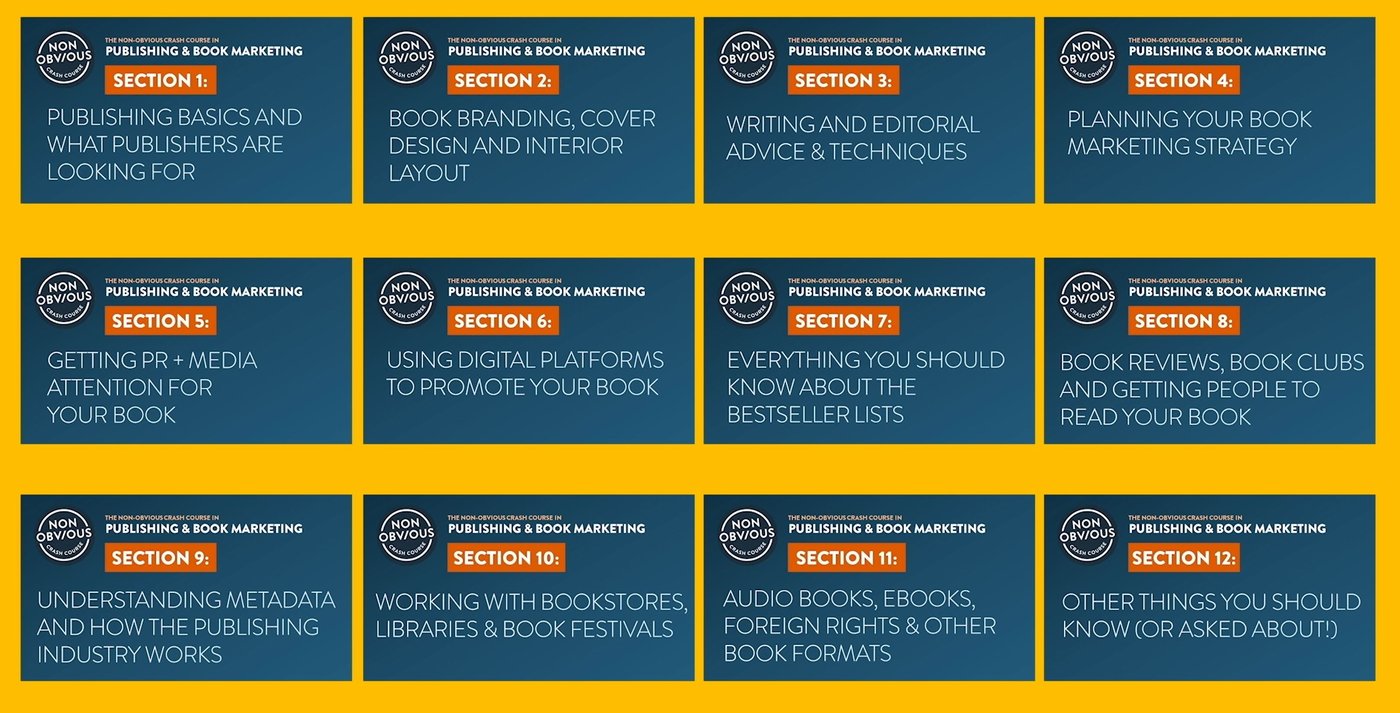
For the past three years, I've been recording interviews with some of the smartest people I know in the publishing industry. Earlier this week, I shared my "big announcement" that I finally compiled all these videos (as well as more with my own insights) into The Non-Obvious Crash Course In Publishing & Book Marketing.
In the course, aspiring authors can watch more than 60 individual videos on topics like finding a publisher, writing a book proposal, working with editors, cover design, getting Amazon reviews, social media, improving distribution, writing metadata, making a bestseller list and lots more.
This week I launched the course with an initial discount offer (75% off with the code "NCD75OFF"). As a special bonus exclusively for readers of my Non-Obvious Newsletter, I am going to add a bonus that I have never offered before ...
THE BONUS - For the first ten people to buy the course this week, I'll also have my team coordinate a FREE 30 minute book coaching session with me about your book or publishing questions.
No matter whether you're just considering doing a book or ready to launch it, this is an offer I'm ONLY sharing with readers of this newsletter. To claim it, just buy the course and then send me an email (you can reply to this one) and let me know that you would like to redeem your session. I'll have a member of my team reach out for next steps.
In the coming months, we'll add interviews AND launch a generous affiliate program as well. If you're interested in being an affiliate or want to suggest an expert for me to interview, let me know. And please share this with any connections who are writing a book themselves!
Instacart Adds A Bit Of Humanity Back To Gig Work By Letting Customers Choose To "Favorite" Shoppers
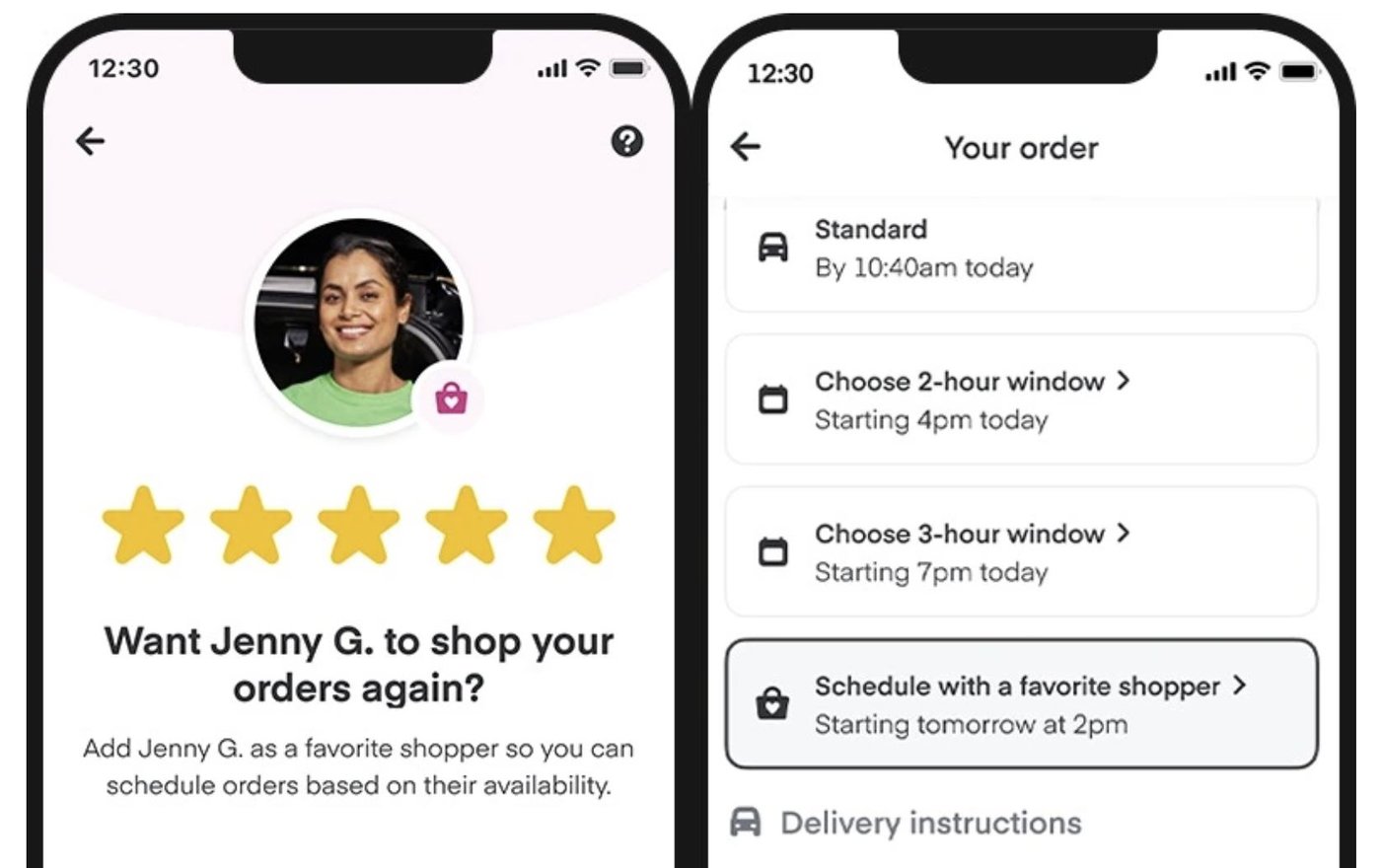
Gig work, like car rides or food pickups, are often used as examples of retail transactions where humanity is lost, and workers get dehumanized or treated like human drones. Instacart announced a pilot program that could help change this, by allowing customers and their selected shoppers to choose each another.
When you can "favorite" a shopper who goes and gets your groceries for you (and they accept), then you can specifically request that same person to do your shopping every time. Your shopper can learn your preferences, communicate with you, and serve more like a personal assistant instead of a faceless resource who delivers your stuff.
I'm not sure why this innovation has taken so long to get added. It feels like a win for everyone involved. Shoppers get to know who they are working for and (probably) earn higher tips from those customers because they know them personally. And customers get the benefit of having someone who knows your preferences, particularly with something as personal as food. It's baffling why no other platform has tried to do this already?
Samuel L. Jackson and the Harsh Reality of Who Really Owns Your Tech
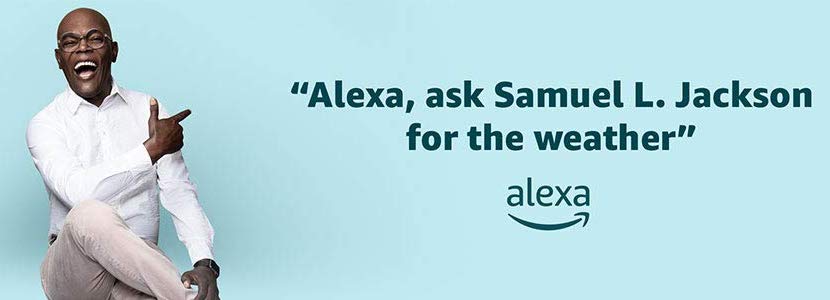
I never found Amazon's Alexa all that useful, but being able to ask Samuel L. Jackson to tell my kids to go to bed was a fun feature. This week Amazon quietly shared that they will be discontinuing these celebrity voices. Another tech site also reported this week that Google will stop supporting their original Chromecast streaming devices. And then there was the disturbing story of a woman with epilepsy who received an experimental brain implant that changed her life, only for a court to order that it be removed against her will after the company that manufactured it went out of business.
The theme among these stories is how the nature of ownership is continuing to change in the digital age. What belongs to us and what doesn't? Should it matter if it's literally inside your body? This topic is one that I explored in depth in a past episode of my Non-Obvious Book Review show when I interviewed the authors of a book titled Mine: How the Hidden Rules of Ownership Control Our Lives. When do you really "own" something, and what rights do you really have over the tech that you use, pay for or allow to become a part of your life? These questions will continue to become more urgent over the next few years.
Las Vegas Casinos Make Losing Even More Likely By The Shifting Odds
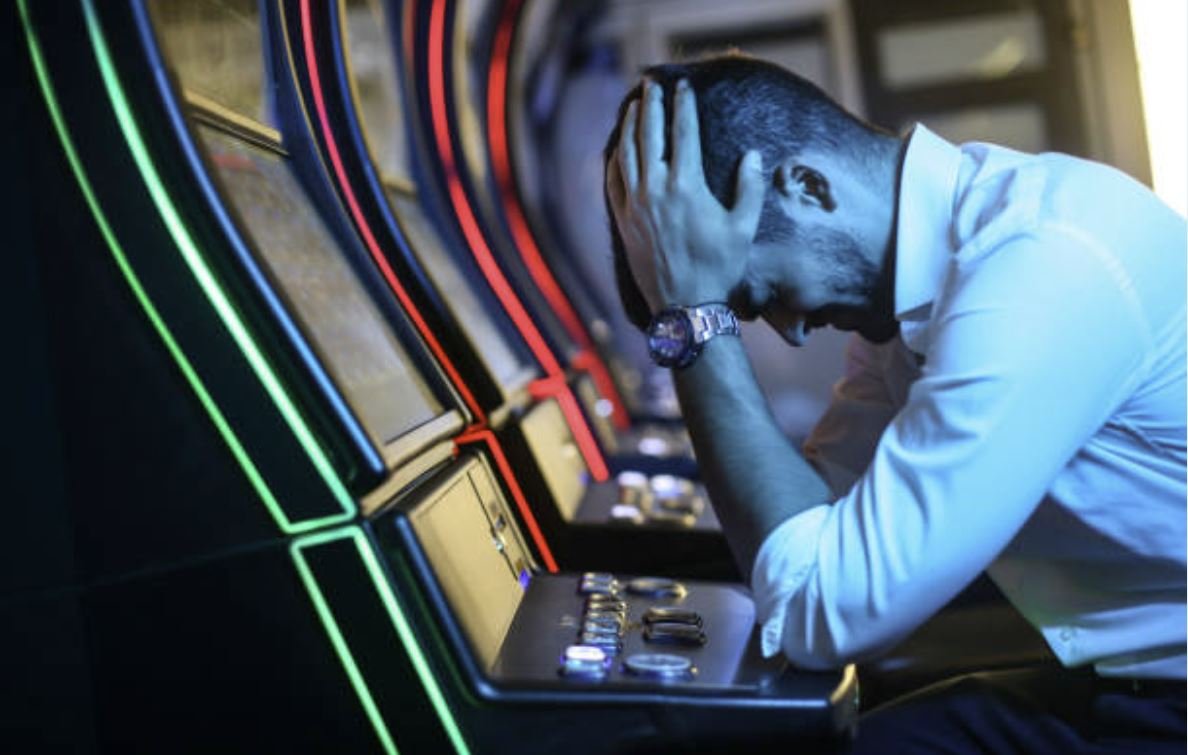
Here's the statistic from a new WSJ story this week that should tell you everything you need to know about gambling in Las Vegas: "Blackjack players lost nearly $1 billion to casinos on the Strip last year, the second-highest loss on record."
Yes, gambling was already a slightly more enjoyable way to waste your money than throwing it into a dumpster fire - but now the odds are getting even worse. The story notes that casinos are making "subtle changes" including cutting the number of tables, raising minimum bets and "lifting their advantage over players."
The effort is explained in part by industry insiders as a way for Las Vegas to shape itself into more of an upscale destination (ie - a place where people can more easily afford to lose buckets of money without feeling bad about it). I do love Las Vegas as a city and always enjoy when I'm there, but that's probably because I never gamble. I just don't see the logic in playing a game rigged against you that you're already destined to lose.
How Digital Nomads Are Changing Global Cities, and Themselves
German entrepreneur Markus Seebauer has lived in 40 countries as a digital nomad. As a tech worker, he has traveled the globe from Eritrea to Ukraine and found many places along the way that have purpose-built new gentrified areas with hip co-working spaces and fast wifi designed exactly for digital nomads like him. An in-depth article from Rest of World looks at the impact of all these digital nomads and how they are changing the local culture of the places they frequent.
Their two-sided impact is well documented. While their presence inspires new construction and creates more demand for local businesses, they also drive up rental rates and cost of living. The one thing I hadn't considered was how this nomadic existence might lead to a generation of workers who feel like they don't truly belong anywhere. The story was a good reminder that despite how romantic it sounds to work from anywhere and explore the world, having a home where you feel you belong can be pretty fulfilling too.
