The World Cup Contradiction, Tuvalu Becomes a Digital Nation and TIME's Best Photos
What’s In This Issue?
The Upside of Delayed Connections
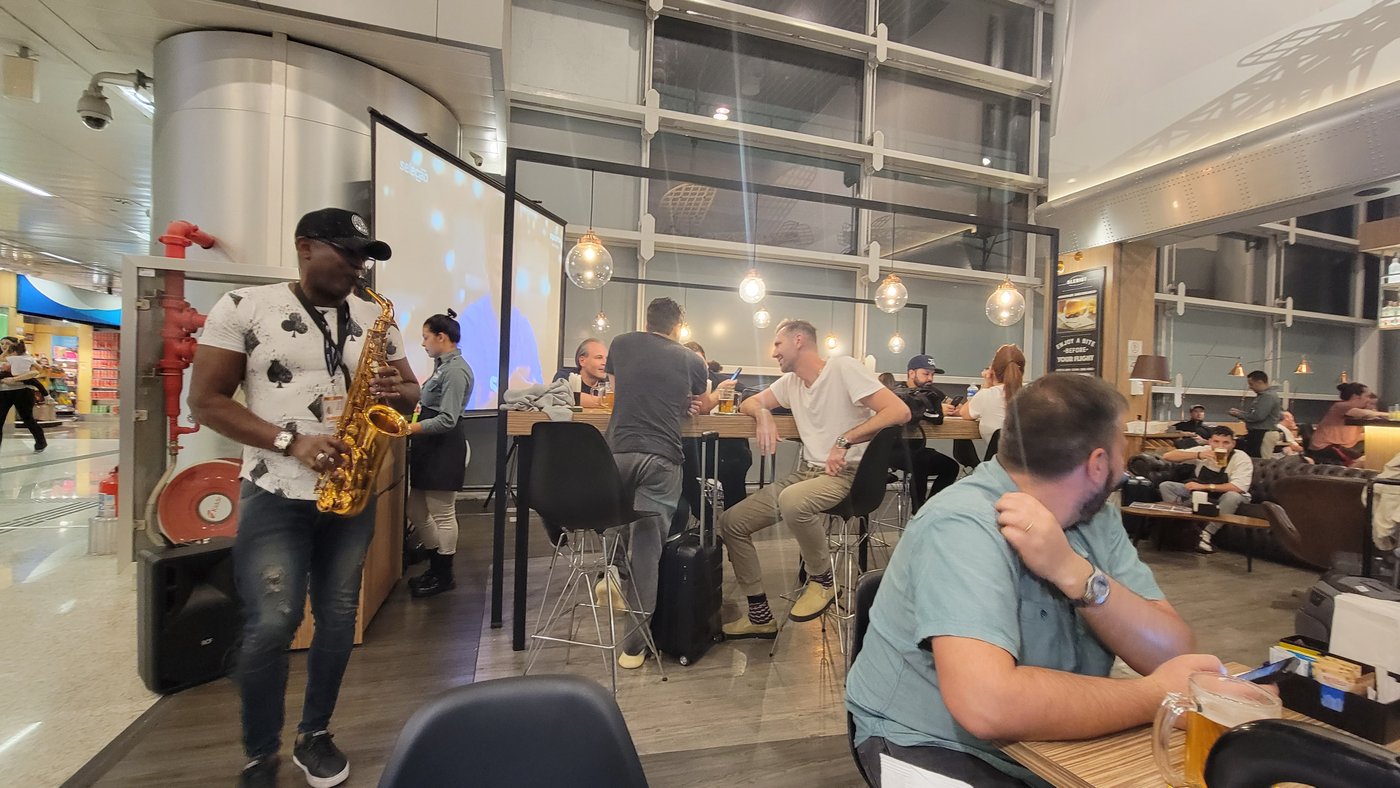
There is a difference between sad food and solitude food. That's the main idea of this article I read, sitting in a Brazilian airport cafe waiting for my delayed flight. In front of me is a musician playing his saxophone alongside a backing track from his ipad and a tiny amp. He is alone too, apart from the occasional three-year-old who stops to dance along to his tunes. Most passengers instead seem on a mission to find duty free alcohol, stand in a queue that won't start boarding for another hour or buy in-flight snacks they probably don't need.
I chose this open spot because the energy was much better than the quantifiably sad VIP lounge, filled with tired business men (yes, it is still all men) far from their families the night before Thanksgiving. It is true, business travel does have it's own type of desperation.
Still, I find airports the perfect venue to write, read and watch people in a way that satisfies my curiosity about their backstories without staring so long it becomes creepy. Sometimes I probably get the timing wrong. The upside of eating alone in an airport is the chance to notice the things others miss. It is an in between time that life rarely gives you. You have places to go, but getting there faster is out of your control. The plane will leave when it leaves. So I may as well sit here observing and writing. It's not a bad way to pass the time.
Why Saudi Arabia Isn't the Cinderella Story You Want
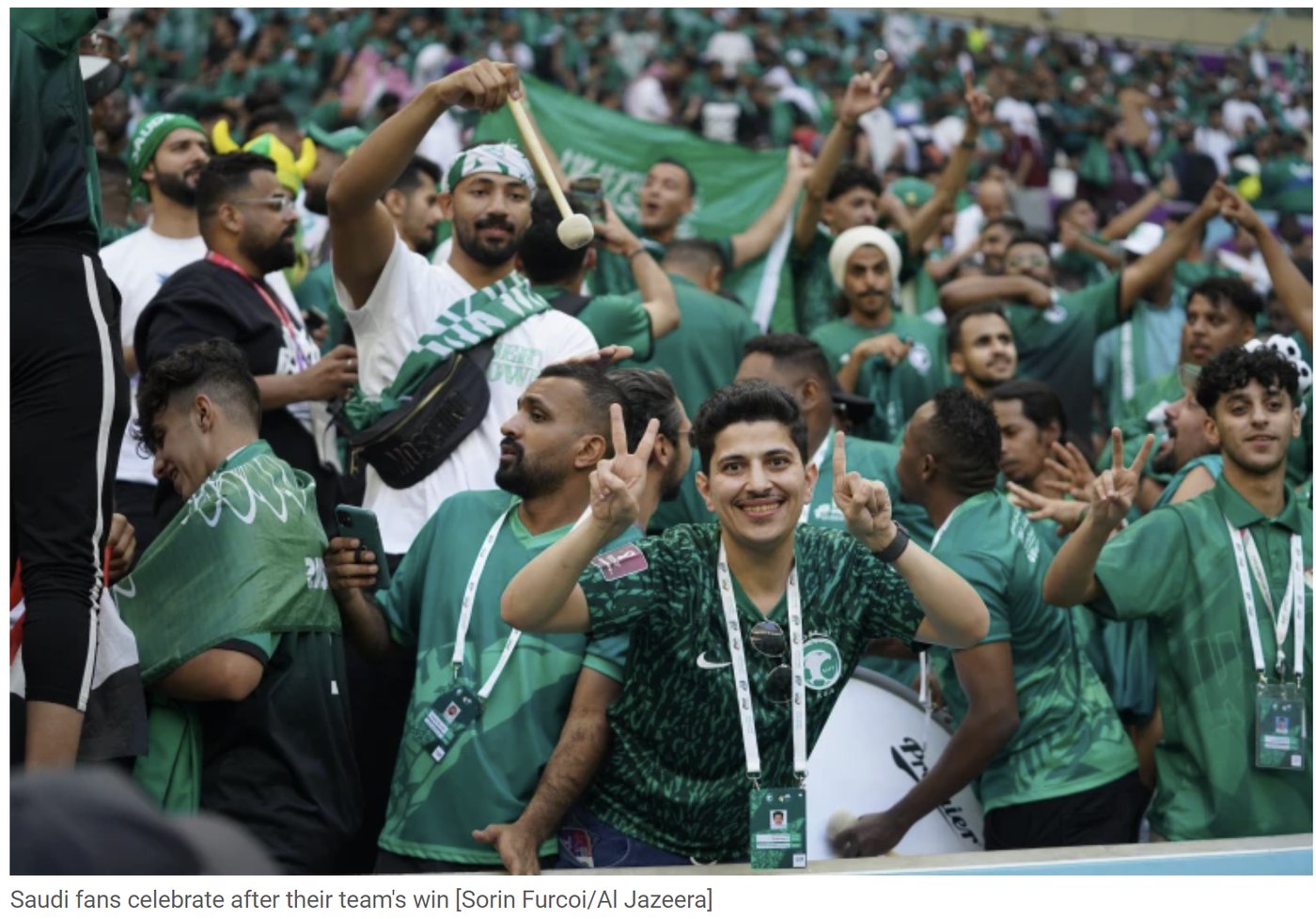
The early part of a World Cup that set the stage to shatter colonial myths about the Middle East has had plenty of drama, from Cameroon-born Swiss player Breel Embolo scoring the lone goal to lift Switzerland above Cameroon, to an upset win by Japan over one of the tournament favorites, Germany. The biggest upset story, though, was Argentina and Leo Messi losing to Saudi Arabia. Most people love an underdog story. The problem, as this astute article from Al Jazeera points out, is that Saudi Arabia isn't the Cinderella story that you want it to be.
In a World Cup already stained by controversy about human rights and the many migrant workers who came to Qatar and died during the construction of the mega-stadiums required for the big games, the Saudi Arabia victory risks distracting us from the larger picture. It's an important perspective to remember as the games go on and the issues that were so prominent going into the major tournament fade into the background. The fact that the World Cup is in a region it hasn't been to before is a glorious thing. It is also a tragedy on a human level for the people who were manipulated and abused to make it happen. This may be a contradiction, but that doesn't make either statement untrue.
Tuvalu Desperately Announces They Might Become the World's First Digital Nation in the Metaverse
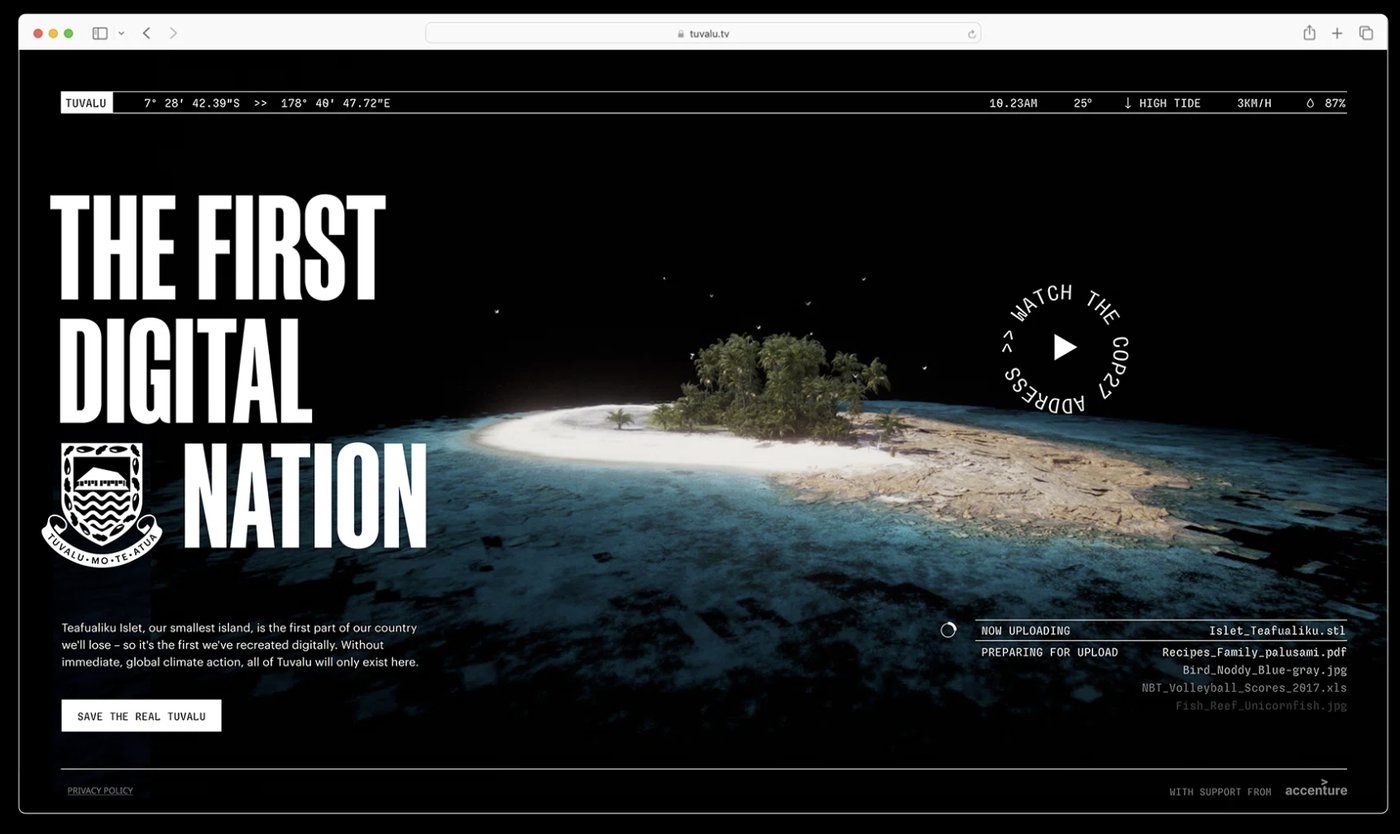
This is not a cool tech story. In case you don't know the plight of Tuvalu, the island nation is likely to be one of the first casualties of the rise in sea levels as the country is forecasted to be mostly submerged in the next few decades if the pattern of global warming continues. Despite bold suggestions such as dimming the sun, the time horizon is unlikely to offer salvation for Tuvalu - so now the tiny island nation's leaders have announced that the nation might be the first in the world forced to seek refuge in the metaverse:
“As our land disappears, we have no choice but to become the world’s first digital nation. Our land, our ocean, our culture are the most precious assets of our people and to keep them safe from harm, no matter what happens in the physical world, we’ll move them to the cloud.”
It's hard to imagine where to start moving an entire culture into the metaverse, and the announcement is necessarily dramatic to draw as much attention to their tragic situation as possible. It also does raise some fascinating questions about how such as reimagined way of preserving an entire culture could work ... and how many other cultures might necessarily be salvaged in this way if world leaders continue their failure to take significant action.
