The Rise of Zoom Businesses and How Carnival May Have Killed Cruising
What’s In This Issue?
The Rise of Zoom Businesses

You can invite an ass to your next Zoom meeting. Or a horse. Or a chicken. A farm in North Carolina is selling virtual appearances for farm animals (Via Swati Goel). A photographer is selling virtual photo sessions of Zoom talks for professional speakers (Via Phil Jones). An online wedding planning service named Wedfuly is partnering with Zoom for virtual wedding ceremonies now that New York announced weddings conducted over videoconferencing are now legal. You can even get a birthday party, date night or themed activities in a box delivered. The common theme is they are all stories of smart entrepreneurs who are reinventing their business for a disrupted world - and an inspiration for the rest of us to do the same.
Is Carnival Killing The Cruising Industry?
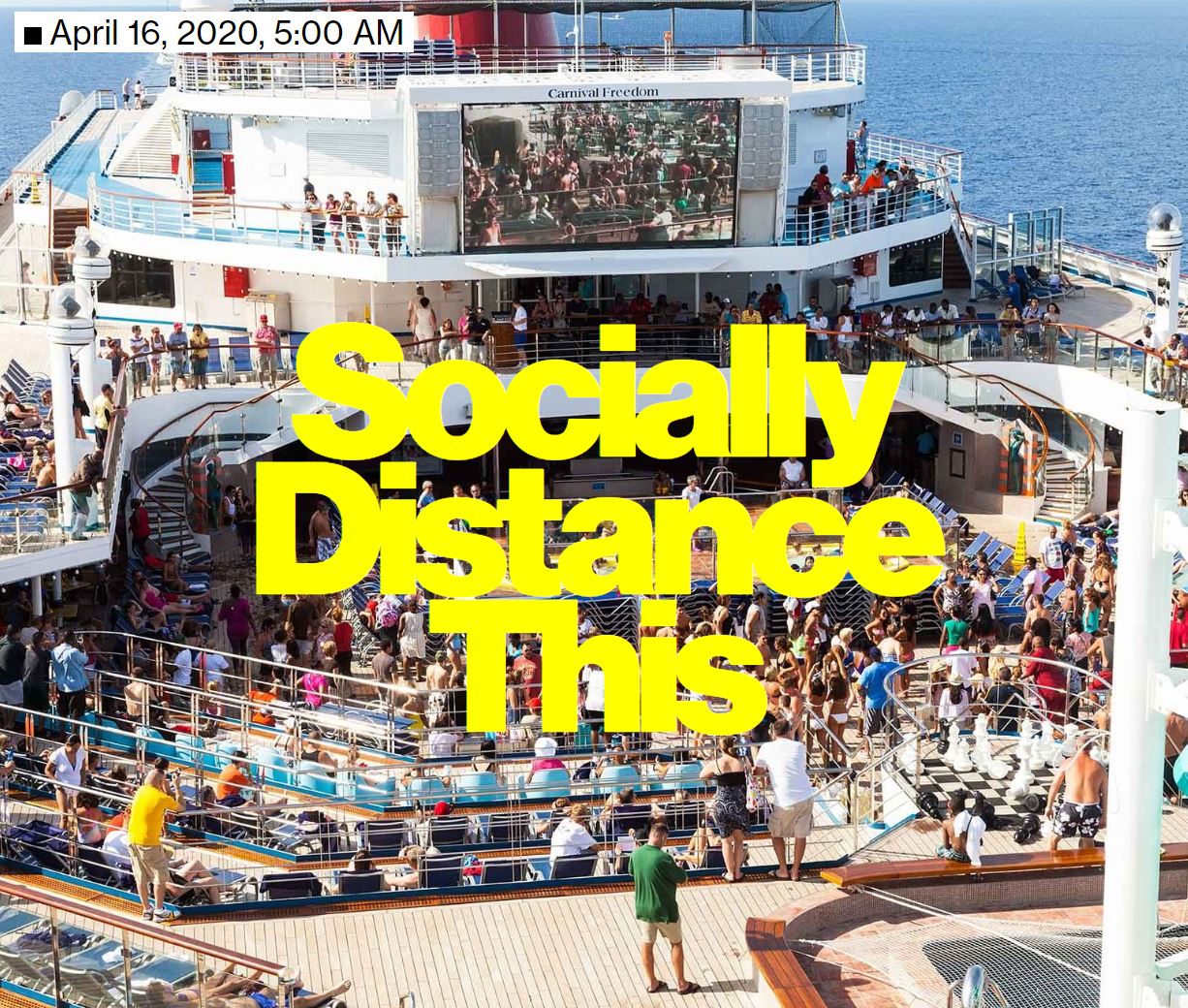
The cover story from BusinessWeek this week offered a troubling look into how Carnival might have ignored warnings and allowed cruises to happen anyway. The company is trying hard to find a positive spin. As one Carnival exec told Bloomberg, "she expects the experience to make customers more likely to cruise with the company, not less. There are many loyal Princess guests who have told us that this has actually cemented Princess as their No. 1 vacation choice.” Yet the truth is, this may only serve to create a rush to the bottom with cruising. Paying $250 for a 3 night Bahamian cruise will still be appealing for some. But if the older and more profitable luxury traveler (who is far more at risk) starts to skip cruising altogether, it may spell disaster for the industry.
How To Shed Your Optimism Bias

Most of us have a tendency to be overly optimistic in a wide variety of situations, even when there seems to be evidence to indicate this optimism is unfounded. This is known as optimism bias and it is just one of the psychological reactions that prevent us from recognizing a crisis or acting quickly. This article from the BBC about how our biases work and how you can understand their impact on your own behavior was the best thing I read this week. It's a long read but I highly recommend it.
The Premier League Switches Rest of Season To Virtual

Live sports continue to take a big hit from the lockdown and sports fans are getting desperate for something to watch. This is continuing to accelerate the mainstreaming of esports as networks are devoting air time to let people watch these games be played. Over the next several weeks, as this happens with more sports across more networks, esports will be one of those emerging categories that will see a huge swell of interest during the pandemic simply because it can fill a gap in programming and consumer desire that really has no other outlet at the moment.
Israelis Just Showed The World A Socially Distanced Protest
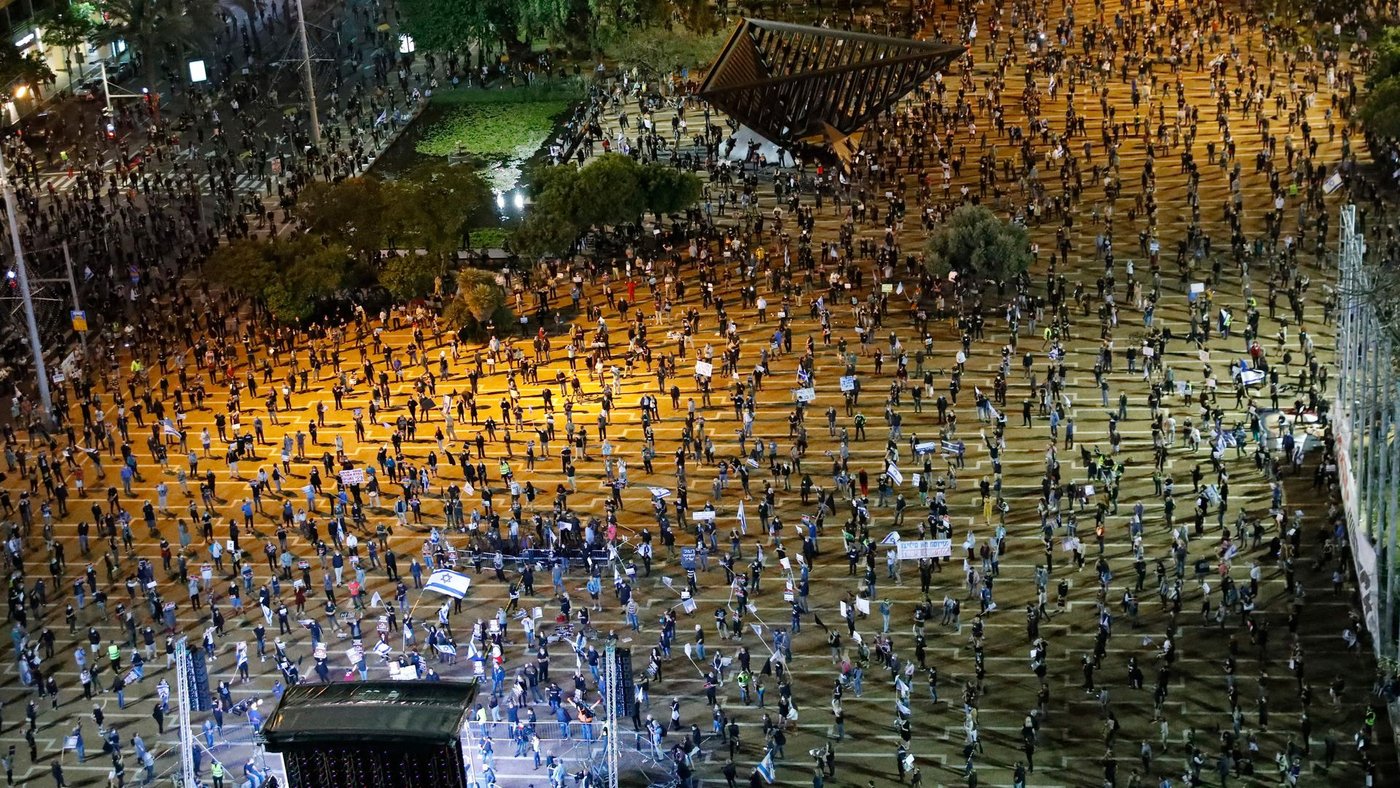
This week in Israel, thousands of people gathered for an anti-corruption protest, and did it while maintaining social distancing guidelines. It's a fascinating display of unity and while some still argue a large scale demonstration such as this shouldn't happen under any circumstances, the visuals coming out of the gathering are remarkable and share a powerful underlying message that the pandemic cannot and should not stop people from asking important questions of their government and standing up for their rights as citizens.
