The Future of Education, Singapore's Robotic Dogs and Why Flying Right Now Is Miserable
What’s In This Issue?
This Week’s Main Stories
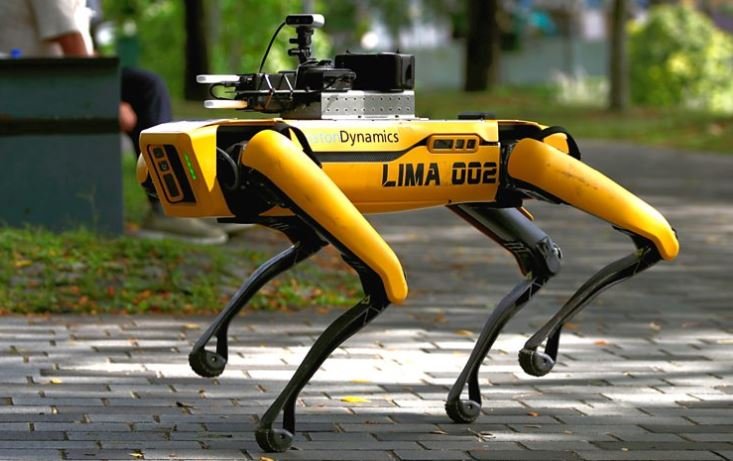 Story 01Singapore Uses Robot Dog To Enforce Social Distancing
 Story 02The Non-Obvious Virtual Mini-Summit: The Future Of Learning
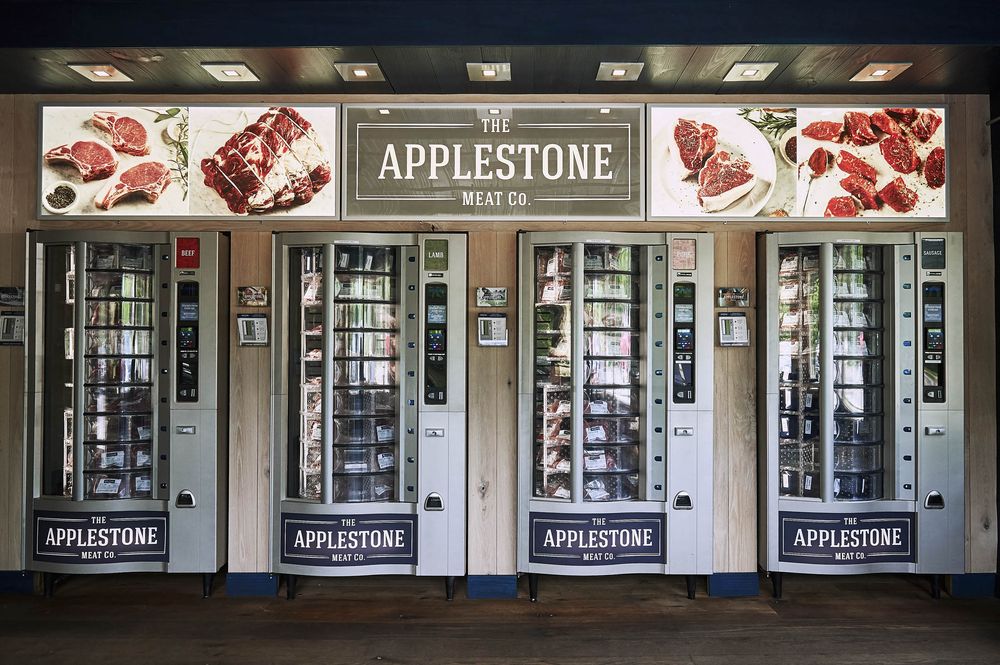 Story 03The Rise of 24/7 Food Vending Machines
 Story 04How the Pandemic Is Changing The World's Language
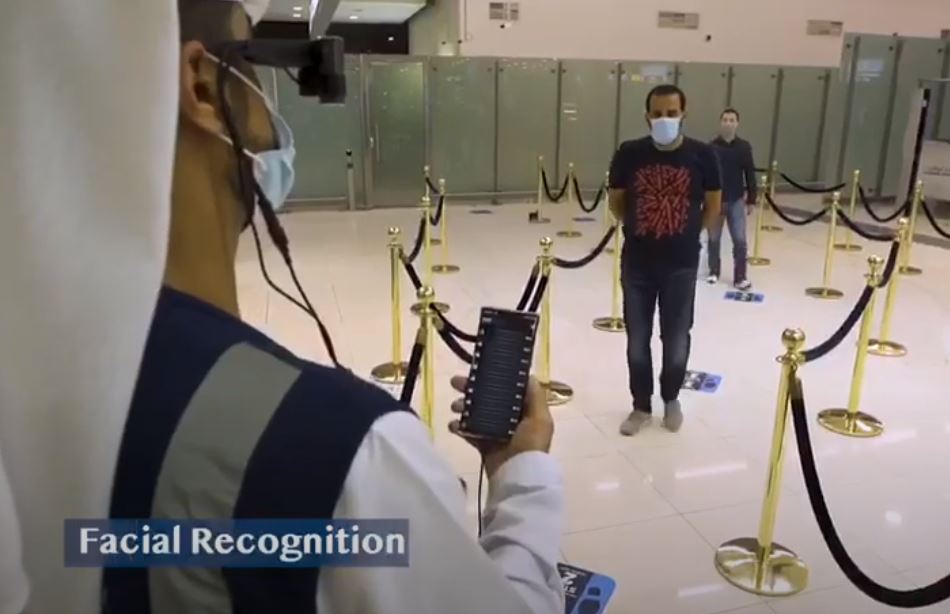 Story 05Will Flying Be Miserable In The Future?
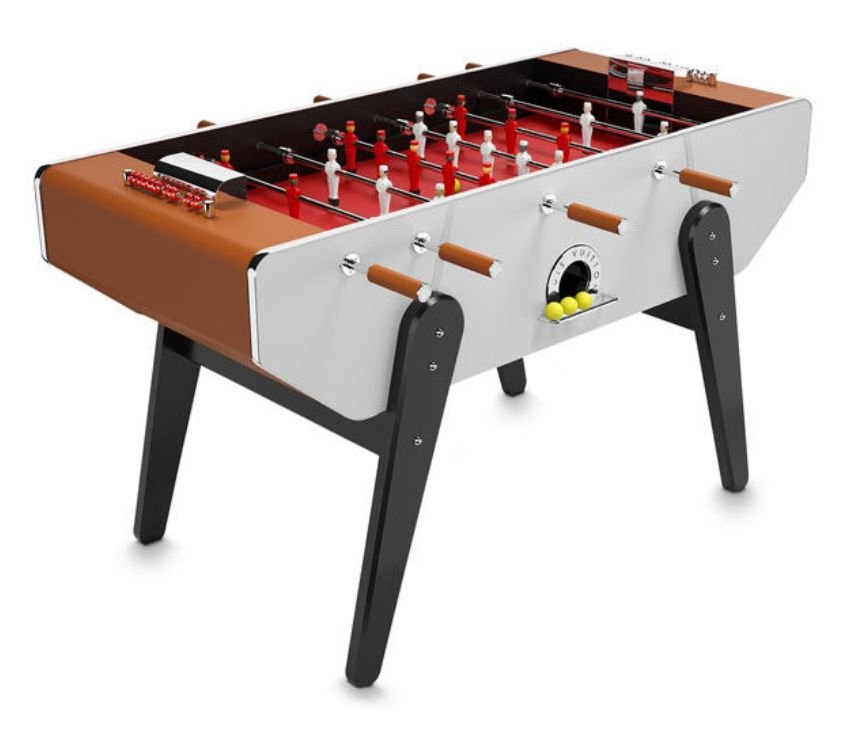 Story 06The Future of Luxury Might Be Generosity
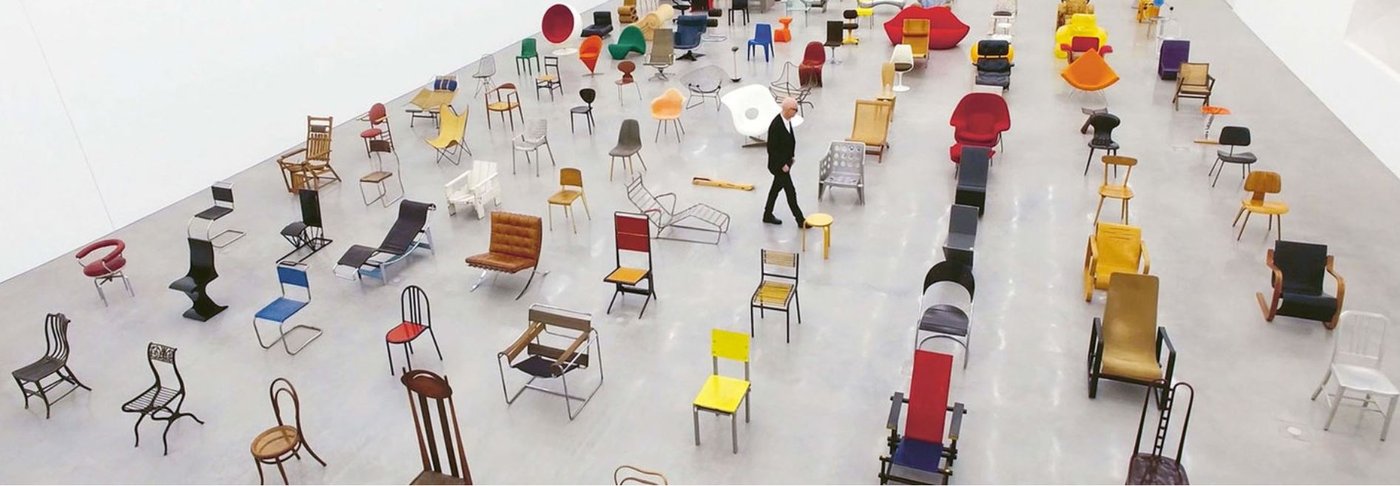 Story 07A Documentary To Watch - Chair Times: A History of Seating
Even More Stories
Singapore Uses Robot Dog To Enforce Social Distancing
Singapore is trialing an unusual model for enforcing social distancing using robotic dogs to patrol busy parks. The video in this story is slightly creepy, but also fascinating because it shows human reactions to the dog ... which range from curiosity to fear. The most interesting part of this is the human-machine interaction, something the entire program was set up to test and a topic that will be increasingly important to study.
The Non-Obvious Virtual Mini-Summit: The Future Of Learning
Next week I am happy to share that I will be partnering with my friend Mike Palmer from the podcast Trending In Education to host a conversation all about the future of learning at 5:30pm EST on Wednesday, May 20th. We'll talk about what the future of learning really looks like. Whether you've been forced to get a crash course in home schooling or curious about how distance learning will change the nature of live events and classrooms, this interactive summit will help you navigate whatever comes next. Register for the FREE webinar here >>
The Rise of 24/7 Food Vending Machines
Nearly two years ago, an entrepreneur named Joshua Applestone had the vision to create a vending machine filled with strip steaks, pork chops and Italian sausage. Alongside vendors like Farmer's Fridge and Chowbiotics, this new crop of food vending machine companies that automate the purchase of fresh food are seeing record sales. Back in 2018, I wrote about the big bet the guitar maker Fender was taking on online learning with their new Fender Play platform. They too are experiencing record signups right now. Together, these stories are powerful reminders that when you aggressively innovate to prepare for the future, sometimes the bets you make pay off big.
How the Pandemic Is Changing The World's Language
Have you enjoyed a quarantini yet? Or suffered from someone zoombombing your video call? Or wasted hours doomscrolling through one worrying story after another? These are just a few of the new words people have been using in this time of lockdown - but the pandemic's effect on language may go much deeper than this. We are increasingly using words of war to describe modern life: Fight. Battle. Defeat. Combat. Enemy. Doctors and nurses on the front lines. Already endangered languages may be disappearing even faster. This probably isn't the first time language has been shaped by current events either. Which makes you wonder just how much the language we have today is a reflection of our shared past.
Will Flying Be Miserable In The Future?
This week a reporter's story about the misery of flying right now went viral. At the same time, forward looking airports like Abu Dhabhi are envisioning what the terminal of the future may look like. Airline strategy firm Simpliflying just published a report predicting an era of "sanitized travel" where up to 70 different parts of the travel experience will shift, from "sanitagging" bags to disinfection tunnels and rapid virus testing. The bottom line: airlines and airports are figuring all of it out right now and everything is in flux. In other words, it's a good time to be stuck at home not traveling.
The Future of Luxury Might Be Generosity
Luxury spending has always been based on aspirations. People want access, experiences and beautiful things. During a pandemic, "restraint has become ethically and socially aspirational" -- as Ana Andjelic writes in this eye-opening article. In a world where people are ready to "socially shame displays of greed, selfishness and irresponsibility," seeing stories of designer foosball tables or how Vera Wang looks youthful at 70 just seem out of place. Maybe these times are making us better people. Well, some people.
A Documentary To Watch - Chair Times: A History of Seating
From the Vitra Design Museum, a documentary about chairs is now free to watch. The first seven minutes are just slow pan shots of iconic chairs from the past two hundred years being carefully placed into a large warehouse sized gallery. And for some reason I couldn't stop watching. As one museum curator points out in the film, it's unique in the history of architecture to be able to see so many styles and designs side by side. But with chairs you can do that - and it was a 90 minute diversion I highly recommend if you can find the time to watch it.
