The Decline of Clubhouse, Dubai World Expo + Why Marketers Are To Blame For Facebook
What’s In This Issue?
This Week’s Main Stories
Don't Blame Facebook. Blame the Marketers.
In doing my weekly research for stories, I found many in marketing trade publications that focused on Facebook.Almost all of them were focused on the lost ad revenue from Facebook's outage this week and the need for marketers to diverse their ad spending. There was hardly any mention of the revelations this week about how Facebook knowingly tries to create and profit off our anger. This needs to change and marketers need to lead the fight. Read my full article here >>
More People Are Living Without Partners. Here's What It Means.
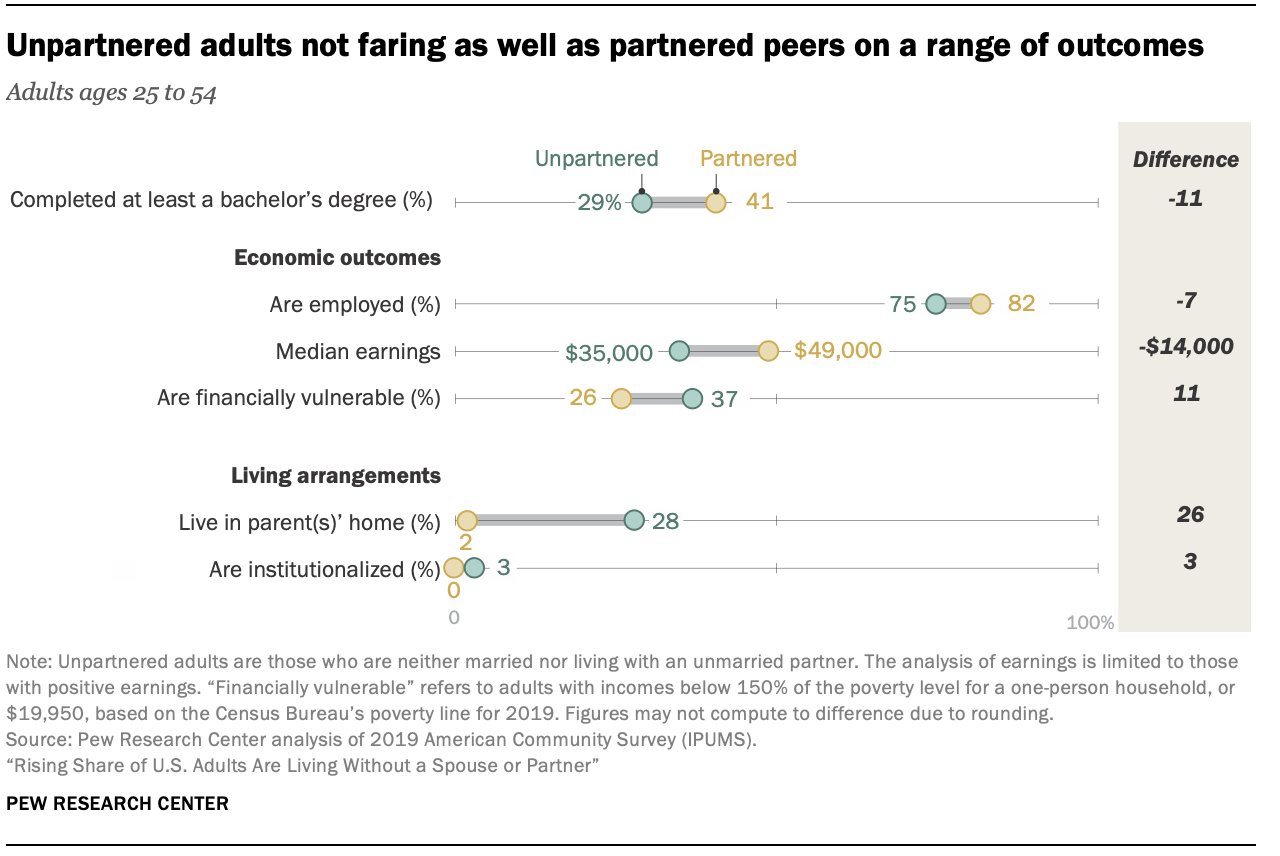
"Looking across a range of measures of economic and social status, unpartnered adults generally have different – often worse – outcomes than those who are married or cohabiting."
A new study from Pew Research explores how and why a rising number of adults in America are living alone without a spouse or partner. More than just documenting that it's happening, the report explores some of the economic and cultural implications. This shift in the idea of how we define "family" and what the term even means inspired an entire chapter in my upcoming book Beyond Diversity. This report points out some sobering findings about the career, economic success and social status of these unpartnered individuals and shows that there remains a bias in most societies toward those who do choose a partner versus those who remain single.
First Impressions of the Dubai 2020 World Expo

After a one year delay, the 2020 Dubai World Expo officially kicked off this week and the events and sessions from it looked brilliant. Think TED, but with lots more fanfare and theatricality, and open to the public. Rather than summarize all the discussions taking place, it's worth taking some time to visit their comprehensive website and review some of the sessions for yourself. Whether it's a reimagined analogy with Jenga to teach people about the importance of biodiversity or tasting the future of food through bioluminescent soups, the range of experiences they have planned will help you to imagine the future for yourself. Which is, of course, exactly the point of the World Expo.
Was Clubhouse Just a Fad That's Now Over?
I never fell in love with Clubhouse, but I definitely tried. Mostly it just felt like too much time spent listening for too few insightful bits of conversation mixed in with lots of people who love the sound of their own voice. Apparently, the platform has been experiencing its own decline recently, as this article suggests . Part of the reason the writer suggests may be the content itself, or the fact that people are starting to get out of their homes more now and so they may be less desperate for any form of human connection.
For me, the hardest part was the constant flood of topics and conversations that I didn't care about. I would love a "mute topic" button to help me avoid conversations that I wasn't interested in, such as dating or how NFTs will change the world, or "get rich quick" advice. As my wife told me, iPhone users apparently do have a "Show me fewer like this" button ... so maybe the decline is actually part of a master plan to get rid of Android users by offering them a subpar experience. If so, mission accomplished Clubhouse. Your scheme is working.
How to Survive in a World of Information Overload

A good part of my days and weeks are spent teaching people how to deal with noise overload. The first thing I tell them is that there is no such thing as information overload. The overload is from "noise," and your ability to segment and ignore that noise will be a crucial survival skill for the future of your career and your personal sanity. An article from author Nir Eyal offers a deeper look at this skill from the perspective of a tech industry insider who literally wrote the book on how to create addictive experiences (Hooked). It's worth a read because Eyal focuses on the difference between creating traction versus distraction. He writes, "we often consume unnecessary information as an emotional escape when we don't feel right." The rest of the article offers his three tips for improving your attention and reducing the things that distract you.
